Have you ever considered how a single author could profoundly influence Victorian society and literature? Charles Dickens, a towering figure of the 19th century, not only entertained readers but also highlighted the social issues of his time, making his works resonate across generations.
In this article, you will discover the early life and influences that shaped Dickens, explore his major works, and understand the literary themes that defined his narratives. This knowledge will deepen your appreciation of his contributions to literature and society.
We will delve into key topics such as Dickens’s formative years, the major novels that shaped his legacy, and the critical social commentary embedded within his stories, providing a comprehensive overview of his impact on both literature and social reform.
Early life and influences of Charles Dickens
Charles Dickens was born on February 7, 1812, in Portsmouth, England. His early life was marked by hardship, as his family struggled financially. When Dickens was only nine years old, his father was imprisoned for debt, forcing the young boy to leave school and work in a factory. This experience had a profound impact on him, shaping his views on social injustice and poverty.
At the age of twelve, Dickens worked in a blacking factory, where he faced long hours and harsh conditions. This period of his life inspired his later writings, particularly his depictions of child labor and the plight of the poor in Victorian England. Dickens’ experiences in these early years provided a rich reservoir of material for his later novels.
- Social Injustice: Dickens’ experiences fueled his passion for social reform, which is evident in works like “Oliver Twist” and “David Copperfield.”
- Character Development: Many of his characters were drawn from the people he encountered during his childhood, such as the struggling poor and the morally corrupt.
- Literary Influences: Dickens was inspired by writers such as William Thackeray and Jane Austen, who explored themes of social class and morality.
After gaining some success as a writer, Dickens began to reflect on his formative years. He often wrote about characters who faced similar struggles, such as the orphaned Pip in “Great Expectations.” This connection between his life and his literature allowed readers to empathize with his characters and their dilemmas.
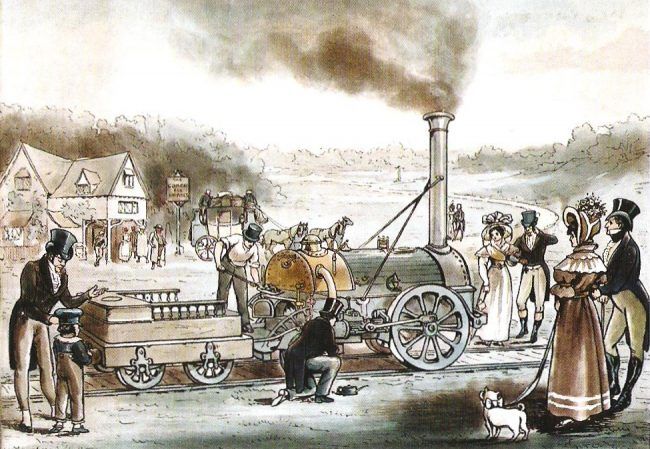
In addition to his experiences, Dickens was influenced by the broader societal changes of the time. The Industrial Revolution had transformed England, leading to rapid urbanization and a stark divide between the rich and the poor. His observations of these changes can be seen in his vivid descriptions of London life and the social issues he tackled in his works.
The early life of Charles Dickens not only shaped his identity as a writer but also established him as a voice for the marginalized. His commitment to addressing social issues through literature remains a significant part of his legacy.
Major works and literary themes in the 19th century
Charles Dickens produced a remarkable body of work during the 19th century, characterized by his keen social commentary and unforgettable characters. His novels often explored themes of poverty, social reform, and the struggles of the human condition. Below are some of his major works and the themes they reflect:
- Oliver Twist (1837-1839): This novel tells the story of a young orphan navigating the harsh realities of life in London. It highlights the plight of the poor and critiques the workhouse system.
- A Christmas Carol (1843): This classic novella addresses themes of redemption and compassion through the transformation of Ebenezer Scrooge. It emphasizes the importance of generosity, especially during the holiday season.
- David Copperfield (1849-1850): A semi-autobiographical work, it explores the journey of self-discovery and personal growth, while also critiquing Victorian society’s class structures.
- Great Expectations (1860-1861): This novel examines themes of ambition, social status, and personal development through the life of Pip, a young boy who aspires to rise above his humble beginnings.
In addition to these notable works, Dickens frequently used his writing to advocate for social change. His stories often depicted the struggles of the lower classes and the injustices they faced. His portrayal of characters such as the innocent Oliver Twist and the morally ambiguous Scrooge resonated with readers and prompted discussions about social responsibility.
Moreover, Dickens’ works are characterized by:
- Complex Characters: His characters are often multi-dimensional, representing a wide range of societal issues.
- Vivid Descriptions: Dickens employed rich imagery to draw readers into the world he created, making the settings and emotions palpable.
- Humor and Satire: Many of his works contain elements of humor and irony, providing a critical lens through which to view societal norms.
The themes in Dickens’ novels not only reflect his personal experiences but also resonate with the broader societal changes of the 19th century. His ability to blend entertainment with a powerful message has solidified his legacy as one of the greatest writers of his time.
Social commentary and critique in Dickens’s novels
Charles Dickens is renowned for his incisive social commentary, often exposing the stark realities of Victorian society. His novels address issues such as poverty, child labor, and class disparity, portraying the struggles of the working class. Dickens used his platform to advocate for social reform, making his works both entertaining and enlightening.
One of Dickens’s most notable critiques is found in Oliver Twist (1837). The novel highlights the plight of orphans and the inhumane conditions of workhouses. The character Oliver, who famously asks for more food, symbolizes the desperate needs of many children during that era. Dickens’s portrayal of the workhouse system sparked public outrage and discussions on reform.
- David Copperfield (1850) – Explores the challenges faced by the lower class and the importance of personal growth.
- A Christmas Carol (1843) – Critiques selfishness and the importance of compassion during the holiday season.
- Hard Times (1854) – A direct attack on industrialization and its dehumanizing effects on workers.
In Great Expectations (1860), Dickens critiques social class and the idea of wealth as a means to happiness. The protagonist, Pip, learns that true value lies not in social status but in personal integrity and relationships. This theme resonates with readers, illustrating the emptiness of materialism.
Moreover, Dickens’s vivid characterizations serve to amplify his critiques. For instance, characters like Ebenezer Scrooge represent the moral failures of society. Scrooge’s transformation from a miser to a generous man signifies the potential for personal change, echoing Dickens’s belief in redemption. Dickens’s narratives often demonstrate that societal change begins with individual actions.
Dickens’s novels provide a powerful lens through which to examine the social issues of his time. His ability to blend storytelling with social critique not only entertained readers but also encouraged them to reflect on their own values and the society they inhabited.
Character development and memorable figures
Charles Dickens is celebrated for his profound ability to create complex characters that resonate with readers. His characters often reflect the society of his time, embodying various social classes and moral dilemmas. Dickens’s knack for characterization is evident in the way he combines realistic traits with exaggerated qualities, making his figures memorable and relatable.
One of the most iconic characters is Ebenezer Scrooge from “A Christmas Carol,” published in 1843. Scrooge’s transformation from a miser to a benevolent figure highlights Dickens’s theme of redemption. This character arc not only serves as a moral lesson but also reflects the societal attitudes towards wealth and generosity during the Victorian era.
- Oliver Twist – The orphaned protagonist who faces the grim realities of poverty and crime.
- David Copperfield – A semi-autobiographical character whose life journey explores themes of personal growth and resilience.
- Miss Havisham – A tragic figure from “Great Expectations,” representing the consequences of living in the past.
In addition to individual characters, Dickens often created memorable ensembles that represented broader societal issues. For instance, the characters in “Bleak House” portray the inefficiencies of the legal system. The story features figures like Esther Summerson, who embodies compassion, and Mr. Tulkinghorn, who represents corruption, illustrating the moral spectrum of society.
Furthermore, Dickens’s characters are not merely static; they evolve throughout the narratives, influenced by their experiences and interactions. For example, Pip in “Great Expectations” undergoes significant development, shifting from innocence to a more complex understanding of wealth and social class. This journey is reflective of Dickens’s own life experiences and his critique of societal norms.
The character development in Dickens’s works serves as a powerful vehicle for social commentary. Through his memorable figures, Dickens not only entertains but also encourages readers to reflect on the human condition and the social issues of his time.
Impact of Victorian society on Dickens’s writing
Victorian society had a profound impact on Charles Dickens’s writing, shaping his themes and characterizations. The era was marked by rapid industrialization, urbanization, and social upheaval, which Dickens vividly depicted in his works. For instance, the population of London soared from about 1 million in 1800 to over 6 million by 1900, creating a stark contrast between wealth and poverty.
One of the defining characteristics of Dickens’s narratives is his focus on the plight of the impoverished. He often portrayed the struggles of the working class, as seen in novels like Oliver Twist (1837-1839) and Hard Times (1854). These works reflect the grim realities faced by many, including child labor and inadequate housing. In fact, during the Victorian era, approximately 50% of the population lived in poverty.
- Industrialization: Dickens often critiqued the dehumanizing effects of factories and urban life.
- Social reform: His writings inspired movements advocating for labor laws and education reforms.
- Child welfare: Dickens’s depiction of orphans led to greater awareness about child welfare issues.
Moreover, Dickens’s characters frequently embody the struggles of their time. For example, in A Christmas Carol (1843), Ebenezer Scrooge represents the capitalist mindset that prioritizes wealth over human connection. The transformative journey he undergoes serves as a critique of Victorian values, emphasizing the importance of compassion and community.
Statistically, Dickens’s readership expanded significantly during his lifetime, with serialized publications reaching hundreds of thousands. His ability to engage with the societal issues of his time resonated with many, making him a household name. The serialization of his novels allowed readers from all walks of life to access his stories, further amplifying his social critique.
The complexities of Victorian society not only influenced Dickens’s writing but also provided a canvas for his enduring themes of social justice and human empathy. Through his detailed portrayals, Dickens remains a pivotal figure in understanding the societal dynamics of the 19th century.
Adaptations of Dickens’s works in film and theater
Charles Dickens’s literary works have inspired numerous adaptations in both film and theater, showcasing his enduring popularity and relevance. The transition of his novels to the screen and stage has allowed new audiences to experience his stories, often with innovative interpretations. For instance, the 2005 film adaptation of “Oliver Twist”, directed by Roman Polanski, brought a darker, more realistic tone to the classic tale, contrasting with the earlier versions that emphasized a more whimsical approach.
- “A Christmas Carol” has been adapted over 50 times for film alone, with notable versions including the 1951 film starring Alastair Sim and the 1992 animated adaptation featuring the voice of Jim Carrey. These adaptations highlight the timeless themes of redemption and social responsibility.
- The musical “Oliver!” debuted in 1960 and remains a staple in theater, illustrating the appeal of Dickens’s narratives in a musical format.
- In 1988, the acclaimed television miniseries “David Copperfield”, featuring a young Daniel Radcliffe, introduced Dickens’s semi-autobiographical story to a new generation, emphasizing the character’s struggles and growth.
Moreover, contemporary adaptations often seek to modernize Dickens’s themes while retaining their core messages. For example, the 2019 film “The Personal History of David Copperfield”, directed by Armando Iannucci, uses a diverse cast to present a fresh take on the beloved story, reflecting current societal values around representation. This adaptation has been praised for its humor and engaging storytelling.
In theater, adaptations such as “Great Expectations” have seen numerous reinterpretations, with productions ranging from traditional Victorian settings to modern-day adaptations that explore contemporary issues such as class and ambition. The National Theatre’s production in 2011, directed by Mike Newell, is one such example that captivated audiences with its innovative staging and dynamic performances.
The impact of these adaptations is evident, as they not only breathe new life into Dickens’s narratives but also encourage discussions about the social issues he addressed. By adapting his works for modern audiences, filmmakers and theater producers continue to keep Dickens’s legacy alive, proving that his insights into human nature and society remain relevant today.
Legacy and influence on modern literature
Charles Dickens’s legacy is profound and far-reaching, influencing countless authors and shaping modern literature. His unique style, characterized by vivid descriptions and intricate plots, set a standard that many writers strive to achieve today. Dickens’s ability to weave social commentary into his narratives has inspired a new generation of storytellers who seek to address contemporary issues through their work.
One of the most significant impacts of Dickens’s writing can be seen in the following aspects:
- Characterization: Dickens’s characters are often larger than life, yet deeply relatable. Modern authors like J.K. Rowling and Haruki Murakami have adopted similar techniques, creating memorable and complex characters that resonate with readers.
- Themes of social justice: Dickens’s focus on social inequality and his critique of societal norms have paved the way for contemporary writers. Authors such as Margaret Atwood and Chimamanda Ngozi Adichie explore similar themes in their works, highlighting injustices in modern society.
- Serialized storytelling: Dickens was a pioneer in serialized fiction, publishing his novels in installments. This format has influenced modern television and web series, where stories unfold over multiple episodes, keeping audiences engaged.
In addition to these aspects, Dickens’s influence can also be seen in various literary movements. For instance, the realist movement drew inspiration from his detailed depictions of everyday life. Writers such as Henry James and George Eliot embraced realism, focusing on character development and the complexities of human experience.
Moreover, Dickens’s works have sparked numerous adaptations across different media, further cementing his legacy. For example, the 2005 film adaptation of Oliver Twist and the 2012 film The Best Exotic Marigold Hotel, which draws thematic parallels to A Christmas Carol, exhibit the timelessness of his narratives.
Charles Dickens’s contributions to literature continue to resonate today, shaping the voices of modern authors and inspiring new narratives that challenge societal norms. His legacy remains a vital part of the literary landscape, encouraging writers to explore the intricacies of human experience and social justice.
Dickens’s contributions to social reform
Charles Dickens was not only a master storyteller but also an influential advocate for social reform during the Victorian era. His works often highlighted the struggles of the poor and the injustices of society, making him a powerful voice for change.
One of Dickens’s most notable contributions was the portrayal of child labor in his novels. In Oliver Twist, published in 1837, he depicted the harsh realities faced by orphans and street children, bringing public attention to the exploitation of vulnerable populations. His vivid descriptions of the workhouses and the plight of young Oliver resonated with readers, prompting discussions about child welfare.
- Social Awareness: Dickens raised awareness about the living conditions of the impoverished.
- Child Labor Reforms: His works contributed to the push for legislative changes regarding child labor.
- Education Advocacy: Dickens emphasized the importance of education as a means of escape from poverty.
Moreover, Dickens’s novel Hard Times, published in 1854, criticized the utilitarian philosophy that dominated the industrial society. Through the character of Gradgrind, he illustrated the dangers of prioritizing facts over compassion, advocating for a more humane approach to education and social responsibility.
In addition to his novels, Dickens actively participated in social reform initiatives. He supported various charities, including the Children’s Employment Commission, which investigated child labor conditions. His engagement in these causes demonstrated his commitment to translating literary influence into real-world action.
| Work | Social Issue Addressed | Impact |
|---|---|---|
| Oliver Twist | Child Labor | Increased awareness and advocacy for child welfare |
| Hard Times | Utilitarianism | Critique of cold educational philosophies |
| A Christmas Carol | Poverty | Promotion of generosity and social responsibility |
Through his powerful narratives and commitment to social issues, Dickens’s influence extended beyond literature, contributing significantly to the social reform movements of his time. His legacy as a social reformer remains vital to understanding the complexities of Victorian society and its challenges.
Techniques and style in Dickens’s storytelling
Charles Dickens employed a variety of literary techniques that contributed to his distinctive storytelling style. One notable technique is his use of characterization. Dickens created complex characters, often bringing them to life through vivid descriptions and detailed backstories. For instance, Ebenezer Scrooge from “A Christmas Carol” exemplifies transformation, moving from a miserly figure to a benevolent one, showcasing Dickens’s ability to portray emotional depth.
- Symbolism: Dickens frequently used objects and characters as symbols to convey deeper meanings. For example, the character of Oliver Twist represents innocence and the struggle against societal injustices.
- Social Commentary: His narratives often critiqued social issues of his time, such as poverty and child labor, making his stories both engaging and thought-provoking.
- Humor and Satire: Dickens infused humor into his narratives, using satire to highlight the absurdities of Victorian society. Characters like Mr. Bumble from “Oliver Twist” serve to illustrate this technique.
Another important aspect of Dickens’s style is his use of serialized storytelling. Many of his novels were published in installments, which allowed him to gauge audience reactions and adapt the narrative accordingly. “David Copperfield,” first published in 1849, is an excellent example of this technique, as it captures the readers’ interest over time, developing suspense and anticipation.
Additionally, Dickens often employed a distinctive narrative voice that combined first-person and third-person perspectives. This approach allowed him to delve deep into the thoughts and feelings of his characters while maintaining an overarching view of the plot. For instance, the use of David Copperfield as a semi-autobiographical narrator provides an intimate connection to the audience.
Dickens’s storytelling techniques, including characterization, symbolism, and serialized narratives, have left a lasting impact on literature. His ability to weave social commentary with engaging narratives continues to resonate with readers today, making his works timeless classics.
Frequently Asked Questions
What themes are prevalent in Charles Dickens’s works?
Charles Dickens’s works often explore themes such as social injustice, poverty, and the struggles of the lower class. His narratives frequently highlight the impact of industrialization on society and the importance of compassion and human connection.
How did Dickens influence modern storytelling?
Charles Dickens revolutionized modern storytelling through his use of characterization and intricate plots. His ability to create memorable characters and intertwine their stories has inspired countless authors, establishing a foundation for character-driven narratives in contemporary literature.
What social issues did Dickens address in his novels?
In his novels, Dickens addressed various social issues, including child labor, class disparity, and education reform. His vivid portrayals of these challenges aimed to raise awareness and advocate for social change during the Victorian era.
Which literary techniques are unique to Dickens?
Dickens employed several unique literary techniques, including satire, hyperbole, and vivid imagery. His use of dialogue also enhanced character development and brought realism to his narratives, making them engaging and relatable for readers.
Where can I find more information about Charles Dickens’s life?
For more information about Charles Dickens’s life, consider visiting biographical websites, literary archives, or libraries that specialize in Victorian literature. Additionally, many documentaries and books provide in-depth analyses of his life and works.
Conclusion
Charles Dickens’s impact on literature is evident through his legacy, advocacy for social reform, and innovative storytelling techniques. His ability to intertwine social issues with compelling narratives has influenced countless authors and continues to resonate today, shaping the landscape of modern literature. By understanding Dickens’s contributions, readers can appreciate the depth of his work and recognize the importance of storytelling in effecting social change. Engaging with his literature offers insights into the human experience and the societal challenges that remain relevant. Explore Dickens’s works and reflect on their themes to enhance your literary appreciation. Start reading his novels today and discover the enduring power of his storytelling.