Have you ever considered how marriage manuals from the 19th century shaped modern relationships? These guides were not merely instructional; they played a significant role in defining societal expectations and norms regarding marriage, intimacy, and gender roles.
This article will delve into the historical context of 19th-century marriage manuals, exploring their key themes and the profound influence they exerted on societal norms. Understanding these manuals provides valuable insights into the evolution of marital conventions and the societal pressures that accompanied them.
We will examine the primary topics these manuals addressed, such as love, duty, and gender dynamics, highlighting their lasting impact on contemporary views of marriage.
Historical context of 19th century marriage manuals
The 19th century was a pivotal era for societal norms and expectations regarding marriage. During this period, marriage manuals emerged as essential guides for individuals preparing for matrimony. These texts were influenced by various factors, including the rise of the middle class, changing gender roles, and the evolving landscape of Victorian morality.
As the Industrial Revolution transformed economies, families sought stability through marriage. Manuals, such as The Young Lady’s Book (1830), provided practical advice on how to manage household duties and social expectations. These texts emphasized the roles of women as homemakers and moral guardians, reinforcing gender norms prevalent at the time.
- Social Expectations: Marriage was often viewed as a social contract rather than a romantic union. Manuals instructed couples on how to maintain appearances in society.
- Economic Factors: Many manuals emphasized the importance of financial stability and the role of marriage in securing economic security.
- Gender Roles: Women were often advised to cultivate skills in domestic arts, while men were encouraged to be providers.
One notable example is The Book of Household Management by Isabella Beeton, published in 1861. This comprehensive guide not only covered recipes and household organization but also addressed the moral responsibilities of a wife. Beeton’s work reflected the belief that a woman’s duty was to create a harmonious home, thereby influencing countless households during the Victorian era.
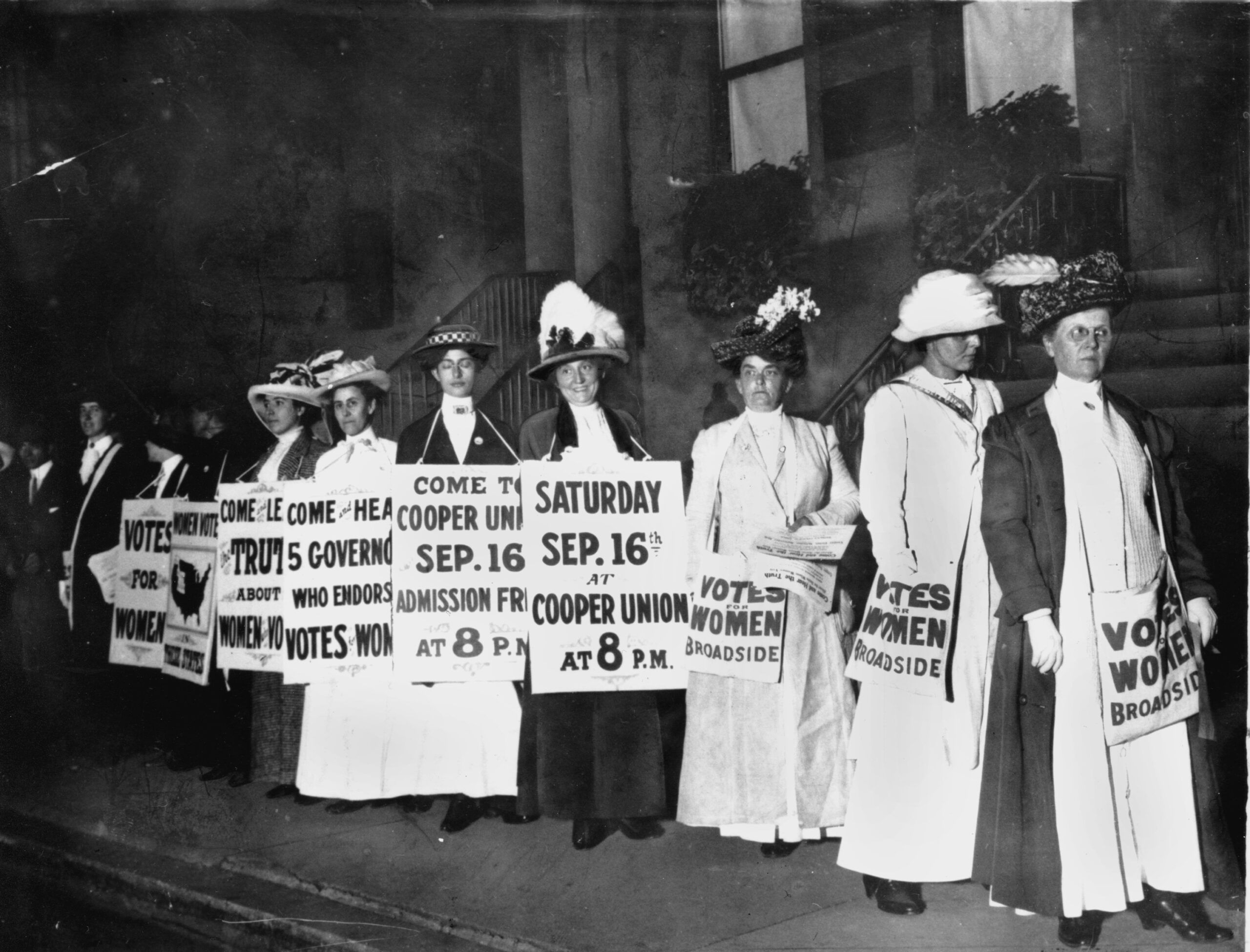
Moreover, the publication of marriage manuals coincided with the women’s suffrage movement, which began to challenge traditional roles. As women began to seek independence, some manuals incorporated progressive ideas, advocating for mutual respect and partnership in marriage. This shift was significant, as texts started to recognize the importance of emotional compatibility alongside societal expectations.
The historical context of 19th century marriage manuals reveals how societal changes shaped the perception of marriage. These manuals served as reflections of their time, providing insights into the complexities of love, duty, and partnership.
Key themes addressed in 19th century marriage manuals
19th century marriage manuals encompassed a variety of themes that reflected the societal expectations and norms of the time. These themes served as guidelines for individuals preparing for marriage, offering insights into the roles, responsibilities, and expectations within the marital relationship.
One of the predominant themes was the concept of gender roles. Manuals often delineated specific duties for husbands and wives. For instance, women were typically advised to focus on home-making, nurturing children, and supporting their husbands, while men were encouraged to be the primary breadwinners and decision-makers.
- Domesticity: Emphasis on women’s roles in managing the household and raising children.
- Submission: Encouragement for wives to submit to their husbands’ authority as a moral imperative.
- Financial Responsibilities: Guidelines for men on managing finances and providing stability.
Another key theme was the importance of compatibility and courtship. Manuals often stressed the significance of emotional and intellectual compatibility between partners. Many suggested that successful marriages stemmed from a strong foundation of mutual respect and shared values.
For example, the popular manual “The Married Life” by Samuel Smiles, published in 1865, highlighted the importance of shared interests and moral values in fostering a happy marriage. It suggested that couples should engage in activities together to strengthen their bond.
- Emotional Connection: The necessity of a deep emotional bond for a successful marriage.
- Courtship Rituals: Recommendations for proper courtship practices that respect social norms.
- Family Approval: The role of family in approving potential partners, emphasizing social status and compatibility.
Lastly, many manuals addressed sexuality and intimacy. While often approached with a sense of modesty, they provided guidelines for understanding marital intimacy, emphasizing that it should be rooted in love and mutual respect. They also discussed the importance of sexual education, albeit in a limited and conservative context.
Overall, these manuals not only reflected the societal norms of the 19th century but also shaped the expectations surrounding marriage, influencing countless individuals’ lives during that era.
How 19th century marriage manuals influenced societal norms
19th century marriage manuals played a crucial role in shaping societal norms regarding marriage, gender roles, and family dynamics. These texts not only provided practical advice but also reinforced the prevailing attitudes towards women’s roles as wives and mothers.
One significant influence was the promotion of the idealized domestic sphere. Manuals emphasized that women should focus on their roles within the home, advocating for virtues such as obedience, modesty, and nurturing. This ideology was prevalent in texts like “The Young Wife” (1835) by Mrs. H. B. Stowe, which instructed women on how to create a harmonious household.
- Women’s roles: Emphasis on domestic duties and moral education.
- Men’s roles: Encouraged to be providers and protectors.
- Family structure: Promoted the nuclear family as the ideal.
Moreover, marriage manuals often reflected and reinforced class distinctions. For instance, manuals aimed at middle-class women focused heavily on etiquette and social graces, suggesting that a woman’s value was tied to her ability to maintain a respectable home. In contrast, lower-class women received less attention in these texts, highlighting the disparities in how marriage was perceived across different social strata.
In addition to reinforcing gender roles, these manuals also influenced societal attitudes towards love and romance. The notion of marrying for love became more prominent during this period, although it was often framed within the context of duty and responsibility. For example, “The Family Monitor” (1848) discussed the importance of emotional compatibility but stressed the necessity of mutual respect and adherence to social expectations.
By the end of the century, the cumulative impact of these manuals contributed to a shift in how society viewed marriage. The emphasis on emotional fulfillment began to challenge traditional views, paving the way for future movements that sought to redefine gender roles and personal autonomy in relationships.
Comparing 19th century marriage advice with modern perspectives
The advice found in 19th century marriage manuals often emphasized traditional gender roles. For instance, women were typically advised to be submissive, nurturing, and focused on homemaking, while men were encouraged to be providers and protectors. This stark division of roles can be contrasted with modern perspectives that advocate for partnership and equality in relationships.
- 19th Century Advice: “A woman’s duty is to create a comfortable home and support her husband.”
- Modern Perspective: “A successful marriage is built on mutual respect and shared responsibilities.”
Another significant difference lies in the expectations surrounding love and companionship. In the 19th century, many marriages were arranged based on social status and financial security, often prioritizing these factors over romantic love. Conversely, modern views promote the idea that love should be the foundation of a marriage. According to a 2020 survey by the Pew Research Center, approximately 88% of adults believe that love is essential to a successful marriage.
Furthermore, 19th century marriage manuals often discouraged women from pursuing education or careers, reinforcing the notion that their primary role was within the home. In stark contrast, contemporary society values education and professional development for both genders. For example, in 2021, women accounted for nearly 60% of college enrollments in the United States, highlighting a significant shift in priorities.
- 19th Century Advice: “A woman’s education should focus on domestic skills.”
- Modern Perspective: “Education empowers both partners and enriches the marriage.”
The evolution of marriage advice from the 19th century to the present day reflects broader societal changes. The transition from rigid gender roles and arranged marriages to a focus on love, equality, and personal growth illustrates how perspectives on marriage have transformed over time. This ongoing evolution continues to shape modern relationships and societal expectations.
Notable authors of 19th century marriage manuals
Throughout the 19th century, several authors gained prominence for their contributions to marriage manuals, reflecting the social and cultural dynamics of the time. These authors were often influential in shaping public perceptions of marriage and relationships.
One of the most notable figures was Emma Willard, who published “A Treatise on the Principles of Domestic Economy” in 1841. Willard emphasized the importance of women’s education and their roles within the household, advocating for a balance between domestic responsibilities and personal growth.
- Marietta Holley – Known for her humorous approach, Holley’s works, such as “Samantha at the World’s Fair” (1893), offered insights into marriage through the lens of humor, addressing the complexities of relationships.
- Josephine Dodge Daskam Bacon – In her manual “The Home Maker” (1910), she discussed the evolving roles of women and the importance of partnership in marriage.
- Charlotte Perkins Gilman – While primarily known for her feminist writings, her work “Women and Economics” (1898) addressed marriage and women’s economic independence.
These authors often reflected the societal expectations of their time, with their works ranging from practical advice to philosophical discussions. For instance, many manuals emphasized the importance of a woman’s virtue and domestic skills, suggesting that these attributes were essential for a successful marriage.
Statistics indicate that by the late 19th century, marriage manuals had become a staple in many households, with approximately 70% of women reportedly reading at least one manual before marriage. This highlights the significant impact these texts had on shaping the expectations surrounding marriage.
In contrast to modern perspectives, these authors often reinforced traditional gender roles. For example, Willard and Holley focused on women’s responsibilities as wives and mothers, underscoring the notion that their primary duty was to maintain a harmonious home.
The legacy of these authors is evident in the ongoing discussions about marriage, gender roles, and family dynamics today. Their works continue to serve as a reference point for understanding the historical context of marriage and its evolution over time.
Common misconceptions in 19th century marriage literature
19th century marriage literature is often misinterpreted, leading to several misconceptions about the roles and expectations of both men and women. One prevalent myth is that all marriage manuals uniformly advocated for the absolute subservience of women to their husbands. In reality, while many texts emphasized traditional gender roles, others recognized women’s agency within marriage.
For instance, author and social reformer Elizabeth Cady Stanton argued in her writings that women should have a voice in their marriages, challenging the notion that they were simply passive participants. Stanton’s work highlighted the importance of mutual respect and partnership, which contradicts the stereotype of the submissive wife.
- Misconception 1: All marriage manuals promoted female subservience.
- Misconception 2: Men were solely responsible for financial stability.
- Misconception 3: Emotional connection was secondary to duty.
Another common misunderstanding is that marriage manuals solely focused on domestic responsibilities for women. While many did emphasize homemaking skills, some authors, like Marianne North, encouraged women to pursue education and personal development. North’s manual, published in 1869, advocated for women’s intellectual growth, arguing that educated women could contribute more effectively to their families.
Moreover, the perception that 19th century marriage literature lacked any emotional depth is inaccurate. Manuals such as “The Married Woman’s Private Director” (1830) addressed the significance of emotional intimacy and affection between spouses. This literature revealed that many authors recognized the importance of a strong emotional bond, countering the belief that marriages were merely contractual arrangements.
While there are certainly elements of traditionalism in 19th century marriage manuals, the reality is far more nuanced. Many authors championed the idea of partnership and mutual respect, paving the way for the evolving concepts of marriage that we see today.
The role of gender roles in 19th century marriage manuals
In the realm of 19th century marriage manuals, gender roles played a pivotal role in shaping the advice and expectations presented to both men and women. These manuals often reflected societal norms, which dictated distinct responsibilities and behaviors for each gender.
Typically, women were portrayed as caretakers and moral guides, while men were seen as providers and decision-makers. This dichotomy is evident in various marriage manuals from the period. For instance, in the 1854 manual by Harriet Beecher Stowe, titled “The American Woman’s Home,” the emphasis was placed on the woman’s role in creating a nurturing home environment.
- Women: Expected to embody virtues such as purity, piety, and submissiveness.
- Men: Tasked with being the breadwinners and protectors of the family.
- Marriage: Viewed as a sacred institution, requiring adherence to these roles for harmony.
The implications of these gender roles were profound. Women were often discouraged from pursuing education or careers, as their primary duty was to support their husbands and raise children. Conversely, men were not only expected to provide financially but also to maintain authority within the household.
For example, John Stuart Mill in his 1869 work “The Subjection of Women” challenged these established norms, arguing for equality between the sexes. However, his views were met with resistance, highlighting the prevailing attitudes of the time.
- Notable titles that reinforced traditional roles included:
- “The Wife’s Handbook” (1880) – emphasized a woman’s duty to her husband.
- “The Ideal Marriage” (1890) – focused on the male’s leadership within the home.
These manuals not only served as guides for personal conduct but also perpetuated a cycle of gender inequality. The rigid definitions of masculinity and femininity created expectations that shaped the experiences of countless individuals, limiting their choices and opportunities for growth.
Criticism and controversies surrounding 19th century marriage manuals
The 19th century saw a rise in criticism and controversy surrounding marriage manuals, primarily due to their rigid prescriptions for marital roles. Critics argued that these texts often perpetuated outdated norms that limited individual freedom and reinforced gender inequality.
One major point of contention was the portrayal of women as subservient to their husbands. Manuals such as “The Wife’s Manual” by John A. Hart emphasized the idea that a woman’s primary role was to support her husband and manage the household. This perspective faced backlash from early feminists, who viewed these teachings as oppressive.
- Enforcement of Gender Norms: Critics claimed that these manuals enforced harmful stereotypes, suggesting that men were natural leaders while women were inherently nurturing.
- Impact on Marriage Dynamics: The rigid expectations often led to dissatisfaction in marriages, as individuals struggled to conform to these prescribed roles.
- Cultural Backlash: As the suffrage movement gained momentum, many activists pointed to these manuals as symbols of patriarchal oppression.
Moreover, the content of these manuals often sparked debates over the moral implications of marriage. For instance, “The Marriage Guide” by Rev. W. H. Wood was criticized for advocating the idea that love was secondary to duty. Critics argued that this perspective undermined the emotional foundation of marriage.
Another controversy arose from the inclusion of advice on maintaining a household. Manuals frequently emphasized the importance of domestic skills for women, suggesting that a woman’s worth was tied to her ability to cook and clean. This notion was challenged by progressive thinkers who advocated for women’s education and independence.
The criticism surrounding 19th century marriage manuals highlighted a broader societal struggle over gender roles and the institution of marriage. As more voices joined the conversation, these manuals became focal points for discussions about equality, personal freedom, and the evolution of marital expectations.
The legacy of 19th century marriage manuals in contemporary relationships
The legacy of 19th century marriage manuals continues to influence contemporary relationships, shaping societal norms and expectations. These manuals offered prescriptive advice that often reinforced traditional gender roles, which can still be seen in modern marriage dynamics. For instance, the emphasis on male authority and female submissiveness has echoes in some modern relationship advice, where outdated notions of masculinity and femininity persist.
Many individuals today may unknowingly adhere to principles rooted in these manuals. Key aspects include:
- Gender expectations: The idea that men should be providers and women caretakers creates persistent stereotypes.
- Conflict resolution: The belief that disagreement should be avoided, reflecting the manuals’ advocacy for harmony over confrontation.
- Romantic ideals: The notion of love as a transformative force, which can lead to unrealistic expectations in relationships.
For example, a study conducted in 2020 found that nearly 65% of couples still believe in traditional gender roles within their relationships. This statistic highlights the lingering influence of 19th century ideals on modern perceptions of partnership.
Furthermore, the language used in contemporary relationship literature often mirrors that of 19th century manuals. Phrases like “the duty of a wife” or “the role of a husband” can still be found in popular self-help books. This suggests a subconscious acceptance of the dated standards set forth in earlier times. A notable work, “The Proper Care of a Husband” by Mary E. H. Wright (published in 1895), is often cited in discussions about how historical texts inform current relationship dynamics.
However, there is a growing movement to challenge these outdated legacies. Many modern relationship experts advocate for equality and mutual respect, pushing back against the rigid structures of the past. This shift is evident in contemporary literature that emphasizes partnership and shared responsibilities, promoting healthier dynamics that diverge from historical norms.
Frequently Asked Questions
What were the main themes of 19th century marriage manuals?
The main themes included gender roles, marital duties, and domestic responsibilities. These manuals often emphasized women’s roles as homemakers and caregivers while prescribing behaviors and expectations for men, reflecting societal norms of the time.
How did marriage manuals influence women’s rights movements?
Marriage manuals often perpetuated traditional gender roles, leading to criticism that spurred women’s rights movements. Activists highlighted the restrictive nature of these manuals, advocating for equality and autonomy in relationships, which contributed to the broader push for women’s rights.
Where can I find original 19th century marriage manuals?
Original 19th century marriage manuals can be found in historical archives, libraries, and online digital collections. Many universities and institutions offer access to these texts, while some are available through antiquarian booksellers and online marketplaces.
What criticisms did people have regarding these manuals?
Critics argued that 19th century marriage manuals imposed unrealistic expectations on couples, restricting individual freedoms. They claimed these texts often supported oppressive norms, leading to debates about gender equality and personal fulfillment in marriage.
How do contemporary relationships reflect 19th century marriage manual influences?
Contemporary relationships sometimes reflect 19th century influences in terms of gender expectations and domestic roles. However, ongoing discussions around equality and partnership continue to challenge and reshape these traditional norms, leading to more balanced relationships.
Conclusion
The examination of 19th century marriage manuals reveals the significant influence of gender roles, the controversies surrounding their rigid guidelines, and their lasting impact on contemporary relationship dynamics. These elements underscore the complex interplay between societal expectations and personal relationships during this era. By understanding these historical perspectives, readers can gain valuable insights into the evolution of marital expectations and the importance of adaptability in modern relationships. This knowledge can enhance communication and foster healthier partnerships in today’s society. To further explore these themes, consider researching contemporary resources that promote equitable relationship practices. Engaging with this material can empower you to build a more fulfilling and balanced partnership.