Have you ever considered how nativist movements shaped the social landscape of 19th century America? Understanding the motivations behind these groups can reveal much about the era’s complex interactions between native-born citizens and immigrants.
This article will explore the origins and historical context of 19th century nativist groups, shedding light on their key beliefs, goals, and the major organizations that emerged during this time. By delving into this topic, you will gain valuable insights into the impact of nativism on American society and its lasting implications.
We will examine the foundational beliefs of these movements, their historical significance, and the prominent organizations that played pivotal roles in advocating for nativist principles.
Origins and historical context of 19th century nativist groups
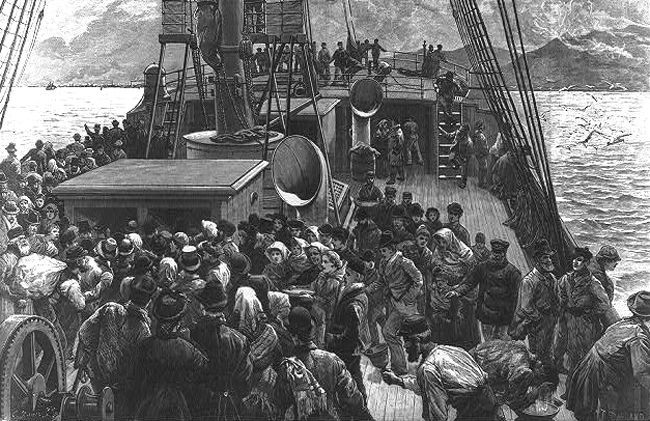
The origins of 19th century nativist groups in the United States can be traced back to a combination of social, economic, and political factors. During this period, the country experienced significant immigration, particularly from Ireland and Germany, which fueled tensions among native-born Americans. Many felt that these newcomers posed a threat to their jobs, cultural identity, and social stability.
One of the most notable nativist organizations was the Know-Nothing Party, officially known as the American Party. Founded in the 1840s, this group gained traction by promoting anti-immigrant sentiments and advocating for policies that favored native-born citizens. Their platform included a call for stricter immigration laws and a push for the exclusion of Catholics from public office, primarily targeting Irish immigrants.
- Economic Concerns: Native-born workers feared competition for jobs, especially during economic downturns.
- Cultural Identity: Many Americans believed that immigrants would dilute traditional American values and customs.
- Political Power: Nativist groups sought to limit the influence of immigrants in politics, fearing they would sway elections in favor of foreign interests.
In 1854, the Know-Nothing Party reached its peak, securing a significant number of seats in Congress. Their influence waned by the end of the decade, but the underlying sentiments remained. For example, during the 1856 presidential election, the party nominated Millard Fillmore, who focused on the themes of nativism and anti-Catholicism, which resonated with many voters at the time.
Another significant event linked to nativism was the massive Irish immigration following the Great Famine in the 1840s. As hundreds of thousands of Irish fled to the United States, they faced hostility from those who viewed them as a threat. This animosity laid the groundwork for organized nativist responses, which often escalated into violence, such as the anti-immigrant riots in various cities.
Overall, the 19th century nativist movements were shaped by a complex interplay of fear, economic uncertainty, and cultural preservation. These groups not only influenced the political landscape of their time but also set a precedent for future nativist sentiments in American history.
Key beliefs and goals of 19th century nativist movements
The 19th century nativist movements in the United States were characterized by a distinct set of beliefs and goals that aimed to promote the interests of native-born Americans over immigrants. These movements emerged in response to rapid immigration, particularly from Ireland and Germany, and were fueled by a variety of social anxieties.
- Anti-immigrant sentiment: Nativists believed that immigrants posed a threat to American culture and society. This sentiment was particularly strong against Irish Catholics, who were seen as incompatible with Protestant values.
- Preservation of American identity: Nativists sought to protect what they viewed as the “true” American identity, which they believed was being diluted by an influx of foreign influences.
- Economic competition: Many nativists feared that immigrants would take jobs away from native-born workers, driving down wages and increasing unemployment.
One of the key goals of these movements was to enact legislation that restricted immigration. This culminated in the formation of groups such as the American Party, also known as the Know-Nothing Party, in the 1850s. Their platform included the following:
- Opposition to immigration, particularly from Catholic countries.
- Support for laws that required immigrants to wait longer before they could become citizens.
- Advocacy for the exclusion of certain immigrant groups from government positions.
These beliefs were manifested in various social and political activities. For example, nativists organized rallies and campaigns to spread their message. In 1855, the Know-Nothing Party gained significant political traction, winning numerous seats in Congress and even controlling several state legislatures.
Despite their influence, nativist movements faced significant opposition from immigrant communities and their allies. This opposition often highlighted the contributions of immigrants to American society, emphasizing their roles in building infrastructure, contributing to the economy, and enriching cultural diversity.
The key beliefs and goals of 19th century nativist movements reflected a complex interplay of fear, cultural preservation, and economic anxiety, shaping the landscape of American society during this turbulent period.
Major nativist organizations in the 19th century
The 19th century saw the emergence of several significant nativist organizations in the United States, each with unique goals and strategies. These groups were primarily motivated by a desire to preserve American identity and culture in the face of increasing immigration.
One of the most notable organizations was the Know-Nothing Party, officially known as the American Party. Founded in the 1850s, it gained prominence by capitalizing on anti-Catholic sentiment and xenophobia. The party’s platform included strict immigration controls and the promotion of Protestant values, reflecting the fears of a predominantly Anglo-Saxon population concerned about the influx of Irish and German immigrants.
- Founded: 1854
- Key Focus: Anti-Catholicism and immigration restrictions
- Significant Achievement: Gained control of several state legislatures by 1855
Another important group was the Order of the Star-Spangled Banner, established in the early 1850s. This secret society aimed to promote American nationalism and often employed the slogan “America for Americans.” Members were known for their secrecy and rituals, echoing the sentiments of the Know-Nothing Party.
Additionally, the American Protective Association (APA), founded in 1887, emerged as a powerful nativist organization. The APA focused on opposing the influence of Catholics in public life and advocated for legislation to limit immigration. By the late 1890s, it boasted over 2 million members, highlighting the widespread support for nativist ideals during this era.
| Organization | Founded | Key Focus | Membership |
|---|---|---|---|
| Know-Nothing Party | 1854 | Anti-Catholicism | State legislatures in the 1850s |
| Order of the Star-Spangled Banner | 1850s | American nationalism | Unknown |
| American Protective Association | 1887 | Opposition to Catholic influence | 2 million by the late 1890s |
These organizations played a crucial role in shaping public opinion and policy regarding immigration during the 19th century. Their influence extended into the early 20th century, laying the groundwork for ongoing debates about American identity and immigration.
Impact of nativist groups on immigration policies
The impact of 19th century nativist groups on immigration policies in the United States was profound and multifaceted. These groups actively lobbied for legislation that restricted immigration, particularly targeting specific ethnic and religious groups. Their efforts were aimed at preserving the cultural and social fabric of the nation, as they perceived immigrants as threats to American values.
- Legislation Influenced: Nativist groups successfully influenced key pieces of legislation, including the Immigration Act of 1924, which established quotas based on national origin.
- Political Mobilization: They mobilized significant political support, leading to the formation of anti-immigrant political parties, such as the Know Nothing Party in the 1850s.
- Local Ordinances: Many local governments enacted ordinances that reflected nativist sentiments, often leading to the exclusion of certain immigrant groups from specific areas.
One notable example of nativist impact is the 1882 Chinese Exclusion Act. This landmark legislation was the first significant law to restrict immigration based on ethnicity, directly reflecting the anti-Chinese sentiment fueled by nativist groups. The Act prohibited Chinese laborers from entering the U.S. and was renewed multiple times, shaping immigration policy for decades.
Another significant effect was the rise of public sentiment against Irish immigrants in the 19th century. Nativist organizations, such as the American Protective Association, propagated the idea that Irish immigrants were politically unreliable and culturally incompatible. This resulted in increased discrimination and the implementation of policies that favored “native” Americans over Irish immigrants.
The actions and ideologies of nativist groups not only influenced public opinion but also led to tangible changes in U.S. immigration policy. By promoting exclusionary practices, they shaped a legal framework that would affect various immigrant groups for years to come.
Prominent figures associated with 19th century nativism
Several key individuals significantly influenced the nativist movements in the 19th century. Their actions and ideologies shaped the direction and intensity of nativist sentiments across the United States.
Lewis Tappan was a prominent abolitionist and a founding member of the American Anti-Slavery Society. However, his views on immigration were complex. Tappan believed that certain immigrant groups, particularly the Irish and Germans, were detrimental to American society. His writings and public speeches often reflected a fear that these groups would undermine American values.
- Samuel F.B. Morse: The inventor of the telegraph, Morse was also an outspoken critic of immigration. He published a pamphlet in 1835 titled “Foreign Conspiracy Against the Liberties of the United States,” which argued that immigrants were plotting to overthrow American democracy.
- George H. Evans: A labor leader and editor, Evans was a key figure in the formation of the Workingmen’s Party of the United States. He advocated for nativism as a means to protect American workers from competition posed by immigrant labor.
- Maria Monk: Author of “Awful Disclosures,” Monk claimed to have escaped from a convent where she alleged that nuns were subjected to immorality and oppression. Her sensationalist narrative fueled anti-Catholic sentiments among nativists.
The influence of these figures was evident through various campaigns and publications. For instance, the Know Nothing Party, which emerged in the 1850s, gained popularity by capitalizing on the fears propagated by these leaders. The party was characterized by its strict anti-immigrant and anti-Catholic stance, drawing significant support during elections.
In addition, the rhetoric employed by these prominent figures often highlighted the supposed threats posed by immigrants. For example, George H. Evans argued that the influx of immigrants was directly correlated with increased crime rates, leading to public panic and legislative action against immigration.
Overall, the actions and ideologies of these prominent nativist figures played a critical role in shaping the nativist movements of the 19th century, reflecting broader societal fears and tensions related to immigration.
Opposition and criticism of nativist movements
The nativist movements of the 19th century faced considerable opposition and criticism from various quarters. Many individuals and groups, including immigrants, labor organizations, and political leaders, argued against the nativist agenda. This resistance highlighted the complexities of American identity and the ongoing struggle between inclusion and exclusion.
Immigrant communities were among the most vocal opponents of nativism. They organized protests and formed alliances to counteract the negative stereotypes perpetuated by nativist groups. For instance, the Irish immigrants, who were often targets of nativist sentiment, established organizations like the Ancient Order of Hibernians to promote their rights and protect their communities. Their activism was crucial in challenging the discriminatory practices advocated by nativists.
- Labor unions also played a significant role in opposing nativist movements. They argued that nativism undermined the solidarity of workers across ethnic lines. Unions, such as the Knights of Labor, sought to unite workers of all backgrounds to improve labor conditions, emphasizing that the fight for workers’ rights transcended ethnic differences.
- Prominent political figures, including Abraham Lincoln, indirectly criticized nativist sentiments by advocating for a more inclusive vision of America. His approach promoted the idea that the nation should be a melting pot, where diverse backgrounds could contribute to the American fabric.
In addition to grassroots movements, intellectual critiques emerged as well. Scholars and journalists began to publish articles and books that examined the negative impact of nativism. Publications such as The Nation and Harper’s Weekly featured essays that argued against the irrational fears propagated by nativist groups, highlighting the contributions of immigrants to American society.
One notable critique came from the political commentator Frederick Douglass, an African American leader who emphasized the importance of unity among all marginalized groups. In his speeches, Douglass argued that the struggles faced by immigrants were interconnected with the fight for civil rights and equality for African Americans, thereby promoting a broader coalition against nativism.
The opposition to nativist movements was not without its challenges. Despite significant resistance, nativist ideologies continued to influence public opinion and policy throughout the 19th century, reflecting the ongoing tensions in American society regarding immigration and national identity.
Legacy of 19th century nativist groups in modern society
The legacy of 19th century nativist groups is still evident in contemporary society, influencing various aspects of immigration policy and cultural discourse. These historical movements laid the groundwork for ongoing debates regarding national identity and immigration reform.
Nativism has manifested in modern political landscapes, often resurfacing during periods of economic uncertainty or social change. For example, the rise of groups advocating for stricter immigration policies echoes sentiments from the past. The following points illustrate the enduring impact of these ideologies:
- Political Rhetoric: Modern politicians sometimes employ nativist language to garner support, particularly during election cycles. This rhetoric often focuses on preserving cultural identity.
- Legislative Actions: Recent laws aimed at limiting immigration can trace their roots back to 19th century nativist sentiments, reflecting a cyclical pattern in U.S. immigration policy.
- Public Sentiment: Surveys indicate that a significant portion of the American public holds nativist views, particularly concerning issues like border security and refugee admissions.
Key events and movements in recent history illustrate this legacy. The rise of the Tea Party in the late 2000s, for instance, highlighted a resurgence of nativist sentiments, particularly regarding immigration reform. In 2016, the presidential campaign of Donald Trump utilized nativist themes, advocating for policies reminiscent of earlier movements, such as the establishment of stricter immigration controls and a focus on American jobs.
Furthermore, organizations such as the Federation for American Immigration Reform (FAIR) have emerged, promoting policies that align closely with 19th century nativist ideologies. Their advocacy for reduced immigration levels and increased enforcement reflects a direct lineage from historical nativist groups.
As society continues to grapple with issues of immigration and cultural integration, the legacy of 19th century nativism remains a significant factor in shaping public discourse and policy. Understanding this legacy is crucial for addressing current challenges and fostering a more inclusive society.
How to solve crossword clues related to historical nativist groups
Solving crossword clues related to historical nativist groups can be both challenging and rewarding. Understanding the context and key figures involved in these movements is essential for deciphering clues accurately. Here are some strategies to enhance your crossword-solving skills.
- Familiarize yourself with key terms: Knowing specific vocabulary associated with nativism, such as “American Party,” “Know-Nothing,” and “immigration,” can provide valuable hints.
- Study prominent figures: Recognizing influential individuals, such as Samuel Morse and Lyman Beecher, can help you solve clues that reference their contributions.
- Explore nativist movements: Understanding the historical context of movements like the Know-Nothing Party and their opposition to immigration will offer insights into related clues.
Consider creating a list of important dates and events that shaped the nativist landscape. For instance, the rise of the Know-Nothing Party in the 1850s marked a significant moment in American history. This party aimed to limit the influence of immigrants, particularly Catholics, in politics. Such context can help you fill in blanks when clues reference specific years or events.
Another practical approach is to use crossword-solving websites and apps. These platforms often have forums where users discuss clues and share insights. Engaging with a community can provide new perspectives and solutions to particularly tough clues.
Example clues and answers:
| Clue | Answer |
|---|---|
| Anti-immigrant political party of the 1850s | Know-Nothing |
| Leader of the American Party | Samuel Morse |
| Opposition movement against Irish immigrants | Nativism |
Finally, practice makes perfect. Regularly tackling crosswords that feature historical themes will enhance your familiarity with nativist terminology and figures. This ongoing engagement will not only aid in solving current puzzles but also deepen your understanding of this significant aspect of American history.
Tips for researching 19th century nativist terminology in crosswords
Researching 19th century nativist terminology for crossword puzzles can enhance your understanding of the historical context and improve your puzzle-solving skills. Here are some effective strategies to consider:
- Utilize Online Resources: Websites such as JSTOR or Google Scholar provide access to academic articles on nativism. Search for terms like “nativist movements” or “19th century immigration” to find relevant literature.
- Consult Historical Dictionaries: Tools like the Oxford English Dictionary can help clarify specific terms and their historical usage. This is crucial for understanding the language of the period.
- Visit Local Libraries or Archives: Many libraries have dedicated sections for local history. Look for primary sources such as newspapers from the 1800s, which can offer insights into the language used by nativists.
Familiarizing yourself with key figures and events from the nativist movements can also aid your research. For example, understanding the role of the American Party, also known as the Know-Nothing Party, can provide context for various terms:
- American Party: Formed in the 1850s, this political group opposed immigration and Catholic influence.
- Immigrant Scare: Refers to the widespread fear of immigrants taking jobs and altering American culture during the 19th century.
- Anti-Catholic Sentiment: A common theme among nativists, stemming from fears that Catholic immigrants would undermine Protestant values.
Another effective method is to create a glossary of relevant terms. This can be an invaluable resource when encountering difficult clues. For instance:
| Term | Description |
|---|---|
| Nativism | The policy of protecting the interests of native-born or established inhabitants against those of immigrants. |
| Know-Nothings | A political movement that emerged in the 1850s, focused on restricting immigration. |
| Americanization | The process of assimilating immigrants into American culture. |
Finally, consider joining online forums or crossword-solving communities. Engaging with others can provide additional insights and strategies for tackling nativist-themed clues, making your research both collaborative and comprehensive.
Frequently Asked Questions
What are the main characteristics of 19th century nativist groups?
19th century nativist groups were primarily characterized by their strong opposition to immigration, particularly from non-Western countries. They often advocated for protective laws to preserve national identity and culture, reflecting a fear of cultural dilution and economic competition.
How did nativist sentiments manifest in society?
Nativist sentiments were evident through various means, including political campaigns, social movements, and restrictive immigration laws. These groups often utilized propaganda to influence public opinion, fostering a climate of discrimination against immigrant populations.
Why is understanding nativism important for crossword enthusiasts?
Understanding nativism enriches crossword solving by providing insight into historical terms and events. Familiarity with key terminology and significant figures helps solvers approach clues with a deeper context, making the puzzle-solving experience more rewarding and educational.
Where can I find resources on 19th century nativist groups?
Resources on 19th century nativist groups can be found in libraries, online databases, and educational websites. Recommended sources include historical journals, documentaries, and academic publications that focus on immigration history and societal impacts.
What strategies can help with identifying nativist clues in crosswords?
To identify nativist clues effectively, consider these strategies:
- Familiarize yourself with key historical figures and events.
- Use context clues from intersecting answers.
- Research common nativist terminology to enhance your vocabulary.
Conclusion
The exploration of 19th century nativist groups highlights their enduring influence on modern immigration policies, the strategies for deciphering related crossword clues, and effective research tips for historical terminology. These elements provide a comprehensive understanding of both the past and its relevance today. By applying these insights, readers can enhance their crossword-solving skills while deepening their knowledge of nativist history. This understanding fosters a more nuanced perspective on current immigration discussions and cultural dynamics. To further your engagement with this topic, consider diving into additional resources on 19th century nativism or joining online forums dedicated to historical discussions and crossword puzzles.