Have you ever wondered what shaped the United States during the transformative 19th century? This period was marked by profound changes in politics, culture, and society, leaving a lasting impact on the nation. Understanding this era can be daunting, yet essential for grasping modern America.
This article will guide you through the key themes and events of 19th century American history, highlighting influential figures and their contributions. You’ll discover valuable insights from top biographies and literature, offering a comprehensive understanding of the time.
We will explore an overview of 19th century American history, delve into significant literary themes, and recommend essential biographies of prominent Americans. Equip yourself with knowledge that enhances your perspective on this pivotal period.
Overview of 19th century American history
The 19th century was a pivotal period in American history, marked by significant social, political, and economic transformations. This era saw the rise of the United States as a continental power, influenced by events such as the Louisiana Purchase in 1803, which doubled the size of the nation. The expansion westward was driven by the ideology of Manifest Destiny, promoting the belief that Americans were destined to spread across the continent.
Throughout the century, the United States experienced profound changes, including the Industrial Revolution, which began in the early 1800s. This period introduced technological advancements such as the steam engine and telegraph, revolutionizing transportation and communication. By 1860, the U.S. had over 30,000 miles of railroad tracks, significantly impacting trade and migration patterns.
- Key Events of the 19th Century:
- War of 1812: A conflict with Britain that fostered American nationalism.
- Mexican-American War (1846-1848): Resulted in significant territorial gains for the U.S.
- Civil War (1861-1865): A brutal conflict primarily over slavery, leading to the emancipation of enslaved people.
- Reconstruction Era (1865-1877): A complex period focused on integrating formerly enslaved people into society.
Social movements also gained momentum during this century. The abolitionist movement sought to end slavery, led by figures such as Frederick Douglass and Harriet Tubman. The Seneca Falls Convention in 1848 marked the beginning of the women’s rights movement, emphasizing equality and suffrage. By the end of the century, these movements had laid the groundwork for future reform efforts.
Moreover, the 19th century saw a surge in immigration, particularly from Europe. Between 1820 and 1860, approximately 5 million immigrants arrived, transforming the cultural landscape of the nation. Cities like New York and Chicago became melting pots of diverse cultures and ideas, contributing to the dynamic nature of American identity.
Key themes in 19th century American literature
The 19th century American literature reflects the profound changes occurring in society, politics, and culture. Several key themes emerged during this period, each illustrating the complexities of the American experience.
- Romanticism: This movement emphasized individualism, emotion, and nature, contrasting with the rationalism of the Enlightenment. Authors like Walt Whitman and Emily Dickinson explored personal expression and the beauty of the American landscape.
- Realism: Emerging in response to Romanticism, Realism focused on depicting everyday life and social issues. Writers such as Mark Twain and Henry James portrayed ordinary characters and settings, highlighting the struggles of common people.
- Transcendentalism: This philosophical movement, associated with thinkers like Ralph Waldo Emerson and Henry David Thoreau, emphasized intuition and the inherent goodness of people and nature. It encouraged self-reliance and spiritual exploration.
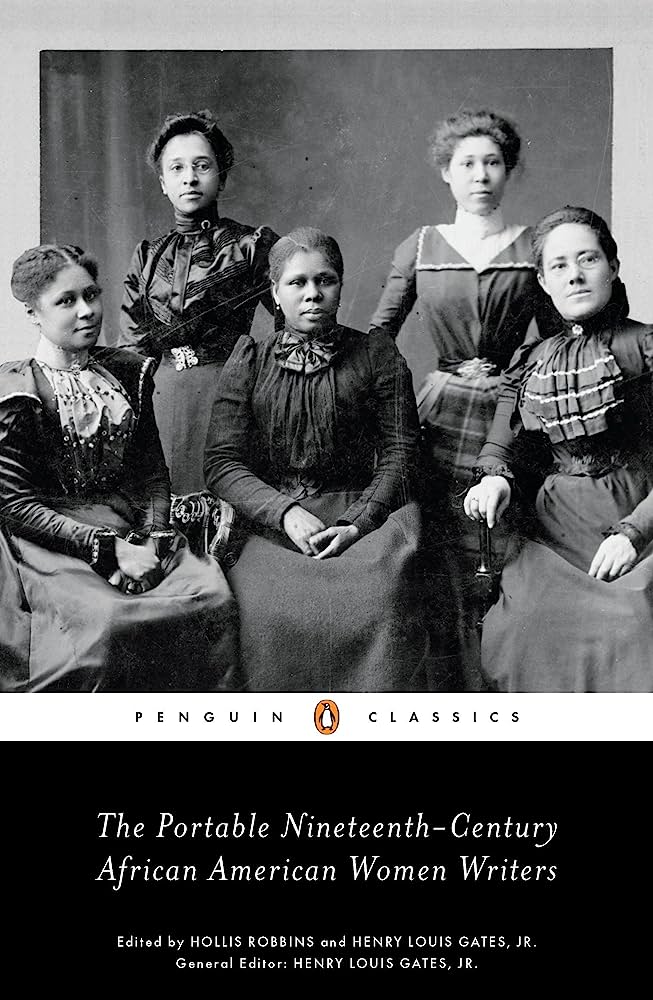
- Social Critique: Many authors used their work to address pressing social issues, including slavery, women’s rights, and class struggles. Harriet Beecher Stowe‘s novel Uncle Tom’s Cabin (1852) played a crucial role in shaping public opinion against slavery.
Throughout the century, literature served as a mirror to societal changes and conflicts. For instance, the Civil War significantly influenced writers’ perspectives. In the aftermath, authors like Stephen Crane depicted the brutal realities of war in works such as The Red Badge of Courage (1895).
Moreover, the theme of American identity emerged as writers grappled with what it meant to be American. This exploration often included the diversity of voices, including those of Native Americans and African Americans, as seen in works by authors like Frederick Douglass and Sitting Bull.
These key themes not only shaped the literary landscape but also contributed to the broader cultural and intellectual discourse of the time, making 19th century American literature a rich field for study and exploration.
Top biographies of influential 19th century Americans
The 19th century produced numerous influential figures whose lives and contributions shaped American society. Biographies of these individuals provide valuable insights into their achievements and the historical context in which they operated. Here are some of the most notable biographies from this era.
- “Lincoln” by David Herbert Donald – This biography presents a comprehensive look at President Abraham Lincoln’s life, examining his early years, political career, and his leadership during the Civil War. Published in 1995, it remains a definitive work on Lincoln’s impact on American history.
- “The Life of Frederick Douglass” by Frederick Douglass – Douglass’s own autobiography, published in 1845, details his journey from slavery to becoming a leading abolitionist and orator. It offers a powerful perspective on the struggles for freedom and equality.
- “The Rise of Theodore Roosevelt” by Edmund Morris – This Pulitzer Prize-winning biography focuses on Roosevelt’s early life and political ascent, highlighting his energetic personality and reformist agenda. Released in 1979, it is the first volume of a trilogy.
- “Mark Twain: A Life” by Ron Powers – This biography explores the life of Samuel Clemens, better known as Mark Twain, and his role in American literature. Published in 2005, it provides context for his writings and their reflection of 19th-century America.
In addition to these prominent figures, there are many other influential Americans worth exploring. Here are a few more notable biographies:
- “Harriet Tubman: The Road to Freedom” by Catherine Clinton – This biography sheds light on Tubman’s life as a conductor on the Underground Railroad and her work as a Civil War spy.
- “Susan B. Anthony: A Biography” by Kathleen Barry – This work details Anthony’s relentless fight for women’s rights and her role in the suffrage movement.
- “Walt Whitman: The Song of Himself” by Jerome Loving – This biography dives into Whitman’s life, revealing how his experiences influenced his revolutionary poetry.
These biographies not only celebrate the lives of these remarkable individuals but also reflect the broader social and political landscape of 19th century America. By understanding their stories, readers gain a deeper appreciation for the era and its lasting impact on contemporary society.
Books on the Civil War and its impact
The American Civil War (1861-1865) was a transformative conflict that not only shaped the nation’s future but also influenced literature, politics, and society. Numerous books provide in-depth analysis and narratives about the war’s causes, battles, and aftermath. Here are some notable titles that delve into the complexities of the Civil War and its profound impact on American history.
- Battle Cry of Freedom by James M. McPherson: This Pulitzer Prize-winning book offers a comprehensive overview of the Civil War, examining political and military aspects. McPherson details key battles and the social implications of the conflict, making it a crucial read for understanding the era.
- Team of Rivals by Doris Kearns Goodwin: This biography of Abraham Lincoln explores his leadership during the Civil War. Goodwin portrays Lincoln’s relationships with his cabinet members, highlighting how collaboration and conflict shaped his presidency.
- The Civil War: A Narrative by Shelby Foote: This three-volume series provides a detailed account of the Civil War. Foote’s storytelling captures the personal experiences of soldiers and civilians, offering a unique perspective on the war.
These books highlight various perspectives on the Civil War, from political strategies to personal stories. For a deeper understanding, consider the following thematic areas:
- Military Strategy: Books like The Killer Angels by Michael Shaara provide insight into key battles such as Gettysburg, focusing on the decisions made by commanders.
- Social Impact: Titles such as March by Geraldine Brooks examine the war’s effects on society, particularly through the lens of race and gender.
- Reconstruction: Works like Reconstruction: America’s Unfinished Revolution by Eric Foner discuss the challenges faced in rebuilding the nation after the war.
In addition to these thematic explorations, the Civil War has inspired countless novels, memoirs, and historical accounts. For example, the memoir Personal Memoirs of Ulysses S. Grant provides a firsthand account of military leadership during the war. Understanding these narratives enhances our grasp of the Civil War’s lasting legacy in American culture and identity.
Exploring westward expansion through literature
The westward expansion of the United States during the 19th century is a pivotal theme in American literature. This period, marked by the movement of settlers into the western territories, profoundly influenced the nation’s cultural and social landscape. Literature from this era often reflects the complex emotions surrounding this expansion, including adventure, conflict, and the quest for opportunity.
- Manifest Destiny: This belief that Americans were destined to expand across the continent is a recurring theme in 19th-century literature. Authors like John Steinbeck and Mark Twain captured the spirit of this ideology in their works.
- Native American Perspectives: Literature of this time often highlights the impact of westward expansion on indigenous populations. Authors such as Louise Erdrich and Sherman Alexie provide crucial insights into the experiences of Native Americans during this transformative period.
- Frontier Mythology: The idea of the rugged individualist became a prominent theme, celebrated in novels and stories. Works like “The Call of the Wild” by Jack London romanticize the challenges and triumphs faced by those who ventured into the unknown.
Statistics illustrate the magnitude of westward migration. By 1860, approximately 4 million settlers had moved westward, significantly altering the demographic landscape of the nation. This movement is reflected in the literature of the time, which often romanticizes the challenges and opportunities of the frontier.
Prominent literary works that explore westward expansion include:
- “Little House on the Prairie” by Laura Ingalls Wilder – This semi-autobiographical series captures the daily life and struggles of a pioneer family.
- “O Pioneers!” by Willa Cather – This novel portrays the life of immigrants and their connection to the land in Nebraska.
- “The Oregon Trail” by Francis Parkman – A firsthand account that provides valuable insights into the journey and experiences of travelers.
Through these literary works, readers gain a deeper understanding of the multifaceted nature of westward expansion, revealing both its allure and its consequences on the American landscape.
Economic transformations in 19th century America
The 19th century was a period of profound economic transformation in America, characterized by the shift from agrarian economies to industrial powerhouses. This transition was fueled by technological innovations, the expansion of the railroads, and a growing workforce, which collectively reshaped the American landscape.
One significant aspect of this transformation was the rise of the factory system. By the mid-1800s, cities like Lowell, Massachusetts became centers of textile manufacturing, employing thousands of young women in factories. This marked a shift in labor practices, where individuals moved from rural areas to urban centers in search of work.
- Technological Innovations: Inventions such as the cotton gin (1793) and the steam engine revolutionized production methods.
- Railroads Expansion: The construction of over 30,000 miles of railroad by 1860 connected markets and facilitated trade.
- Labor Movement: The emergence of labor unions in the 1830s sought to protect workers’ rights and improve conditions.
Moreover, the California Gold Rush of 1849 exemplified the economic opportunities that attracted people to the West. It triggered a massive influx of settlers, leading to the establishment of new towns and a booming economy centered around mining, agriculture, and trade. By 1850, California’s population exploded from 14,000 to over 200,000, highlighting the rapid economic growth driven by this migration.
The economic landscape also saw the rise of the banking system and financial institutions. The establishment of the Second Bank of the United States in 1816 helped stabilize the economy and facilitate commerce. By the 1860s, a network of banks had emerged, providing loans for businesses and investments, further fueling industrial growth.
The economic transformations of 19th century America were pivotal in shaping the nation. The combination of technological advancements, labor shifts, and new financial systems laid the groundwork for the modern American economy, driving growth and change that would have lasting impacts into the 20th century.
Social movements and reform in the 1800s
Throughout the 19th century, America witnessed a surge of social movements and reform efforts aimed at addressing various societal issues. These movements were driven by a desire for change and justice, impacting everything from labor rights to women’s suffrage.
Key movements during this period included:
- Women’s Rights Movement: The Seneca Falls Convention in 1848 marked a significant moment, where leaders like Elizabeth Cady Stanton and Lucretia Mott presented the Declaration of Sentiments, demanding equal rights for women.
- Abolitionist Movement: This movement sought to end slavery, with figures like Frederick Douglass and Harriet Tubman leading the cause. By 1863, the Emancipation Proclamation declared freedom for enslaved individuals in Confederate states.
- Labor Movement: As industrialization progressed, workers organized for better conditions. The National Labor Union was formed in 1866, advocating for an eight-hour workday and fair wages.
- Temperance Movement: Aimed at reducing alcohol consumption, this movement gained momentum in the 1820s, with groups such as the American Temperance Society formed in 1826.
The impact of these movements can be seen in various legislative changes and societal shifts. For instance, the 19th Amendment, ratified in 1920, granted women the right to vote, a direct result of decades of activism. Similarly, the abolition of slavery paved the way for the Civil Rights Movement in the 20th century.
In addition to these major movements, numerous reform societies emerged, focusing on issues such as education, healthcare, and prison reform. Notable organizations included:
- The American Anti-Slavery Society: Founded in 1833, it mobilized thousands of people to advocate for the end of slavery.
- The Massachusetts Society for Promoting the Abolition of Slavery: Established in 1789, it played a crucial role in the early abolitionist efforts.
- The National American Woman Suffrage Association (NAWSA): Formed in 1890, it united various women’s rights organizations and worked towards achieving voting rights.
These movements not only transformed American society but also set the stage for future reforms and social justice initiatives. The 19th century was a time of significant social upheaval that laid the groundwork for modern activism.
Recommended reading for understanding Reconstruction
The Reconstruction era, spanning from 1865 to 1877, was a complex and transformative period in American history. To gain a deeper understanding of this time, several key texts provide valuable insights into the political, social, and economic changes that occurred.
- “The Fiery Trial: Abraham Lincoln and American Slavery” by Eric Foner – This Pulitzer Prize-winning book examines Lincoln’s evolving views on slavery and his role during Reconstruction.
- “Reconstruction: America’s Unfinished Revolution, 1863-1877” by Eric Foner – Foner’s comprehensive analysis explores the challenges of rebuilding the nation and the fight for civil rights.
- “The Civil War Reconstruction: A History” by John E. Stauffer – This work focuses on the cultural shifts and the implications of Reconstruction policies.
- “Black Reconstruction in America” by W.E.B. Du Bois – Du Bois presents a compelling argument about the role of African Americans in shaping Reconstruction and the resistance they faced.
These texts not only illustrate the political turmoil of the era but also highlight the social dynamics at play. For instance, Du Bois’s work is particularly significant as it challenges mainstream narratives and emphasizes the contributions of black Americans during this period.
Additionally, the following table summarizes key themes and contributions of these recommended readings:
| Book Title | Author | Key Themes |
|---|---|---|
| The Fiery Trial | Eric Foner | Lincoln’s views on slavery, political evolution |
| Reconstruction: America’s Unfinished Revolution | Eric Foner | Civil rights struggles, political challenges |
| The Civil War Reconstruction | John E. Stauffer | Cultural shifts, societal implications |
| Black Reconstruction in America | W.E.B. Du Bois | Role of African Americans, resistance |
Lastly, understanding the Reconstruction era is crucial for comprehending the ongoing struggles for civil rights in the United States. Each of these works not only provides historical context but also encourages readers to reflect on the implications of these events in contemporary society.
How 19th century history shaped modern America
The legacy of the 19th century is evident in various aspects of modern American life. The challenges and triumphs of this period laid the groundwork for the nation’s current social, economic, and political landscape. Understanding these historical developments is essential for comprehending contemporary America.
One significant transformation was the emergence of industrialization, which fundamentally altered the American economy. By the late 1800s, industries such as textiles and steel had begun to dominate, creating urban centers and shifting population dynamics. For example, the construction of railroads expanded from approximately 30,000 miles in 1860 to over 200,000 miles by 1900, facilitating commerce and migration.
- Urbanization: Cities grew as factories attracted workers, leading to significant demographic changes.
- Labor movements: The rise of industrial labor prompted the formation of unions, advocating for workers’ rights and better conditions.
- Technological advancements: Innovations like the telegraph and steam engine revolutionized communication and transportation.
Social movements of the 19th century also played a crucial role in shaping modern America. The fight for women’s suffrage, abolition of slavery, and labor rights laid the foundation for ongoing social justice efforts. For instance, the Seneca Falls Convention in 1848 marked the beginning of the organized women’s rights movement, leading to the eventual passage of the 19th Amendment in 1920.
Moreover, the political landscape was significantly influenced by events such as the Civil War and Reconstruction. The conflict highlighted issues of race and equality, leading to constitutional amendments that aimed to secure civil rights for formerly enslaved individuals. The 13th, 14th, and 15th Amendments were pivotal in establishing a legal framework for civil liberties, though the struggle for equality would continue for generations.
The 19th century was a critical formative period for America. The economic, social, and political transformations initiated during this time continue to resonate today, influencing ongoing discussions about equality, rights, and national identity.
Frequently Asked Questions
What are the key social movements of the 19th century?
The 19th century was marked by several significant social movements, including abolitionism, women’s suffrage, and labor rights. These movements aimed to address injustices and advocate for social reforms that shaped American society.
Which books are best for understanding Reconstruction?
To understand the Reconstruction era, consider reading “Battle Cry of Freedom” by James M. McPherson or “Reconstruction: America’s Unfinished Revolution” by Eric Foner. These books provide in-depth insights into the challenges and achievements during this transformative period.
How did 19th-century history influence modern politics?
The political landscape of modern America is profoundly influenced by 19th-century events, such as the Civil War and the women’s rights movement. These historical occurrences laid the foundation for ongoing political debates and social justice efforts today.
Are there any biographies of key figures from the 19th century?
Yes, notable biographies include “Lincoln” by David Herbert Donald and “The Life of Susan B. Anthony” by Ida Husted Harper. These works provide valuable perspectives on the lives of influential figures who shaped American history during this era.
Where can I find primary sources on 19th-century America?
Primary sources can be found in libraries, archives, and online databases. Websites like American Memory and the Library of Congress offer digitized collections of letters, speeches, and documents from the 19th century, providing a firsthand view of historical events.
Conclusion
The 19th century was marked by significant social movements that sought reform, a pivotal Reconstruction era that reshaped the nation, and a lasting impact on modern American society. Understanding these elements provides crucial insights into contemporary issues and cultural dynamics. By engaging with these recommended readings, you can deepen your appreciation for American history and its influence on current events. This knowledge will empower you to engage in informed discussions and contribute to ongoing societal conversations. Take the next step by exploring these books and enriching your understanding of 19th century American history. Start your journey today!