The 19th century marked a pivotal period in the evolution of management, driven by the surge of industrialization. As factories proliferated, traditional management practices struggled to keep pace, raising critical questions about efficiency and organization. How did these challenges reshape management theory and practice?
This article delves into the transformative changes in management during the 1800s, highlighting the contributions of key theorists and the emergence of new organizational structures. Understanding these developments is essential for grasping the foundations of modern management.
We will explore the rise of industrialization, key figures who shaped management thought, and the evolution of organizational frameworks that laid the groundwork for contemporary practices.
The rise of industrialization and its impact on management
The 19th century marked a pivotal moment in history with the rise of industrialization, fundamentally transforming how businesses operated. This era witnessed a shift from agrarian economies to manufacturing-based systems, leading to an increased need for effective management practices.
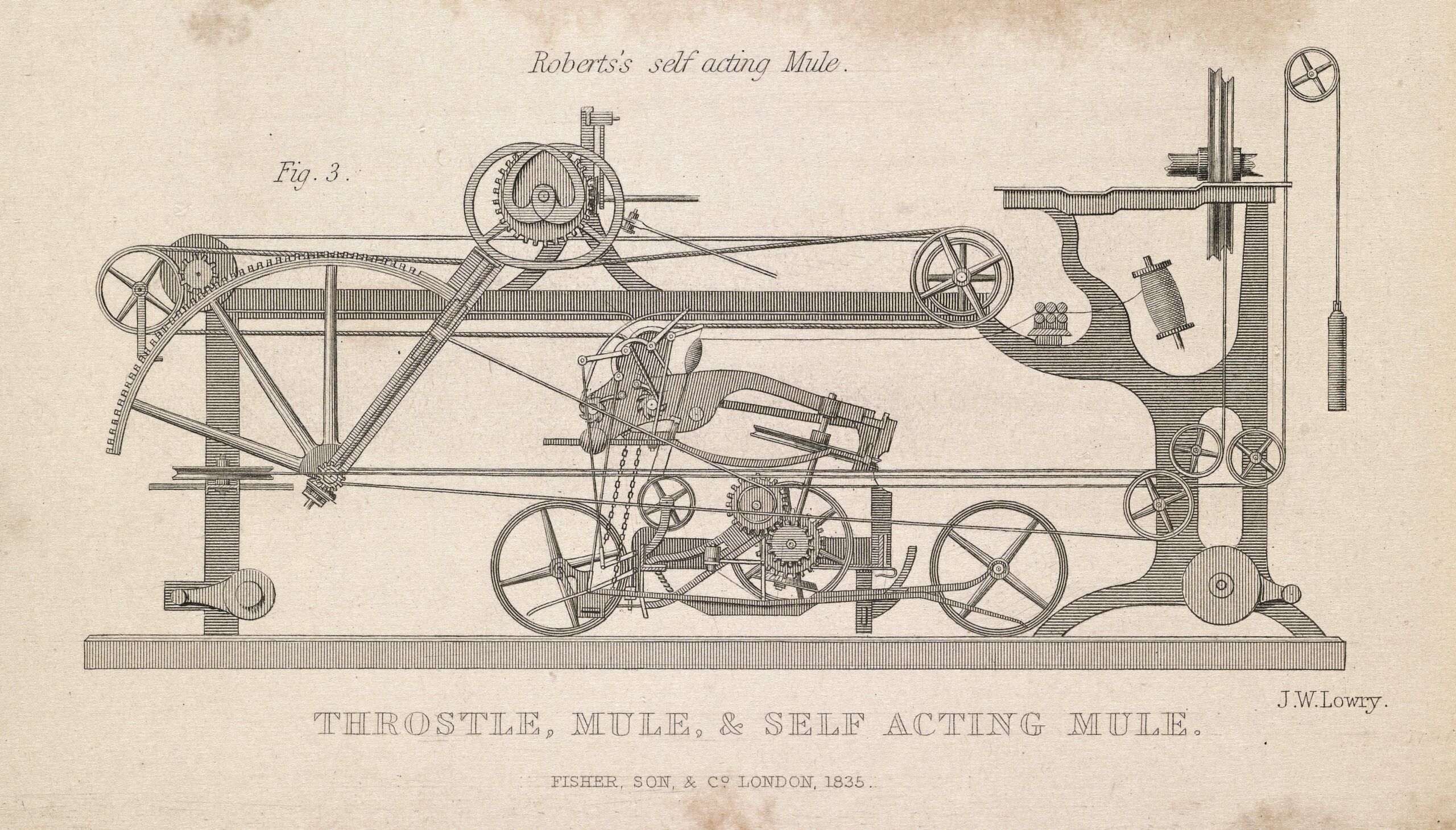
As factories emerged, the demand for labor surged. For instance, the textile industry in England saw a dramatic increase in production, with mills employing thousands of workers. By 1851, the population of Manchester had grown to over 300,000, primarily due to job opportunities in these factories.
- Standardization of processes: Industries began to adopt standardized production methods to enhance efficiency.
- Specialization of labor: Workers were assigned specific tasks, leading to increased productivity.
- Hierarchy in management: Organizational structures became more defined, with clear roles and responsibilities.
One notable example is the assembly line introduced by Henry Ford in the early 20th century, which revolutionized automobile manufacturing. Although this occurred slightly after the 19th century, the groundwork laid during the industrial revolution made such innovations possible. Ford’s assembly line reduced the production time of a car from over 12 hours to just 90 minutes, showcasing the benefits of improved management practices.
Moreover, the introduction of new technologies, such as the steam engine, facilitated faster production and transportation. This not only increased output but also required managers to adopt new strategies to cope with the rapid changes in the market. Effective management became crucial in navigating the complexities of supply chains and labor relations that arose during this period.
The rise of industrialization also led to the establishment of management theories. Pioneers like Frederick Taylor began to advocate for scientific management principles, emphasizing efficiency and productivity. Taylor’s work laid the foundation for modern management practices, influencing how organizations operate even today.
Key figures in 19th century management theory
The 19th century saw the emergence of several key figures whose theories and practices significantly influenced modern management. These individuals laid the groundwork for managerial thought, focusing on efficiency, productivity, and organizational structure.
- Frederick Winslow Taylor: Known as the father of scientific management, Taylor introduced methods to improve industrial efficiency. His principles, published in “The Principles of Scientific Management” (1911), emphasized time studies and work specialization, which aimed to increase worker productivity by optimizing tasks.
- Henri Fayol: A pioneer in administrative theory, Fayol developed a comprehensive framework for management functions. His 14 principles of management outlined essential managerial responsibilities, such as forecasting, planning, organizing, commanding, coordinating, and controlling. Fayol’s work, particularly “Administration Industrielle et Générale” (1916), remains influential in management education.
- Max Weber: Weber’s contributions to management theory include his concept of bureaucracy. He argued that organizations should be structured hierarchically, with clear rules and procedures. His ideas on rational-legal authority and the need for a formal organizational structure are still relevant in modern management practices.
These theorists introduced innovative ideas that shaped management practices. For instance, Taylor’s time-motion studies led to the development of assembly lines in factories, increasing production rates significantly. By the early 20th century, organizations employing his methods reported productivity increases of up to 200%.
Moreover, Fayol’s principles provided a comprehensive approach to organizational management, influencing future management theorists and practitioners. His emphasis on planning and coordination is now integral to strategic management processes. Weber’s emphasis on bureaucratic structures also paved the way for modern organizational theory, establishing guidelines for effective governance and administration.
The impact of these figures extended beyond their lifetime, as their theories are still taught in business schools today. Understanding their contributions is crucial for grasping the evolution of management thought and its practical applications in contemporary organizations.
The evolution of organizational structures during the 1800s
The 19th century was a significant period for the evolution of organizational structures, driven primarily by the demands of industrialization. As businesses expanded, the complexity of operations necessitated new frameworks for management. Traditional hierarchical models began to emerge, reflecting a shift towards more systematic approaches.
During this time, companies transitioned from simple structures to more formalized organizational designs. The introduction of specialized roles was crucial, allowing for increased efficiency. For instance, factories began to hire specific personnel for tasks such as production, quality control, and logistics. This specialization enabled organizations to optimize their processes and improve productivity.
- Functional Structure: This model categorized employees based on their specialized functions, such as marketing, finance, and production.
- Divisional Structure: Organizations started to create divisions based on products or geographical areas, allowing for more focused management.
- Matrix Structure: This innovative approach combined functional and divisional structures, promoting collaboration across various departments.
A notable example of this evolution can be seen in the establishment of the Ford Motor Company in 1903. Henry Ford implemented a functional structure that streamlined production processes, leading to the introduction of the assembly line in 1913. This innovation revolutionized manufacturing and set a precedent for future organizational structures.
As the century progressed, the need for more dynamic organizational frameworks became evident. Companies began to recognize the importance of adaptability in response to market changes. The rise of managerial roles, such as supervisors and department heads, became critical in navigating these complexities.
| Organizational Structure | Characteristics | Advantages |
|---|---|---|
| Functional Structure | Employees grouped by function | Specialization leads to efficiency |
| Divisional Structure | Divisions based on products or regions | Focused management and accountability |
| Matrix Structure | Combines functional and divisional | Enhanced collaboration and flexibility |
The evolution of organizational structures during the 1800s laid the groundwork for modern management practices. The shift towards specialization and formalization within organizations not only increased efficiency but also set the stage for future innovations in management theory.
Technological advancements shaping management practices
The 19th century witnessed remarkable technological advancements that profoundly influenced management practices across various industries. Innovations such as the steam engine, telegraph, and mechanized production methods not only increased productivity but also necessitated a reevaluation of management strategies.
One significant advancement was the introduction of the steam engine, which revolutionized transportation and manufacturing. By the 1820s, steam-powered locomotives were becoming common, allowing goods to be transported faster and more efficiently. This shift required managers to rethink supply chain logistics and inventory management.
- Steam Engine: Enhanced manufacturing processes, leading to higher output.
- Telegraph: Improved communication, enabling real-time decision-making.
- Factory System: Centralized production facilitated better supervision and resource allocation.
The telegraph, introduced in the 1830s, transformed communication within businesses. Managers could now send messages across vast distances almost instantaneously. This capability allowed for quick adjustments in operations, improving responsiveness to market changes. For instance, railway companies utilized the telegraph to coordinate schedules and manage freight operations more effectively.
Moreover, the rise of the factory system marked a critical shift in organizational practices. Factories centralized production, which enabled managers to implement standardized processes and improve worker supervision. By the late 1800s, companies like Ford Motor Company began to adopt assembly line techniques, further enhancing productivity.
These technological advancements also had implications for workforce management. The need for skilled labor grew, prompting managers to invest in training programs. For example, the establishment of technical schools in the latter half of the century aimed to equip workers with the necessary skills for increasingly complex machinery.
The technological advancements of the 19th century were instrumental in shaping modern management practices. They not only increased efficiency but also required managers to develop new strategies for communication, production, and workforce management, laying the groundwork for contemporary management theories.
The role of labor movements in changing management approaches
The rise of labor movements in the 19th century significantly transformed management approaches across various industries. As workers organized to demand better wages, working conditions, and hours, management had to adapt to these new realities. This shift led to the development of more structured management practices aimed at addressing worker concerns.
One of the most notable labor movements was the formation of the National Labor Union in 1866, which advocated for the eight-hour workday. This movement highlighted the need for management to prioritize worker welfare, prompting many companies to reassess their policies and practices.
- Improved labor conditions: As a response to labor unrest, many organizations began implementing safety regulations and fair labor practices.
- Collective bargaining: Labor movements introduced the concept of negotiating contracts between employers and employees, establishing a formalized approach to discussions.
- Unionization: The establishment of labor unions provided workers with a collective voice, forcing management to engage with their demands seriously.
In the latter half of the century, strikes became a common method for workers to express dissatisfaction. For instance, the Great Railroad Strike of 1877 involved approximately 100,000 workers across several states and showcased the power of organized labor. This event highlighted the urgent need for management to develop strategies that could mitigate labor disputes.
As labor movements gained momentum, companies began to adopt more humane management techniques. For example, the introduction of profit-sharing plans and employee welfare programs became more prevalent as businesses recognized that investing in their workforce could lead to enhanced productivity and loyalty.
Moreover, by the end of the 19th century, many organizations started to implement personnel departments dedicated to addressing labor relations. These departments aimed to foster better communication between management and employees, illustrating a significant shift from autocratic management styles to more participatory approaches.
Overall, the influence of labor movements in the 19th century was profound, prompting a reevaluation of management practices that emphasized collaboration and worker well-being, ultimately laying the groundwork for modern management theories.
Early management techniques and their effectiveness
The early management techniques of the 19th century laid the groundwork for modern organizational practices. These techniques were primarily focused on efficiency and productivity, driven by the rapid industrialization of the time. One notable approach was the use of scientific management principles, introduced by pioneers like Frederick Winslow Taylor.
Taylor’s methods, often referred to as “Taylorism,” emphasized the need for systematic studies of work tasks. Through time and motion studies, he aimed to identify the most efficient ways to perform specific jobs. For instance, Taylor’s work at the Midvale Steel Company in the 1880s resulted in productivity increases of up to 200% by optimizing workflows.
- Time Studies: These involved measuring the time taken to complete tasks, leading to the identification of the most efficient methods.
- Standardization of Tools: Implementing standardized tools and procedures helped minimize variability in performance.
- Work Specialization: Assigning specific tasks to workers increased their skill level and efficiency.
Another significant technique was the implementation of hierarchical structures, which became prevalent in large organizations. This approach enabled clear lines of authority, delegation of responsibilities, and improved communication. For example, in factories, workers were organized into teams, each supervised by a foreman, who reported to higher management. This structure helped streamline operations and facilitated accountability.
Case studies from the 19th century illustrate the effectiveness of these techniques. The Ford Motor Company, although founded in the early 20th century, drew heavily from principles established in the previous century. Henry Ford’s assembly line production methods were influenced by the scientific management techniques of Taylor and his contemporaries. This innovation reduced production time from over 12 hours to just 2.5 hours per vehicle, revolutionizing the automotive industry.
However, while these early management techniques brought about significant improvements in productivity, they also faced criticism. Many workers felt dehumanized by the repetitive nature of their tasks, leading to increased labor unrest. Thus, while early management techniques were effective in enhancing productivity, they also highlighted the need for a balance between efficiency and worker satisfaction.
Comparing European and American management styles in the 19th century
The 19th century was a pivotal time for management styles in both Europe and America, with each region developing unique approaches influenced by their respective economic, cultural, and social contexts. While both sought efficiency and productivity, their methodologies varied significantly.
- European Management Style: Predominantly hierarchical, European management emphasized strict organizational structures. Managers held significant authority, and decision-making was centralized.
- American Management Style: More egalitarian in nature, American management embraced a participative approach. The focus was on employee involvement, with an emphasis on teamwork and innovation.
One notable difference was in the approach to labor. In Europe, management often viewed labor as a cost to minimize. In contrast, American managers recognized the value of human capital, investing in training and development to enhance productivity.
For instance, in the late 1800s, the American Steel industry implemented profit-sharing plans that incentivized workers, leading to increased output. This was in stark contrast to European factories, where labor unions were often seen as threats to efficiency and profitability.
- Key Characteristics of European Management:
- Rigid hierarchy with clearly defined roles
- Centralized decision-making processes
- Focus on control and discipline
- Key Characteristics of American Management:
- Flexible organizational structures
- Decentralized decision-making, encouraging initiative
- Focus on motivation and employee satisfaction
In terms of leadership styles, European managers tended to adopt a more authoritative approach, often relying on formal authority to enforce compliance. Conversely, American managers frequently employed a transformational leadership style, aiming to inspire and motivate employees through shared vision and values.
Overall, the 19th century saw the emergence of distinctive management styles that would lay the groundwork for modern practices, with European methods leaning towards structure and control, while American approaches emphasized flexibility and employee engagement.
The legacy of 19th century management on modern business practices
The management practices established in the 19th century left an indelible mark on contemporary business operations. The emphasis on structured hierarchies and formalized processes paved the way for modern organizational frameworks. For instance, the introduction of scientific management principles by Frederick Winslow Taylor in the early 1900s built upon earlier 19th-century practices.
One significant aspect of this legacy is the focus on efficiency and productivity. Many businesses today employ techniques that originated in the 19th century, such as time and motion studies. These studies analyze workflows to identify the most efficient methods of operation. A prime example is the assembly line technique popularized by Henry Ford in the early 20th century, which streamlined production processes and dramatically increased output.
- Standardization: Implementing standardized procedures to ensure consistent quality.
- Specialization: Dividing tasks among workers to enhance productivity.
- Training Programs: Establishing training protocols to equip employees with necessary skills.
Moreover, the 19th century saw the beginnings of management as a profession. Institutions began to offer formal training in management practices, leading to the establishment of business schools. Today, programs in organizational management and business administration owe their origins to these early educational initiatives.
| 19th Century Practice | Modern Equivalent |
|---|---|
| Scientific Management | Data-Driven Decision Making |
| Hierarchical Structures | Matrix Organizations |
| Labor Specialization | Cross-Functional Teams |
Finally, the principles of leadership that emerged during this period continue to influence modern management. Concepts such as transformational leadership, which encourages employee engagement and innovation, can trace their roots back to early management theories. The legacy of 19th-century management is not merely historical; it actively shapes the way businesses operate today.
Challenges faced by managers during the industrial revolution
The Industrial Revolution brought significant changes to businesses, presenting managers with various challenges that required innovative solutions. One of the primary challenges was the rapid technological advancement. Managers had to adapt to new machinery and production techniques, which often necessitated extensive training for workers. For example, the introduction of the steam engine in the early 19th century revolutionized manufacturing processes but also created a steep learning curve.
Another key challenge was managing a growing workforce. As factories expanded, they attracted large numbers of workers, many of whom were unskilled or came from rural areas. This influx created difficulties in establishing effective communication and maintaining productivity standards. Managers often needed to implement new systems for training and development, which were not yet fully established.
- Labor Relations: Navigating the complexities of labor relations became crucial. Strikes and protests were common as workers demanded better conditions and pay.
- Health and Safety: The lack of regulations led to hazardous working environments, prompting managers to find ways to improve safety measures.
- Resource Management: Efficiently managing resources and inventory was vital to meet rising demands while minimizing waste.
Managers also faced the challenge of maintaining quality control amidst increased production rates. The emphasis on quantity often compromised quality, leading to customer dissatisfaction. For instance, textile manufacturers had to ensure that their products met the expectations of both local and international markets, a task that was increasingly complex.
In addition, the rise of urbanization meant that managers had to deal with the social implications of their operations. The migration of workers to cities created overcrowding and social unrest. Managers were often expected to address these issues, sometimes through community engagement or by improving working conditions.
Overall, the challenges faced by managers during the Industrial Revolution were multifaceted, requiring a blend of strategic planning, adaptability, and leadership skills to navigate a rapidly changing business landscape.
Frequently Asked Questions
What were the key differences between European and American management styles in the 19th century?
The key differences included hierarchical structures in Europe versus a more decentralized approach in America. European managers emphasized strict control and formal procedures, while American managers often favored flexibility and innovation, adapting quickly to changes in the marketplace.
How did the Industrial Revolution impact management practices?
The Industrial Revolution drastically changed management practices by introducing new technologies and increasing production scales. Managers faced challenges such as labor relations, coordination of large workforces, and the need for efficient resource management, which shaped modern management approaches.
What is the legacy of 19th century management on today’s businesses?
The legacy includes the establishment of formal management structures and practices that prioritize efficiency and productivity. Many contemporary business models still reflect the foundational concepts developed during this period, influencing organizational behavior and management strategies.
What challenges did managers face during the 19th century?
Managers encountered several challenges, including workforce management, adapting to rapid industrial changes, and maintaining productivity. They had to motivate workers, implement new technologies, and navigate the evolving economic landscape, which required innovative solutions and strategic thinking.
Where can I find resources on 19th century management theories?
Resources on 19th century management theories can be found in academic journals, historical business texts, and online databases. Libraries and educational institutions often provide access to archives and case studies that explore management evolution during this pivotal era.
Conclusion
The 19th century witnessed the evolution of distinctive management styles in Europe and America, shaped by the Industrial Revolution. These practices established a foundation for modern business operations, emphasizing efficiency, innovation, and the need for effective leadership to navigate challenges. By understanding these historical management styles, readers can enhance their leadership skills and adopt proven strategies that promote organizational success. Embracing these lessons can lead to improved decision-making and operational effectiveness in today’s dynamic business environment. Take the next step by researching how these management principles can be applied within your organization to foster growth and adaptability.