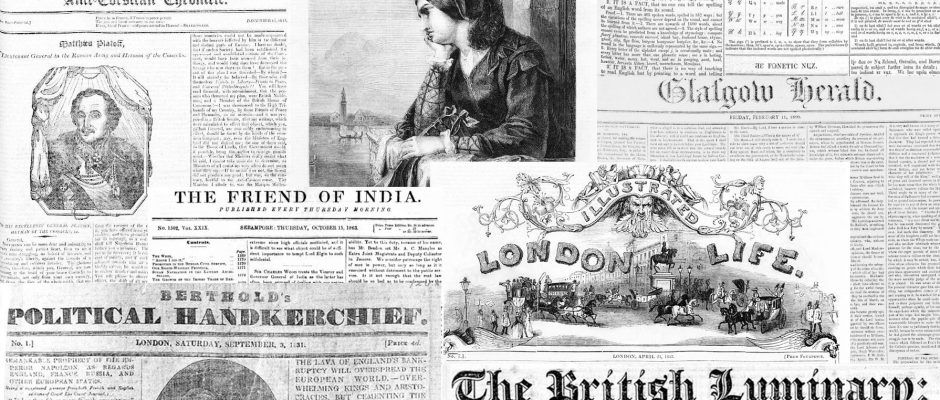
Have you ever wondered how the 19th century revolutionized the world we live in today? The era was marked by profound changes that reshaped societal structures and everyday life, yet many people remain unaware of the significant advancements that took place during this transformative period.
This article will explore key elements of the Industrial Revolution and its impact on society, major scientific discoveries, and advancements in transportation and communication. Understanding these developments is essential for grasping how they laid the groundwork for modern innovations and societal progress.
We will delve into the intricacies of industrialization, groundbreaking scientific breakthroughs, and the evolution of communication methods that defined the 19th century. Join us on this enlightening journey through history.
Industrial revolution and its impact on society
The Industrial Revolution marked a significant turning point in history, initiating a profound transformation in society during the 19th century. This period saw the transition from agrarian economies to industrialized and urbanized societies, particularly in Europe and North America.
One of the most notable impacts was the rise of factories, which drastically changed the labor landscape. In Britain, for instance, the establishment of textile mills such as the Arkwright’s Cromford Mill in 1771 showcased the shift towards mass production. This mill alone employed hundreds of workers, illustrating how factories became the heart of industrial activity.
- Urbanization: The migration of people from rural areas to cities for factory work led to rapid urban growth. Cities like Manchester grew from a population of 25,000 in 1801 to over 300,000 by 1851.
- Labor Conditions: While the revolution created jobs, it also resulted in harsh working conditions. Workers often faced long hours, low wages, and unsafe environments.
- Technological Innovations: Innovations such as the steam engine, invented by James Watt, revolutionized transportation and manufacturing, further fueling industrial growth.
Moreover, the Industrial Revolution had a profound social impact. The emergence of a new social class, the industrial bourgeoisie, shifted the balance of power. This class was composed of factory owners and entrepreneurs who gained wealth and influence, challenging the traditional aristocracy.
In the realm of education and social reform, figures such as Robert Owen advocated for better conditions for workers and promoted the idea of cooperative societies. His initiatives in New Lanark, Scotland, aimed to improve workers’ lives through education and better living conditions.
The Industrial Revolution was a complex phenomenon that reshaped society in numerous ways. It not only transformed economies but also laid the groundwork for modern social structures and labor rights movements, which continue to resonate today.
Major scientific discoveries of the 19th century
The 19th century was a remarkable period for scientific advancement, leading to discoveries that drastically changed the understanding of the natural world. From breakthroughs in biology to advancements in physics, these discoveries laid the groundwork for modern science.
One of the most significant scientific breakthroughs was Charles Darwin’s theory of evolution, proposed in his seminal work, “On the Origin of Species,” published in 1859. Darwin’s theory introduced the concept of natural selection, fundamentally altering how humanity perceives its place in the natural world.
- Electromagnetism: In 1864, James Clerk Maxwell formulated a set of equations that unified electricity, magnetism, and light, leading to the development of technologies such as radio and television.
- Germ Theory: Louis Pasteur and Robert Koch established the germ theory of disease, which revolutionized medicine and sanitation. Pasteur’s work on pasteurization in the 1860s improved food safety.
- Periodic Table: Dmitri Mendeleev created the first widely recognized periodic table in 1869, organizing elements by their atomic weights and predicting the properties of undiscovered elements.
Another crucial advancement was the development of the germ theory of disease. In the late 19th century, Louis Pasteur and Robert Koch identified specific microorganisms as the causes of various diseases. This discovery led to improved hygiene practices, vaccinations, and a better understanding of disease prevention.
Additionally, the field of physics saw great advancements through the work of scientists like Michael Faraday, who discovered electromagnetic induction in 1831. His discoveries enabled the creation of electric generators and transformers, which became essential for industrial and domestic electricity use.
These discoveries not only transformed scientific disciplines but also had profound social implications. They fostered a spirit of inquiry and innovation that would lead to further advancements in the 20th century and beyond, shaping modern society as we know it today.
Advancements in transportation and communication
The 19th century witnessed unprecedented advancements in transportation and communication, fundamentally altering the dynamics of society. The introduction of the steam engine revolutionized travel, paving the way for faster and more efficient methods of transportation. Railways emerged as a dominant force, connecting cities and facilitating the movement of goods and people.
The first full-scale working railway steam locomotive, the Locomotion No. 1, was introduced in 1825 by George Stephenson. This innovation marked the beginning of the railway age, leading to the establishment of extensive rail networks across Europe and North America. By 1850, there were approximately 6,000 miles of railway in the United Kingdom alone, significantly enhancing trade and commerce.
- Steamships: Advancements in steamship technology allowed for faster maritime transport, reducing travel time across oceans. The Great Eastern, launched in 1858, was one of the largest ships of its time, capable of carrying thousands of passengers and cargo.
- Telegraph: The invention of the electric telegraph by Samuel Morse in the 1830s transformed communication. Messages that once took days to deliver could now be sent instantly over long distances.
- Transatlantic Cable: In 1866, the completion of the first transatlantic telegraph cable connected North America and Europe, facilitating immediate communication across the Atlantic.
These advancements not only improved transportation but also significantly impacted global trade. The establishment of railroads and steamships reduced shipping costs and times, allowing for the faster exchange of goods and ideas. For instance, the importation of raw materials became more efficient, fueling industrial growth.
Moreover, the expansion of communication technologies enabled the dissemination of information at an unprecedented pace. Newspapers and publications flourished, as news could be transmitted rapidly. This shift played a crucial role in shaping public opinion and promoting social movements during the century.
The rise of modern medicine and public health
The 19th century marked a pivotal era in the evolution of modern medicine and public health, characterized by groundbreaking discoveries and the establishment of more systematic approaches to healthcare. One of the most significant developments was the acceptance of the germ theory of disease, proposed by scientists such as Louis Pasteur and Robert Koch. Their work laid the foundation for understanding infections and hygiene.
In the mid-1800s, John Snow made notable strides in public health by mapping cholera outbreaks in London. His investigation revealed that contaminated water was the source of the disease, leading to improvements in water supply and sanitation. This was a crucial turning point in understanding the importance of clean water in preventing disease.
- 1847: Ignaz Semmelweis introduced handwashing in hospitals to reduce maternal mortality rates.
- 1867: Joseph Lister promoted antiseptic surgical techniques, significantly decreasing post-operative infections.
- 1882: Robert Koch identified the bacterium causing tuberculosis, paving the way for its treatment and prevention.
These advancements were complemented by the establishment of public health institutions, such as the Public Health Act of 1848 in England. This act was a response to the poor living conditions in urban areas and aimed to improve sanitation and healthcare access for the growing population. The act led to the formation of local health boards, which played a crucial role in disease prevention.
Moreover, the 19th century saw the introduction of vaccination programs. Edward Jenner’s smallpox vaccine, developed in 1796, gained momentum throughout the century, leading to widespread immunization efforts. By the end of the century, smallpox was on the brink of eradication in many parts of the world.
The rise of modern medicine and public health in the 19th century laid the groundwork for contemporary healthcare practices. The combination of scientific discoveries, improved hygiene, and public health initiatives significantly enhanced life expectancy and quality of life during this transformative period.
Innovations in agriculture and food production
The 19th century was a transformative period for agriculture and food production, driven by a series of innovative practices and technologies. These advancements not only increased efficiency but also significantly boosted crop yields, ensuring food security for growing populations.
One of the most notable innovations was the introduction of the mechanical reaper, invented by Cyrus McCormick in 1831. This machine revolutionized the harvesting process, allowing farmers to harvest crops much faster than manual methods. By the end of the century, the mechanical reaper had increased wheat production significantly, with reports indicating a 50% rise in efficiency.
- Crop Rotation: This farming practice became widely adopted during the 19th century, promoting soil fertility and reducing fallow periods.
- Selective Breeding: Farmers began to understand the genetics of crops and livestock, leading to the development of more resilient and productive strains.
- The Seed Drill: Developed by Jethro Tull in the early 18th century but perfected in the 19th century, this device allowed for more efficient planting of seeds.
Additionally, the introduction of fertilizers played a crucial role in enhancing agricultural productivity. The use of chemical fertilizers increased dramatically during this period, with nitrogen-based fertilizers becoming more common. This led to a notable increase in crop yields, contributing to a surge in food production.
For instance, in Great Britain, cereal production rose from approximately 7 million tons in 1800 to over 14 million tons by 1900. This doubling of production was essential to support the rapidly growing urban populations during the Industrial Revolution.
Moreover, advancements in transportation, such as the expansion of railroads, facilitated the movement of agricultural products from rural areas to urban centers. This not only improved access to food but also allowed farmers to reach broader markets, increasing their profitability.
The 19th century saw significant innovations in agriculture and food production that laid the groundwork for modern farming practices. These changes were crucial in addressing the demands of a burgeoning population while improving the overall efficiency of food production systems.
Cultural and artistic movements influencing technology
The 19th century was a period of profound cultural and artistic movements that significantly influenced technological advancements. The Romantic movement, for example, emphasized emotion and individualism, which inspired inventors and artists alike to push the boundaries of creativity. This cultural shift led to innovations in various fields, intertwining art and technology.
One notable example is the Industrial Revolution, which was not only a technological revolution but also a cultural one. The rise of factories and mechanization prompted a new appreciation for efficiency and productivity. Artists like William Morris, a key figure in the Arts and Crafts Movement, reacted against industrialization by advocating for handmade craftsmanship, emphasizing the importance of aesthetics in functional objects.
- Romanticism>: Encouraged inventors to explore nature and the human experience, leading to innovations in transportation, such as steam-powered trains.
- Impressionism>: Artists focused on light and color, paralleling advancements in photography, which captured fleeting moments and changed perceptions of reality.
- Realism>: Highlighted everyday life and societal issues, influencing the development of social sciences and technologies aimed at improving public welfare.
In literature, the works of Charles Dickens and Leo Tolstoy reflected the social changes brought about by industrialization. Their narratives highlighted the struggles of the working class, prompting technological and social reforms. This literary movement played a crucial role in shaping public opinion and influencing policymakers to address the technological impacts on society.
The impact of the Victorian era can also be seen in the advancement of communication technologies. The invention of the telegraph by Samuel Morse in the 1830s revolutionized how information was shared, allowing for instantaneous communication across vast distances. This advancement not only facilitated trade and commerce but also connected people and ideas, fostering cultural exchanges.
Overall, the interplay between cultural movements and technological advancements in the 19th century created a dynamic environment where art and technology coexisted and influenced each other. This era laid the groundwork for future innovations that would continue to shape society in the decades to come.
The role of education in technological progress
The 19th century witnessed significant advancements in education that played a crucial role in fostering technological progress. As the Industrial Revolution unfolded, the need for a skilled workforce became increasingly apparent. Educational institutions began to adapt their curricula to meet the demands of emerging industries, shaping the future of technology.
Key factors influencing education during this period included:
- Expansion of public education: Many countries began to establish public schooling systems, making education accessible to a broader population. For example, the Education Act of 1870 in England aimed to provide elementary education for all children.
- Technical and vocational training: Specialized institutions emerged, focusing on practical skills necessary for industrial jobs. Schools of engineering and mechanics became popular, producing skilled workers who could operate new machinery.
- Increased literacy rates: With the rise of public education, literacy rates soared. By 1900, literacy in the United States had reached approximately 90%, enabling a more informed workforce capable of understanding and utilizing new technologies.
One notable example of educational impact on technology is the establishment of the Massachusetts Institute of Technology (MIT) in 1861. MIT became a hub for scientific research and engineering education, producing influential figures like William Barton Rogers, who championed the application of science to practical problems.
Moreover, the proliferation of educational publications, such as journals and textbooks, facilitated knowledge dissemination. Innovations in transportation and communication, such as the telegraph and the steam locomotive, enabled the rapid exchange of ideas, further enhancing educational outreach.
The advancements in education during the 19th century were instrumental in shaping the technological landscape. By equipping individuals with the necessary skills and knowledge, education not only supported industrial growth but also laid the foundation for future innovations. The collaboration between educational institutions and industries paved the way for a technologically advanced society, demonstrating the vital connection between education and progress.
Significant political changes driven by technological growth
The 19th century was marked by considerable political changes significantly influenced by technological advancements. The Industrial Revolution, with its innovations in machinery and manufacturing processes, altered the dynamics of power and governance. New technologies not only transformed economies but also reshaped political ideologies.
A key development was the rise of industrial capitalism, which shifted power from traditional agrarian elites to industrialists and businessmen. This economic shift contributed to the emergence of new political movements advocating for workers’ rights and social reforms. For example, the formation of labor unions became prominent in the late 1800s, advocating for better working conditions and fair wages.
- Rise of Socialism: The technological changes of the Industrial Revolution spurred the development of socialist ideologies, as seen in the works of Karl Marx and Friedrich Engels.
- Expansion of Suffrage: Increased literacy and political engagement among the working class led to movements pushing for broader electoral rights, notably in Britain and the United States.
- Nationalism: Technological growth also fostered a sense of nationalism, as nations sought to compete economically and militarily on a global scale.
One significant event that encapsulated these changes was the Revolutions of 1848, which swept across Europe. These uprisings were fueled by discontent with social inequality and demands for political reform, reflecting the influence of industrialization on societal structures. The revolutions highlighted the desire for democratic governance, driven by a newly empowered populace.
| Country | Key Changes | Date |
|---|---|---|
| France | Establishment of the Second Republic | 1848 |
| Germany | Rise of nationalist movements | 1848 |
| Austria | Fall of Metternich’s government | 1848 |
Technological growth also influenced colonial policies, as industrial powers sought new markets and resources. This led to the expansion of empires and increased competition, which in turn prompted political strategies that shaped global relations. The interplay between technology and politics during the 19th century laid the groundwork for modern governance and international relations.
Challenges and criticisms of 19th century advancements
The 19th century, while notable for its technological progress, was also a time of significant challenges and criticisms regarding these advancements. One of the primary issues was the social inequality that arose as a result of industrialization. The rapid growth of factories and urban areas led to a stark divide between the wealthy industrialists and the working class.
Many laborers faced harsh working conditions, including long hours and unsafe environments. For instance, the Factory Act of 1833 aimed to improve conditions, but implementation was often lax. Workers, including children, were subjected to grueling schedules that sometimes exceeded 12 hours a day.
Furthermore, the environmental impact of technological advancements became increasingly apparent. With the rise of coal-powered machinery, pollution in urban areas skyrocketed. Cities like London experienced severe smog, leading to public health crises, including the infamous Great Smog of 1952, which highlighted the consequences of unchecked industrial growth.
- Child Labor: Children were often employed in factories and mines, exposed to dangerous conditions and minimal pay.
- Worker Exploitation: Many workers were subjected to unfair wages, with some earning as little as $1 per week.
- Environmental Degradation: Industrial activities contributed to deforestation and water pollution, affecting ecosystems.
Critics of the advancements often belonged to the emerging socialist movements, which argued that the benefits of industrialization were not equitably distributed. Figures like Karl Marx and Friedrich Engels highlighted the exploitation of the proletariat in works such as “The Communist Manifesto,” published in 1848. They contended that technological progress was fueling capitalism’s inherent inequalities.
Despite these criticisms, some reform movements emerged in response to the challenges. The establishment of unions in the late 19th century marked a significant step toward advocating for workers’ rights. For example, the formation of the American Federation of Labor in 1886 aimed to improve labor conditions and secure fair wages for workers.
Frequently Asked Questions
What were the main technological innovations of the 19th century?
The 19th century saw several key technological innovations including the steam engine, telegraph, and photography. These advancements transformed industries and daily life, paving the way for modern technologies.
How did education impact technological development during this period?
Education during the 19th century significantly enhanced technological development. Increased access to education fostered a skilled workforce, promoting innovation and allowing people to apply new technologies effectively in various sectors.
What political changes were influenced by technological advancements?
Technological advancements in the 19th century led to major political changes, such as the rise of labor movements and reforms. These changes were driven by the need to address the challenges posed by industrialization and promote workers’ rights.
What challenges did society face due to 19th century advancements?
While advancements were significant, society faced multiple challenges including economic inequality, labor exploitation, and environmental degradation. These issues sparked debates about the consequences of rapid industrial growth and led to social reforms.
How did the Industrial Revolution affect global trade?
The Industrial Revolution greatly impacted global trade by increasing production capacity and efficiency. It enabled countries to export goods more efficiently, fostering international trade networks and economic interdependence among nations.
Conclusion
The 19th century was pivotal, showcasing the vital role of education in technological progress, significant political changes influenced by these advancements, and the challenges that accompanied rapid growth. These elements collectively shaped modern society and set the stage for future developments. By understanding these historical advancements, readers can appreciate the importance of education and innovation in driving societal change. This knowledge empowers individuals to advocate for continuous learning and adaptability in their personal and professional lives. Take the next step by exploring educational resources and technological tools that can enhance your understanding and engagement with today’s evolving landscape. Embrace the lessons of the past to inspire your future.