Have you ever considered how the waves of immigration shaped the fabric of 19th century American culture? This era marked a significant turning point, blending diverse traditions and beliefs into a unique societal identity. Understanding this transformation is essential for grasping the complexities of contemporary American life.
This article will explore the profound influences of immigration, the pivotal role of religion in establishing societal values, and the effects of industrialization on daily living. Each of these elements contributed to a vibrant cultural landscape that continues to resonate today.
We will delve into how these factors intertwined to forge a new American identity, highlighting key themes that defined an era of remarkable change.
The influence of immigration on 19th century American culture
The 19th century was a pivotal time for American culture, significantly shaped by waves of immigration. Between 1820 and 1860, over 5 million immigrants arrived in the United States, primarily from Europe. This influx brought diverse languages, traditions, and customs that enriched the American cultural landscape.
One notable group was the Irish, fleeing the Great Famine of the 1840s. They settled predominantly in cities like New York and Boston, where they established vibrant communities. Irish immigrants contributed to various aspects of American culture, including:
- Music: Traditional Irish folk music influenced American folk and country music.
- Religion: The Catholic Church expanded significantly, providing a sense of community.
- Labor: Irish immigrants played a crucial role in building infrastructure, such as railroads and canals.
Similarly, German immigrants, who arrived in large numbers between 1850 and 1870, brought their customs, festivals, and food traditions. They introduced Oktoberfest, which evolved into a widely celebrated event in many American cities. Additionally, German immigrants established breweries, significantly impacting the American beer industry.
Notably, the cultural influence of immigration was not limited to the Irish and Germans. Groups from Italy, Poland, and Eastern Europe also made substantial contributions. For instance, Italian immigrants introduced new culinary practices, leading to the popularity of pizza and pasta in American cuisine. By the end of the century, Italian neighborhoods, like Little Italy in New York City, became cultural hubs.
As immigrants assimilated, they also retained their cultural practices, leading to a unique blend of traditions. This phenomenon is evident in the establishment of cultural organizations, such as the Knights of Labor and various ethnic fraternal societies that promoted social welfare and community solidarity.
The influence of immigration on 19th-century American culture highlights how diverse traditions and experiences shaped the nation. This melting pot of cultures not only enriched the arts and cuisine but also laid the groundwork for modern American identity.
The role of religion in shaping societal values
The 19th century in America saw religion play a crucial role in shaping societal values and norms. Various religious movements emerged, influencing everything from politics to education. The prevailing faiths during this period included Protestantism, Catholicism, and the rise of new religious movements.
- Protestantism: The Second Great Awakening (circa 1800-1840) revitalized evangelical fervor. This movement emphasized personal piety and direct experiences of God, significantly impacting American social values.
- Catholicism: With the influx of Irish immigrants, Catholicism gained prominence. By 1850, Catholics constituted about 10% of the American population, leading to the establishment of numerous parishes and schools.
- New religious movements: Groups such as the Mormons (Church of Jesus Christ of Latter-day Saints) emerged, founded by Joseph Smith in the 1820s. Their migration to Utah in 1847 exemplified the quest for religious freedom.
These religious movements contributed to a range of societal values, including:
- The emphasis on social reform: Many religious groups advocated for abolition, women’s rights, and temperance, believing these issues were moral imperatives.
- A focus on education: Churches established schools and colleges, promoting literacy and moral education, which became cornerstones of American society.
One significant example of religious influence was the abolitionist movement. Religious leaders, such as William Lloyd Garrison and Frederick Douglass, used their faith to argue against slavery, framing it as a profound moral issue. By the 1850s, many abolitionist societies had formed, intertwining religious fervor with social justice.
Additionally, the impact of religion extended into politics. The emergence of the “Know-Nothing” party in the 1850s reflected the growing tension between Protestant Americans and the increasing Catholic immigrant population. This party aimed to restrict immigration and promote Protestant values, demonstrating religion’s direct influence on political discourse.
Industrialization and its impact on everyday life
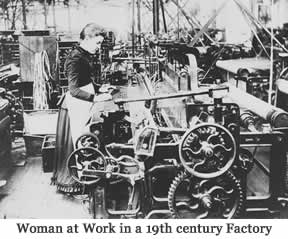
The industrialization of the 19th century drastically transformed American life. Beginning in the early 1800s, industrial growth led to the rise of factories, which fundamentally altered the way goods were produced and consumed. By 1860, approximately 50% of the American workforce was employed in manufacturing, compared to just 10% in 1820.
This shift had profound implications for urbanization. Cities such as New York, Chicago, and Philadelphia experienced explosive population growth as people migrated from rural areas in search of factory jobs. For instance, New York’s population grew from around 60,000 in 1800 to over 1 million by 1860, highlighting the rapid urbanization occurring during this period.
- Improved Productivity: The introduction of machinery increased production rates, leading to lower prices for goods.
- Emergence of the Working Class: A distinct working class formed, characterized by long hours and often poor working conditions.
- Changes in Family Dynamics: Families shifted from agricultural work at home to wage labor in factories, altering traditional roles.
Despite the economic benefits, industrialization also brought challenges. Labor conditions in factories were often harsh, with workers facing excessive hours, low wages, and unsafe environments. The infamous Lawrence Textile Strike of 1912 illustrates the struggle for better working conditions, as workers protested for fair wages and safer work environments.
Furthermore, industrialization influenced cultural aspects of daily life. The availability of mass-produced goods changed consumer habits, allowing more people to purchase items that were previously considered luxuries. The introduction of railroads facilitated not only the transport of goods but also the movement of people, leading to a more interconnected society.
| Aspect | Before Industrialization | After Industrialization |
|---|---|---|
| Employment | Agricultural jobs | Factory jobs |
| Living Conditions | Rural, close-knit communities | Urban, crowded environments |
| Consumer Goods | Handmade, limited availability | Mass-produced, widely accessible |
The evolution of American literature during the 1800s
The 19th century marked a profound transformation in American literature, reflecting the nation’s evolving identity and values. Early in the century, the literary scene was dominated by romanticism, emphasizing emotion, nature, and individualism. Authors such as Washington Irving and Edgar Allan Poe were pivotal in establishing a uniquely American voice.
As the century progressed, literature began to mirror the complexities of American society, influenced by factors such as industrialization and social reform movements. The emergence of realism in the mid-1800s, championed by writers like Mark Twain and Henry James, focused on depicting everyday life and the struggles of common people.
- Romanticism (1830-1860): Characterized by an emphasis on emotion and nature.
- Transcendentalism (1836-1860): Advocated for self-reliance and individual intuition, led by figures like Ralph Waldo Emerson and Henry David Thoreau.
- Realism (1860-1890): Focused on depicting life as it is, with authors like Mark Twain highlighting social issues.
- Naturalism (1890-1910): Explored the influence of environment and heredity on human behavior, with writers such as Stephen Crane.
One of the defining moments in American literature was the publication of Harriet Beecher Stowe’s Uncle Tom’s Cabin in 1852. This novel played a crucial role in igniting the abolitionist movement by illustrating the harsh realities of slavery. Stowe’s work exemplified how literature could influence social change.
Moreover, the latter half of the century saw the rise of women writers, who began to gain recognition. Authors like Louisa May Alcott and Emily Dickinson challenged societal norms, contributing significantly to the literary landscape. Alcott’s Little Women (1868) offered a new perspective on women’s roles in society, while Dickinson’s poetry explored themes of death and immortality.
By the end of the century, American literature had evolved into a diverse tapestry of voices, reflecting the country’s complexities. This era paved the way for future literary movements and continues to influence contemporary American literature.
Art movements and cultural expression in the 19th century
The 19th century was a vibrant period for art movements in America, reflecting the nation’s diverse cultural landscape. Several artistic styles emerged during this time, each contributing to a rich tapestry of expression. Among the most notable movements were Romanticism, Realism, and Transcendentalism.
Romanticism dominated the early part of the century, emphasizing emotion, nature, and individualism. Artists such as Thomas Cole and Frederic Edwin Church portrayed the American landscape in their works, showcasing the sublime beauty of the natural world. This movement sought to convey deeper truths through the lens of personal experience and imagination.
- Romanticism (1820s-1850s): Focused on emotion and nature.
- Realism (1850s-1880s): Depicted everyday life and social issues.
- Transcendentalism (1830s-1860s): Emphasized spiritual intuition and the inherent goodness of people.
As the century progressed, Realism emerged as a response to the previous idealistic movements. Artists like Winslow Homer and Thomas Eakins focused on the depiction of everyday life and social realities. They aimed to represent subjects with honesty and accuracy, often highlighting the struggles of the working class and the complexities of human existence.
Transcendentalism also played a significant role in shaping American art and literature. This philosophical movement, led by figures such as Ralph Waldo Emerson and Henry David Thoreau, encouraged artists to look beyond materialism and to find inspiration in nature and spiritual reflection. This connection to nature became a recurring theme in many artistic works of the period.
By the end of the century, the influence of these movements had laid the groundwork for modern American art. The diversity of styles and themes reflected the changing social landscape and the evolving cultural identity of the nation. The impact of these art movements continues to resonate in American culture today, illustrating the enduring legacy of 19th-century creativity.
Changes in education and their cultural significance
The 19th century witnessed significant changes in the American education system, reflecting broader cultural transformations. Public education began to gain traction, driven by the belief that an educated populace was essential for democracy and economic growth. By the mid-1800s, states like Massachusetts had established compulsory education laws, leading to increased literacy rates.
By 1850, literacy rates among white males were approximately 90%, compared to only 50% for women and significantly lower for African Americans, especially in the South. This disparity highlighted the societal divisions of the time, yet the push for universal education laid the groundwork for future reforms.
- Establishment of public schools: The first public school was founded in Boston in 1821, marking a shift towards accessible education for all children.
- Rise of normal schools: Institutions dedicated to training teachers emerged, ensuring that educators were equipped with the necessary skills and knowledge.
- Inclusion of diverse subjects: Curriculum expanded to include not just reading and writing but also mathematics, science, and moral instruction.
The influence of educators like Horace Mann, often referred to as the “Father of American Education,” cannot be overstated. Mann advocated for a system that was free, universal, and non-sectarian. His efforts led to the establishment of normal schools, which trained teachers and improved teaching standards.
As education became more accessible, it also began to reflect and influence cultural values. For instance, the introduction of female education in the 1830s challenged traditional gender roles. Schools like Mount Holyoke Female Seminary, founded in 1837, provided women with opportunities for higher education, which was previously denied to them.
Furthermore, educational reformers also focused on the inclusion of African Americans. Despite significant resistance, institutions such as the African Institute established in 1828 aimed to educate free black children. This movement was essential in fostering a sense of identity and empowerment among African Americans.
The changes in education during the 19th century not only improved literacy rates but also played a vital role in shaping American culture. The emphasis on public education and inclusivity set the stage for further social reforms and advancements in the following decades.
The impact of westward expansion on American identity
The westward expansion during the 19th century was a crucial factor in shaping American identity. As settlers moved west, they brought with them diverse cultural influences and a sense of adventure. This migration played a significant role in redefining what it meant to be American.
One of the most notable impacts of westward expansion was the concept of Manifest Destiny. This belief held that Americans were destined to expand across the continent, which fueled both national pride and a sense of entitlement. The ideology justified territorial acquisition, leading to events such as:
- The Louisiana Purchase in 1803, which doubled the size of the nation.
- The annexation of Texas in 1845, following its independence from Mexico.
- The Oregon Trail migration, which saw thousands travel to the Pacific Northwest during the 1840s.
These events not only expanded the geographical boundaries of the United States but also influenced the cultural landscape. The influx of settlers introduced new customs, languages, and practices that contributed to the melting pot of American culture. Furthermore, this expansion often came at the expense of Indigenous populations, leading to significant cultural and social upheaval.
As settlers encountered vast, uncharted territories, the idea of the frontier emerged as a central theme in American culture. This notion inspired literary works, art, and folklore, romanticizing the rugged individualism associated with frontier life. Notable figures such as:
- Frederick Jackson Turner, who presented the “Frontier Thesis” in 1893, arguing that the frontier shaped American democracy.
- Mark Twain, whose novels illustrated life along the Mississippi River and the challenges of frontier existence.
Additionally, the westward expansion fostered a sense of national unity and purpose. As Americans settled new lands, they began to identify more closely with their nation, fostering a collective identity. The challenges of frontier life, including conflicts with Native Americans and the harshness of the environment, reinforced a spirit of resilience and adaptability among settlers.
Westward expansion significantly impacted American identity by promoting ideas of Manifest Destiny, shaping cultural narratives around the frontier, and fostering a sense of unity among diverse populations. This period laid the groundwork for the modern American ethos, characterized by exploration, innovation, and a belief in progress.
Social reform movements and cultural shifts
The 19th century in America was marked by a series of social reform movements that significantly influenced cultural shifts across the nation. These movements aimed to address various social issues, including slavery, women’s rights, education, and temperance. As a result, they fostered a more activist culture that encouraged public participation and advocacy.
One of the most notable movements was the abolitionist movement, which sought to end slavery. Prominent figures such as Frederick Douglass and Harriet Tubman emerged during this time, advocating for the rights of enslaved individuals. The publication of influential works like “Uncle Tom’s Cabin” by Harriet Beecher Stowe in 1852 galvanized public opinion against slavery, highlighting its moral implications.
- Women’s Rights Movement: Spearheaded by figures such as Elizabeth Cady Stanton and Susan B. Anthony, this movement aimed for gender equality and suffrage. The Seneca Falls Convention in 1848 marked a pivotal moment, producing the Declaration of Sentiments that outlined grievances and demands.
- Temperance Movement: Advocating for the reduction or prohibition of alcohol consumption, this movement gained momentum in the 1830s. Organizations like the American Temperance Society played a crucial role in promoting awareness of the social issues related to alcohol abuse.
- Education Reform: Advocates like Horace Mann pushed for universal public education, believing that education was essential for a democratic society. By the end of the century, public schools had expanded significantly, reflecting the changing cultural values regarding education.
The cultural impact of these movements extended beyond their immediate goals. For instance, the Women’s Rights Movement not only fought for suffrage but also challenged traditional gender roles, leading to broader discussions about women’s place in society. This ongoing dialogue contributed to the eventual passage of the 19th Amendment in 1920, granting women the right to vote.
Moreover, the abolitionist movement’s calls for equality laid the groundwork for future civil rights movements. The connections between these social reform efforts created a legacy of activism that would shape American culture for generations. The ripple effects of these movements highlighted the intertwined nature of social justice and cultural identity in 19th century America.
The rise of popular entertainment and leisure activities
The 19th century marked a significant evolution in popular entertainment and leisure activities in America. This era saw the emergence of various forms of entertainment that reflected the changing social dynamics and cultural values of the time. As urbanization increased, so did the demand for recreational activities.
One of the most notable developments was the rise of theater and performing arts. The first public theater, the Park Theatre, opened in New York City in 1798, paving the way for a flourishing theater scene. By the mid-1800s, theaters were common in major cities, offering a variety of performances, from Shakespearean plays to melodramas, attracting audiences from all walks of life.
- Minstrel Shows: Originating in the 1830s, these performances featured white performers in blackface and became a popular form of entertainment, despite their controversial and racist nature.
- Vaudeville: Emerging in the 1880s, vaudeville shows included a variety of acts such as comedians, musicians, and dancers, appealing to a broad audience and paving the way for modern variety shows.
- Circus: The circus gained immense popularity in the 19th century, with P.T. Barnum’s circus becoming a national sensation, showcasing acrobats, animal acts, and thrilling performances.
In addition to live performances, the invention of new technologies greatly influenced leisure activities. The introduction of the penny press in the 1830s made newspapers more accessible, providing entertainment through serialized stories and sensational news. This innovation coincided with the rise of popular novels, with authors like Harriet Beecher Stowe and Mark Twain capturing the public’s imagination.
Furthermore, the establishment of public parks and recreational spaces became increasingly popular during this time. The creation of Central Park in New York City in 1858 offered urban dwellers a place to escape the hustle and bustle of city life, promoting social interactions and leisure activities. These parks became venues for concerts, picnics, and community events.
Overall, the 19th century was a transformative period for popular entertainment and leisure activities in America, reflecting the nation’s growth and evolving cultural landscape. The various forms of entertainment that emerged during this time laid the groundwork for the vibrant leisure culture that would continue to evolve in the 20th century.
Frequently Asked Questions
What were the main social reform movements in 19th century America?
The 19th century saw several significant social reform movements, including abolitionism, women’s suffrage, and temperance. These movements aimed to address social injustices and promote equality, leading to profound cultural shifts across the nation.
How did westward expansion affect American culture?
The westward expansion contributed to the formation of a distinct American identity, as settlers encountered diverse cultures and landscapes. This migration fostered a sense of adventure and individualism, shaping the values and beliefs of the nation during this period.
What types of entertainment became popular in the 19th century?
During the 19th century, popular entertainment included theater, circuses, and music halls. These forms of leisure provided communities with opportunities for social interaction and cultural expression, reflecting the changing dynamics of American society.
How did the Industrial Revolution influence American culture?
The Industrial Revolution transformed American culture by increasing urbanization and altering labor dynamics. This shift led to new social classes and cultural exchanges, influencing art, literature, and daily life in significant ways.
What role did religion play in 19th century American society?
Religion was a central aspect of 19th century American society, influencing various social reform movements and community activities. It provided moral guidance and a sense of purpose for many, shaping cultural norms and values throughout the era.
Conclusion
The 19th century was pivotal in shaping American identity through westward expansion, social reform movements, and the rise of popular entertainment. These elements intertwined to create a dynamic cultural landscape that defined the nation and its values. Understanding these historical shifts allows readers to appreciate the complexity of modern American culture. By recognizing the connections between past and present, individuals can foster a deeper sense of identity and community. Explore further into these cultural themes by engaging with historical texts or participating in local discussions. Your journey into understanding 19th-century American culture can begin today!