Have you ever wondered how the foundations of modern education were shaped during the 19th century? This pivotal era witnessed significant transformations that laid the groundwork for today’s educational systems, reflecting the needs and challenges of a rapidly changing world.
In this article, you will discover the evolution of educational systems, key figures who influenced this transformation, and the impact of industrialization on education. Understanding these elements will provide valuable insights into how past developments continue to influence current educational practices.
We will explore topics such as the rise of public education, notable reformers, and the societal shifts that drove these changes. Join us as we delve into the complexities of 19th century education and its lasting legacy.
The evolution of educational systems in the 19th century
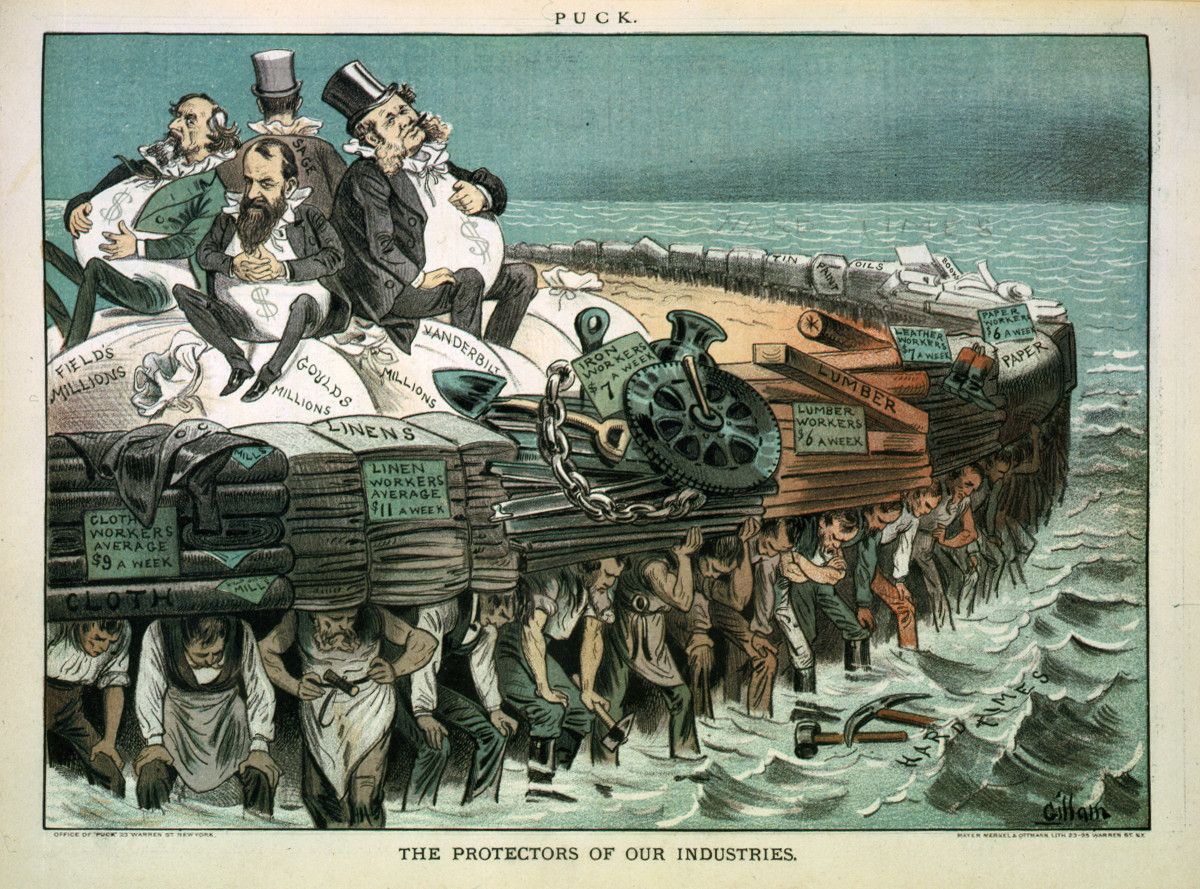
The 19th century marked a significant transformation in educational systems worldwide. The rise of industrialization and urbanization led to a demand for a more educated workforce. Governments began to recognize the necessity of education for social stability and economic growth. This period saw the establishment of public schooling systems, which aimed to provide education for all children, regardless of their social background.
One of the most notable reforms occurred in the United States with the influence of education reformers like Horace Mann. In the 1830s, Mann advocated for universal public education, arguing that it was essential for a democratic society. By 1852, Massachusetts became the first state to mandate compulsory education, setting a precedent that other states would follow.
- 1830s: Horace Mann promotes public education in the U.S.
- 1852: Massachusetts enacts compulsory education laws.
- 1867: The Education Act in the UK establishes a system of elementary schools.
- 1870: The Elementary Education Act in England makes education accessible to all children.
In Europe, similar trends emerged. The Education Act of 1870 in England aimed to provide free elementary education and laid the foundation for future educational reforms. This act established a framework for local school boards and ensured that children received basic education, which was a significant step towards educational equity.
By the end of the century, education had become more standardized, with a focus on a curriculum that included reading, writing, and arithmetic. The introduction of formal teacher training programs also improved the quality of education. For instance, in Germany, the establishment of the normal school system helped prepare teachers for the classroom, ensuring that they had the necessary skills and knowledge.
Overall, the 19th century set the stage for modern education systems. The establishment of public schools and compulsory education laws was crucial in shaping an educated society, laying the groundwork for advancements in the 20th century.
Key figures who influenced 19th century education
The 19th century saw the emergence of several influential figures who significantly shaped educational practices and philosophies. Their contributions laid the groundwork for modern education systems around the world.
- Horace Mann (1796-1859): Often referred to as the “father of the American public school system,” Mann advocated for universal public education. He believed that education was a right and essential for a democratic society. In 1837, he became the first secretary of the Massachusetts Board of Education, where he implemented reforms that included standardized curricula and teacher training.
- Johann Heinrich Pestalozzi (1746-1827): A Swiss educator, Pestalozzi emphasized the importance of learning through activity and experience. His approach focused on the holistic development of children, integrating emotional, physical, and intellectual growth. His work influenced many educators across Europe and America, promoting the idea that education should cater to the individual needs of each child.
- Maria Montessori (1870-1952): Though her work began in the late 19th century, Montessori’s educational philosophy gained prominence in the early 20th century. She developed a child-centered approach that encouraged independence and hands-on learning. Montessori schools, characterized by mixed-age classrooms and self-directed activity, continue to thrive today.
- John Dewey (1859-1952): Dewey was a proponent of progressive education, which emphasized experiential learning and critical thinking. His philosophy stressed the importance of education as a tool for social reform. Dewey’s ideas were instrumental in shaping educational practices in the United States and influenced the development of public schools.
These key figures not only transformed educational practices during their time but also inspired future generations. Their philosophies continue to influence contemporary education, emphasizing the importance of accessibility, experiential learning, and the holistic development of students.
Furthermore, the collaboration and dialogue among these educators led to a rich exchange of ideas, further enhancing the educational landscape of the 19th century. Their legacies remind us of the power of education in shaping society and fostering individual growth.
The role of industrialization in shaping education
Industrialization played a pivotal role in the transformation of education during the 19th century. As factories emerged, the demand for skilled labor increased, prompting a shift in educational priorities. The traditional agrarian-focused education was increasingly supplemented with practical skills and scientific knowledge.
This shift can be attributed to several factors:
- Urban Migration: Rural populations moved to cities for factory work, leading to a need for basic education for workers and their families.
- Child Labor Laws: As awareness of child labor conditions grew, reforms were implemented to ensure children received an education instead of being exploited in factories.
- Public Education Initiatives: Governments began to recognize the importance of an educated workforce, leading to the establishment of public schooling systems.
One notable example of this transformation was the establishment of the Prussian education system in the early 19th century. By the mid-1800s, it emphasized compulsory education, structured curricula, and trained teachers, which set a precedent for many Western education systems.
In the United States, the influence of industrialization led to significant changes as well. The Morrill Act of 1862 established land-grant colleges, which aimed to promote education in agriculture and the mechanical arts. This act marked a shift towards providing practical education that aligned with the needs of an industrial society.
Additionally, educational reforms included:
- Introduction of vocational training to equip students with skills relevant to emerging industries.
- Expansion of literacy programs to ensure that the working class could engage in civic life.
- Encouragement of technical subjects in school curricula, such as mathematics and science.
The impact of industrialization on education was profound. By the end of the 19th century, compulsory education laws were enacted in several countries, reflecting a societal shift toward valuing education as essential for economic development and social progress.
Differences between urban and rural education during the 19th century
The 19th century presented stark contrasts between urban and rural education. Urban areas witnessed rapid educational advancements due to industrialization, while rural regions struggled to keep pace. This disparity was influenced by various factors, including accessibility, resources, and societal attitudes towards education.
In urban centers, schools were often better funded and more accessible. By the mid-1800s, cities like New York and London had established public school systems, which provided education to a larger segment of the population. These schools offered a range of subjects, from basic literacy to mathematics and science, catering to the needs of a growing industrial workforce.
- Urban Education: Characterized by formal schooling, diverse curricula, and professional teachers.
- Rural Education: Often informal, relying on local community resources, with limited subject offerings.
In contrast, rural education was often dependent on local initiatives. Many rural communities relied on one-room schoolhouses that served multiple grades simultaneously. Teachers were frequently underqualified, and the curriculum was basic, focusing primarily on reading, writing, and arithmetic. For instance, in 1850, only about 50% of rural children attended school, compared to approximately 75% in urban areas.
Another critical difference was the availability of resources. Urban schools benefited from public funding and donations from wealthy industrialists who recognized the importance of education for a skilled workforce. For example, the establishment of the New York Public School Society in 1805 aimed to improve educational standards in cities. In contrast, rural schools often lacked basic facilities, such as proper classrooms and teaching materials.
Additionally, societal attitudes towards education varied significantly. While urban populations increasingly valued education as a means of social mobility, many rural communities viewed it as less essential. In some cases, children were expected to contribute to family labor, which often took precedence over schooling.
Overall, the differences in educational experiences between urban and rural areas in the 19th century highlight the profound impact of geography and socio-economic factors on learning opportunities. This divide set the stage for future reforms aimed at equalizing educational access across various regions.
The impact of religion on 19th century schooling
The 19th century was marked by the significant influence of religion on educational systems in various regions. In many countries, religious organizations played a crucial role in establishing schools, which often served as the primary means of education for children. For instance, in the United States, the establishment of public schools was heavily influenced by Protestant denominations, which sought to promote moral education.
By 1850, it was estimated that over 90% of schools in the U.S. were affiliated with a religious organization. This trend reflected the belief that moral and religious instruction was essential for character development. In contrast, Catholic communities established their own educational institutions to ensure their beliefs were integrated into the curriculum.
- Quakers promoted education that emphasized equality, often establishing schools that accepted students from various backgrounds.
- The Methodist Church founded numerous colleges and universities, such as Wesleyan University in 1831, aiming to provide higher education along with spiritual guidance.
- In Britain, the Anglican Church set up the National Society for Promoting the Education of the Poor in the Principles of the Established Church in 1811, influencing the educational landscape significantly.
The blending of religious teachings with academic subjects also sparked debates about the role of faith in public education. Critics argued that such practices led to sectarian divisions, while proponents believed that religious education fostered a sense of community and moral responsibility among students.
Furthermore, the rise of the Sunday School movement in the early 19th century provided children with additional educational opportunities. These schools focused not only on religious instruction but also taught reading, writing, and arithmetic. By the 1850s, Sunday schools had reached an estimated enrollment of over 1.5 million students in England alone.
Overall, religion significantly shaped the educational policies and practices of the 19th century, influencing the curriculum and accessibility of education for children across various socio-economic backgrounds.
Education for women and minorities in the 19th century
The 19th century marked a significant period for the education of women and minorities, characterized by both progress and challenges. In the United States, the early part of the century saw limited educational opportunities for women. However, the suffrage movement began advocating for women’s rights, including access to education. By the mid-1800s, institutions such as Oberlin College, founded in 1833, began admitting women alongside men, paving the way for future generations.
Minorities faced even greater obstacles in accessing education. For instance, African American children were often barred from attending white schools. In response, African American communities established their own schools, such as the African Free School in New York City, founded in 1787. By 1860, there were over 200 private schools for black children in the United States.
- Key milestones in women’s education:
- 1848: The Seneca Falls Convention, which highlighted the need for women’s education.
- 1850: Massachusetts established a normal school for training women as teachers.
- 1870: The first women’s college, Vassar College, opened, further expanding educational opportunities.
- Challenges faced by minorities:
- Limited funding for schools serving minority populations.
- Segregation laws that restricted access to quality education.
- Social prejudice that undermined the value of education for minorities.
Despite these challenges, notable figures emerged advocating for educational reform. Mary McLeod Bethune, for example, founded the Daytona Normal and Industrial Institute for Negro Girls in 1904, emphasizing the importance of education for African American women. Her efforts contributed to the broader movement for educational equality.
In addition, the establishment of the Freedmen’s Bureau in 1865 played a crucial role in educating newly freed African Americans. The Bureau founded schools and provided resources, which significantly increased literacy rates among African Americans in the South. For instance, by 1870, the literacy rate for African Americans had risen to around 50% compared to just 20% in 1865.
The rise of public schooling and compulsory education
The 19th century marked a pivotal transformation in education, particularly with the emergence of public schooling and the implementation of compulsory education laws. These developments aimed to provide access to education for all children, regardless of their socio-economic background.
One of the key figures in promoting public education was Horace Mann, who served as the first Secretary of the Massachusetts Board of Education. He advocated for a system that emphasized universal access to education, arguing that it was essential for a functioning democracy. By the 1850s, Massachusetts had established a network of public schools, which served as a model for other states.
- In 1840: Massachusetts passed the first compulsory education law, requiring children to attend school.
- By 1900: Approximately 31 states had enacted similar laws, reflecting a growing recognition of the importance of education.
- Public education funding: Many states began to allocate funds specifically for public schools, promoting infrastructure development.
This shift towards public schooling was not merely about accessibility; it also aimed to standardize education. The introduction of curricula that included reading, writing, arithmetic, and moral education became commonplace. This standardization helped create a more educated populace, which was deemed necessary for economic and social progress.
For example, the establishment of the first public high school in Boston in 1821 set a precedent for secondary education. By 1900, there were over 500 public high schools in the United States, indicating a growing commitment to education beyond elementary levels.
Despite these advancements, challenges remained. Many rural areas continued to struggle with inadequate resources, and minority groups often faced significant barriers to accessing education. The push for public schooling was a step forward, yet it highlighted the ongoing disparities within the educational system.
The rise of public schooling and compulsory education in the 19th century laid the foundation for modern educational systems. It underscored the belief that education is a right, not a privilege, and initiated discussions on how to ensure equitable access for all children.
Curriculum and teaching methods in the 19th century
The curriculum in the 19th century varied widely depending on the region and the prevailing educational philosophy. Generally, it emphasized the basics: reading, writing, and arithmetic. In many cases, religious texts were used as primary teaching materials, particularly in religious schools.
In the United States, the introduction of the McGuffey Readers in the 1830s played a significant role. These textbooks not only taught literacy skills but also instilled moral values. By 1861, they were used in over 120,000 schools across the nation, underscoring their popularity and impact.
- Reading: Focused on comprehension and moral lessons.
- Writing: Included penmanship and basic composition.
- Arithmetic: Basic operations and practical applications.
- Geography and History: Introduced later in the curriculum for older students.
Teaching methods during this period were largely influenced by the monitorial system, where older students taught younger peers under the supervision of a single teacher. This approach was particularly prevalent in overcrowded urban schools. By the mid-19th century, this method was being criticized for its limitations, leading to a push for more formal training for teachers.
In England, the Education Act of 1870 marked a significant shift towards compulsory education, emphasizing the need for a structured curriculum. Schools began to adopt a more standardized approach, which included subjects like science and literature, reflecting the era’s growing industrial and intellectual demands.
Moreover, the late 19th century saw the introduction of progressive education ideas, championed by figures like John Dewey. Dewey advocated for experiential learning, suggesting that students should engage in hands-on activities to foster critical thinking. This marked a shift from rote memorization to a more interactive and engaging classroom environment.
| Curriculum Focus | Teaching Methods | Region |
|---|---|---|
| Reading, Writing, Arithmetic | Monitorial System | United States |
| Science, Literature | Standardized Curriculum | England |
| Experiential Learning | Hands-on Activities | Progressive Education |
Challenges and reforms in 19th century education systems
The 19th century presented numerous challenges to education systems across various regions. One of the prominent issues was the lack of access for marginalized groups. Many women and minorities were denied educational opportunities, severely limiting their potential. This led to societal inequalities that prompted calls for reform.
Another significant challenge was the quality of education. Many schools operated with insufficient funding, resulting in overcrowded classrooms and poorly trained teachers. The lack of standardized curricula meant that educational quality varied widely. This inconsistency raised concerns among reformers who advocated for improvements.
- Inadequate funding: Schools often struggled to secure necessary resources, affecting infrastructure and teaching materials.
- Teacher training: Many educators lacked formal training, which impacted their teaching effectiveness.
- Overcrowding: Class sizes often exceeded manageable limits, leading to a less personalized learning experience.
Throughout this period, reform movements emerged to address these challenges. Notable figures such as Horace Mann advocated for public education and teacher training. Mann’s efforts in the 1830s led to the establishment of normal schools, which were designed to train teachers effectively.
By the mid-19th century, reforms began to take shape. States like Massachusetts passed laws mandating compulsory education, which aimed to ensure that all children received a basic education. By 1852, Massachusetts became the first state to implement compulsory schooling laws, serving as a model for others.
Moreover, the establishment of organizations such as the National Education Association (NEA) in 1857 played a crucial role in promoting educational reforms. The NEA focused on advocating for improved teaching standards and greater accessibility to education for all.
Despite these advancements, challenges persisted. Many rural areas still lacked adequate schools, and social attitudes towards education for women and minorities continued to evolve slowly. The struggle for equitable education remained a central theme as the century progressed.
Frequently Asked Questions
What were the main subjects taught in 19th century schools?
The curriculum in the 19th century typically included reading, writing, and arithmetic as foundational subjects. Additionally, students often studied history, geography, and religious education, varying by region and educational philosophy.
How did public schooling impact literacy rates in the 19th century?
The rise of public schooling significantly improved literacy rates during the 19th century. As education became more accessible, more children learned to read and write, contributing to an increasingly educated population, particularly in urban areas.
What role did women play in 19th century education?
Women played a crucial role in 19th century education, primarily as teachers in public schools. Their involvement shaped educational methods and helped to promote literacy among girls, although they often faced challenges in gaining equal opportunities.
What challenges did 19th century education systems face?
Education systems in the 19th century encountered several challenges, including limited access for poorer communities, inadequate funding, and varying quality of instruction. These issues prompted calls for educational reforms throughout the century.
How did compulsory education laws change in the 19th century?
Compulsory education laws gradually emerged in the 19th century, mandating that children attend school for a certain number of years. This shift aimed to ensure that all children received basic education, addressing issues of inequality in access to schooling.
Conclusion
The 19th century was a transformative era for education, highlighted by the rise of public schooling and compulsory education, the diverse curriculum and teaching methods employed, and the various challenges that prompted significant reforms. These developments laid the groundwork for modern educational systems. Understanding these historical shifts can provide valuable insights into current educational practices. By grasping the importance of access to education and the evolution of teaching methods, readers can advocate for reforms that promote equitable learning opportunities today. To further explore the impact of 19th-century education on today’s systems, consider researching local educational policies or engaging in community discussions. Your involvement can contribute to ongoing improvements in education.