Have you ever wondered how fashion trends shaped societal norms in 19th century Europe? The clothing choices of this era reflect not only personal style but also the cultural and economic shifts that influenced everyday life.
This article will delve into the evolution of 19th century European dress, exploring key fabrics, materials, and the influential designers who revolutionized fashion. Understanding these aspects provides valuable insight into the historical context that shaped modern fashion.
We will cover the significant trends that emerged during this period, the materials that defined garments, and notable fashion houses that left a lasting impact on the industry.
The evolution of fashion trends in 19th century Europe
The 19th century was a pivotal era for fashion in Europe, marked by significant changes influenced by social, political, and technological developments. The early part of the century saw the rise of the Romantic style, characterized by dramatic silhouettes and luxurious fabrics. This period embraced flowing gowns for women and tailored coats for men, reflecting the ideals of the Romantic movement.
During the 1830s and 1840s, fashion began to evolve with the introduction of the crinoline, a stiffened or structured fabric that created a bell-shaped skirt. This trend allowed women to express their femininity and social status. The crinoline became a staple in high society, often adorned with elaborate decorations. By the 1850s, the crinoline’s popularity peaked, prompting manufacturers to produce them in various sizes and styles, making them accessible to a wider audience.
- 1820s: Romantic gowns with puffed sleeves and high waists.
- 1830-1840s: Introduction of the crinoline and bell-shaped skirts.
- 1850s: Peak of crinoline fashion; elaborate designs became popular.
- 1860s: Transition to the bustle, emphasizing the rear silhouette.
As the century progressed, the bustle emerged in the 1870s, reshaping women’s fashion once again. This accessory shifted focus to the back of the dress, creating an exaggerated silhouette that was both fashionable and practical. The bustle allowed for greater movement and comfort, which appealed to women participating in outdoor activities and social events.
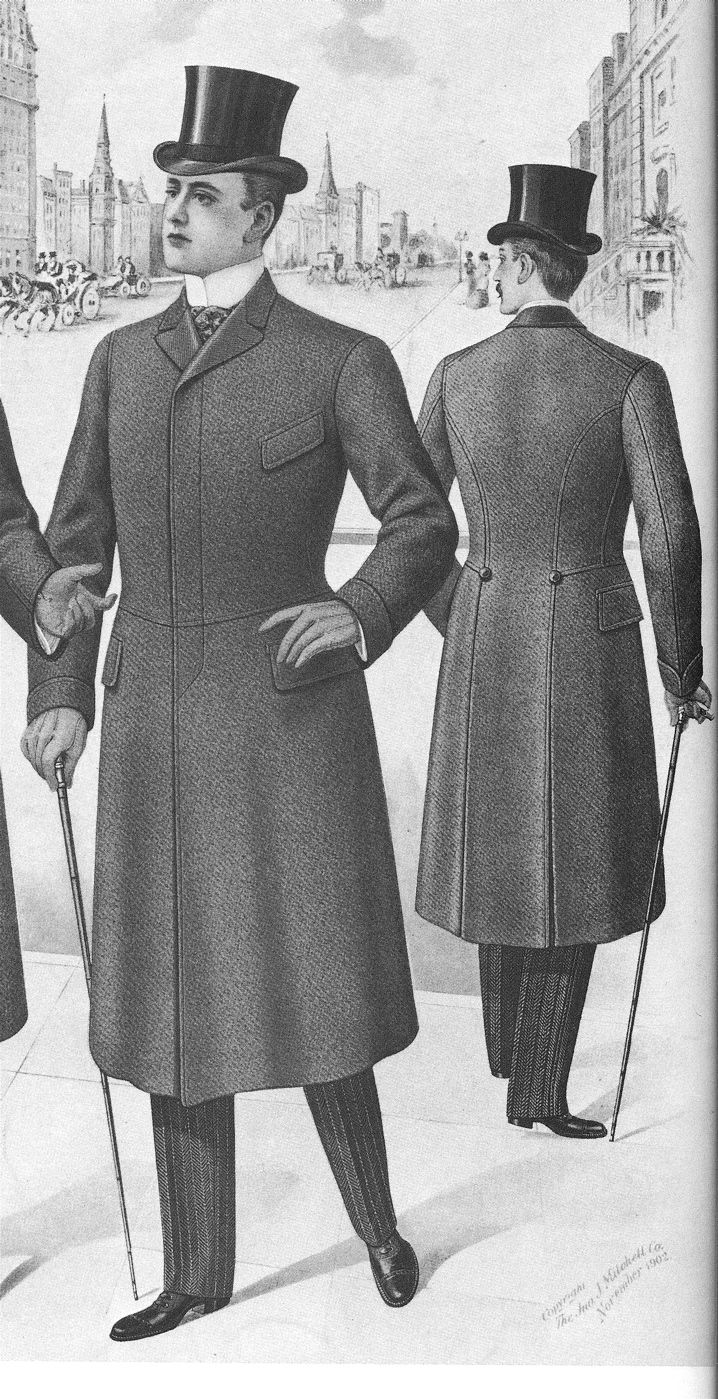
Men’s fashion also underwent transformation during this period. The Victorian era brought about the tailcoat, which became a symbol of refinement and sophistication. The three-piece suit, consisting of a jacket, trousers, and waistcoat, became standard attire for men by the late 19th century. Notably, figures like Beau Brummell popularized the concept of men’s fashion as a means of self-expression.
By the end of the century, fashion had become more accessible due to the Industrial Revolution, which allowed for mass production of garments. This democratization of fashion meant that styles could be replicated quickly and affordably, resulting in a more uniform appearance across different social classes.
Key fabrics and materials used in 19th century European clothing
The 19th century saw a remarkable variety of fabrics and materials that shaped the clothing of the time. The Industrial Revolution played a crucial role in this evolution, allowing for mass production and the introduction of new textiles.
Among the most significant fabrics used were:
- Cotton: Widely available and affordable, cotton became a staple fabric for everyday wear. The introduction of the cotton gin in 1793 greatly boosted cotton production, making it accessible to the masses.
- Wool: Known for its durability and warmth, wool was favored for outer garments. Various types, such as merino wool, were prized for their softness and quality.
- Silk: A luxury fabric, silk was often used for formal attire and evening gowns. The demand for silk drove trade routes and influenced fashion trends across Europe.
- Linens: Linen was commonly used for summer clothing due to its lightweight properties. It was often employed in shirts, blouses, and dresses, providing comfort in warmer months.
In addition to these primary fabrics, several techniques and innovations emerged, enhancing the appeal of clothing:
- Printing techniques: The development of block printing and later roller printing allowed for intricate patterns on fabrics, making clothing more visually appealing.
- Dyeing methods: Advances in chemical dyes in the mid-19th century expanded the color palette available to designers, moving beyond natural dyes.
For example, the introduction of synthetic dyes in the 1850s led to the creation of vibrant hues, such as the famous mauveine, which revolutionized fashion and allowed for more diverse designs.
Moreover, the choice of fabric often reflected social status. While the upper classes adorned themselves in luxurious silks and fine wool, the working class relied on more practical materials like cotton and linen. This disparity often revealed not only personal taste but also economic conditions of the time.
Influential designers and fashion houses of the 19th century
The 19th century marked the emergence of influential designers and fashion houses that significantly shaped the clothing trends of the time. These pioneers were instrumental in transforming the way society viewed fashion, establishing it as an essential aspect of cultural identity.
One of the most notable figures was Charles Frederick Worth, often referred to as the father of haute couture. Founded in 1858, his fashion house in Paris set the standard for luxury garments. Worth’s designs emphasized the shape and silhouette, using lavish fabrics and intricate details, thus elevating the status of fashion designers.
- Charles Frederick Worth – Established haute couture in Paris in 1858.
- Paul Poiret – Known for liberating women from corsets in the early 1900s.
- Lady Duff Gordon (Lucile) – Pioneered the concept of fashion shows in the 1890s.
- Elie Saab – Introduced the use of innovative materials in evening wear.
In addition to Worth, Paul Poiret emerged as a revolutionary figure in the early 20th century. He is credited with freeing women from the constraints of corsets, promoting a more natural silhouette. Poiret’s designs were characterized by their fluid lines and vibrant colors, which reflected the Art Deco movement.
Another significant designer was Lady Duff Gordon, who founded her fashion house, Lucile, in the 1890s. She is acclaimed for her elegant evening wear and was one of the first designers to host fashion shows, allowing customers to witness her creations in a theatrical setting. This innovation greatly influenced the marketing of fashion.
To summarize, the 19th century was a transformative period for fashion, driven by visionary designers. Their contributions not only changed clothing styles but also established fashion as a vital component of personal and cultural expression. The legacy of these designers continues to influence contemporary fashion today.
Social and cultural factors affecting dress styles in the 1800s
The 19th century was profoundly shaped by social and cultural factors that influenced dress styles across Europe. The rise of the middle class, changes in gender roles, and the impact of social movements significantly affected how people dressed during this period.
One of the most notable social changes was the emergence of the middle class. As industrialization progressed, more people gained disposable income, allowing them to invest in clothing that reflected their newfound status. This led to a greater demand for fashionable attire, which in turn spurred the growth of ready-to-wear clothing.
- Industrial Revolution: Increased production capabilities made clothing more accessible.
- Urbanization: People moved to cities, adapting their dress for practicality and fashion.
- Gender Roles: Women began to assert their identities through fashion, moving away from restrictive garments.
Furthermore, the influence of social movements, such as the suffragette movement in the late 19th century, began to challenge traditional gender norms. Women started wearing more practical clothing, which allowed for greater mobility and comfort. This shift was a reaction against the restrictive garments of previous decades and symbolized a broader cultural change.
For example, the introduction of the bloomer costume in the 1850s, which featured loose trousers under a knee-length dress, was a radical departure from traditional women’s fashion. While it faced criticism, it represented a significant step towards women’s liberation and autonomy.
Additionally, the influence of literature and art during this period played a crucial role in shaping fashion trends. Prominent authors and artists often depicted specific styles in their works, which influenced public perception and taste. The works of authors such as Jane Austen and Charles Dickens often highlighted the importance of dress as a social marker.
Overall, the interplay of social class, gender dynamics, and cultural movements created a rich tapestry of fashion in the 19th century, reflecting the complexities of societal change during this transformative era.
Differences between men’s and women’s fashion during the 19th century
The 19th century was characterized by distinct differences in fashion for men and women, reflecting societal norms and roles. Men’s fashion was generally more understated, focusing on practicality and formality, while women’s fashion emphasized elegance and extravagance.
Men typically wore tailored suits consisting of waistcoats, trousers, and jackets. These outfits were often made from wool or cotton and were designed to project authority. The rise of the dandy culture in the early 1800s introduced more flamboyant styles, including brightly colored fabrics and accessories.
- Suits: Often featured high collars and fitted trousers.
- Accessories: Cravats, top hats, and pocket watches were common.
- Color Palette: Darker hues dominated, especially in formal settings.
In contrast, women’s fashion during the same period evolved dramatically. Early in the century, the Empire silhouette emerged, characterized by high waistlines and flowing fabrics. By mid-century, the crinoline became fashionable, expanding skirts to remarkable widths.
| Time Period | Men’s Fashion | Women’s Fashion |
|---|---|---|
| 1800-1830 | Tailored suits, waistcoats | Empire silhouette, flowing dresses |
| 1830-1860 | Dandy styles, colorful accessories | Crinolines, wide skirts |
| 1860-1900 | Frock coats, morning coats | Bustles, intricate patterns |
Throughout the century, women’s fashion also showcased a wide array of fabrics and decorative elements. The use of lace, embroidery, and vibrant prints became prevalent, especially in the gowns of the upper class. In the 1870s, for instance, the popularity of the bustle emphasized the back of dresses, creating a new silhouette that contrasted sharply with men’s straight-lined attire.
Overall, the stark contrast in fashion between men and women during the 19th century serves as a reflection of the differing expectations and roles assigned to each gender. While men’s clothing prioritized functionality, women’s attire highlighted beauty and social status, encapsulating the essence of the era.
The impact of technological advancements on 19th century clothing
The 19th century witnessed remarkable technological advancements that transformed clothing production and design. Innovations such as the sewing machine, invented by Elias Howe in 1846, revolutionized garment manufacturing. This invention enabled faster production, reduced labor costs, and ultimately made fashionable clothing more accessible to the general public.
Additionally, the introduction of the cotton gin by Eli Whitney in 1793 significantly impacted the textile industry. This device streamlined the process of separating cotton fibers from seeds, leading to increased cotton production. As a result, cotton became a popular fabric choice, widely used in various garments throughout the century.
- 1846: Invention of the sewing machine by Elias Howe.
- 1793: Eli Whitney’s cotton gin revolutionizes cotton production.
- 1856: The first synthetic dye, mauveine, is discovered by William Henry Perkin, introducing vibrant colors into fashion.
- 1870s: The advent of the mechanized loom increases fabric production efficiency.
Moreover, the development of synthetic dyes in the mid-19th century changed the color palette available to designers. The accidental discovery of mauveine by William Henry Perkin in 1856 marked a turning point in dyeing technology. This innovation allowed for the creation of more vibrant and diverse hues, which became increasingly popular in women’s fashion, especially in dresses.
As the century progressed, the rise of ready-to-wear clothing emerged due to advancements in production techniques. By the 1880s, clothing was often mass-produced, allowing consumers to purchase fashionable items without the need for custom tailoring. This shift democratized fashion, enabling a broader audience to engage with the latest trends.
The interplay of technological advancements during the 19th century significantly influenced clothing styles and accessibility. The sewing machine, cotton gin, and synthetic dyes collectively transformed the fashion landscape, paving the way for modern clothing manufacturing and consumption.
Regional variations in European dress throughout the 19th century
Throughout the 19th century, European dress exhibited significant regional variations influenced by local customs, climate, and socio-economic conditions. Each region developed distinct styles that reflected its unique identity.
- Western Europe: In countries like France and England, fashion was often dictated by the elite. Paris emerged as the fashion capital, with styles characterized by elaborate gowns, corsets, and crinolines for women. Men’s fashion included tailcoats and waistcoats, reflecting a more tailored approach.
- Southern Europe: In Italy and Spain, bright colors and rich fabrics were prevalent. Traditional garments such as the mantilla in Spain and the cappotto in Italy showcased regional craftsmanship and cultural heritage. These regions often blended historical influences into contemporary styles.
- Eastern Europe: Countries like Russia and Poland maintained a strong connection to folk traditions. Traditional costumes, often adorned with embroidery and intricate patterns, were worn alongside modern influences. The sarafan in Russia exemplified this blend, combining functionality with artistry.
The differences in dress were not only aesthetic but also functional. For example, the colder climates of Northern Europe influenced the use of heavier materials and layered clothing. In contrast, Southern European regions favored lighter fabrics due to warmer weather.
Additionally, the rise of nationalism in the 19th century prompted a revival of traditional attire. Events such as the Revolutions of 1848 in various parts of Europe inspired people to embrace their national identities through clothing. This led to the incorporation of national symbols and motifs into everyday wear.
- Key examples of regional dress:
- France: robe à la française characterized by its wide skirts and intricate detailing.
- Scotland: The kilt became a symbol of Scottish heritage, often worn during formal occasions.
- Germany: The dirndl and lederhosen emerged as traditional garments, reflecting local customs.
Overall, the 19th century was a period of dynamic change in European dress, shaped by regional identities that celebrated both tradition and innovation.
Accessories and adornments popular in 19th century Europe
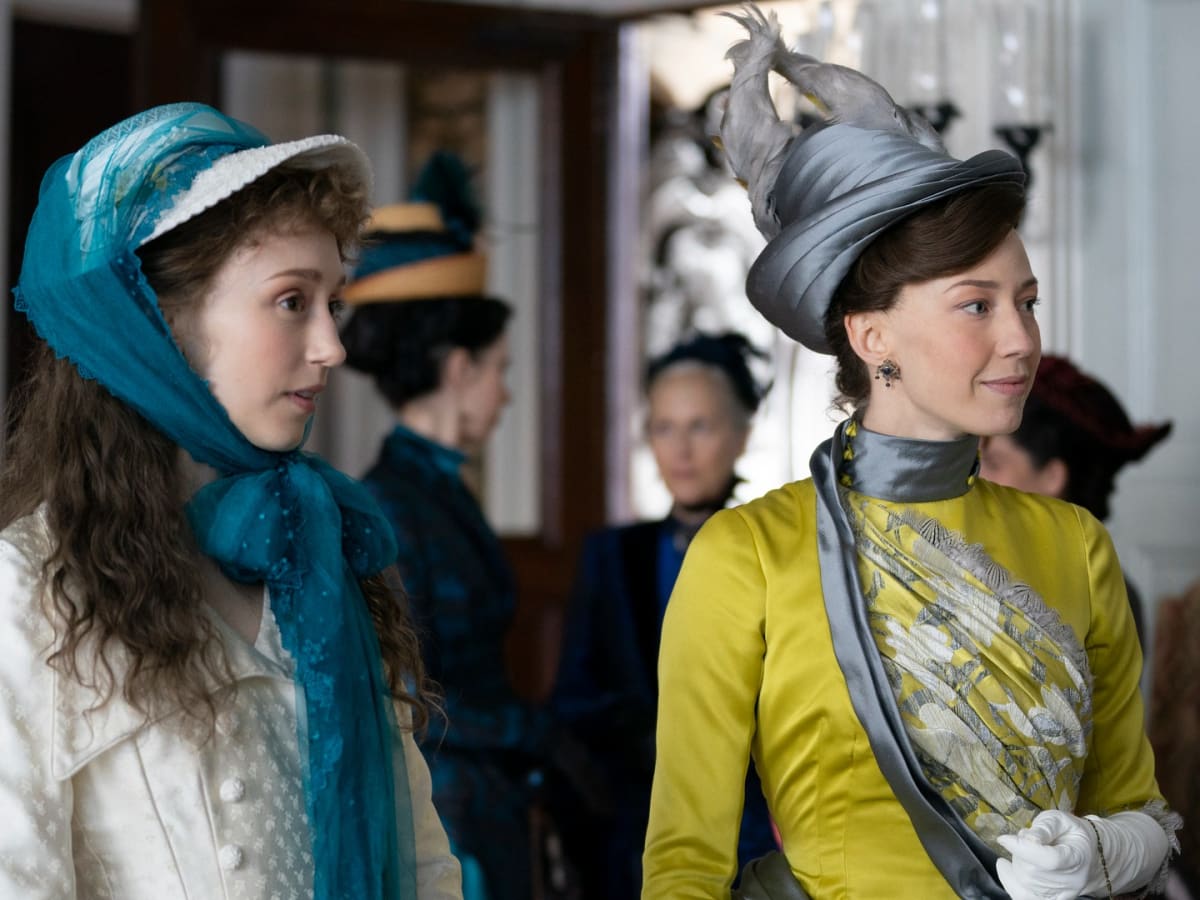
The 19th century saw a rich array of accessories and adornments that played a crucial role in completing the fashion of both men and women. These items not only served aesthetic purposes but also reflected social status and individual style. Among the most popular accessories were hats, gloves, jewelry, and parasols.
- Hats: Both men and women wore a variety of hats. For men, top hats and bowler hats were particularly fashionable in the early to mid-19th century. Women favored bonnets adorned with ribbons and flowers, especially during the later part of the century.
- Gloves: Gloves were essential for both genders. Women often wore long gloves made of silk or cotton, while men opted for shorter leather gloves, particularly for formal occasions.
- Jewelry: The use of jewelry became increasingly popular, with both men and women wearing pieces that showcased their wealth. Brooches, earrings, and necklaces often featured intricate designs and were made from precious metals and stones.
In addition to the above items, parasols became a fashionable necessity for women, especially in sunny climates. These elegant sunshades were often made from silk and featured beautiful patterns. The use of parasols highlighted the importance of maintaining a fair complexion, which was considered a sign of beauty and social status.
| Accessory | Men’s Fashion | Women’s Fashion |
|---|---|---|
| Hats | Top hats, Bowler hats | Bonnets, Wide-brimmed hats |
| Gloves | Short leather gloves | Long silk or cotton gloves |
| Jewelry | Watches, Cufflinks | Brooches, Necklaces, Earrings |
| Parasols | N/A | Silk parasols with intricate designs |
These accessories were not just functional; they also communicated messages about the wearer’s identity and social standing. For instance, the materials used in jewelry, such as gold and diamonds, denoted wealth, while the style and intricacy of a hat could indicate one’s fashion awareness and social connections.
Accessories and adornments in 19th century Europe were vital in shaping the overall aesthetic of the period. They served as a means of self-expression and a reflection of the cultural values of the time, influencing how individuals were perceived in society.
How 19th century European dress influenced modern fashion trends
The 19th century European dress laid the foundation for many modern fashion trends, reflecting changes in society, culture, and technology. The styles and silhouettes established during this era continue to resonate today, influencing various aspects of contemporary fashion.
One significant impact is the hourglass silhouette, popularized by women’s corsets in the Victorian era. This shape emphasized the waist and enhanced femininity, a concept that re-emerged in modern fashion through designs by renowned designers such as Coco Chanel and Christian Dior. Their collections often revisited the cinched waist and full skirts reminiscent of the 19th century.
- Tailoring Techniques: The structured tailoring methods used for men’s suits in the 19th century paved the way for modern menswear. The three-piece suit, including a jacket, trousers, and waistcoat, remains a staple in men’s fashion.
- Fabrics and Patterns: The use of fabrics like wool, silk, and cotton, along with patterns such as plaids and stripes, can be traced back to this period. Designers today still incorporate these materials and designs into their collections.
- Accessorizing: Accessories such as gloves, hats, and cravats were essential in the 19th century. Today, similar elements, including scarves and statement jewelry, are crucial for completing outfits.
Another notable influence is the emergence of ready-to-wear fashion. The Industrial Revolution enabled mass production, making clothing more accessible. This concept has evolved into the fast fashion industry, where trends change rapidly, yet the essence of ready-to-wear remains rooted in the 19th century.
Moreover, the 19th century saw the rise of fashion magazines and publications, which shaped consumer perceptions of style. Modern social media platforms, such as Instagram and Pinterest, echo this tradition by influencing contemporary trends and enabling real-time fashion communication.
The impact of 19th century European dress on modern fashion is profound and multifaceted. From the hourglass silhouette to the principles of tailoring and fabric use, these historical elements continue to shape how we perceive and engage with fashion today.
Frequently Asked Questions
What were the primary materials used in 19th century European dress?
19th century European dress was primarily made from natural fibers such as cotton, wool, and silk. These materials were favored for their durability and comfort, reflecting the era’s technological advancements in textile production. Additionally, velvet and lace were popular for more formal attire.
How did social class influence fashion in the 19th century?
Fashion in the 19th century was heavily influenced by social class. Wealthier individuals often wore elaborate garments made from luxurious materials, while the lower classes opted for simpler, more practical attire. This disparity reflected broader societal norms and values regarding status and identity.
What role did fashion magazines play in 19th century Europe?
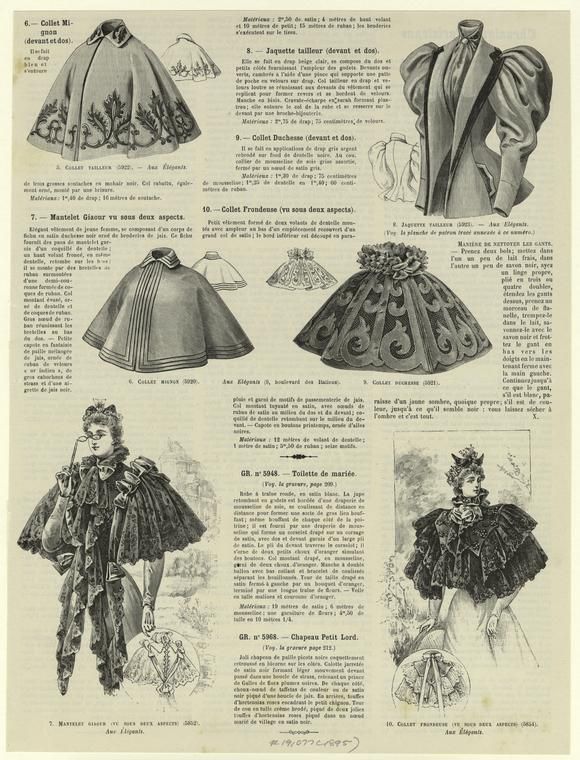
Fashion magazines became increasingly popular in the 19th century, serving as a key source of inspiration for both designers and the public. They showcased the latest styles, trends, and accessories, influencing how people dressed across social classes and regions. This democratization of fashion information was revolutionary.
How did the Industrial Revolution impact clothing production?
The Industrial Revolution transformed clothing production by introducing mechanized processes, leading to mass production of garments. This resulted in lower costs, making fashion more accessible to the middle class. Additionally, it allowed for quicker turnaround times for new styles, significantly impacting fashion trends.
What were some popular accessories in the 19th century?
Accessories played a crucial role in 19th century fashion. Popular items included hats, gloves, and jewelry, which complemented the overall outfit. Women often wore shawls and fans, while men accessorized with pocket watches and cravats, showcasing their personal style and social status.
Conclusion
Throughout the 19th century, European dress showcased remarkable regional variations, highlighted the importance of accessories and adornments, and significantly shaped modern fashion trends. These elements reflect the rich tapestry of cultural influences that defined the era and continue to resonate today. By understanding these historical fashion principles, readers can enhance their own style, appreciate the evolution of clothing, and make informed choices that reflect personal identity and cultural heritage. Explore more about 19th-century fashion and consider integrating these timeless elements into your wardrobe. Start your journey into the past and elevate your modern fashion sense today!