Have you ever wondered how photography revolutionized fashion in the 19th century? As this new medium emerged, it transformed the way people perceived and consumed fashion, allowing garments to be documented and celebrated like never before.
This article will explore the significant developments in 19th century fashion photography, highlighting key figures who shaped the industry and the innovative techniques they employed. Understanding this evolution is essential for appreciating how modern fashion photography has been influenced by its historical roots.
We will delve into the beginnings of photography, notable pioneers in the field, and the methods that defined early fashion images. Join us on this journey through time to uncover the artistry behind the lens.
The emergence of photography in the 19th century
The 19th century marked a significant turning point in the history of visual representation with the advent of photography. Invented in the early 1800s, photography provided a new medium for capturing images, revolutionizing how people perceived and documented their world. The first successful photograph, created by Joseph Nicéphore Niépce in 1826, showcased the potential of this innovative technique.
As photography evolved, so did its applications. By the 1850s, photography had gained popularity among the public, particularly for portraiture. Prominent photographers like Mathew Brady in the United States began to gain recognition for their ability to capture the essence of their subjects. Brady famously documented the American Civil War, producing over 7,000 photographs that provided visual narratives of the conflict.
- 1839: Louis Daguerre introduces the daguerreotype, the first commercially successful photographic process.
- 1851: Frederick Scott Archer develops the collodion wet plate process, allowing for sharper images.
- 1860s: The introduction of portable cameras makes photography accessible to the general public.
The rise of photography also led to the establishment of studios that specialized in portrait photography. These studios, often lavishly decorated, catered to the growing demand for personal imagery among the middle and upper classes. Notable examples include the Parisian studio of Nadar, who famously captured portraits of influential figures such as Victor Hugo and Gustave Courbet.
Moreover, photography began to influence fashion. Magazines like Harper’s Bazaar and Vogue began to use photographs to showcase the latest trends, merging the worlds of fashion and photography. This synergy allowed for a wider dissemination of fashion ideas and styles, impacting how clothing was perceived and marketed.
Key figures in 19th century fashion photography
The 19th century was pivotal not only for the invention of photography but also for the emergence of key figures who defined fashion photography. These photographers shaped the aesthetics and practices that would influence the industry for decades.
One of the most prominent figures was Charles Worth, often considered the father of haute couture. Worth’s designs were often photographed by leading photographers of his time, establishing the connection between fashion and photography. His collaboration with Georges Reutlinger, a key fashion photographer, helped popularize the visual representation of clothing in magazines.
- Caroline de Brécy: Known for her innovative approaches, she captured the essence of women’s fashion in the mid-1800s.
- Adolphe Braun: A pioneer in commercial fashion photography, his work featured detailed portraits of dresses that helped elevate designers’ profiles.
- Felix Vallotton: His early fashion illustrations were often integrated with photographic elements, blending artistic styles.
Another crucial contributor was Francesco S. P. de Montalto, who documented fashion trends in Italy. His works offered insight into the evolving styles of the time, showcasing garments worn by the elite. Montalto’s photographs were significant in promoting fashion as a cultural phenomenon.
In England, Julia Margaret Cameron was an important figure, known for her portraits that often included fashionable subjects. Her soft focus and artistic approach brought a new perspective to fashion photography, emphasizing emotion and personality over mere clothing representation.
These photographers did not only document fashion; they helped to create it. The synergy between designers and photographers led to a new visual language that defined the fashion industry. Their influence can still be seen today, as the groundwork laid during the 19th century continues to resonate in modern fashion photography.
Techniques used in early fashion photography
The early days of fashion photography were characterized by a variety of techniques that laid the groundwork for the visual representation of clothing and style. One of the most prominent methods was the use of the daguerreotype, invented by Louis Daguerre in 1839. This process produced a highly detailed image on a silver-plated copper sheet, allowing for stunning clarity that showcased intricate fabric designs.
Another essential technique was the collodion wet plate process, introduced in the 1850s. This method involved coating a glass plate with a mixture of collodion and light-sensitive chemicals. Photographers had to expose and develop the plates while they were still wet, which created a sense of urgency but also resulted in sharper images. This technique became popular for its fine detail and the ability to produce multiple prints from a single negative.
- Daguerreotype: Highly detailed, one-of-a-kind images.
- Collodion Wet Plate: Sharp images with the ability for multiple prints.
- Albumen Prints: Allowed for mass production of prints in the 1850s.
In addition to these methods, the use of natural lighting played a crucial role in early fashion photography. Photographers often relied on daylight to enhance the textures and colors of fabrics. This approach not only improved the visual quality but also created a more authentic representation of the clothing being photographed.
One notable example of early fashion photography is the work of Adolphe Braun, who began his career in the 1850s. Braun’s photographs featured high-fashion models posed in elaborate settings, showcasing the latest trends of the time. His use of the collodion process allowed for exquisite detail, making his images highly sought after by fashion magazines.
Another significant figure was Charles Nègre, who experimented with various techniques to capture the essence of fashion. His innovative approach combined elements of portraiture with fashion, creating a unique style that resonated with both the public and fashion designers.
The impact of industrialization on fashion imagery
The industrialization of the 19th century brought profound changes to various sectors, including fashion. As the economy shifted from agrarian to industrial, the demand for clothing grew, leading to the mass production of garments. This shift significantly influenced fashion imagery, allowing for a diverse representation of styles and trends.
One of the most notable impacts was the rise of fashion magazines and print media. The first fashion periodicals, such as Godey’s Lady’s Book, emerged in the 1830s, providing a platform for fashion photography to flourish. These publications featured illustrations and early photographs, showcasing the latest trends to a broader audience.
- Increased Accessibility: Industrialization made fabrics and clothing more affordable, allowing a greater segment of society to engage with fashion.
- New Styles and Trends: The introduction of machine-made clothing led to rapid changes in fashion, which were quickly captured in photographs.
- Emergence of Department Stores: By the late 19th century, department stores began to emerge, further promoting fashion photography through advertisements and catalogs.
Technological advancements also played a crucial role. With the development of lighter and more portable cameras, photographers could capture images of clothing in various settings. This innovation allowed for outdoor shoots, showcasing garments in natural light, which added a new dimension to fashion imagery.
For instance, the work of George Eastman, who introduced the Kodak camera in 1888, democratized photography. This innovation enabled everyday individuals to take photographs, leading to a surge in amateur fashion photography. As a result, fashion became more accessible not just to the elite but to the general public.
The impact of industrialization on fashion imagery was also seen in the globalization of fashion. With advances in transportation and communication, styles from different cultures began to influence Western fashion. Photographers started to incorporate diverse cultural elements into their work, further enriching the visual landscape of fashion.
Fashion trends captured in 19th century photography
The 19th century was a transformative period for fashion, as evidenced by the numerous trends captured through the lens of early photographers. The decade witnessed the emergence of distinctive styles that reflected the social and cultural dynamics of the time.
One notable trend was the rise of the crinoline, a voluminous petticoat worn by women to create a bell-shaped silhouette. By the 1850s, approximately 90% of women’s dresses featured crinolines, which were often depicted in fashion photography. This dramatic change in silhouette coincided with the increasing popularity of photography, allowing for the documentation of evolving styles.
- Victorian Era Styles: The Victorian period (1837-1901) saw the introduction of elaborate garments, including corsets and bustles that emphasized an hourglass figure.
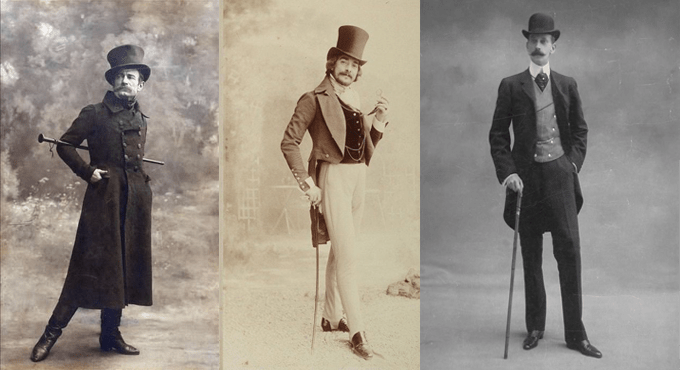
- Men’s Fashion: Tailored suits gained prominence, showcasing the importance of formal attire. By the late 1800s, the three-piece suit became the norm for gentlemen.
- Children’s Fashion: Children’s clothing mirrored adult trends, with miniature versions of the latest styles becoming popular, as seen in various family portraits.
In addition to silhouettes, color and fabric choices played significant roles in defining fashion trends. The introduction of synthetic dyes in the mid-19th century broadened the color palette available to designers. For instance, the vibrant shade of mauve, discovered by William Henry Perkin in 1856, became a sensation in women’s fashion, influencing garments showcased in fashion photography.
Photographers, such as Charles Nègre and Adolphe Braun, captured these styles, providing a visual record for future generations. Braun, in particular, was known for his detailed studies of fashion, producing over 1,300 photographs of clothing and textiles. His work contributed significantly to the understanding of 19th-century fashion trends.
Overall, the interplay between fashion and photography in the 19th century created a unique archive of style evolution. The documentation of trends such as crinolines, tailored suits, and vibrant colors not only reflected societal changes but also laid the foundation for modern fashion photography.
The role of fashion magazines and catalogs
During the 19th century, fashion magazines and catalogs emerged as pivotal platforms for disseminating fashion trends. Publications such as Harper’s Bazaar, launched in 1867, played a crucial role in shaping public perception of style. These magazines provided a visual feast of the latest designs, often accompanied by detailed descriptions, making fashion more accessible to the general public.
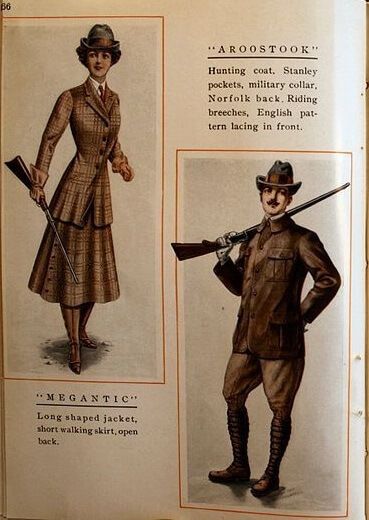
Catalogs, on the other hand, served a different purpose. Companies like Montgomery Ward and Sears, Roebuck and Co. released extensive catalogs that featured clothing items alongside stylish illustrations. These catalogs enabled consumers to visualize outfits, influencing purchasing decisions. By 1896, for instance, the Sears catalog spanned over 500 pages, showcasing a vast array of clothing options.
- Harper’s Bazaar – First published in 1867, it became a key influencer in fashion journalism.
- Vogue – Established in 1892, it further elevated fashion photography and editorial content.
- Montgomery Ward – Introduced mail-order catalogs in the late 1800s, revolutionizing retail.
- Sears, Roebuck and Co. – Their catalogs offered a wide range of affordable fashion options.
The visual style employed in these publications was integral to their success. Early fashion photography often featured models posing in elaborate settings, highlighting garments in a way that emphasized their textures and colors. For instance, the use of natural light and staged backdrops became common, allowing photographers to create striking compositions that attracted readers’ attention.
Moreover, fashion magazines often featured serialized stories that intertwined narrative with visual imagery. This approach not only entertained but also educated readers about the latest trends. An example is La Mode Illustrée, a French publication that combined storytelling with fashion illustrations, influencing styles across Europe.
As the century progressed, the role of these magazines and catalogs evolved. They transitioned from mere trend reporters to authoritative voices in the fashion industry, shaping consumer preferences and establishing the foundations for modern fashion marketing.
Challenges faced by 19th century fashion photographers
19th century fashion photographers encountered a multitude of challenges that shaped their craft and the portrayal of fashion. The advent of photography itself was a complex process, requiring skill, patience, and innovation. Here are some of the primary challenges faced by these early pioneers:
- Technical Limitations: Early photography required long exposure times, often lasting several seconds. This made capturing dynamic poses or quick movements nearly impossible.
- Cost of Equipment: The cameras and materials used were expensive and not widely accessible. Photographers often relied on glass plates and chemical processes that required substantial investment and knowledge.
- Lighting Conditions: Natural light was the primary source for photography, which meant that weather conditions could significantly affect shooting schedules. Indoor photography often required elaborate setups to mimic daylight.
- Styling and Posing: Models had to remain motionless for extended periods, leading to unnatural poses. The fashion industry was still evolving, and photographers had to work closely with designers to ensure that garments were presented effectively.
Despite these obstacles, several notable photographers emerged during this era. For instance, Charles Nègre and Adolphe Braun made significant contributions to the field. Nègre’s innovative techniques helped popularize fashion photography, while Braun’s work in cataloguing fashion trends set a precedent for future photographers.
Additionally, societal norms posed challenges. The fashion photography industry was predominantly male, but women like Gertrude Kasebier began to assert their presence. They faced not only the technical challenges of photography but also the societal expectations of women during the 19th century.
The challenges faced by 19th century fashion photographers were vast and varied, encompassing technical, financial, and societal hurdles. Their ability to navigate these obstacles laid the groundwork for the evolution of fashion photography in the years to come.
Evolution of photographic equipment and its influence
The evolution of photographic equipment in the 19th century significantly impacted the way fashion was captured and represented. Early cameras were bulky and required long exposure times, which limited the spontaneity and dynamism of fashion photography. However, advancements such as the introduction of the daguerreotype in 1839 revolutionized the field.
The daguerreotype produced detailed images on silver-plated copper sheets and allowed for shorter exposure times, making it easier to capture intricate fashion details. By the mid-1850s, the collodion wet plate process emerged, further enhancing image quality and accessibility. This technique enabled photographers to create multiple copies of a single image, thus expanding the reach of fashion photography.
- 1839: Introduction of the daguerreotype.
- 1851: Invention of the collodion wet plate process.
- 1888: Launch of the Kodak camera, democratizing photography.
As photographic equipment improved, photographers began to explore more creative compositions and settings. The introduction of portable cameras in the late 19th century allowed for greater flexibility. Photographers could capture fashion not only in studios but also in natural settings, reflecting the lifestyle and culture of the time.
For instance, the work of Charles Nègre in the 1850s showcased a blend of fashion and daily life, while Edward Muybridge later contributed to motion studies that influenced dynamic poses in fashion photography. The ability to capture movement became crucial as designers sought to showcase their garments in more lifelike scenarios.
| Year | Equipment | Impact on Fashion Photography |
|---|---|---|
| 1839 | Daguerreotype | Detailed images with shorter exposure times. |
| 1851 | Collodion wet plate | Allowed for multiple copies and improved quality. |
| 1888 | Kodak camera | Made photography accessible to the general public. |
The combination of these technological advancements fostered an environment where fashion photography could thrive. Photographers became instrumental in defining and documenting fashion trends, contributing to the broader cultural narrative of the 19th century.
Legacy of 19th century fashion photography in modern media
The legacy of 19th century fashion photography continues to resonate profoundly in modern media. The techniques and styles developed during this era laid the groundwork for contemporary fashion photography, establishing a visual language that remains influential today.
One of the most significant contributions was the emphasis on capturing dynamic poses and expressions. Photographers like Charles Worth and Edward Muybridge experimented with movement, which paved the way for capturing garments in action and showcasing their flow and fit. This approach is evident in today’s fashion editorials, where movement is crucial to conveying a designer’s vision.
- Color and Composition: The use of color in 19th century photography began to reflect contemporary styles, influencing how color palettes are chosen in modern shoots.
- Lighting Techniques: Early photographers utilized natural light, which is still a preferred method in many fashion shoots today for its ability to highlight textures.
- Backdrop and Settings: The practice of staging elaborate backdrops to enhance the clothing’s presentation originated in this period.
Moreover, the rise of fashion magazines in the 19th century set the stage for the publishing industry that thrives today. Publications such as Vogue and Harper’s Bazaar can trace their roots back to these early magazines, which not only showcased photography but also influenced public perception of fashion. This integration of photography and print media is a hallmark of the industry, shaping how fashion is marketed and consumed.
For instance, the 2021 Vogue cover featuring diverse models reflects the inclusive ideals that began to emerge in the late 19th century, showcasing a variety of styles and backgrounds. This evolution demonstrates how the foundations laid by 19th century photographers have contributed to a broader representation in fashion.
Lastly, social media platforms have revolutionized fashion photography, echoing the past’s emphasis on accessibility and immediacy. The instant sharing of images online mirrors the rapid dissemination of fashion ideas seen in 19th century catalogs, allowing photographers to reach global audiences without traditional barriers. This modern iteration reinforces the enduring influence of 19th century practices in our digital age.
Frequently Asked Questions
What were the main challenges for 19th century fashion photographers?
19th century fashion photographers faced several challenges, including technical limitations of early cameras, long exposure times, and the difficulty of capturing dynamic fashion. These obstacles influenced their creative approaches and the visual representation of garments.
How did photographic equipment evolve during the 19th century?
The evolution of photographic equipment in the 19th century introduced innovations like the daguerreotype and the introduction of roll film. These advancements improved image quality and accessibility, allowing photographers to better capture fashion in detail.
What is the legacy of 19th century fashion photography?
The legacy of 19th century fashion photography is evident in modern media through its influence on visual storytelling and advertising. Techniques from this era laid the groundwork for contemporary fashion photography, impacting how fashion is marketed today.
Where can I find examples of 19th century fashion photography?
Examples of 19th century fashion photography can be found in various museum collections, online galleries, and historical archives. Websites like the Metropolitan Museum of Art and the Library of Congress provide access to digitized collections showcasing this unique art form.
What impact did fashion magazines have on photography in the 19th century?
Fashion magazines significantly impacted 19th century photography by providing a platform for photographers to showcase their work. These publications emphasized the importance of visual representation, driving demand for high-quality fashion images and influencing the style of photography.
Conclusion
The exploration of 19th century fashion photography reveals the significant challenges faced by photographers, the evolution of photographic equipment, and the lasting legacy that influences modern media. These aspects collectively underscore the transformative power of this art form in shaping fashion representation.
By understanding these historical contexts, readers can appreciate the evolution of fashion photography and apply these insights to enhance their own creative practices. This knowledge fosters a deeper connection to both the art and the industry.
To further engage with this subject, consider exploring contemporary fashion photography techniques or visiting exhibitions that highlight the impact of 19th century styles. Your journey into this fascinating realm awaits!