Have you ever wondered how the waves of immigrants in the 19th century shaped modern society? Understanding these patterns is crucial for grasping the cultural and demographic transformations that occurred during this era.
This article will explore the key countries of origin for 19th century immigrants and the types of primary sources available for in-depth research. By delving into this topic, you will gain valuable insights into the lives of those who ventured to new lands in search of opportunities.
We will cover an overview of immigration patterns, identify major countries of origin, and highlight essential primary sources for further exploration.
Overview of 19th century immigration patterns
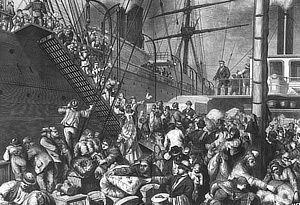
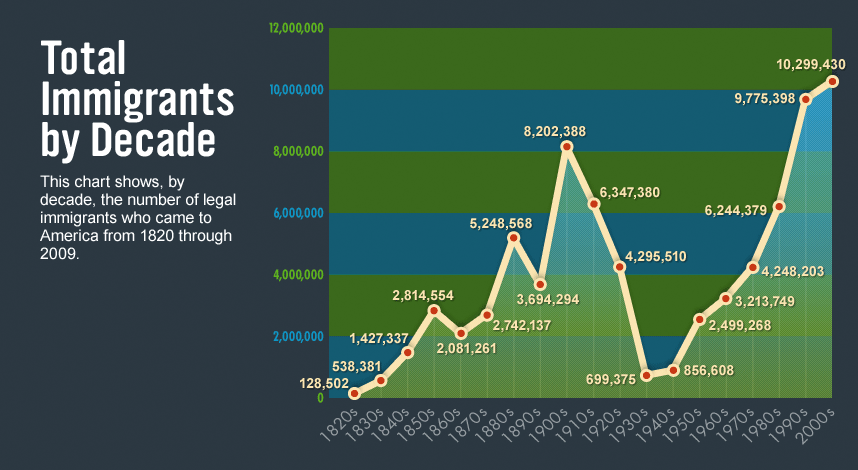
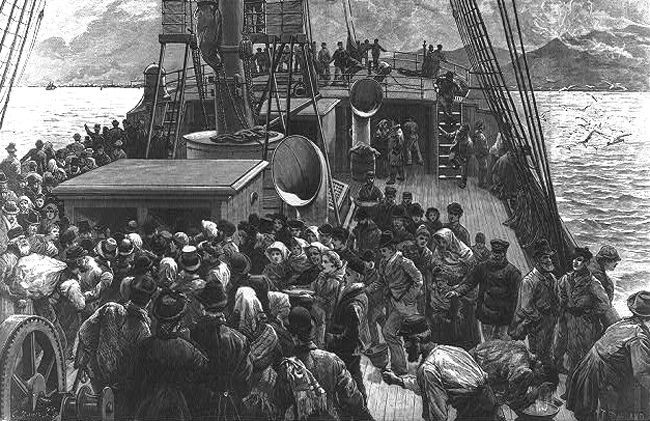
The 19th century was a transformative period for immigration to the United States, marked by significant waves of newcomers from various parts of the world. Between 1820 and 1900, over 30 million immigrants arrived, driven primarily by economic opportunities, political unrest, and social factors in their home countries.
One of the most notable patterns was the influx of Irish immigrants, particularly during the Great Famine between 1845 and 1852. Approximately 1 million Irish fled to the United States, seeking refuge from starvation and poverty. They often settled in urban areas, such as New York City and Boston, where they found work in low-paying jobs, contributing to the industrial workforce.
- Irish Immigrants: Over 1 million from 1845-1852.
- German Immigrants: Approximately 1.5 million from 1820-1860, escaping political turmoil.
- Italian Immigrants: About 4 million from 1880-1920, drawn by economic opportunities.
Another significant group was the German immigrants, who began arriving in larger numbers in the mid-19th century. Many Germans sought to escape political oppression and economic hardship, with approximately 1.5 million arriving between 1820 and 1860. They settled in the Midwest, establishing communities that would influence American culture and agriculture.
In addition to these European groups, the latter part of the 19th century saw a surge in Italian and Eastern European Jewish immigrants. Italians, particularly from southern regions, migrated in search of better living conditions and jobs. Between 1880 and 1920, around 4 million Italians settled in the U.S., primarily in urban areas along the East Coast.
Meanwhile, the Eastern European Jewish population faced severe persecution, prompting a mass migration. From 1880 to 1920, approximately 2 million Jews fled to America, contributing to the cultural and religious diversity of the nation. Many established vibrant communities, particularly in New York City.
Overall, the 19th century immigration patterns reflect a complex tapestry of human experience, shaped by a myriad of factors that influenced individuals and families to leave their homeland in pursuit of new opportunities and a better life.
Key countries of origin for 19th century immigrants
The 19th century saw a diverse array of immigrants arriving in the United States, each group contributing to the country’s cultural tapestry. The primary countries of origin for these immigrants included:
- Ireland: The Irish immigration surge was largely driven by the Great Famine (1845-1852). An estimated 1 million Irish people migrated to the U.S. during this period, significantly impacting cities like New York and Boston.
- Germany: Following the failed revolutions of 1848, approximately 1.5 million Germans immigrated to the U.S. They sought political freedom and economic opportunities, settling primarily in the Midwest.
- Italy: Between 1880 and 1920, nearly 4 million Italians left their homeland, driven by poverty and lack of employment. Many settled in urban areas, especially in New York and Chicago.
Other notable countries included:
- England: English immigrants were among the earliest arrivals, contributing to the initial colonial population. By the mid-19th century, their numbers began to decline as other groups surged.
- Scandinavia: Immigrants from Norway, Sweden, and Denmark came in significant numbers, particularly during the 1850s. By 1900, there were over 1 million Scandinavians in the U.S., many of whom settled in the Midwest.
- China: The Chinese immigrant population grew rapidly during the California Gold Rush (1848-1855), with over 300,000 arriving in search of economic opportunities.
For instance, the 1860 census recorded approximately 34,000 Chinese immigrants, but by 1880 that number had surged to over 100,000. This marked the beginning of significant Asian immigration to the United States.
The diverse origins of 19th century immigrants reflect the dynamic nature of migration patterns during this period. Each group brought unique traditions and skills, shaping the evolving identity of the United States.
Types of primary sources available for immigration research
When researching 19th century immigration, various primary sources provide valuable insights into the experiences and challenges faced by immigrants. These sources can be categorized into several types, each serving a distinct purpose in historical analysis.
- Passenger Lists: These documents record the names of immigrants arriving by ship, along with their ages, occupations, and places of origin. For example, the Ellis Island Passenger Records contain millions of entries from 1892 to 1954.
- Census Records: U.S. census data offers demographic information about immigrant populations, including household compositions and geographic distributions. The 1850 Census was the first to list individuals by name, providing a valuable resource for researchers.
- Naturalization Records: These documents detail the process by which immigrants became U.S. citizens, including petitions and final declarations. Naturalization records often include personal details and can help trace an immigrant’s journey.
- Letters and Diaries: Personal correspondence and journals provide first-hand accounts of immigrant experiences, revealing their motivations, challenges, and adaptations. For instance, the letters of Irish immigrants in the 1840s often express their hopes for a better life.
In addition to these sources, various records from religious and community organizations also play a crucial role. Many immigrant groups established churches or societies that documented their activities and provided support for newcomers.
| Type of Source | Key Features | Example |
|---|---|---|
| Passenger Lists | Names, ages, occupations, and origins | Ellis Island Passenger Records |
| Census Records | Demographic data over time | 1850 Census |
| Naturalization Records | Citizenship application details | Naturalization petitions |
| Letters/Diaries | Personal experiences and reflections | Irish immigrant letters |
Utilizing a combination of these primary sources can yield a comprehensive understanding of the 19th century immigration experience. Each type of source offers unique perspectives, contributing to a richer historical narrative.
How to access immigration records from the 19th century
Accessing immigration records from the 19th century can be a rewarding process for researchers and genealogists. These records offer a glimpse into the lives of immigrants who shaped the United States. Here are the steps to effectively access these important documents:
First, identify the specific records you need. The main types of records include:
- Passenger Lists: These lists document individuals arriving at U.S. ports.
- Naturalization Records: These records show the process of immigrants becoming U.S. citizens.
- Ship Registers: These contain details about the vessels used for immigration.
Next, determine where to find these records. Major sources include:
- National Archives and Records Administration (NARA): NARA houses a vast collection of immigration records, including passenger lists from 1820 to 1982.
- Ellis Island: For immigrants arriving between 1892 and 1954, the Ellis Island database is invaluable. It provides access to passenger records and related documents.
- FamilySearch: This free genealogy website offers a wealth of digitized immigration records.
Once you have identified the source, you can start your research. For instance, accessing the Ellis Island database requires entering basic information such as the immigrant’s name, age, and arrival date. This can yield detailed records including ship name and port of departure.
Additionally, many state archives and local historical societies have collections of immigration records. For example, the California Digital Newspaper Collection provides access to historical newspapers that may contain immigration-related articles.
Finally, consider utilizing online databases. Websites like Ancestry.com and MyHeritage offer subscription-based access to a range of immigration records, including census data and immigration applications. These platforms often include powerful search tools to help narrow down your findings.
The role of Ellis Island and other immigration ports
Ellis Island played a pivotal role in the immigration narrative of the 19th and early 20th centuries. Opened in 1892, it served as the primary gateway for over 12 million immigrants seeking a new life in the United States. By 1924, approximately 70% of all immigrants entered through Ellis Island, making it a critical point in American history.
While Ellis Island is the most recognized immigration station, several other ports also facilitated the influx of immigrants. Notable among these were:
- Castle Garden (New York City): The first official immigrant processing center in the U.S., operational from 1855 to 1890.
- Angel Island (San Francisco): Known as the “Ellis Island of the West,” it primarily processed Asian immigrants from 1910 to 1940.
- Boston’s Old State House: A significant entry point for Irish immigrants fleeing the Great Famine in the 1840s.
Each of these ports had unique procedures and regulations. For instance, at Ellis Island, immigrants underwent health inspections and legal checks, which could last several hours. Only about 2% of immigrants were sent back home due to health issues or legal problems, highlighting the rigorous process they faced.
In addition to the physical inspections, the emotional aspect of immigration cannot be understated. Many immigrants arrived with hopes and dreams, but faced the harsh reality of starting anew in a foreign land. For example, the Irish immigrants, who fled famine and persecution, often settled in urban areas, contributing to the workforce but facing discrimination and poverty.
The legacy of these immigration ports is still felt today. Ellis Island has been transformed into a museum, showcasing the stories of those who passed through its gates. In 1990, the Ellis Island Immigration Museum was established, preserving the stories of immigrants and their contributions to American society.
Overall, the roles of Ellis Island and other immigration ports were crucial in shaping America’s demographic landscape and cultural diversity. The experiences of immigrants at these locations reflect broader themes of aspiration, hardship, and resilience in the face of adversity.
Personal letters and diaries as immigration primary sources
Personal letters and diaries serve as invaluable primary sources for understanding the immigration experience in the 19th century. These documents provide intimate insights into the lives of immigrants, capturing their emotions, struggles, and aspirations during a transformative period in history.
Letters exchanged between family members often reveal the motivations for migration, detailing the push factors such as economic hardship, political unrest, or persecution. For instance, a letter from an Irish immigrant in 1847 may describe the devastating effects of the Great Famine, highlighting the urgency of leaving for America.
- Emotional connections: Letters frequently express longing for family left behind, providing a personal touch to historical events.
- Daily life: Diaries document the daily challenges faced in a new country, from finding work to navigating cultural differences.
- Community integration: Both letters and diaries can illustrate how immigrants formed communities and maintained cultural practices.
For example, the diary of a German immigrant named Wilhelm Schmidt, who arrived in New York in 1854, details his first impressions of the city. He wrote about the bustling streets and the overwhelming number of foreign languages spoken, capturing the vibrant yet intimidating experience of starting anew. Schmidt’s entries reflect both his excitement and anxiety as he sought employment and struggled with homesickness.
Additionally, collections of personal letters can often be found in archives and libraries, making them accessible for research. Institutions such as the New-York Historical Society and the Library of Congress house numerous personal accounts that enrich the narrative of 19th century immigration.
Researching these personal documents unveils the human side of immigration, moving beyond statistics to illustrate the profound individual stories that collectively shaped a nation. By analyzing these sources, researchers can better understand the diverse experiences of immigrants and their contributions to American society.
Government documents and immigration laws of the 19th century
Government documents and immigration laws from the 19th century provide essential context for understanding the immigration patterns of the time. These documents outline the legal framework that regulated the entry of immigrants into the United States, reflecting the socio-political climate of the era.
One of the most significant laws was the Immigration Act of 1882, which marked a turning point in U.S. immigration policy. This act introduced a head tax of 50 cents on every immigrant and prohibited the entry of individuals deemed “undesirable,” including criminals and those with mental disabilities.
- Immigration Act of 1891: This act expanded the list of exclusions to include those with contagious diseases and those likely to become public charges.
- Chinese Exclusion Act of 1882: This law specifically targeted Chinese laborers, banning their immigration for ten years and reflecting the growing anti-Asian sentiment.
- Contract Labor Law of 1885: This law prohibited the importation of foreign laborers under contract, aimed at protecting American workers from competition.
These laws were documented in various government publications, including the Annual Reports of the Commissioner of Immigration. These reports provide statistics on the numbers of immigrants arriving each year, their countries of origin, and the reasons for their immigration.
For instance, in 1892, the year Ellis Island opened, over 450,000 immigrants were processed, with a significant number arriving from countries such as Ireland, Germany, and Italy. This influx contributed to the rapid demographic changes in American society.
Researchers can access these government documents through archives such as the National Archives and Records Administration (NARA) and state repositories. Many of these records have been digitized, making them more accessible for those interested in exploring the history of immigration laws and their impacts.
Using census records to trace immigrant families
Census records are a crucial tool for historians and genealogists seeking to trace immigrant families from the 19th century. These records, taken every ten years, provide a snapshot of the population, including vital details about family members, their origins, and settlement patterns. The first comprehensive census in the United States was conducted in 1790, but it became more detailed and useful for tracing immigrants in subsequent decades.
For example, the 1880 Census introduced enhanced categories such as birthplace for each family member, which significantly aids in identifying immigrant origins. By examining these records, researchers can uncover the migration journey of families, including:
- Names of family members
- Age and gender
- Birthplace and year of immigration
- Occupation and economic status
- Residence location
Utilizing census records effectively involves understanding how to read and interpret the data. For instance, the 1900 Census not only provided the month and year of immigration but also indicated whether individuals had naturalized. This information is invaluable when constructing a family tree or understanding the broader immigration patterns.
To illustrate, consider a family with the surname Rossi. In the 1900 Census, you might find:
| Name | Age | Birthplace | Year of Immigration | Naturalized |
|---|---|---|---|---|
| Giovanni Rossi | 45 | Italy | 1890 | Yes |
| Maria Rossi | 42 | Italy | 1892 | No |
This data not only highlights the individual immigrant but also reflects the larger trend of Italian immigration during that period. By cross-referencing census data with other primary sources, such as immigration records and naturalization papers, researchers can construct a more comprehensive narrative of immigrant families.
Census records are an indispensable resource for tracing the lineage of immigrant families in the 19th century. They provide essential details that help illuminate the experiences and contributions of immigrants to American society.
Challenges in interpreting 19th century immigration sources
Interpreting 19th century immigration sources poses several challenges that historians and researchers must navigate. One significant issue is the variability in documentation. Different countries had distinct immigration policies and record-keeping practices, leading to inconsistencies in the available data. For instance, while the United States maintained detailed passenger lists starting in 1820, other nations may not have documented emigration as thoroughly.
Another challenge is language barriers. Many primary sources were recorded in the native languages of immigrants, which can complicate understanding for researchers not fluent in those languages. For example, letters written in German or Italian may contain idiomatic expressions that do not translate directly into English, potentially altering their intended meaning.
- Inaccurate records: Errors in transcription or data entry can lead to misinformation.
- Missing documents: Many records may have been lost or destroyed over time, limiting the available information.
- Subjectivity: Personal accounts may reflect bias or exaggeration, complicating objective analysis.
For instance, an immigrant diary from 1850 may highlight the hardships faced during the journey, but it could also include personal grievances that do not represent the broader immigrant experience. Such subjective narratives require careful contextualization to avoid misinterpretation.
Moreover, the historical context surrounding these sources is essential. Events such as the Irish Potato Famine (1845-1852) or the unification of Italy in the 1860s influenced the motivations for immigration. Understanding these events is critical for accurately interpreting letters or government documents from that period.
Lastly, the intersection of race and class complicates the analysis of immigration sources. Immigrants from affluent backgrounds may have had vastly different experiences and documentation compared to those from lower socioeconomic classes. This disparity can skew historical narratives if not adequately addressed.
Frequently Asked Questions
What types of government documents are available for 19th century immigration?
There are various types of government documents related to 19th century immigration, including immigration laws, passenger lists, and naturalization records. These documents provide insights into the legal framework and the demographics of immigrants during that era.
How can census records help in researching immigrant families?
Census records are vital for tracing immigrant families as they contain information such as names, ages, and places of origin. By analyzing these records, researchers can uncover migration patterns and family connections that are essential for genealogical research.
What challenges do historians face when interpreting immigration sources?
Historians encounter several challenges when interpreting immigration sources, such as language barriers and incomplete records. Additionally, differing naming conventions and record-keeping practices can complicate the research process, making it essential to approach these sources critically.
Where can I find primary sources for 19th century immigration studies?
Primary sources for 19th century immigration can be found in various locations, including national archives, local libraries, and online databases. Many institutions provide access to digitized records and documents, facilitating research for historians and genealogists.
Why are immigration laws important for understanding 19th century migration?
Immigration laws are crucial for understanding the context of 19th century migration as they outline the legal parameters governing entry to countries. These laws influenced who could immigrate, shaping demographic trends and providing insight into societal attitudes towards immigrants during that time.
Conclusion
Understanding 19th century immigration requires a thorough examination of government documents, immigration laws, and census records. These primary sources shed light on the complex tapestry of immigrant experiences and the challenges historians face when interpreting them. By utilizing these resources, readers can gain profound insights into their own family histories or broader immigration trends. This knowledge can enhance both personal research and academic pursuits, bridging gaps in understanding the past. To further explore this rich history, consider accessing online archives or local historical societies. Start your journey into the world of 19th century immigration sources today!