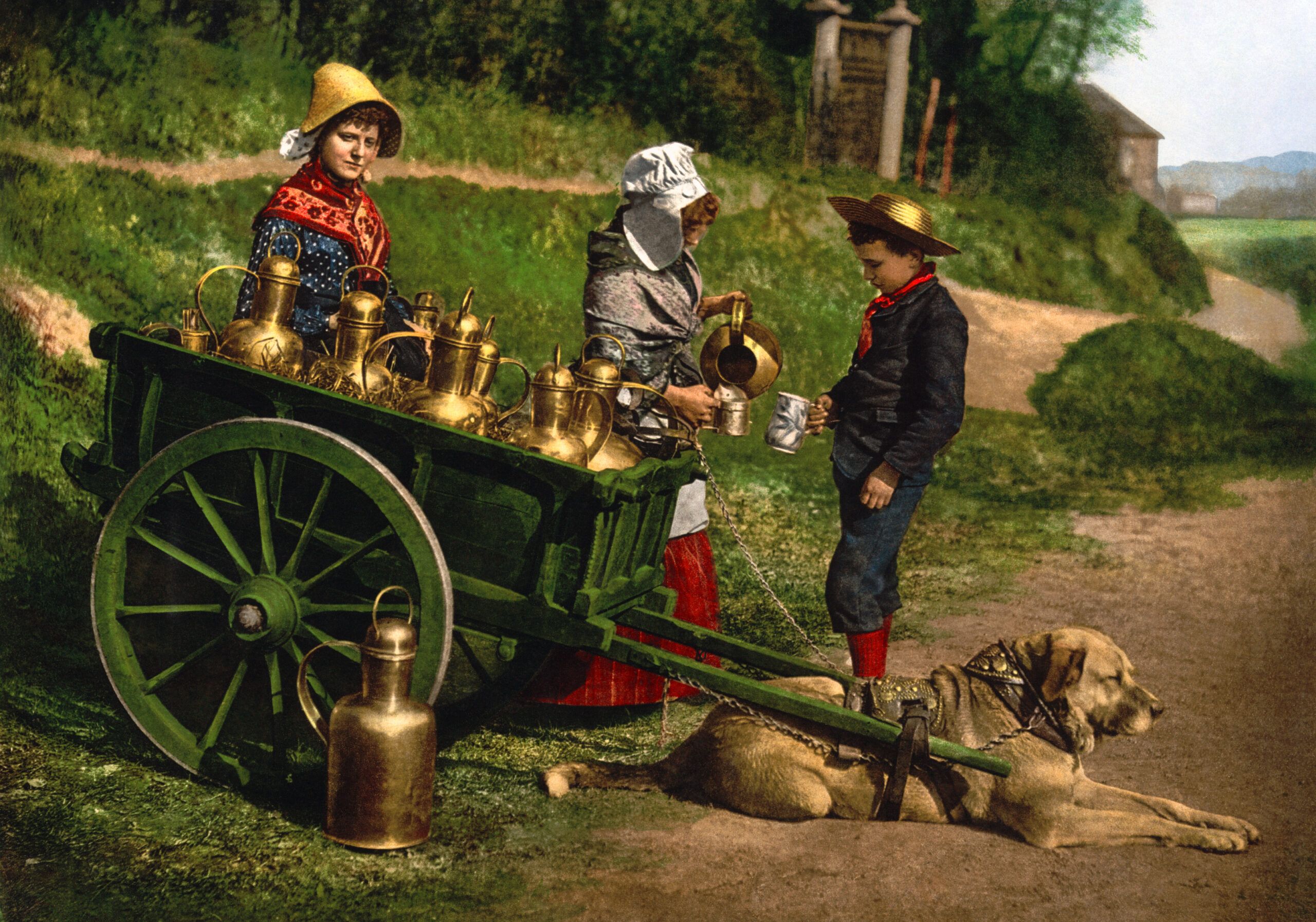
Have you ever wondered how photography evolved in Japan during the 19th century? This era marked a significant cultural shift, intertwining traditional Japanese art with emerging photographic techniques, yet many remain unaware of its profound impact on both Japanese and global photography.
This article will explore the origins of photography in Japan, highlight key figures who shaped this art form, and examine the innovative techniques and equipment used during the period. Understanding these elements will enhance your appreciation for the rich history and artistic evolution of Japanese photography.
We will discuss influential photographers, the technological advancements of the time, and the unique aesthetics that emerged. Join us as we delve into this captivating intersection of art and technology.
The origins of photography in Japan
The introduction of photography in Japan can be traced back to the mid-19th century, during a time of significant cultural and technological change. The first photographic process to reach Japan was the daguerreotype, introduced by French photographer François Willème in 1851. This method captured images on a polished metal plate, offering a unique glimpse into the world around them.
Initially, photography was met with skepticism. Traditional Japanese art forms, such as ukiyo-e woodblock prints, dominated the visual landscape. However, as the technology advanced, many Japanese artists began to explore its potential. By the late 1850s, photography gained popularity among the elite and was used for portraiture, landscapes, and documentation of daily life.
- 1854: Commodore Matthew Perry’s arrival in Japan opened the country to Western influences.
- 1859: The establishment of commercial studios in Yokohama, such as F. A. McClellan, which catered to foreign residents.
- 1860s: Japanese photographers like Ueno Hikoma began to gain recognition, producing significant works that reflected both Western and traditional aesthetics.
One notable example of early Japanese photography is the work of Kamekura Yōsuke, who documented the cultural shifts occurring in Japan. His images not only captured the essence of the time but also showcased the nation’s transition from isolation to modernization. By the 1870s, the government recognized the importance of photography for documentation, leading to the establishment of photographic schools and the promotion of photography as an art form.
As the 19th century progressed, Japanese photographers began to experiment with techniques such as albumen printing and collodion wet plates. These innovations allowed for higher quality images and greater artistic expression. The blending of traditional Japanese aesthetics with Western techniques resulted in a unique photographic style that would influence future generations.
Key figures in 19th century Japanese photography
During the 19th century, several key figures emerged in the realm of Japanese photography, significantly influencing its evolution and acceptance. These pioneers brought unique perspectives and styles, contributing to a rich photographic heritage.
- J. W. H. de Klerk (1836-1893): A Dutch photographer, de Klerk played a pivotal role in introducing Western photographic techniques to Japan. His work included portraits and landscapes, showcasing the beauty of Japan while blending Western styles with traditional aesthetics.
- Felice Beato (1832-1909): An Italian photographer, Beato is renowned for his war photography during the Boshin War (1868-1869). His images captured the real-life experiences of soldiers and civilians, providing invaluable documentation of this tumultuous period.
- Yosuke Yamamoto (1841-1896): As a Japanese photographer, Yamamoto is noted for his portraits and scenes of daily life. His ability to capture the essence of his subjects helped to raise the status of photography as an art form in Japan.
- Shinichi Suzuki (circa 1870-1947): Suzuki was instrumental in the development of photographic education in Japan. He established schools that taught both technical skills and artistic expression, fostering a new generation of photographers.
These photographers not only documented Japan’s transition into modernity but also influenced the perception of photography as an artistic medium. Their contributions included:
- Innovative techniques that combined Western and traditional Japanese styles.
- Documentaries that provided insight into Japanese culture and history.
- Portraiture that elevated the status of photography in Japanese society.
In addition to these figures, the works of Kusakabe Kimbei (1841-1934) deserve mention. Kimbei specialized in color photography, using the collodion wet plate process to create vibrant images of landscapes and cultural scenes. His photographs became highly sought after by tourists and collectors alike, reflecting the growing interest in Japan during the Meiji era.
Overall, the contributions of these key figures laid the foundation for the development of Japanese photography, influencing both contemporary practices and future generations of photographers.
Techniques and equipment used during the period
During the 19th century, Japanese photographers employed various techniques and equipment that were pivotal in shaping the art of photography in Japan. The most notable of these was the wet plate collodion process, which allowed for the production of detailed images on glass plates.
This method, introduced in the 1850s, enabled photographers to create sharp and high-quality prints. The process involved coating a glass plate with a mixture of collodion and silver nitrate, exposing it while still wet, and then developing it before it dried. This technique was crucial for capturing portraits and landscapes.
- Wet Plate Collodion: Introduced around 1851, it required a portable darkroom.
- Albumen Prints: First used in the 1850s, made from egg whites for glossy prints.
- Salted Paper Prints: Early method that used salt to create prints on paper.
Another significant equipment was the camera obscura, which allowed photographers to project images onto a surface. This device was used as a drawing aid before the advent of photography. By the 1860s, box cameras became prevalent, making photography more accessible to amateurs and professionals alike.
For instance, the photographer Fujimoto Shōzō was known for his innovative use of the box camera, producing numerous portraits that captured the essence of the Meiji era. His works highlighted the transition from traditional art forms to the modern approach in photography.
| Technique | Introduction Year | Key Feature |
|---|---|---|
| Wet Plate Collodion | 1851 | Sharp images on glass plates |
| Albumen Prints | 1850s | Glossy surface from egg whites |
| Salted Paper Prints | 1839 | Early paper prints using salt |
Additionally, the use of Japanese-style cameras was common, which often featured unique designs tailored to local tastes. These cameras were not only functional but also reflected the cultural aesthetics of the time.
Overall, the combination of these techniques and equipment contributed significantly to the evolution of photography in Japan during the 19th century, laying the groundwork for future developments in the medium.
The influence of Western photography on Japanese artists
The arrival of Western photography in Japan significantly altered the landscape of visual arts in the 19th century. As Japan opened its doors to foreign influences, many Japanese artists began to adopt and adapt Western photographic techniques. This fusion of styles not only transformed their artistic practices but also expanded the scope of photography in Japan.
One of the primary influences was the introduction of the daguerreotype, a process developed in France in the 1830s. This method allowed for more detailed and lifelike images compared to previous techniques. By 1855, the daguerreotype had made its way to Japan, captivating local artists and photographers alike.
- Adoption of New Techniques: Japanese photographers began to experiment with Western methods, integrating them into their work.
- Influence on Composition: Western photography emphasized perspective and depth, concepts that were eagerly embraced by Japanese artists.
- Expansion of Subject Matter: Themes of portraiture, landscapes, and everyday life became more pronounced as artists explored new narratives.
One notable figure in this transition was Félix Vallotton, a Swiss artist who traveled to Japan in the late 19th century. Vallotton’s work showcased the blending of Western techniques with traditional Japanese aesthetics, emphasizing the unique cultural exchange that was occurring. His photographs often featured striking contrasts and innovative compositions, which inspired local artists to rethink their own practices.
Furthermore, institutions such as the Tokyo School of Fine Arts played a crucial role in promoting Western photography. Established in 1883, the school introduced Western art education to Japanese students, fostering a new generation of artists who were well-versed in both traditional and modern techniques. By the end of the century, many graduates were creating works that reflected this rich cultural synthesis.
The influence of Western photography fundamentally reshaped Japanese artistic practices during the 19th century. As artists embraced new techniques and ideas, they paved the way for a uniquely Japanese interpretation of photography that would continue to evolve in the years to come.
Themes and subjects commonly captured
Throughout the 19th century, Japanese photographers focused on a diverse array of themes and subjects that reflected both traditional and modern influences. One significant theme was the portrayal of landscapes. Many photographers captured the natural beauty of Japan, including iconic locations such as Mount Fuji and the cherry blossoms in full bloom. These images often combined elements of traditional Japanese aesthetics with the newfound techniques introduced by Western photography.
- Portraiture: Individual and group portraits became increasingly popular, showcasing the attire and customs of various social classes.
- Cultural events: Festivals and ceremonies were frequently documented, providing insights into Japanese traditions and celebrations.
- Daily life: Photographers captured scenes of everyday activities, from farmers working in the fields to merchants in bustling markets.
Another prevalent subject was the documentation of architecture. Photographers like Kusakabe Kimbei and Felice Beato focused on temples, shrines, and urban landscapes, preserving the essence of Japan’s architectural heritage during a time of rapid modernization. This documentation played a crucial role in understanding Japan’s historical context as it transitioned into the Meiji era.
For instance, Beato’s work in the 1860s included stunning images of the Hama-Rikyu Gardens and the Great Buddha of Kamakura. His photographs not only captured the beauty of these sites but also served as a means to promote tourism, as the Western world grew increasingly fascinated with Japan.
Moreover, the themes of war and conflict also found their way into photography. The Boshin War (1868-1869) and other military conflicts were documented by photographers who aimed to preserve the realities of war. These images often depicted soldiers in action, providing a rare glimpse into the turmoil of the era.
The themes and subjects captured by 19th-century Japanese photographers were vast and varied, encompassing landscapes, portraiture, cultural events, architecture, and moments of conflict. This rich diversity not only reflects the society of the time but also marks the evolution of photography as an art form in Japan.
The role of photography in documenting Japanese society
Photography in 19th century Japan played a crucial role in documenting the rapid changes occurring within society. As Japan transitioned from isolation to a more open interaction with the world, photography emerged as a powerful medium to capture these transformations. Photographers like Félix Vallotton and Shin’ichi Sōma utilized their cameras to record the daily lives, customs, and landscapes of Japan.
- Social documentation: Photographers documented social classes, capturing scenes from the lives of both the elite and the common people. This visual representation provided a comprehensive view of society.
- Cultural preservation: As Western influences began to permeate Japanese culture, photography served as a means of preserving traditional practices and customs before they were transformed or lost.
- Urbanization: The rise of cities like Tokyo and Yokohama was documented through photographs that showcased their architectural advancements and bustling streets.
One notable example is the work of Kusakabe Kimbei, who produced stunning photographs during the Meiji era. His images, often featuring traditional garments and ceremonies, provided a glimpse into Japan’s cultural heritage amidst modernization. For instance, Kimbei’s photographs of the annual Gion Matsuri festival in Kyoto captured the vibrancy of the event, highlighting both the festivities and the traditional attire of participants.
Additionally, photography played a significant role in documenting historical events. The Sino-Japanese War (1894-1895) was one such instance where photographers like Yamamoto Shōji captured battles and military life, which were then disseminated to the public. These images often shaped public perception and sentiment regarding Japan’s military endeavors.
The role of photography in 19th century Japan extended beyond mere artistic expression. It became an essential tool for documenting the societal shifts, cultural traditions, and historical events that defined the era. Through the lens of photographers, the multifaceted nature of Japanese society was preserved for future generations to study and appreciate.
Preservation and restoration of 19th century photographs
The preservation and restoration of 19th century photographs are vital to maintaining a connection with Japan’s visual history. These photographs, often fragile and susceptible to deterioration, require careful handling and innovative techniques for restoration.
One of the primary challenges in preserving these images is the material composition. Most photographs were created using processes such as daguerreotype, albumen print, and tintype, which involve various chemicals and materials that degrade over time. Therefore, understanding these processes is essential for effective preservation.
- Temperature and Humidity Control: Maintaining stable environmental conditions is crucial. Photographs should ideally be stored in a cool, dry place with controlled humidity levels to prevent mold growth and fading.
- Physical Handling: When handling photographs, it is essential to use gloves to avoid transferring oils and dirt from hands. Using archival-quality sleeves can also protect photographs from dust and physical damage.
- Digitization: Creating digital copies of original photographs allows for easier access while preserving the physical originals. Digitization can also help in sharing these historical artifacts with a broader audience.
Restoration techniques vary depending on the condition of the photographs. For example, photographs with tears or discoloration may undergo conservation treatments that involve cleaning, mending, and re-coloring. Professional conservators often employ specific methods tailored to the photograph’s original materials.
An outstanding example of successful preservation can be seen in the work of the Tokyo National Museum, which has undertaken extensive efforts to restore and conserve 19th century photographs. Their project includes the digitization of over 10,000 historical photographs, making them accessible to researchers and the public.
Collaborative efforts between museums, universities, and private collectors have also enhanced the preservation landscape. Initiatives include workshops on best practices in preservation and restoration, ensuring that knowledge is shared across institutions.
The preservation and restoration of 19th century photographs involve multifaceted approaches that combine environmental control, careful handling, and advanced restoration techniques. The ongoing efforts are crucial for safeguarding Japan’s photographic heritage for future generations.
Impact of 19th century photography on modern Japanese art
The influence of 19th century photography on modern Japanese art is profound and multifaceted. As photographers began to document the changing landscape and daily life in Japan, their work laid the groundwork for contemporary artistic practices. This era introduced new techniques and perspectives that would eventually be integrated into various art forms.
One significant impact of photography was the introduction of realism in art. Artists like Yasumasa Morimura and Rineke Dijkstra began to draw inspiration from photographic compositions, emphasizing details and lifelike representations. These contemporary artists often blend traditional themes with modern techniques, showcasing the evolution of visual storytelling.
- Realism: The shift from traditional to realistic depictions in painting and sculpture.
- Composition: Adoption of photographic framing techniques in visual arts.
- Subjects: A focus on everyday life and societal themes, inspired by photographic documentation.
Moreover, the aesthetic principles established by 19th century photography have influenced various contemporary art movements in Japan. The use of light and shadow, depth of field, and the capturing of fleeting moments are now essential techniques in modern Japanese artwork. For instance, the Japanese avant-garde movement in the late 20th century embraced these photographic qualities, leading to innovative installations and performances.
| Photography Influence | Modern Art Equivalent |
|---|---|
| Documentary style | Conceptual and performance art |
| Realistic portrayal | Hyperrealism in painting |
| Emphasis on light | Contemporary installations |
Additionally, the legacy of photographers like Felice Beato and Tokutomi Soho, who captured both landscapes and portraits, continues to resonate. Their work not only documented historical events but also inspired modern artists to explore cultural identity and the passage of time through visual media.
The impact of 19th century photography on modern Japanese art is evident in the techniques, themes, and philosophies that continue to shape the artistic landscape today. The dialogue between photography and other art forms has enriched the cultural tapestry of Japan, resulting in a dynamic and evolving artistic expression.
Notable photographic collections and exhibitions
Throughout the 19th century, numerous photographic collections and exhibitions emerged, highlighting the significance of photography in Japan. These collections not only showcased the artistry of early photographers but also served as historical archives of societal changes.
One of the most significant collections is held at the Tokyo National Museum. This collection features over 1,500 photographs taken by prominent photographers such as Felice Beato and Yoshu Chikanobu. These images capture various aspects of Japanese life, from landscapes to portraits, reflecting the cultural shifts of the era.
- Felice Beato’s collection: Includes images from the Boshin War (1868-1869), offering a rare glimpse into the conflicts that shaped modern Japan.
- Yoshu Chikanobu’s works: Known for his vibrant Ukiyo-e style, Chikanobu’s photographs blend traditional art with modern photographic techniques.
Another notable exhibition took place at the Yokohama Museum of Art in 2009, titled “The Birth of Modern Photography in Japan”. This exhibition featured over 300 works from various photographers, emphasizing their role in documenting the Meiji Restoration. The exhibition highlighted the transition from Edo-period art forms to Western-style photography.
In addition, the National Museum of Modern Art in Kyoto boasts a remarkable collection of photographs from the late 19th century. The museum emphasizes the work of Shinzo Maeda, whose landscapes captured the transformations in nature and urban environments. Maeda’s photographs serve as a testament to the changing relationship between people and their surroundings during this transformative period.
These collections and exhibitions are essential for understanding the historical context and artistic evolution of photography in Japan. They provide insights into various themes, including:
- The influence of Western technology on Japanese photography.
- The documentation of social and political events.
- The integration of traditional Japanese aesthetics with modern photographic practices.
Overall, the notable photographic collections and exhibitions of the 19th century not only celebrate the artistry of early Japanese photographers but also preserve vital historical narratives that continue to resonate today.
Frequently Asked Questions
What techniques were used in 19th century Japanese photography?
19th century Japanese photography utilized various techniques, including the collodion wet plate process and albumen prints. These methods allowed photographers to create detailed images, capturing the essence of Japanese culture and landscapes during a transformative period.
How did photography affect Japanese society in the 19th century?
The introduction of photography significantly impacted Japanese society by influencing art, culture, and communication. It provided a new medium for documenting daily life and historical events, shaping perceptions of Japan both domestically and internationally.
Are there any famous photographers from 19th century Japan?
Yes, notable photographers such as Yoshu Chikanobu and Felice Beato emerged during this period. Their works contributed to the development of photography in Japan and are celebrated for their artistic and historical value.
What challenges did 19th century photographers face in Japan?
19th century photographers encountered several challenges, including limited resources and cultural resistance to the new medium. Additionally, the technical difficulties of early photography, such as long exposure times, posed obstacles in capturing everyday moments.
Where can I view 19th century Japanese photographs today?
Many 19th century Japanese photographs can be found in museums and galleries, both in Japan and internationally. Institutions like the Tokyo National Museum and the Smithsonian offer significant collections and exhibitions showcasing this historical art form.
Conclusion
The preservation and restoration of 19th century photographs are essential for connecting with Japan’s visual history. Additionally, the impact of these photographs on modern Japanese art is significant, influencing techniques and themes. Finally, notable collections and exhibitions have showcased this art form’s importance throughout the years. By understanding and appreciating 19th century photography, readers can enhance their knowledge of Japan’s cultural evolution and gain insights into modern artistic expressions. This awareness fosters a deeper connection with historical narratives and contemporary art. Explore local galleries or online exhibitions to experience 19th century Japanese photography firsthand. Engaging with this rich history can inspire further research and appreciation for Japan’s artistic legacy.