Have you ever considered how the 19th century served as a pivotal turning point in modern history? This era was marked by profound changes that shaped the world we live in today, yet many remain unaware of its complexities and advancements.
In this article, you will discover the key technological advancements, social shifts, and cultural transformations that defined the 19th century. Understanding these elements is essential for grasping the roots of contemporary society and the forces that have influenced it.
We will explore an historical overview, highlight significant innovations, and discuss the social and cultural changes that emerged during this transformative period. Prepare to delve into the rich tapestry of the 19th century.
Historical overview of the 19th century
The 19th century was a period of profound change and transformation across the globe. It was marked by the Industrial Revolution, which began in Britain in the late 18th century and spread to other parts of Europe and North America. This revolution fundamentally altered production methods, leading to mass production and the rise of factories. By 1850, cities like Manchester and Birmingham had become symbols of industrial growth, with populations swelling due to rural-to-urban migration.
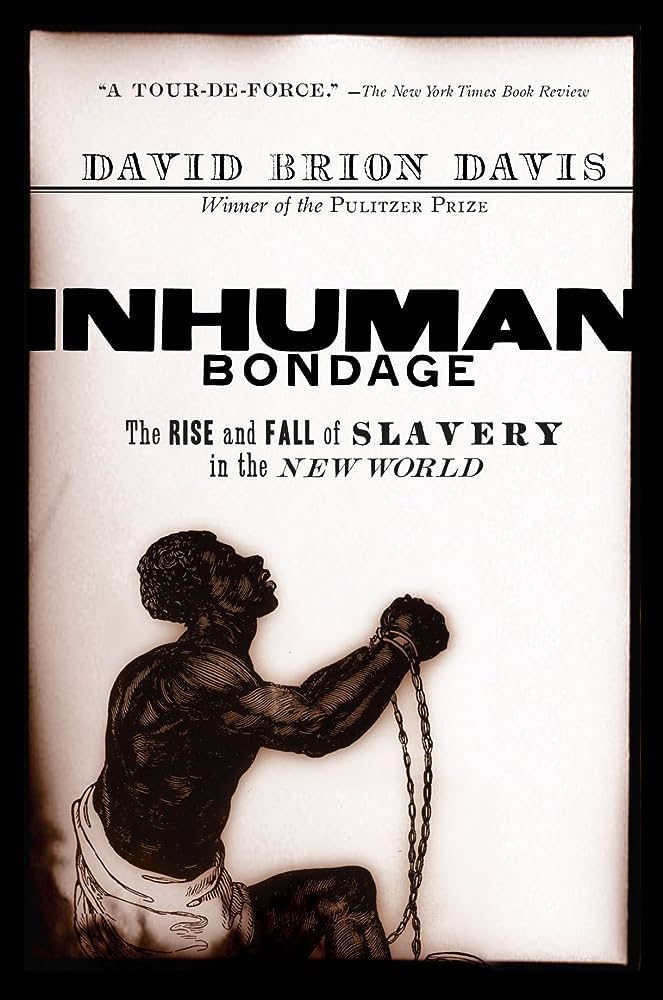
Alongside industrialization, the century witnessed significant political changes. The American Civil War (1861-1865) was a pivotal conflict that emerged from tensions over slavery and states’ rights. It resulted in the abolition of slavery and set a precedent for civil rights movements in the future. Similarly, the Revolutions of 1848 across Europe showcased a widespread demand for democratic reforms and national unification, especially in countries like Germany and Italy.
- Key Events of the 19th Century:
- Industrial Revolution (late 18th century – early 19th century)
- American Civil War (1861-1865)
- Revolutions of 1848 in Europe
- Unification of Italy (1861) and Germany (1871)
The century was also characterized by cultural movements and artistic innovations. The Romantic Movement, which emerged in the late 18th century, reached its peak during this time, emphasizing emotion and individualism. Notable figures such as William Wordsworth and Victor Hugo illustrated the shift towards valuing personal experience and nature in literature and art. Meanwhile, the invention of photography in the 1830s by pioneers like Louis Daguerre revolutionized visual representation.
The 19th century was a dynamic era defined by industrial, political, and cultural upheavals. The changes that took place laid the groundwork for the modern world, influencing various aspects of society, including technology, governance, and the arts. Understanding these historical developments is crucial for appreciating contemporary issues and advancements.
Key technological advancements during the 19th century
The 19th century witnessed several technological advancements that significantly altered industries and daily life. These innovations were crucial for the development of modern society and laid the groundwork for the 20th century.
- Steam Engine: Perfected by James Watt in the late 18th century, the steam engine became a driving force of the Industrial Revolution. By 1800, steam engines were powering factories, trains, and ships, revolutionizing transport and manufacturing.
- Telegraph: Introduced by Samuel Morse in the 1830s, the telegraph transformed communication. In 1844, the first long-distance telegraph line connected Washington, D.C., to Baltimore, allowing messages to be transmitted across vast distances in minutes.
- Photography: The invention of photography in the 1830s by Louis Daguerre enabled people to capture images for the first time. This innovation changed art, journalism, and personal documentation.
- Railroads: The expansion of railroads in the 19th century facilitated faster transportation of goods and people. By 1860, the United States had over 30,000 miles of railroad track, promoting economic growth and urbanization.
Another significant advancement was the development of electricity. By the late 19th century, inventors like Thomas Edison and Nikola Tesla were harnessing electrical power. In 1882, Edison’s Pearl Street Station in New York City became the first commercial power plant, supplying electricity to customers.
In addition to these innovations, the 19th century saw advancements in various fields:
- MedicineDiscoveries such as anesthesia and antiseptics by pioneers like Joseph Lister revolutionized surgical practices.
- Textile Manufacturing: The introduction of the power loom and spinning jenny improved textile production efficiency, resulting in reduced costs and greater availability of fabric.
- Iron and Steel Production: The Bessemer process, developed in the 1850s, enabled mass production of steel, which was vital for construction and machinery.
These advancements not only enhanced productivity but also transformed societal structures, leading to urbanization and changes in labor dynamics. The 19th century was indeed a pivotal time of innovation that shaped the modern world.
Social and cultural changes in the 19th century
The 19th century was marked by significant social and cultural transformations that reflected the shifting dynamics of society. The rise of industrialization led to urbanization, with millions moving to cities in search of work. This migration altered social structures and contributed to the growth of a distinct urban culture.
One of the most notable social changes was the emergence of the middle class. As businesses flourished, a new economic class gained prominence. This group valued education, consumerism, and social mobility, leading to increased demand for literature, art, and entertainment.
- Education: The push for public education grew, with reforms in the early 19th century making education accessible to more children.
- Women’s Rights: The fight for women’s suffrage began to take shape, highlighted by events such as the Seneca Falls Convention in 1848.
- Labor Rights: Workers began organizing for better conditions, leading to the formation of labor unions by the late century.
Art and literature also evolved during this period, reflecting the complexities of contemporary life. The Romantic movement emerged in the late 18th century but gained momentum throughout the 19th century. Writers like William Wordsworth and Edgar Allan Poe explored themes of emotion and nature, contrasting the rationalism of the Enlightenment.
By the mid-19th century, realism became the dominant artistic style, focusing on everyday life and social issues. Prominent authors such as Charles Dickens highlighted the struggles of the poor, while artists like Gustave Courbet depicted the realities of working-class life.
| Movement | Key Characteristics | Notable Figures |
|---|---|---|
| Romanticism | Emphasis on emotion, nature, and individualism | William Wordsworth, Edgar Allan Poe |
| Realism | Focus on everyday life and social issues | Charles Dickens, Gustave Courbet |
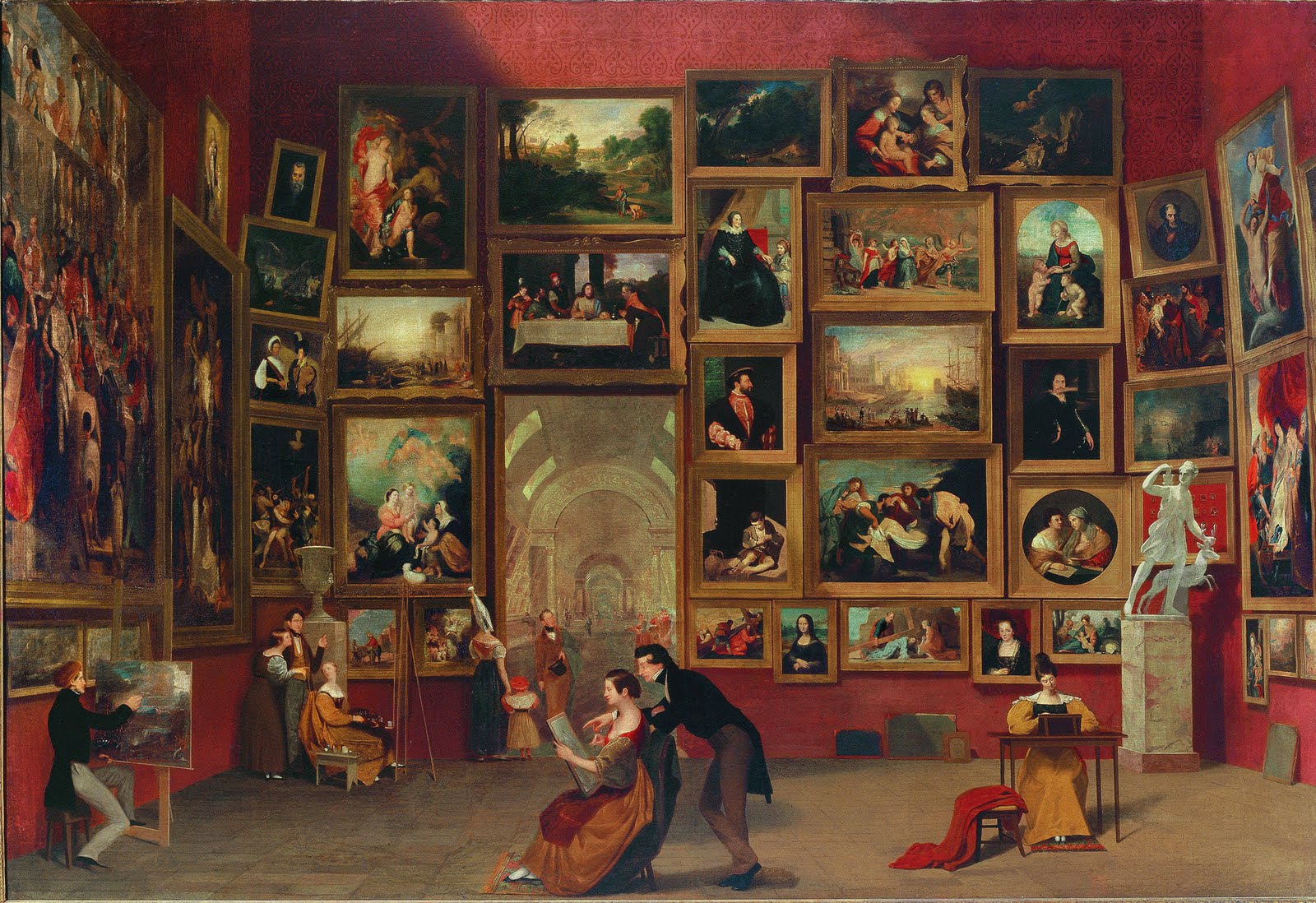
The 19th century also saw the rise of new cultural institutions, such as museums and theaters, which provided access to art and performance for broader audiences. This democratization of culture fostered a sense of shared identity and community among diverse groups, paving the way for modern social movements in the 20th century.
Major political events and movements of the 19th century
The 19th century was a hotbed of political activity, marked by significant events and movements that reshaped nations. One of the pivotal moments was the French Revolution, which began in 1789 and influenced political ideologies worldwide. The Revolution introduced concepts such as liberty, equality, and fraternity, which became rallying cries for various movements across Europe.
Another major event was the Congress of Vienna in 1815, which aimed to restore stability in Europe after the upheaval caused by the Napoleonic Wars. The congress led to the establishment of a balance of power, preventing any single nation from dominating the continent.
- Mexican War of Independence (1810-1821): This conflict led to Mexico’s independence from Spanish rule, significantly altering the political landscape in North America.
- American Civil War (1861-1865): A pivotal conflict in the United States, the war addressed issues of slavery and states’ rights, culminating in the preservation of the Union.
- Revolutions of 1848: Also known as the Springtime of Nations, these uprisings spread across Europe, driven by demands for democratic reforms and national independence.
Throughout the century, the rise of nationalism became a dominant force. Countries like Italy and Germany underwent unification movements. In Italy, figures such as Giuseppe Garibaldi played crucial roles in unifying the nation by 1861. Similarly, the unification of Germany was largely driven by Otto von Bismarck, culminating in the establishment of the German Empire in 1871.
Additionally, imperialism surged during this time. European powers expanded their empires aggressively, leading to the colonization of Africa and parts of Asia. The Berlin Conference of 1884-1885 exemplified this, as it regulated European colonization and trade in Africa, often disregarding local populations and cultures.
The 19th century was characterized by a variety of significant political events and movements that shaped the modern world. From revolutions to the establishment of nation-states, these events had lasting impacts that continue to influence political landscapes today.
Influential figures of the 19th century
The 19th century was shaped by numerous influential figures whose contributions spanned various fields, including politics, science, literature, and social reform. These individuals played pivotal roles in shaping modern society.
One of the most prominent figures was Charles Darwin, whose theory of evolution, presented in his 1859 work “On the Origin of Species,” revolutionized biology. Darwin’s ideas challenged established beliefs and laid the groundwork for modern evolutionary theory, influencing countless disciplines.
- Abraham Lincoln: The 16th President of the United States, who led the nation through the Civil War and worked to end slavery with the Emancipation Proclamation in 1863.
- Queen Victoria: Monarch of the United Kingdom from 1837 to 1901, symbolizing British imperialism and cultural expansion.
- Florence Nightingale: A foundational figure in nursing, she established modern nursing practices and significantly improved healthcare standards during the Crimean War.
- Karl Marx: Philosopher and economist whose writings, particularly “The Communist Manifesto” (1848), inspired socialist movements worldwide.
Another influential figure was Leo Tolstoy, a key literary voice whose works, including “War and Peace” (1869) and “Anna Karenina” (1877), explored complex themes of morality and society. Tolstoy’s narratives not only entertained but also provoked profound philosophical questions about human existence.
In the realm of science, James Clerk Maxwell developed the theory of electromagnetism, uniting electricity, magnetism, and light. His 1865 paper laid the foundation for modern physics and has had lasting implications across various technological advancements.
These figures, among many others, not only influenced their immediate surroundings but also set the stage for future generations. Their legacies continue to resonate in contemporary society, reflecting the enduring impact of their contributions during the 19th century.
Economic developments in the 19th century
The 19th century witnessed profound economic developments that transformed societies globally. This period was characterized by the shift from agrarian economies to industrial ones, a process known as the Industrial Revolution. Beginning in the late 18th century in Britain, this revolution introduced new manufacturing processes, such as mechanization, which drastically increased productivity.
One notable example is the textile industry, where innovations like the spinning jenny and the power loom revolutionized production. By the mid-19th century, Britain became the world’s leading exporter of textiles, significantly impacting the global economy. The shift not only created jobs but also spurred urbanization, as people migrated to cities for work.
- Growth of Factories: Factories emerged as central units of production, leading to increased efficiency and output.
- Transportation Innovations: The development of railways and steamships facilitated the movement of goods and people, enhancing trade.
- New Financial Systems: The establishment of banks and stock exchanges enabled investments, fueling further economic growth.
Moreover, the 19th century saw the rise of capitalism as a dominant economic system. The principles of free market and competition began to take hold, leading to wealth accumulation for many entrepreneurs. Figures such as Andrew Carnegie in steel production and John D. Rockefeller in oil exemplified this trend, building vast fortunes through innovative business practices.
In addition to individual success stories, the period also faced challenges such as economic disparities and labor exploitation. The rise of labor unions in response to poor working conditions marked a significant social movement. For instance, the Great Labor Uprising of 1877 in the United States underscored the tensions between workers and industrialists, highlighting the need for reform.
International trade also expanded during this century. Countries began to rely heavily on imports and exports, leading to interdependence. The establishment of trade agreements and tariffs influenced the economic landscape, with countries like Britain leveraging their industrial might to dominate global markets.
The economic developments of the 19th century laid the foundation for modern economies, characterized by industrialization, capitalism, and globalization. This transformative period set the stage for the complexities of the 20th century and beyond.
Impact of the 19th century on modern society
The 19th century laid the groundwork for various aspects of modern society. The transformations that occurred during this time continue to influence our political, economic, and social structures. Here are some key impacts:
- Political Ideologies: The rise of ideologies such as socialism, liberalism, and nationalism during the 19th century shaped contemporary political discourse. Figures like Karl Marx and John Stuart Mill introduced ideas that still resonate in today’s political debates.
- Industrial Revolution: The Industrial Revolution revolutionized production methods. Between 1760 and 1840, it led to a significant increase in urbanization, with cities growing rapidly as people moved from rural areas to seek employment in factories.
- Education and Literacy: The 19th century saw a push for public education. By the end of the century, many countries implemented compulsory education laws, resulting in increased literacy rates. For example, literacy in the United States rose from 75% in 1870 to nearly 95% by 1900.
Social reform movements also gained momentum during this period, addressing issues such as women’s rights, child labor, and public health. These movements paved the way for significant changes in societal norms and legislations.
- Women’s Rights: The first women’s rights convention in Seneca Falls, New York, in 1848 marked the beginning of an organized movement for gender equality. This event emphasized the need for women’s suffrage and property rights.
- Labor Movements: The rise of industrialization led to the formation of labor unions. By the late 1800s, workers began organizing strikes and protests, advocating for better working conditions and fair wages.
Technological advancements during the 19th century also had lasting effects. Innovations such as the telegraph invented in 1837 and the railroad expansion significantly improved communication and transportation.
- Transportation: Train travel became a primary mode of transportation, connecting distant regions and facilitating trade. By 1860, the United States had over 30,000 miles of railroad tracks.
- Communication: The introduction of the telegraph enabled instant communication over long distances, leading to the establishment of global news networks and the fast dissemination of information.
The 19th century was a pivotal era that profoundly influenced modern society. The developments in political ideologies, social reforms, and technological advancements continue to shape our world today.
Artistic and literary trends of the 19th century
The 19th century was a vibrant era for artistic and literary movements, significantly influencing culture and society. Various styles emerged, reflecting the changing dynamics of the time, from Romanticism to Realism, each with distinct characteristics and aims.
Romanticism, which flourished from the late 18th to the mid-19th century, emphasized emotion, individualism, and nature. Notable figures include British poet William Wordsworth and German composer Ludwig van Beethoven. This movement sought to break away from the constraints of Enlightenment rationalism, favoring personal expression and the sublime in nature.
- Key characteristics of Romanticism:
- Focus on emotion and individual experience
- Emphasis on nature and the sublime
- Celebration of the past and folklore
- Interest in the supernatural and exotic themes
As Romanticism waned, Realism emerged in the mid-19th century, reflecting the everyday lives of ordinary people. This movement rejected the idealization of subjects, instead portraying life as it was. Prominent writers such as Gustave Flaubert and Leo Tolstoy focused on social issues and the human condition, providing a stark contrast to their Romantic predecessors.
In visual arts, the transition from Romanticism to Realism can be seen in the works of artists like Édouard Manet and Gustave Courbet. Their paintings depicted scenes of contemporary life, often challenging the traditional norms of aesthetics.
| Movement | Time Period | Key Figures | Focus |
|---|---|---|---|
| Romanticism | Late 18th – Mid 19th Century | William Wordsworth, Lord Byron, Ludwig van Beethoven | Emotion, nature, individualism |
| Realism | Mid 19th Century | Gustave Flaubert, Leo Tolstoy, Édouard Manet | Everyday life, social issues |
Throughout the century, these artistic and literary movements not only shaped aesthetic values but also reflected the broader societal changes. The exploration of new forms and themes paved the way for future developments in the 20th century, establishing a rich legacy that continues to resonate today.
Scientific discoveries and their effects in the 19th century
The 19th century was a remarkable period for scientific discoveries that reshaped human understanding and society. Innovations during this time laid the foundation for modern science and technology. Key figures such as Charles Darwin, Louis Pasteur, and James Clerk Maxwell emerged, contributing significantly to their respective fields.
- Charles Darwin’s theory of evolution, presented in “On the Origin of Species” (1859), revolutionized biology by introducing natural selection as a mechanism of evolution.
- Louis Pasteur developed the germ theory of disease, which changed medical practices and led to major advancements in public health.
- James Clerk Maxwell formulated the classical theory of electromagnetic radiation, uniting electricity, magnetism, and light.
Additionally, the 19th century saw breakthroughs in various scientific fields, such as chemistry and physics. For instance, the periodic table, developed by Dmitri Mendeleev in 1869, organized elements based on their atomic weight, paving the way for future discoveries in chemistry.
Another significant development was the invention of the telegraph by Samuel Morse in the 1830s. This innovation revolutionized communication, making it possible to transmit messages over long distances in a matter of minutes, fundamentally changing how information was shared and received.
These discoveries were not only theoretical but also had practical implications. For example, Pasteur’s work on pasteurization improved food safety and preservation. Furthermore, the application of Maxwell’s equations led to advancements in electrical engineering, influencing the development of technologies such as radio and television.
The scientific discoveries of the 19th century had profound effects on various aspects of society. They not only advanced human knowledge but also transformed daily life, healthcare, and communication, setting the stage for the technological advancements of the 20th century and beyond.
Frequently Asked Questions
What major innovations emerged during the 19th century?
The 19th century witnessed significant innovations such as the steam engine, telegraph, and advances in medicine. These discoveries transformed transportation, communication, and healthcare, laying the foundations for modern technology and industry.
How did the 19th century influence modern literature?
Literature in the 19th century introduced new narrative styles and themes that resonate today. Movements like Romanticism and Realism shaped how stories are told, focusing on individual experiences and societal issues, which are still relevant in contemporary literature.
What role did the 19th century play in shaping modern scientific thought?
During the 19th century, groundbreaking scientific theories emerged, such as Darwin’s theory of evolution and advances in chemistry. These ideas challenged traditional beliefs and paved the way for modern scientific inquiry and understanding.
Where can I find art from the 19th century?
19th-century art can be found in major museums worldwide, including the Louvre and the Metropolitan Museum of Art. Additionally, many galleries and online platforms showcase works from this vibrant period, highlighting various artistic movements.
What social changes occurred in the 19th century?
The 19th century saw significant social changes, including the rise of industrialization, urbanization, and movements for women’s rights and labor reforms. These changes transformed societal structures and contributed to the modern social landscape we know today.
Conclusion
The 19th century significantly impacted modern society through transformative social changes, vibrant artistic and literary movements, and groundbreaking scientific discoveries. These elements collectively shaped the cultural, intellectual, and technological landscape we navigate today. By understanding these historical influences, readers can better appreciate contemporary issues and trends. This knowledge enables individuals to engage more thoughtfully with current events and cultural expressions, fostering deeper connections within society. Explore further by delving into specific 19th-century movements or scientific advancements that resonate with your interests. Take the next step to enrich your understanding of our modern world.