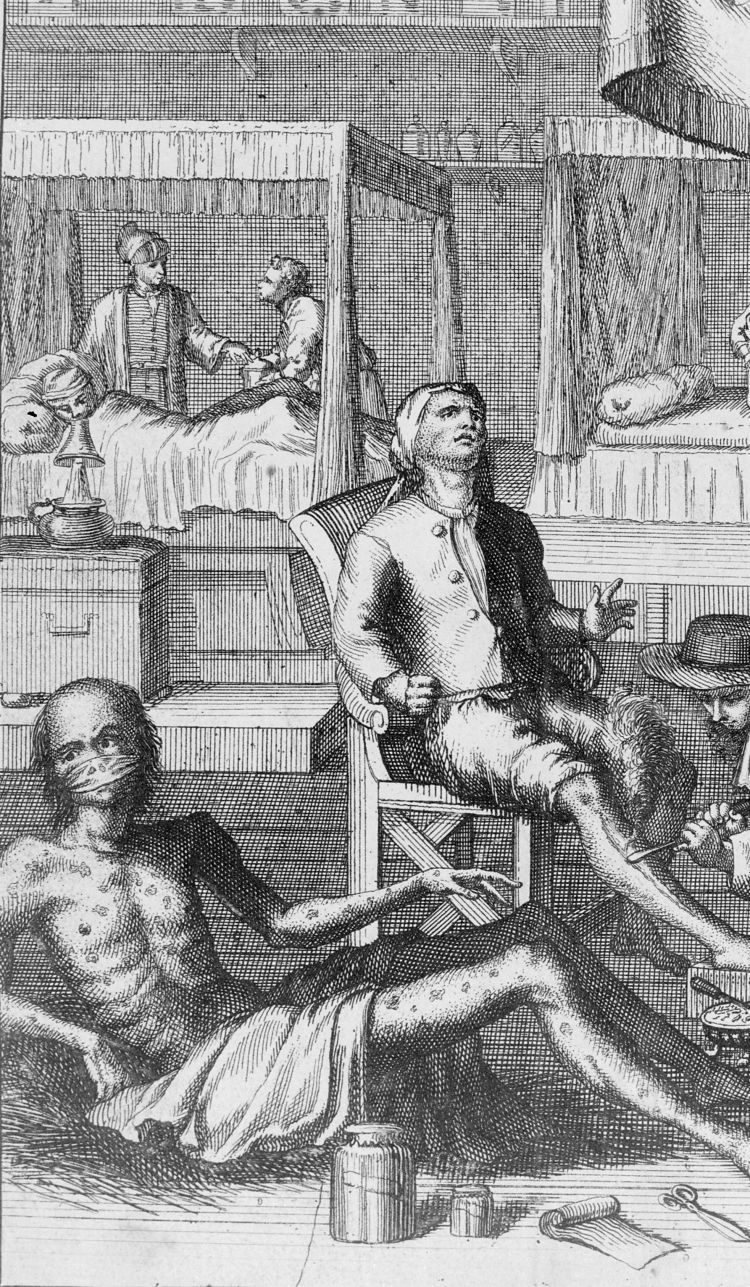
Have you ever wondered how medical record keeping has evolved over time? The 19th century marked a pivotal transformation in healthcare documentation, shaping how practitioners documented patient information and medical practices. Understanding this evolution is crucial for grasping the foundations of modern medical record systems.
This article will explore the significant changes in medical record keeping during the 1800s, highlighting key figures who influenced documentation practices and the common tools employed. By delving into this history, you will appreciate the advancements that have led to today’s comprehensive medical records.
We will discuss the evolution of practices, influential figures, and the tools that defined the era, providing a clear picture of how the past informs current medical documentation strategies.
The evolution of medical record keeping in the 19th century
The 19th century marked a significant transformation in medical record keeping, driven by advances in science and technology. Prior to this era, record keeping was often rudimentary, relying on handwritten notes and basic documentation. However, the introduction of standardized forms began to change this practice.
In the early 1800s, physicians primarily recorded patient information in journals or logs, which varied widely in format and detail. By the mid-century, hospitals such as the Philadelphia General Hospital, established in 1732, began implementing more structured patient records. This shift allowed for better tracking of patient outcomes and treatment efficacy.
- 1820s: The establishment of the first medical societies led to the creation of standardized medical terminology.
- 1850s: The introduction of the case report, detailing individual patient experiences, became common among physicians.
- 1860s: Florence Nightingale advocated for statistical methods in healthcare, promoting the importance of data collection.
- 1880s: The rise of medical schools encouraged the adoption of more formalized record-keeping practices.
One notable example is Dr. Samuel Gross, a prominent surgeon who published his surgical observations in the 1850s. His meticulous records contributed to advancements in surgical techniques and education. Gross’s work exemplified the shift towards evidence-based medicine, where documentation became essential for learning and improvement.
By the end of the century, medical records had evolved into more comprehensive documents, often including patient histories, treatment plans, and outcomes. The introduction of the International Classification of Diseases (ICD) in the late 1890s further standardized how medical conditions were recorded, leading to more effective data sharing among healthcare professionals.
Overall, the evolution of medical record keeping in the 19th century laid the foundation for modern practices. It emphasized the importance of accurate documentation, paving the way for advancements in medical research and public health.
Key figures who influenced 19th century medical documentation
The 19th century saw several key figures whose contributions significantly shaped medical documentation practices. Their innovations were pivotal in enhancing the quality and accuracy of medical records.
- Florence Nightingale: A pioneer in nursing, Nightingale introduced systematic data collection and statistical analysis to improve healthcare outcomes. Her work during the Crimean War (1854-1856) led to the use of pie charts and graphs to present data, making it accessible and understandable.
- Ignaz Semmelweis: Known for his advocacy of hand hygiene, Semmelweis’s documentation of maternal mortality rates highlighted the importance of record-keeping in identifying health trends and improving practices.
- William Osler: Often referred to as the father of modern medicine, Osler emphasized the importance of thorough patient records. His approach to clinical education included meticulous documentation, which influenced future generations of physicians.
These individuals not only advanced medical practices but also established foundational principles for record-keeping. For example, Nightingale’s statistical methods laid the groundwork for evidence-based practices, which are still in use today.
Additionally, various organizations and institutions contributed to the development of medical documentation in this era:
- The American Medical Association (AMA): Founded in 1847, the AMA promoted standardization in medical records, advocating for comprehensive patient histories and treatment documentation.
- The British Medical Association (BMA): Established in 1832, the BMA played a crucial role in promoting professional standards, including the importance of accurate medical record-keeping.
Through their efforts, these figures and organizations transformed medical documentation into a more structured and systematic practice. This evolution not only enhanced patient care but also laid the groundwork for the modern medical record systems we recognize today.
Common practices and tools used for medical records during the 1800s
During the 19th century, medical record keeping evolved with the introduction of various practices and tools that enhanced the documentation process. Physicians began to adopt systematic approaches to record patient information, which included detailed observations and treatment notes.
One of the most common practices was the use of patient ledgers. These ledgers served as a central repository for patient information, allowing physicians to document important details such as medical history, symptoms, and treatment plans. Physicians often maintained separate ledgers for different types of patients, such as inpatients and outpatients.
- Clinical notes: Documenting daily observations and treatments.
- Case histories: Detailed accounts of individual patient journeys.
- Prescription records: Lists of medications prescribed to patients.
Another significant tool was the case book, which compiled clinical notes and case histories for reference. This allowed for a more comprehensive overview of patient care, enabling physicians to track the effectiveness of treatments over time. Notably, the use of these case books became popularized through the work of Dr. Thomas Sydenham, who emphasized the importance of careful observation in medicine.
In addition to written records, the use of charts became increasingly common. These visual representations helped physicians quickly assess patient conditions. For instance, charts could illustrate temperature changes, pulse rates, and other vital signs, making it easier to identify trends and respond accordingly.
Moreover, advancements in printing technology led to the widespread use of pre-printed forms for various types of medical documentation. This innovation simplified the recording process, allowing physicians to fill out standardized forms quickly. The adoption of these forms contributed to a more uniform approach to medical record keeping across different practices.
| Type of Record | Description | Purpose |
|---|---|---|
| Patient Ledger | Central repository for patient information | To document patient details and treatments |
| Case Book | Compilation of clinical notes and histories | To track patient journeys and treatment effectiveness |
| Charts | Visual representations of vital signs | To identify trends in patient health |
| Pre-printed Forms | Standardized documentation templates | To streamline the recording process |
The impact of 19th century medical records on modern healthcare
The 19th century laid the foundation for modern healthcare systems through the development of systematic medical record keeping. The innovations during this period directly influenced how patient information is documented and utilized today. This transformation has had enduring effects on medical practices, research, and patient care.
One significant impact is the establishment of standardized record-keeping practices. Prior to the 19th century, medical documentation varied widely. The introduction of standardized formats allowed for consistent data entry, enabling healthcare providers to track patient histories more effectively. This consistency is crucial for accurate diagnosis and treatment.
- Improved patient care: The ability to access comprehensive medical histories has enhanced the quality of care, allowing for more informed clinical decisions.
- Data-driven research: Systematic records have facilitated clinical research, leading to advancements in medical knowledge and treatment protocols.
- Legal documentation: Medical records serve as vital legal documents, protecting both patients and practitioners in cases of malpractice.
Moreover, the 19th century saw the emergence of notable figures like Hippocrates and Florence Nightingale, who emphasized the importance of accurate record-keeping. Nightingale’s work in nursing reform highlighted the role of data in improving healthcare outcomes. Her pioneering use of statistics to analyze patient care outcomes laid the groundwork for evidence-based medicine.
In terms of technology, the introduction of the typewriter in the 1870s revolutionized record-keeping, making it faster and more legible. This innovation marked a shift from handwritten notes to typed documents, further enhancing the accessibility and clarity of medical records. By the end of the century, hospitals began adopting these practices widely, establishing a model for future healthcare systems.
Today, the legacy of 19th century medical records is evident in electronic health records (EHRs), which streamline patient information management. EHR systems not only preserve the chronological order of patient data but also integrate various health information, ensuring comprehensive care. The emphasis on accuracy and completeness in these records reflects the foundational principles established in the 19th century.
Challenges faced by medical professionals in record keeping
Throughout the 19th century, medical professionals encountered numerous challenges in the realm of record keeping. These challenges often hindered the efficiency and accuracy of patient documentation and management.
One significant issue was the standardization of records. Different physicians used varied formats and terminologies, leading to inconsistencies in patient information. For instance, in 1850, the lack of a unified system resulted in approximately 30% of medical records being incomprehensible or incomplete.
- Inadequate training: Many medical practitioners received limited training in record keeping, which contributed to poor documentation practices.
- Resource limitations: Physicians often lacked access to necessary tools, such as standardized forms or reliable writing materials, impacting the quality of records.
- Time constraints: With increasing patient loads, physicians frequently prioritized patient care over meticulous record keeping.
Additionally, the influence of cultural factors played a role in the documentation process. In many cases, societal attitudes towards medical practices affected how records were maintained. For example, in rural areas, informal medical practitioners often neglected record keeping altogether, believing that oral traditions sufficed.
By the late 1800s, the rise of hospitals brought new challenges. While hospitals aimed to centralize patient information, differing administrative practices led to confusion. A study in 1885 revealed that nearly 40% of hospital records contained discrepancies due to miscommunication among staff.
Despite these obstacles, some advancements began to emerge. For example, in 1886, the establishment of the American Medical Association prompted the development of guidelines for medical documentation. This initiative marked the beginning of a movement towards improved record keeping.
The challenges faced by medical professionals in record keeping during the 19th century laid the groundwork for future reforms. Addressing issues such as standardization and training became crucial in the evolution of modern medical documentation practices.
Notable medical case studies documented in the 19th century
During the 19th century, several medical case studies became pivotal in shaping modern medical understanding. These cases not only highlighted the challenges of the time but also contributed significantly to advancements in medical practices.
One remarkable case was that of James Miranda Barry, a surgeon in the British Army. Barry, who served from 1809 to 1864, was known for his exceptional surgical skills and was one of the first to perform a successful cesarean section in 1826. This operation not only saved the mother’s life but also marked a crucial advancement in obstetric surgery.
- Case of Typhoid Fever (1848): Documented by Dr. John Snow, this case involved a cholera outbreak in London. Snow meticulously mapped the cases and identified a contaminated water pump as the source, laying the groundwork for modern epidemiology.
- Charles Dickens’ Illness (1867): Charles Dickens suffered from a severe case of ‘nervous exhaustion’, which led to his public readings being scrutinized. His medical records revealed the impact of mental health on physical well-being, igniting discussions about psychological conditions.
Another significant case was that of Elizabeth Blackwell, the first woman to receive a medical degree in the United States in 1849. Her experiences as a female physician documented the societal challenges women faced in pursuing medicine. Blackwell’s records highlighted the necessity for gender equality in healthcare and inspired future generations of female medical professionals.
Additionally, the case of Phineas Gage in 1848 remains one of the most studied in neurology. After surviving an accident where a railroad spike penetrated his skull, Gage’s personality changed drastically. His case provided invaluable insights into the brain’s role in personality and behavior, influencing the fields of psychology and neurology.
These cases, among many others, not only documented the medical practices of the time but also emphasized the interconnectedness of medicine, society, and individual experiences. As recorded in various medical journals, they serve as historical references that continue to inform current medical practices and ethical considerations.
The role of hospitals and institutions in maintaining medical records
The 19th century marked a significant transformation in the approach to medical record keeping within hospitals and medical institutions. These establishments played a crucial role in ensuring accurate and systematic documentation of patient information, which has lasting implications for contemporary healthcare.
Hospitals began to recognize the importance of maintaining comprehensive medical records for various reasons, including:
- Patient Care: Accurate records allowed for better treatment plans and continuity of care.
- Research and Education: Documented cases served as valuable resources for medical education and research.
- Legal and Administrative Needs: Records provided essential information for legal proceedings and hospital administration.
Institutions such as the London Hospital and the Massachusetts General Hospital were pioneers in implementing systematic record-keeping practices. For instance, the Massachusetts General Hospital established a formal medical record system in 1821, which included patient admission details, treatment protocols, and outcomes.
As the century progressed, hospitals began to adopt standardized formats for medical records. This transition was imperative for:
- Consistency: Standard formats ensured uniformity across various departments and healthcare providers.
- Efficiency: Organized records facilitated quicker access to patient information, improving overall workflow.
- Data Analysis: Structured records enabled better analysis of health trends and treatment efficacy.
A notable example is the introduction of the “case book” in many hospitals, which compiled detailed accounts of patient cases. These case books not only documented individual patients but also contributed to broader medical knowledge. The advent of these practices laid the groundwork for modern electronic health records (EHRs), which we rely on today.
Hospitals and institutions in the 19th century played an instrumental role in the establishment and maintenance of medical records. Their efforts significantly contributed to the evolution of healthcare documentation, ensuring that patient care, education, and research could thrive based on reliable data.
Technological advancements that transformed medical documentation
During the 19th century, several technological advancements significantly impacted medical documentation. These innovations not only improved the accuracy of records but also enhanced the efficiency of record-keeping practices among healthcare professionals.
One of the most notable advancements was the introduction of the typewriter in the 1870s. This device allowed for clearer and more legible documentation compared to handwritten notes. Hospitals began adopting typewriters, reducing the chances of misinterpretation due to poor handwriting.
- Typewriter: Introduced in the 1870s, it revolutionized document clarity.
- Photography: Emerged as a tool for documenting medical conditions and surgeries.
- Telegraph: Facilitated rapid communication between medical institutions.
- Printing Press: Allowed for the dissemination of medical journals and records.
Another significant innovation was the use of photography. As early as the 1850s, medical professionals began utilizing photographic techniques to document surgical procedures and anatomical anomalies. This visual documentation offered a new dimension to medical records, providing visual evidence that complemented written accounts.
The introduction of the telegraph further transformed communication in the medical field. By the mid-19th century, hospitals could transmit urgent medical information quickly over long distances. This was particularly crucial during epidemics when timely data could save lives.
Additionally, the evolution of the printing press played a vital role in standardizing medical documentation. As medical journals became more accessible, practitioners could share their findings and case studies widely. This facilitated a collective understanding of diseases and treatments, ultimately contributing to advancements in medical science.
The 19th century witnessed a remarkable transformation in medical documentation due to these technological advancements. The integration of typewriters, photography, telegraphs, and printing presses significantly improved the quality and efficiency of medical records, laying the groundwork for modern practices in healthcare documentation.
Legal and ethical considerations in 19th century medical records
The 19th century witnessed crucial developments in the legal and ethical frameworks governing medical records. As medical practice evolved, so did the responsibilities of healthcare providers in documenting patient information. This era emphasized the need for confidentiality and accuracy in medical record-keeping, reflecting a growing awareness of patient rights.
One of the primary legal considerations was the confidentiality of patient information. Medical practitioners were increasingly held accountable for safeguarding sensitive data. Breaches of confidentiality could lead to legal repercussions, prompting healthcare providers to establish clear protocols for documenting and sharing medical information.
- Informed consent: The concept of informed consent began to emerge, requiring physicians to obtain permission from patients before conducting treatments or recording sensitive information.
- Documentation accuracy: Accurate documentation became a legal necessity, as discrepancies could result in malpractice claims.
- Patient rights: The burgeoning recognition of patient rights prompted discussions about the ethical obligations of healthcare providers.
In 1858, the Medical Act in the United Kingdom established a regulatory body that mandated physicians to maintain proper records. This legislation highlighted the necessity for structured documentation practices, which, in turn, influenced the ethical standards expected of medical professionals. As a result, physicians were encouraged to engage in thorough documentation to protect both themselves and their patients.
Moreover, ethical dilemmas often arose concerning the ownership of medical records. Physicians argued that they owned the records due to their role in creating them, while patients asserted their right to access their information. This ongoing debate laid the groundwork for future laws regarding patient access to medical records.
By the end of the century, a more structured approach to medical ethics was developing, including the establishment of professional associations that advocated for ethical standards within the medical community. The American Medical Association, founded in 1847, played a significant role in promoting ethical conduct and improving the standards of medical documentation.
Frequently Asked Questions
What were the main challenges in maintaining medical records in the 19th century?
The 19th century faced challenges such as inconsistent record-keeping practices and a lack of standardized formats. Hospitals often lacked trained staff, which resulted in incomplete or inaccurate documentation. Additionally, the absence of technology made it difficult to store and retrieve records efficiently.
How did technology influence medical documentation in the 19th century?
Technological advancements, including the introduction of the typewriter and the printing press, revolutionized medical documentation. These innovations allowed for clearer, more organized records, significantly improving the ability to share and access medical information across institutions.
What legal changes impacted medical records during the 19th century?
Legal frameworks evolved to address patient privacy and the importance of accurate documentation. New laws began to establish guidelines for maintaining records, which aimed to protect both patients and healthcare providers from legal liabilities arising from inaccurate or incomplete information.
Where can I find historical medical records from the 19th century?
Historical medical records can often be found in archives, libraries, and museums. Online databases and digitized collections are also available, offering access to records from various hospitals and institutions that operated during the 19th century.
What ethical considerations were prominent in 19th century medical records?
Ethical considerations included the need for informed consent and the protection of patient confidentiality. As medical practices evolved, the importance of ethical record-keeping became apparent, influencing how healthcare providers documented patient information.
Conclusion
The 19th century revolutionized medical record keeping through the establishment of hospitals and institutions, technological advancements that enhanced documentation processes, and evolving legal and ethical considerations. These elements collectively shaped the foundation of modern medical record management and patient care. By understanding these historical developments, readers can appreciate the importance of comprehensive medical records today. This knowledge can lead to better data management practices and improved patient outcomes in contemporary healthcare settings. To further enhance your understanding, explore more resources on medical record keeping and consider implementing best practices in your professional environment.