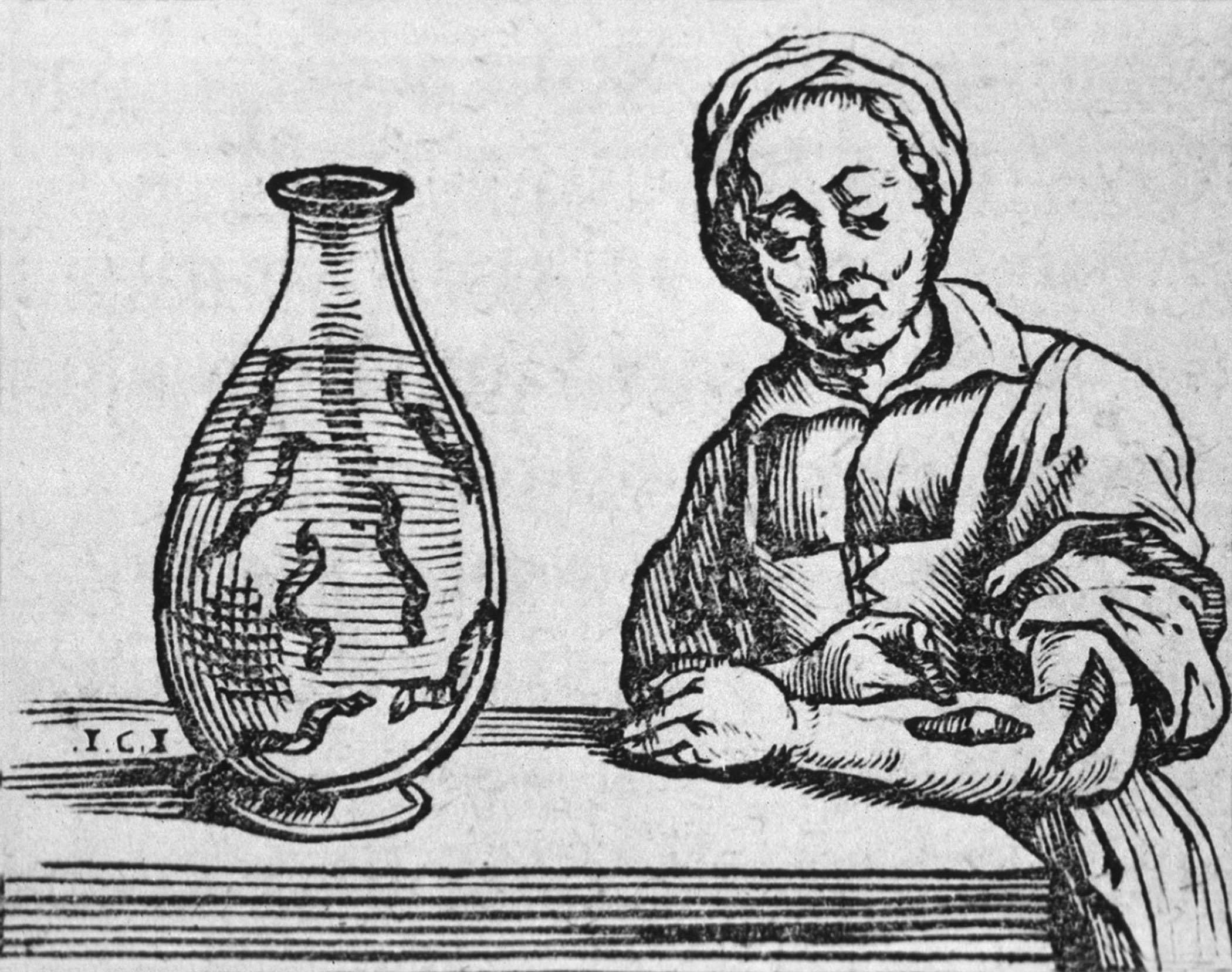
Have you ever wondered how 19th-century medicine laid the groundwork for modern healthcare? The era was marked by significant challenges that shaped the understanding of diseases and treatment methods, impacting countless lives.
This article will explore the remarkable advancements in medical technology, the revolutionary role of anesthesia in surgical procedures, and the common diseases and treatments of the time. Understanding these developments not only highlights the progress made but also the ongoing evolution of medicine.
We will delve into key topics, including technological breakthroughs, the transformative impact of anesthesia, and prevalent health issues that defined the 19th century. Join us as we uncover the pivotal moments in medical history.
Advancements in medical technology during the 19th century
The 19th century marked a significant turning point in medical technology, leading to practices that shaped modern medicine. One of the most notable advancements was the introduction of anesthesia. In 1846, William Morton, a dentist, successfully demonstrated the use of ether for painless surgery, revolutionizing surgical procedures and reducing the suffering of patients.
Another groundbreaking development was the invention of the stethoscope in 1816 by René Laennec. This device allowed physicians to listen to the internal sounds of a patient’s body, enhancing diagnostic capabilities. The stethoscope became a fundamental tool in clinical practice, enabling doctors to identify respiratory and cardiac conditions more accurately.
- Invention of the Sphygmomanometer (1846) – This device, developed by Scipione Riva-Rocci, allowed for the measurement of blood pressure, leading to better understanding and management of cardiovascular health.
- Advancement in Microscopy – Improvements in microscope technology enabled scientists like Robert Koch to discover pathogens responsible for diseases, laying the groundwork for microbiology.
- Development of Vaccination – Following Edward Jenner’s smallpox vaccine in 1796, the 19th century saw the development of vaccines for other diseases, including rabies and anthrax, significantly reducing mortality rates.
The use of antiseptics in surgery was another pivotal change. In the 1860s, Joseph Lister introduced the concept of sterilizing surgical instruments and cleaning wounds with carbolic acid. This practice drastically decreased infection rates and improved surgical outcomes, laying the foundation for modern surgical techniques.
Overall, the advancements in medical technology during the 19th century not only transformed patient care but also set the stage for future innovations. By integrating science and technology, the medical field began to evolve into a more systematic and evidence-based practice, ultimately leading to the advanced healthcare systems we rely on today.
The role of anesthesia in transforming surgical procedures
The introduction of anesthesia in the 19th century revolutionized surgical practices, alleviating pain and transforming patient experiences. Prior to its advent, surgeries were often brutal and performed with patients fully conscious. This not only caused immense suffering but also led to high rates of complications and fatalities.
By the mid-19th century, several key developments in anesthesia emerged:
- Ether anesthesia: Introduced in 1846 by William Morton, ether quickly became the first widely used anesthetic. Morton’s public demonstration at Massachusetts General Hospital marked a significant milestone in surgical history.
- Chloroform: Popularized by James Simpson in 1847, chloroform provided a more potent alternative to ether. Its use spread rapidly across Europe and America, especially in obstetrics.
- Local anesthesia: In the late 1800s, the discovery of cocaine as a local anesthetic by Carl Koller paved the way for pain relief in specific body areas, transforming dental and minor surgical procedures.
The impact of these advancements was profound. Surgeons could perform complex operations without the fear of inflicting severe pain on patients. For instance, the first successful operation under ether anesthesia was a tumor removal, showcasing how anesthesia enabled previously impossible surgeries.
Statistics from the era indicate a dramatic decrease in surgical mortality rates following the introduction of anesthesia. For example, the mortality rate for major surgeries decreased from over 50% in the early 19th century to around 15% by the end of the century.
Furthermore, with the advent of anesthesia, medical professionals began to explore more intricate surgical techniques, leading to innovations such as:
- Improved suturing methods
- Organ transplants
- Complex orthopedic surgeries
As a result, anesthesia not only improved patient comfort but also paved the way for the modern surgical field, allowing for advancements that continue to save lives today.
Common diseases and treatments in the 19th century
During the 19th century, medicine faced numerous challenges as various diseases significantly affected populations worldwide. Some of the most common diseases included tuberculosis, cholera, and smallpox. Each of these diseases posed severe health risks, demanding innovative treatment approaches.
Tuberculosis, often called consumption, was one of the deadliest diseases of the era, claiming millions of lives. The disease primarily affected the lungs, leading to persistent cough, fever, and weight loss. Treatments included fresh air, a nutritious diet, and rest, although effective medications were not developed until the 20th century.
- Cholera outbreaks were common, especially during urbanization periods. The disease spread rapidly through contaminated water, causing severe dehydration and death.
- Smallpox was another significant concern, known for its high mortality rate. Vaccination, introduced by Edward Jenner in 1796, gained traction in the 19th century, greatly reducing the incidence of the disease.
In addition to these diseases, other health issues like syphilis and typhus were prevalent. The treatment of syphilis included mercury-based medications, which were often toxic and ineffective. Typhus, transmitted by lice, was treated with rest and a focus on hygiene, although the understanding of its causes was limited at that time.
As the century progressed, public health initiatives began to emerge, leading to improved sanitation and awareness. For instance, the introduction of the Public Health Act of 1848 in England aimed to address the root causes of diseases, particularly in urban environments. This act laid the groundwork for modern public health systems.
| Disease | Symptoms | Treatment |
|---|---|---|
| Tuberculosis | Cough, fever, weight loss | Fresh air, nutrition, rest |
| Cholera | Severe diarrhea, dehydration | Rehydration, hygiene |
| Smallpox | Fever, rash, pustules | Vaccination |
The 19th century served as a fundamental period for medical advancements, where understanding diseases and their treatments began to evolve significantly. The groundwork laid during this time continues to influence modern medicine today.
Influential medical figures of the 19th century
The 19th century was marked by remarkable advancements in medicine, largely due to the contributions of several key figures. These individuals not only influenced medical practices but also laid the foundations for future developments in healthcare.
One of the most notable figures was Louis Pasteur, whose work in the field of microbiology revolutionized the understanding of infectious diseases. In the 1860s, Pasteur developed the germ theory of disease, establishing that microorganisms were the cause of many illnesses. His experiments led to the development of pasteurization, a process that significantly improved food safety.
- Joseph Lister – Introduced antiseptic techniques in surgery, drastically reducing infection rates.
- Florence Nightingale – Pioneered modern nursing practices and emphasized the importance of hygiene in patient care.
- James Simpson – Advocated for the use of anesthesia, particularly chloroform, during childbirth, enhancing pain management.
Another influential figure was Edward Jenner, who created the first successful smallpox vaccine in 1796. Although this was just before the 19th century, his work set a precedent for vaccination practices that expanded during this time. By the end of the century, vaccination programs had significantly reduced the incidence of smallpox.
Charles Darwin also made an impact through his contributions to medical science, particularly with his theory of evolution. His ideas on natural selection influenced medical research and the understanding of hereditary diseases. The integration of evolutionary theory into medicine encouraged new approaches to treating genetic disorders.
These figures, among others, played pivotal roles in shaping the trajectory of medicine in the 19th century. Their legacies continue to influence modern medical practices and inspire ongoing research today.
The impact of the germ theory on medicine
The germ theory of disease, primarily developed in the 19th century, fundamentally changed the understanding of illness and its transmission. Before this theory, many believed that diseases were caused by miasmas or “bad air.” However, the work of scientists like Louis Pasteur and Robert Koch established that microorganisms were the true culprits behind many infections.
In 1861, Louis Pasteur conducted experiments that disproved the spontaneous generation theory, demonstrating that microorganisms were responsible for fermentation and spoilage. This pivotal discovery laid the groundwork for germ theory, leading to significant advancements in hygiene and sanitation practices in medical settings.
- Pasteur’s work: Established the link between germs and disease.
- Koch’s Postulates: Provided a systematic method to identify the causative agents of infectious diseases.
- Impact on surgery: Surgeons began implementing sterilization techniques, drastically reducing infection rates.
By the late 19th century, the implementation of germ theory had profound effects on public health. For instance, the introduction of pasteurization in the 1860s not only improved food safety but also minimized the spread of diseases such as tuberculosis and cholera. Statistics show that death rates from infectious diseases decreased significantly, particularly in urban areas where sanitation improved.
In 1882, Robert Koch identified the bacterium responsible for tuberculosis, which allowed for targeted treatments and prevention strategies. This discovery exemplified the transition from generalized treatments to more specific interventions based on the understanding of pathogens. As a result, the focal point of medical practice shifted towards prevention and control of infections, emphasizing hygiene and sanitation.
The germ theory also influenced the development of vaccines. The late 19th century saw the creation of vaccines for diseases like rabies and anthrax, which were groundbreaking in preventing infections. This era marked the beginning of immunology as a significant field within medicine, paving the way for future vaccine developments.
Public health and sanitation reforms in the 19th century
The 19th century witnessed a profound shift in public health and sanitation practices, driven by the recognition of their critical importance in disease prevention. Amid the industrial revolution, cities experienced rapid population growth, resulting in overcrowded living conditions that fostered the spread of diseases such as cholera and typhoid fever.
One of the most significant figures in this movement was Edwin Chadwick, a social reformer who published the Report on the Sanitary Condition of the Labouring Population of Great Britain in 1842. His findings highlighted the direct link between unsanitary conditions and health issues, advocating for improved sewage systems and clean drinking water.
- Cholera outbreaks: The cholera epidemics of the 1830s and 1840s prompted urgent public health responses.
- Public health acts: The Public Health Act of 1848 established a framework for sanitation improvements, including the appointment of medical officers of health.
- Water supply systems: Cities like London implemented new water supply systems, significantly reducing waterborne diseases.
Another critical advancement was the establishment of the General Board of Health in 1848, which aimed to oversee sanitation reforms across England. This board played a pivotal role in monitoring public health and ensuring compliance with new standards. Cities began to adopt comprehensive sanitation plans, leading to the construction of modern sewer systems.
For instance, in London, the renowned engineer Joseph Bazalgette designed an extensive sewer network in the 1850s, which effectively managed sewage and reduced cholera outbreaks. By the end of the century, the incidence of cholera had drastically decreased, showcasing the success of these reforms.
In addition to engineering solutions, public health education became increasingly important. Campaigns were launched to inform citizens about hygiene practices, emphasizing the importance of cleanliness in preventing disease. The work of social reformers and health advocates laid the groundwork for future public health policies.
Overall, the 19th century marked a turning point in the understanding of sanitation and public health. The reforms initiated during this period not only addressed immediate health crises but also established principles that continue to shape public health systems today.
The development of vaccines and immunization
The 19th century was a pivotal time for the development of vaccines and the concept of immunization. This era witnessed groundbreaking advancements that drastically altered public health and disease prevention. The introduction of vaccines not only reduced mortality rates but also laid the groundwork for modern immunology.
One of the most significant milestones was the work of Edward Jenner, who, in 1796, developed the first successful smallpox vaccine. Jenner’s method involved inoculating a young boy with cowpox, leading to immunity against smallpox. This discovery was revolutionary and marked the beginning of vaccination as a means of preventing infectious diseases.
- 1830s: Vaccination against smallpox becomes more widespread.
- 1850: The British Vaccination Act mandates smallpox vaccination for infants.
- 1885: Louis Pasteur develops the rabies vaccine, showcasing the potential of vaccines against various diseases.
- 1890: Emil von Behring discovers the diphtheria antitoxin, further advancing immunization science.
By the end of the century, the impact of vaccines was evident. For instance, the implementation of smallpox vaccination programs led to a significant decline in smallpox cases across Europe. In Britain, smallpox deaths dropped from over 40,000 annually in the early 19th century to just a few hundred by the 1900s.
The developments in vaccines during this period not only saved countless lives but also established a framework for future vaccine research and development. The work of scientists like Pasteur and Behring demonstrated that infectious diseases could be effectively combated through immunization, leading to a new understanding of disease prevention. This era set the stage for the extensive vaccine programs that would emerge in the 20th century, ultimately contributing to the eradication of diseases such as smallpox.
Challenges and limitations of 19th century medicine
The 19th century was a transformative period for medicine, yet it faced significant challenges and limitations. Despite advancements in understanding diseases and treatments, various factors hindered the effectiveness of medical practices.
One major challenge was the lack of effective anesthesia until the mid-19th century. Surgical procedures were often excruciatingly painful, leading to high levels of patient anxiety and reluctance to undergo necessary operations. It was not until the introduction of ether and chloroform that surgeries became more bearable, which dramatically changed surgical practices.
- Limited understanding of infection: Prior to germ theory, many believed in miasma theory, which posited that diseases were caused by “bad air.”
- Inadequate surgical hygiene: Surgeons often operated in unsanitary conditions, leading to high rates of infection.
- Substandard medical education: Many practitioners lacked formal training, which resulted in varying levels of competency.
For instance, in 1847, Hungarian physician Ignaz Semmelweis discovered that handwashing could drastically reduce puerperal fever rates among new mothers. His findings were largely ignored for years, illustrating the resistance to new ideas in medical practice.
Another limitation was the inequitable access to medical care. The wealthy could afford better treatments and private physicians, while the poor often relied on untrained healers or went without care. In urban areas, overcrowding and poverty exacerbated health issues, making it difficult for public health measures to take effect.
| Aspect | Wealthy Patients | Poor Patients |
|---|---|---|
| Access to Care | Private physicians and hospitals | Untrained healers or none |
| Quality of Treatment | Advanced medical practices | Limited or outdated methods |
| Health Outcomes | Better recovery rates | Higher mortality rates |
Additionally, societal attitudes towards mental health were primitive at best. Patients suffering from mental illnesses often faced harsh treatments, such as confinement in asylums, instead of receiving appropriate care. This lack of understanding perpetuated stigma and neglect.
While the 19th century laid the groundwork for modern medicine, it was also characterized by significant challenges. Addressing these limitations was crucial for the evolution of medical practices in the following centuries.
The legacy of 19th century medical discoveries today
The medical discoveries of the 19th century have left an indelible mark on modern healthcare. Innovations in surgical techniques, the establishment of germ theory, and the advent of anesthesia are just a few examples of how this era reshaped medical practice. Today, these advancements continue to influence both clinical practices and medical education.
- Germ Theory: Proposed by Louis Pasteur and Robert Koch, germ theory revolutionized our understanding of disease causation. This foundational concept underpins contemporary microbiology and infectious disease management.
- Vaccination: The groundwork laid by Edward Jenner with smallpox vaccination paved the way for modern immunology. Vaccines have eradicated or significantly reduced diseases such as polio, measles, and tuberculosis.
- Surgical Innovations: Surgeons like Joseph Lister introduced antiseptic techniques, dramatically decreasing post-operative infections. Today, sterile environments are standard in surgical procedures.
Moreover, the 19th century saw the introduction of anesthesia, which transformed the surgical landscape. Ether and chloroform allowed for painless surgeries, leading to more complex procedures that were previously deemed too risky. For instance, the first public demonstration of ether anesthesia took place in 1846 and marked the beginning of modern surgical practices.
As a result of these foundational discoveries, medical education has evolved significantly. Medical schools now emphasize evidence-based practices, reflecting the scientific rigor established by 19th-century pioneers. For example, the integration of anatomy and pathology in medical curricula traces back to advancements made during this period.
In addition, the development of public health policies during the 19th century laid the framework for modern health systems. Initiatives focused on sanitation and disease prevention have led to improved health outcomes globally. The establishment of organizations like the World Health Organization (WHO) can be seen as a direct descendant of these early public health movements.
The legacy of 19th century medicine is profound and enduring. The principles and practices established during this period continue to guide and shape the healthcare landscape today, demonstrating the lasting impact of these historical advancements.
Frequently Asked Questions
What were the key breakthroughs in 19th century medicine?
Key breakthroughs included the development of anesthesia, which revolutionized surgery, and the introduction of germ theory, which changed the understanding of diseases. These advancements laid the foundation for modern medical practices and significantly improved patient outcomes.
How did vaccination change public health in the 19th century?
Vaccination dramatically improved public health by reducing the incidence of deadly diseases such as smallpox. The widespread acceptance of vaccines led to a decline in mortality rates and changed the perception of disease prevention, establishing a new approach to health.
What were the limitations of medical practices in the 19th century?
Despite advancements, 19th century medicine faced limitations like a lack of understanding of infection control, limited surgical techniques, and inadequate medical education. These challenges hindered the effectiveness of treatments and often compromised patient safety.
How did 19th century medicine influence modern healthcare?
The discoveries in the 19th century laid the groundwork for modern healthcare systems. Innovations such as improved surgical techniques, antiseptics, and the establishment of hospitals have shaped contemporary medical practices and continue to influence healthcare delivery today.
Where can I learn more about 19th century medical practices?
To learn more about 19th century medical practices, consider exploring historical medical texts, documentaries, and academic journals. Online resources and libraries often provide comprehensive information on this transformative era in medicine.
Conclusion
The 19th century revolutionized medicine through significant advancements in vaccines and immunization, the recognition of challenges facing medical practices, and the establishment of enduring medical legacies. These developments laid the foundation for modern healthcare and shaped our understanding of disease prevention. By understanding these historical medical advancements, readers can appreciate the importance of ongoing research and innovation in healthcare. This knowledge empowers individuals to advocate for continued improvements in medical practices and public health initiatives. To further explore the impact of historical medical developments, consider researching local health initiatives or engaging in discussions about modern healthcare challenges. Your involvement can contribute to meaningful change in today’s medical landscape.