Have you ever wondered how the necktie transformed from a simple accessory into a symbol of elegance and status? The evolution of the necktie in the 19th century reflects significant cultural shifts and fashion trends that still influence modern styles today.
This article delves into the rich history and evolution of 19th-century neckties, exploring the diverse materials and fabrics that defined this era. Understanding these elements not only enhances your appreciation for fashion history but also informs contemporary style choices.
We will cover the key styles and knots popular during the 19th century, offering insights into how these trends shaped men’s fashion around the world.
History and evolution of the 19th century necktie
The 19th century marked a significant transformation in men’s fashion, particularly with the introduction and evolution of the necktie. Originally derived from the cravat, which was popularized by Croatian mercenaries in the 17th century, the necktie underwent various changes throughout the 1800s. By the mid-century, it became a staple in men’s attire, symbolizing both status and style.
In the early 1800s, neckties were often made from luxurious fabrics such as silk and were styled in elaborate knots. The Victorian era brought about a more structured approach to neckwear, leading to the popularity of neckties in different shapes and sizes. The introduction of the bow tie also occurred during this time, adding variety to men’s formal wear.
- 1820s-1830s: The cravat is replaced by more simplified neckties.
- 1840s: The bow tie gains popularity among the elite.
- 1860s: The modern necktie begins to take shape, featuring various patterns.
- 1880s: Neckties are commonly made from printed silk, becoming more accessible.
By the 1850s, the necktie was no longer just a fashion accessory but a reflection of one’s social standing. Tailors began to offer a wide array of styles, leading to the emergence of neckties adorned with intricate patterns. Notably, the Ascot tie, named after the famous Ascot Racecourse, became a popular choice for formal occasions.
As the century progressed, the Industrial Revolution played a crucial role in necktie production. Mass manufacturing techniques allowed for the creation of neckties at lower costs, making them available to the general public. For instance, by the late 1800s, companies like Brooks Brothers began producing ready-made ties, increasing their popularity and accessibility.
The evolution of the necktie in the 19th century set the foundation for modern styles. With changing fashion trends and the influence of different cultures, the necktie continues to adapt, reflecting the enduring nature of this fashion staple.
Materials and fabrics used in 19th century neckties
The 19th century necktie was crafted from a variety of materials, reflecting the evolving fashion trends and the availability of textiles at the time. The choice of fabric significantly influenced both the style and functionality of neckties.
Common materials used included:
- Silk: This luxurious fabric became the most popular choice for neckties, appreciated for its sheen and softness. By the mid-1800s, silk neckties were considered a symbol of status.
- Cotton: More affordable than silk, cotton was often used for everyday wear. It was durable and easy to clean, making it a practical option for the working class.
- Wool: Used primarily in colder climates, wool ties provided warmth and were often seen in more rustic or casual styles.
- Linen: Known for its breathability, linen was favored during the summer months. It offered a crisp appearance but wrinkled easily.
Throughout the century, advancements in textile production allowed for the development of new patterns and colors in neckties. The introduction of printing techniques enabled manufacturers to create vibrant designs that appealed to a wide audience. Patterns such as stripes, paisleys, and florals became increasingly popular by the late 1800s.
For example, by 1870, a significant number of neckties featured intricate designs, with silk ties often selling for prices ranging from $1 to $5, depending on the complexity of the pattern. This price range made silk ties accessible to more than just the wealthy elite.
Another notable trend was the introduction of pre-tied neckties, which began to gain popularity towards the end of the century. These ties were made using a combination of cotton and silk, providing a convenient option for gentlemen who preferred ease of use without sacrificing style.
The 19th century necktie was a reflection of the era’s fashion sensibilities and technological advancements in textile manufacturing. The choice of materials not only shaped the aesthetic appeal of neckties but also played a crucial role in defining social status and personal style among men of that time.
Different styles and knots popular in the 19th century
The 19th century showcased a rich variety of necktie styles and knots, reflecting the era’s evolving fashion sensibilities. Men experimented with various designs, colors, and tying techniques that became symbols of social status and personal expression.
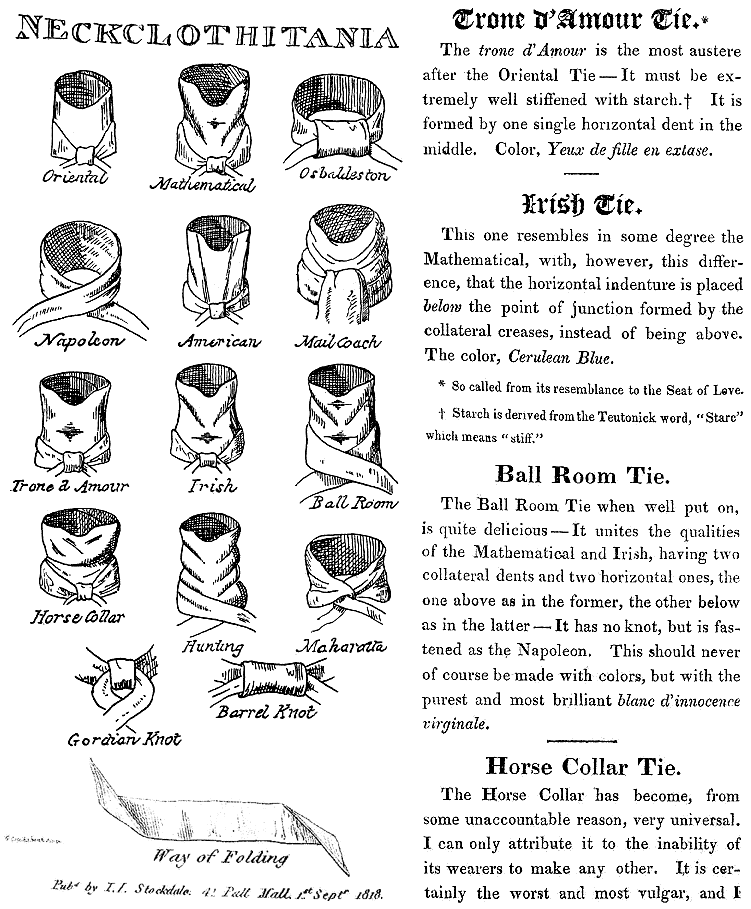
One of the most prevalent styles was the cravat, which originated in the 17th century but evolved significantly during the 1800s. The cravat was typically made of linen or cotton, often featuring intricate patterns. By the mid-century, the cravat transformed into a more simplified version known as the ascot, characterized by its broader shape and elegant folds.
- Cravat: A long piece of fabric tied around the neck, often embellished with lace or embroidery.
- Ascot: A formal necktie worn for day events, usually made from silk and tied in a loose knot.
- Bow tie: Popularized towards the late 19th century, it became a staple for formal evening wear.
- Four-in-hand knot: A simple knot that gained popularity for its ease and versatility.
Additionally, the bow tie emerged as a fashionable alternative. Initially favored by the upper class, the bow tie was often worn with tailcoats and became a standard for formal occasions by the late 1800s. Its distinct shape and ease of use made it a favorite among gentlemen.
The four-in-hand knot also gained traction during this period. This knot allowed for a more relaxed, casual look while still maintaining a polished appearance. By the end of the century, it had become the go-to choice for everyday wear among men.
In terms of color and pattern, neckties of the 19th century often featured bold shades, paisley designs, and floral motifs. The introduction of new dyeing techniques in the mid-1800s expanded the color palette, allowing for greater variety and personal expression.
| Style | Characteristics | Popular Era |
|---|---|---|
| Cravat | Long fabric, often with lace | Early to mid-19th century |
| Ascot | Broad shape, elegant folds | Mid-19th century |
| Bow Tie | Formal, distinct shape | Late 19th century |
| Four-in-Hand Knot | Simple, casual style | Late 19th century |
The cultural significance of neckties in the 19th century
The 19th century saw neckties evolve from mere accessories to symbols of status and identity. As fashion became more formalized, the necktie emerged as a key element in a man’s wardrobe, serving both aesthetic and social purposes. It was often used to convey messages about one’s social standing and personal style.
During this period, neckties were not only a fashion statement but also a reflection of cultural values. They were associated with professionalism and respectability, particularly in the growing middle class. The rise of the industrial age and the accompanying shift in societal roles made the necktie a crucial part of a man’s attire, especially for those in business and political spheres.
- Symbol of professionalism: Neckties became mandatory in many workplaces, signaling a man’s commitment to his profession.
- Expression of individuality: Variations in color and knot style allowed men to express their personal tastes.
- Social status indicator: Luxurious materials like silk were often used by the affluent, distinguishing them from the working class.
One notable example of this cultural significance can be seen in the emergence of specific styles during the Victorian era. The cravat, for instance, was a favored choice among gentlemen, often elaborately tied and luxurious in texture. As the century progressed, styles evolved into more simplified versions like the bow tie, which became popular by the late 1800s.
Moreover, neckties played a role in the evolving gender norms of the time. While primarily a men’s accessory, women began to adopt certain styles, challenging traditional fashion boundaries. This shift marked a gradual transformation in how neckties were perceived within society.
The necktie in the 19th century was more than just a piece of clothing; it was a cultural artifact that encapsulated the era’s values and changes. As it transitioned through various styles and meanings, the necktie maintained its relevance, symbolizing not only fashion but also societal expectations and aspirations.
How 19th century neckties influenced modern fashion
The influence of 19th century neckties on modern fashion is profound and multifaceted. As the necktie evolved during this period, it set the groundwork for contemporary styles seen today. The transition from simple fabrics to more intricate designs marked a significant change in how neckties were perceived.
One of the most notable contributions was the introduction of various knot styles that are still in use. For instance, the four-in-hand knot, popularized in the late 1800s, remains a staple in men’s fashion. This knot is known for its simplicity and versatility, reflecting the practicality of modern attire. By the end of the 19th century, approximately 70% of men in urban areas wore neckties regularly, highlighting their status as essential fashion items.
- Bow Ties: Gained popularity during formal occasions, influencing evening wear.
- Ascots: Became a symbol of aristocracy and luxury, affecting styles in formal settings.
- Cravats: The predecessor to modern neckties, showcasing the transition to contemporary designs.
In addition, the materials used in 19th century neckties paved the way for modern fabrics. Silk, which became increasingly available during this time, remains a favored fabric for upscale ties. The shift towards more durable and diverse materials, such as cotton and synthetic blends, can be traced back to the innovations of this era.
Moreover, the cultural significance of neckties as part of a man’s wardrobe transformed during the 19th century. Ties became emblematic of professionalism and social status. By the early 20th century, over 80% of businessmen wore neckties regularly, solidifying their place in corporate attire.
Today, neckties are often seen as a canvas for personal expression, reflecting the artistic designs that originated in the 19th century. Fashion designers continue to draw inspiration from this era, incorporating vintage motifs and styles into modern collections. For instance, brands like Hermès and Gucci frequently reference historical designs, ensuring that the legacy of 19th century neckties endures in today’s fashion landscape.
Famous figures and their necktie styles in the 19th century
The 19th century was marked by several prominent figures whose necktie styles became iconic, influencing fashion trends of their time. These individuals not only shaped societal norms but also popularized various necktie designs that are still referenced today.
One of the most notable figures was Charles Dickens, who often sported elegant cravats and neckties that reflected his literary success. Dickens was known for his love of fashion, and his choice of neckwear often included intricate patterns and rich fabrics, showcasing his status as a leading author of the Victorian era.
- Abraham Lincoln – The 16th President of the United States favored a simple black tie, which symbolized his understated yet dignified approach to leadership.
- Oscar Wilde – Renowned for his flamboyant style, Wilde preferred bold colors and unique knots, often incorporating floral designs into his neckties.
- Queen Victoria – Although primarily recognized for her dresses, her influence extended to neckwear, promoting the use of neckties among men in royal circles.
Each of these figures contributed to the evolution of necktie styles, with their choices reflecting broader cultural and social trends. For instance, Lincoln’s necktie style was emblematic of the somber political climate of the era, while Wilde’s flamboyance represented a shift towards individual expression.
Another interesting case is that of Lord Byron, whose romantic persona was complemented by his choice of neckties. Byron often wore a necktie that was loosely tied, a style that conveyed both elegance and a sense of nonchalance, making it a trend among the Romantic poets.
In addition to these personalities, the 19th century also saw the rise of the necktie in the military. Officers often wore specific styles that denoted rank and regimental affiliation, further embedding neckties into the fabric of societal identity.
The necktie styles of these famous figures not only defined their personal identities but also left a lasting legacy on men’s fashion. Their influences continue to inspire contemporary designs, demonstrating the enduring power of neckwear as a fashion statement.
Care and maintenance of 19th century neckties
Caring for and maintaining 19th century neckties requires a delicate approach, given their historical significance and often fragile materials. These ties were typically made from silk, cotton, or wool, necessitating specific cleaning and storage methods to preserve their quality.
To ensure the longevity of a 19th century necktie, consider the following care tips:
- Gentle Cleaning: Use a soft, damp cloth to gently wipe the surface. Avoid soaking the tie in water, as this can damage the fabric.
- Spot Treatment: For stains, apply a small amount of mild detergent mixed with water, and dab gently with a cloth. Test on a hidden area first to prevent discoloration.
- Storage: Hang ties on a tie rack or roll them gently and place them in a drawer to prevent creasing. Use breathable fabric bags to protect from dust.
- Avoid Direct Sunlight: Store ties away from direct sunlight to prevent fading and deterioration of the fabric.
When examining historical neckties, it is crucial to recognize the materials used during the 19th century. For example, silk neckties were often dyed with natural dyes, making them more susceptible to fading. Regular inspection can help identify any early signs of damage.
For restoration, consider consulting a professional textile conservator, especially if the tie has sentimental value or is part of a collection. They can provide specialized cleaning and repairs, ensuring that the tie’s historical integrity is maintained.
Additionally, certain prominent figures in the 19th century set standards for necktie care that can inform modern practices. For example, Charles Dickens, known for his meticulous appearance, often emphasized the importance of maintaining one’s attire, including ties. His attention to detail can serve as a model for contemporary enthusiasts.
By following these care guidelines, collectors and enthusiasts can preserve the elegance and history of 19th century neckties for future generations.
Where to find authentic 19th century neckties today
Finding authentic 19th century neckties can be a rewarding yet challenging endeavor. As these ties are rare and often sought after by collectors, it is essential to know where to look. Below are some of the most reliable sources for acquiring these historical garments.
- Antique Shops: Many antique shops specialize in clothing and accessories from the 19th century. These shops often have knowledgeable staff who can provide insights into the provenance of their items.
- Online Auctions: Websites like eBay and Heritage Auctions frequently feature listings for 19th century neckties. Pay attention to the seller’s ratings and reviews to ensure authenticity.
- Vintage Clothing Stores: Stores that focus on vintage apparel may carry neckties from the 19th century. It’s advisable to visit local shops or explore their online inventories.
- Specialty Vintage Fairs: Attending vintage fairs and markets can provide direct access to sellers and collectors, often allowing you to examine the ties in person before purchasing.
Many collectors also recommend joining online forums and communities that focus on vintage fashion. These platforms can be valuable for networking with other enthusiasts and getting tips on where to find authentic pieces.
| Source | Pros | Cons |
|---|---|---|
| Antique Shops | In-person inspection, knowledgeable staff | Limited selection, higher prices |
| Online Auctions | Wide variety, potential bargains | Risk of misrepresentation, shipping costs |
| Vintage Clothing Stores | Curated collections, expert advice | Higher prices due to curation, limited stock |
| Specialty Vintage Fairs | Direct interaction with sellers, unique finds | Travel may be required, limited time availability |
When purchasing, always inquire about the tie’s history and condition. Authentic 19th century neckties may show signs of wear, which can add to their character and value. Moreover, ensure that you verify any documentation or provenance associated with the piece, as this can significantly affect its worth.
DIY guide to recreating a 19th century necktie style
Recreating a 19th century necktie style can be both an enjoyable and educational experience. This guide will provide you with the necessary steps to craft your own necktie, allowing you to embrace the elegance of the era.
First, you need to gather the right materials. The typical fabrics used in the 19th century included silk, cotton, and wool. For an authentic look, opt for:
- Silk satin for a formal appearance.
- Cotton prints featuring intricate designs.
- Wool blends for a more casual approach.
Next, it is essential to choose a necktie style. Popular styles from the 19th century included the cravat, the bow tie, and the ascot. Here’s a brief overview of each:
- Cravat: A long strip of fabric tied around the neck, often featuring elaborate knots.
- Bow tie: A classic choice, perfect for evening wear.
- Ascot: Wider and often patterned, suitable for formal daytime events.
To make a necktie, follow these steps:
- Cut a piece of fabric measuring approximately 3 inches wide and 40-45 inches long.
- Fold the edges inward and sew them down to create a clean finish.
- For a cravat, you will need to create a knot. There are several historical knots, such as the Windsor knot or the Balthus knot.
- Finish by adding a decorative element, such as a pin or a brooch, to elevate your necktie’s style.
Finally, consider accessorizing your necktie with a waistcoat or a suit jacket typical of the 19th century. For instance, a frock coat or a tailcoat would perfectly complement your handmade necktie, enhancing the overall vintage aesthetic.
By following this guide, you can create a stunning replica of a 19th century necktie that not only reflects the fashion of the time but also showcases your personal craftsmanship.
Frequently Asked Questions
How do I clean a 19th century necktie without damaging it?
Cleaning a 19th century necktie requires gentle methods. Use a soft, damp cloth to gently wipe the surface. Avoid soaking the tie, and consider using a specialized fabric cleaner for delicate materials. Always test on a small area first.
What materials were commonly used in 19th century neckties?
19th century neckties were typically made from silk, cotton, or wool. Each material contributed to the tie’s texture and appearance. Some ties featured intricate patterns, while others were more simplistic, reflecting the fashion trends of the time.
Can I wear a 19th century necktie for special occasions?
Yes, a 19th century necktie can add a unique touch to special occasions. When wearing one, ensure it is in good condition. Pair it with a vintage-style suit for an authentic look. Just be mindful of the tie’s age and fragility.
Are there modern alternatives to 19th century necktie styles?
Modern alternatives do exist that mimic the styles of 19th century neckties. Look for ascots, cravats, or vintage-inspired designs. Many contemporary brands offer these styles, allowing you to enjoy the aesthetic without sacrificing durability.
How can I tell if a 19th century necktie is authentic?
To determine authenticity, examine the materials and construction methods. Look for signs of age, such as wear and fading. Additionally, research the maker’s mark, if present, and consult with experts or reputable dealers for verification.
Conclusion
Understanding the care and maintenance of 19th century neckties, knowing where to find authentic pieces, and being able to recreate their style are essential for any enthusiast of vintage fashion. These aspects enhance appreciation for historical garments and their craftsmanship.
By implementing proper care techniques, seeking authentic ties, and trying your hand at DIY recreations, you can deepen your connection to history while showcasing unique fashion choices. This knowledge will not only enrich your wardrobe but also make you a discerning collector.
Take the next step by exploring local antique shops or online marketplaces to uncover genuine 19th century neckties, or start your DIY project today to bring a piece of history into your life.