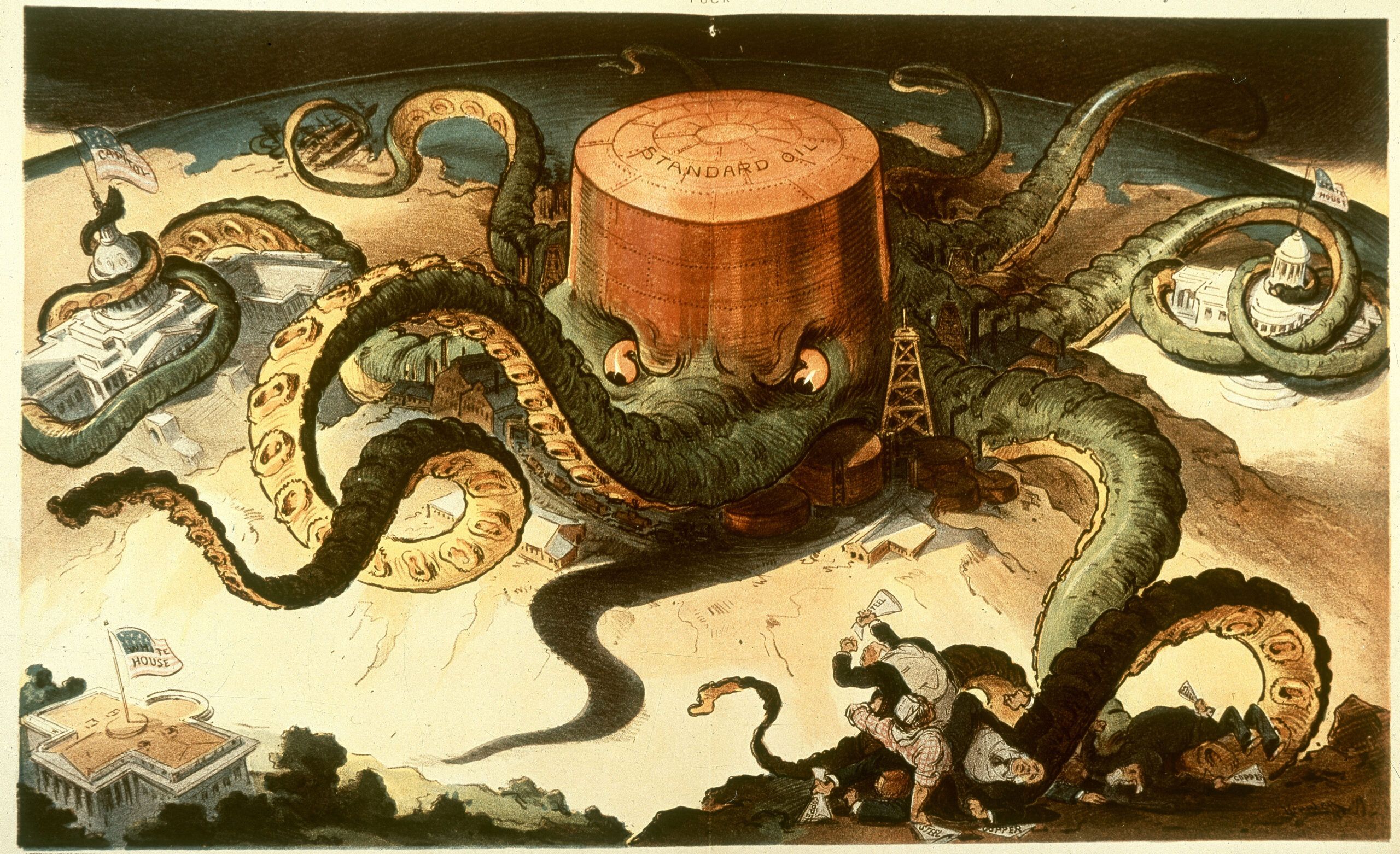
Have you ever wondered how 19th century newspapers shaped public opinion and influenced society? As primary sources, these publications provide invaluable insights into historical events, cultural norms, and everyday life during a transformative era.
This article will explore the history and evolution of 19th century newspapers, highlighting their key features and the major publications that defined the period. Understanding these elements will enhance your appreciation of how media has evolved and its impact on contemporary journalism.
We will delve into the characteristics that made these newspapers unique, the significant titles of the time, and how they reflect the social and political landscape of the 19th century.
History and evolution of 19th century newspapers
The 19th century marked a significant turning point in the history of newspapers. With the advent of the Industrial Revolution, printing technology evolved rapidly, allowing for mass production of newspapers. The introduction of the steam-powered printing press in the early 1800s drastically reduced printing costs and increased circulation rates, making newspapers more accessible to the general public.
By the mid-1800s, the newspaper industry experienced a boom. Major publications such as The New York Times, founded in 1851, and The Chicago Tribune, established in 1847, began to dominate the market. These newspapers not only reported local news but also covered national and international events, shaping public opinion and discourse.
- 1830s: The penny press emerged, offering newspapers at a low cost, which expanded readership.
- 1846: The Associated Press was formed, improving news distribution and standardizing reporting.
- 1861-1865: The American Civil War fueled demand for news, leading to innovations in reporting and coverage.
- 1890s: Sensational journalism, or “yellow journalism,” became prominent, exemplified by newspapers like The New York World.
These developments created a competitive landscape, where newspapers competed for readership and advertising revenue. The introduction of illustrations and photographs also changed the way news was presented, making it more engaging to readers. For instance, Harper’s Weekly, founded in 1857, became famous for its detailed illustrations of the Civil War, providing readers with visual context.
As literacy rates improved and urbanization increased, newspapers adapted to the changing demographics. By the end of the century, newspapers had become an essential part of daily life for millions. This evolution set the stage for the modern media landscape, where newspapers would continue to play a crucial role in informing the public and shaping societal norms.
Key features of 19th century newspapers
19th century newspapers were characterized by several distinctive features that reflected the social, political, and technological changes of the time. These features contributed to their role as vital sources of information and opinion.
- Increased circulation: The rise of literacy rates and public interest in news led to higher circulation numbers. For instance, newspapers like the New York Times and the London Times significantly expanded their readership during this period.
- Diverse content: Newspapers provided a wide range of content, including local news, political commentary, and advertisements. This variety catered to the interests of different social classes, making newspapers accessible and relevant to a broader audience.
- Technological advancements: Innovations such as the steam-powered printing press, introduced in the early 19th century, allowed for quicker production and reduced costs. This technology played a crucial role in making newspapers more affordable and widely available.
Another notable feature was the emergence of specialized publications. By the mid-19th century, various newspapers began focusing on specific topics, such as finance or culture. For example, the Harper’s Weekly, founded in 1857, became known for its illustrations and coverage of contemporary issues.
- Political affiliations: Many newspapers were aligned with specific political parties, influencing their editorial stance. The Democratic Review and the National Intelligencer were examples of publications that reflected the views of their respective political factions.
- Emergence of sensationalism: As competition increased, some newspapers adopted sensationalist reporting to attract readers. Scandals, crimes, and human interest stories became prominent, leading to the development of the modern tabloid format.
- Illustrations and advertisements: The use of illustrations became more prevalent during the 19th century, enhancing the visual appeal of newspapers. Advertisements also played a significant role, with businesses recognizing the importance of print media for reaching potential customers.
The key features of 19th century newspapers highlight their evolution in response to changing societal needs. These characteristics not only shaped the newspaper industry but also influenced public opinion and culture during this transformative era.
Major newspapers from the 19th century
The 19th century saw the rise of several influential newspapers that shaped public discourse and informed citizens. Among these, a few stand out due to their circulation, impact, and historical significance.
- The Times (London) – Founded in 1785, this newspaper became a leading voice in British journalism. By the mid-19th century, it boasted a daily circulation of over 50,000 copies, known for its thorough coverage of national and international news.
- New York Times – Established in 1851, it quickly gained a reputation for its integrity and comprehensive news reporting. By the end of the century, it became one of the most respected newspapers in the United States.
- Le Figaro (France) – First published in 1826, this Parisian newspaper focused on political commentary and cultural reviews. It played a key role in shaping public opinion during the tumultuous political landscape of France.
- The Illustrated London News – Launched in 1842, this was the first illustrated weekly news magazine. It provided readers with visual representation of current events, enhancing the way news was consumed.
These newspapers not only reported events but also influenced public opinion and policy. They became platforms for political debates, social issues, and cultural discussions, reflecting the society of their time.
For example, The Times was instrumental in exposing the injustices of the British government during the 19th century. Its reports on the Peterloo Massacre in 1819 highlighted the need for political reform, resonating with the public and prompting changes in legislation.
| Newspaper | Founded | Country | Notable Features |
|---|---|---|---|
| The Times | 1785 | United Kingdom | Comprehensive news coverage, high circulation |
| New York Times | 1851 | United States | Integrity, respected journalism |
| Le Figaro | 1826 | France | Political commentary, cultural reviews |
| The Illustrated London News | 1842 | United Kingdom | First illustrated weekly |
The impact of these publications cannot be overstated. They paved the way for modern journalism, establishing standards for accuracy and accountability that continue to resonate in today’s media landscape.
How to access 19th century newspapers online
Accessing 19th century newspapers online has become increasingly convenient thanks to various digital archives and libraries. These resources provide valuable insights into historical events, cultural trends, and societal norms of the time. Here are some effective ways to locate these newspapers.
- Digital Libraries: Many universities and institutions have digitized their collections. For instance, the Library of Congress provides access to thousands of newspaper pages through its Chronicling America project.
- Online Archives: Websites like Newspapers.com and GenealogyBank offer extensive archives of historical newspapers. A subscription may be required, but they often provide a free trial.
- National Archives: Many countries maintain digital archives that include newspapers from the 19th century. The British Newspaper Archive is an excellent resource for those interested in UK publications.
To find specific newspapers or articles, users can employ targeted searches. For example, searching by date, location, or keywords can yield more precise results. A search for “civil war” within a specific date range can uncover numerous relevant articles.
Additionally, many online platforms provide user-friendly interfaces that allow users to browse by year or newspaper title. This feature can be particularly helpful for researchers looking for specific publications such as the New York Times or the Chicago Tribune.
Here are some notable platforms where you can access 19th century newspapers:
- Chronicling America: Offers access to over 15 million pages of historic American newspapers.
- HathiTrust Digital Library: Provides a vast collection of digitized texts, including periodicals and newspapers.
- Google News Archive: Although not all content is fully available, it includes many scanned newspapers from the 19th century.
Many of these resources not only allow for text searches but also provide tools for viewing the original newspaper layout. This feature enhances the research experience by offering context that is often lost in plain text formats.
Benefits of using online archives for historical research
Utilizing online archives for historical research offers numerous advantages that enhance the overall research experience. One of the primary benefits is the accessibility of vast amounts of data. Researchers can access thousands of documents from anywhere in the world, eliminating the need for physical visits to libraries or archives.
Another significant advantage is the time efficiency these digital resources provide. Instead of sifting through physical newspapers, researchers can use search functions to quickly find relevant articles. This efficiency is crucial in a world where time is often limited.
- Cost-effective: Many online archives offer free access to their collections, while others may charge a nominal fee. This is often more affordable than travel and accommodation expenses associated with visiting physical archives.
- Comprehensive collections: Online archives often contain extensive collections of newspapers, magazines, and journals, some of which are not available in physical formats.
- Preservation: Digital archives help preserve fragile historical documents, ensuring that they remain intact for future generations.
For example, the Chronicling America project, initiated by the Library of Congress, provides access to over 15 million pages of historic American newspapers. This resource alone has transformed how researchers approach historical studies, allowing for deeper analysis of public sentiment during pivotal moments in U.S. history, such as the Civil War.
Moreover, online archives often include advanced tools for data analysis. Researchers can analyze trends over time, such as shifts in public opinion on various issues. For instance, a study using data from the British Newspaper Archive revealed changing attitudes towards women’s suffrage from 1890 to 1910, showcasing how public discourse evolved.
The benefits of using online archives for historical research are manifold. They facilitate accessibility, save time, and provide comprehensive resources, all while preserving historical documents for future scholarship. As technology advances, these archives will continue to be invaluable for historians and researchers alike.
Challenges in digitizing 19th century newspapers
Digitizing 19th century newspapers presents several challenges that must be addressed to ensure accurate and comprehensive access to historical information. One of the primary issues is the condition of the original materials. Many newspapers from this era were printed on low-quality paper that has deteriorated over time, making it difficult to scan and preserve.
Another significant challenge is the variety of formats in which these newspapers were published. Different sizes, layouts, and typography can complicate the digitization process. For instance, newspapers like the New York Times and the Chicago Tribune had distinct formatting styles, which can lead to inconsistencies in digital representation.
- Quality of Scans: Low-resolution scans can result in illegible text, impacting research accuracy.
- Text Recognition: Optical Character Recognition (OCR) technology sometimes struggles with old fonts and print styles, leading to errors in transcribing.
- Metadata Issues: Inadequate metadata can hinder the searchability of digitized content, making it difficult for researchers to locate specific articles.
Moreover, funding is often a limiting factor. Projects to digitize historical newspapers require substantial financial resources. For example, the Chronicling America project, which aims to provide access to historic American newspapers, received funding through the Library of Congress and the National Endowment for the Humanities. However, such funding is not always available for smaller projects.
Additionally, copyright restrictions can pose a barrier to digitization. Many newspapers have not entered the public domain, which can restrict access to their content. This is particularly relevant for newspapers published in the latter part of the 19th century, as copyright laws were evolving during that time.
Finally, the sheer volume of newspapers published in the 19th century presents an organizational challenge. For example, it is estimated that over 1,000 distinct newspapers circulated in the United States alone by the mid-1800s. Managing and digitizing this vast amount of data requires careful planning and prioritization.
Tips for effective searching in 19th century newspaper databases
Searching through 19th century newspaper databases can be overwhelming due to the vast amount of information available. However, employing specific strategies can streamline the process and yield more relevant results. Here are some effective tips for optimizing your search:
- Use Specific Keywords: Instead of general terms, try using specific keywords related to your topic. For instance, if researching the American Civil War, include terms like “battle,” “Lincoln,” or specific dates like “1863.”
- Utilize Boolean Operators: Many databases support Boolean operators such as AND, OR, and NOT. For example, searching for “women’s rights AND suffrage” will narrow your focus to articles that discuss both topics.
- Explore Advanced Search Options: Take advantage of advanced search features that allow you to filter results by date, publication title, or specific sections within newspapers. This can significantly reduce irrelevant entries.
Incorporating these techniques can enhance your research efficiency. For example, using the New York Times archive, a search for “immigration 1890” will yield articles specifically discussing immigration issues during that year, providing a focused dataset.
Another helpful approach is to:
- Check Synonyms and Variations: Different publications may use varying terminology. For instance, “labor movement” might also be referred to as “workers’ rights” in some articles.
- Review Historical Context: Understanding the historical context of your search can lead to more insightful results. Familiarize yourself with key events, figures, and issues of the 19th century.
- Use Date Ranges: Setting specific date ranges can help target your search to a narrower timeframe, making it easier to find articles relevant to certain events.
For instance, when investigating the Irish Potato Famine, searching within the years 1845 to 1852 will yield articles that specifically discuss the crisis and its impact on immigration patterns.
Lastly, consider using multiple databases. Each platform may house unique collections. Resources like Chronicling America and The British Newspaper Archive can provide diverse perspectives on the same historical events, enriching your research.
Notable events covered extensively in 19th century newspapers
19th century newspapers were vital in documenting significant events that shaped history. They provided extensive coverage on various topics, ranging from political upheavals to cultural milestones. One of the most notable events was the American Civil War (1861-1865), which dominated headlines and public discourse.
During the Civil War, newspapers reported on battles, troop movements, and political decisions. For example, the New York Times published detailed accounts of the Battle of Gettysburg in July 1863, including casualty figures and strategic analyses.
- Women’s Suffrage Movement: Newspapers like the Women’s Journal highlighted the fight for women’s voting rights, featuring articles from activists like Susan B. Anthony.
- Industrial Revolution: Reports on technological advancements and labor strikes were common, with newspapers covering events such as the Great Railroad Strike of 1877.
- Immigration Waves: Newspapers extensively documented the influx of immigrants, particularly from Europe, shaping the demographic landscape of the United States.
Another significant event covered was the California Gold Rush (1848-1855). Local newspapers provided updates on gold discoveries, attracting thousands to California. The San Francisco Chronicle was established during this period, quickly becoming a primary source of news for prospectors and settlers.
Furthermore, the abolitionist movement received considerable attention. Newspapers such as the Liberator, founded by William Lloyd Garrison, were crucial in spreading anti-slavery sentiments. These publications often included personal narratives, statistics on slavery, and calls to action.
To illustrate the impact of these events, consider the following timeline of key dates:
| Event | Date | Significance |
|---|---|---|
| Start of the American Civil War | April 12, 1861 | Marked a major conflict over slavery and state rights. |
| Women’s Rights Convention | July 19-20, 1848 | First women’s rights convention in Seneca Falls, NY. |
| California Gold Rush Begins | January 24, 1848 | Led to significant migration and economic change. |
The extensive coverage of these notable events in 19th century newspapers not only informed the public but also shaped societal attitudes and movements that continue to resonate today.
The impact of 19th century newspapers on modern journalism
The evolution of modern journalism is significantly influenced by the practices and innovations of 19th century newspapers. During this period, newspapers became more than just a source of news; they emerged as a powerful medium that shaped public opinion and influenced political landscapes. This transformation laid the groundwork for the journalism we know today.
One of the key impacts was the rise of investigative journalism. The 19th century saw journalists such as Nellie Bly, who famously undertook undercover assignments, exposing issues like mental health conditions and corruption. Her work exemplifies how investigative reporting became a tool for social change, a trend that continues in contemporary journalism.
- Increased accessibility: Newspapers began to reach broader audiences, leading to a more informed public.
- Standardization of news reporting: Journalistic standards started to develop, including fact-checking and attribution.
- Emergence of editorial sections: Editorials became a platform for opinion, fostering public debate on crucial issues.
The technology of the time also played a crucial role. The introduction of the steam-powered printing press in the early 19th century allowed for faster and cheaper production of newspapers. For instance, the New York Sun, founded in 1833, was one of the first penny papers that made news affordable for the average person, thus democratizing information.
Moreover, the coverage of significant events such as the American Civil War (1861-1865) showcased the capability of newspapers to report on real-time developments. This practice set a precedent for the immediacy that modern news outlets strive for today, where breaking news is expected at any moment.
The legacy of 19th century newspapers is evident in modern journalism’s structure and function. Their emphasis on accessibility, investigative reporting, and real-time news coverage has shaped today’s media landscape, making it crucial for understanding current journalistic practices.
Frequently Asked Questions
What are the best databases for accessing 19th century newspapers?
Some of the most reputable databases for accessing 19th century newspapers include Chronicling America, the British Newspaper Archive, and Newspapers.com. These platforms offer extensive collections that allow researchers to explore historical articles effectively.
How can I improve my searches in 19th century newspaper archives?
To enhance your searches, utilize specific keywords and filters available in the databases. Searching by date, location, or specific events can yield more relevant results. Additionally, using quotation marks for phrases can help narrow down the search results.
Are there any costs associated with accessing 19th century newspapers online?
Many online newspaper databases require a subscription or one-time fee for full access. However, some libraries offer free access to these resources for their members. Check with your local library to see if they provide free access to these archives.
What types of events are most commonly covered in 19th century newspapers?
19th century newspapers frequently covered major events such as political elections, wars, and social movements. They also reported on local happenings, cultural events, and significant changes in society, providing a rich historical context.
How did 19th century newspapers influence modern media?
The innovations of 19th century newspapers, such as investigative journalism and editorializing, have profoundly impacted modern media. Their focus on fact-checking and diverse reporting styles paved the way for the ethical standards and practices seen in today’s journalism.
Conclusion
Effective searching in 19th century newspaper databases requires understanding keyword strategies, recognizing notable events, and appreciating the historical context. These elements enhance the research experience and illuminate the impact of these publications on modern journalism.
By applying these techniques, readers can uncover valuable insights and enrich their understanding of historical events. This knowledge fosters a deeper appreciation for the evolution of journalism and its relevance today.
Start your exploration of 19th century newspapers now by accessing online databases and utilizing the tips discussed. Dive into history and discover the narratives that shaped our world.