Have you ever wondered how the 19th century nobility shaped modern society? Understanding their origins and social structures reveals insights into the power dynamics that influenced politics, culture, and economics during this pivotal era.
This article will guide you through the intricate world of 19th century nobility, highlighting their titles, ranks, and the significant economic power derived from land ownership. By grasping these concepts, you will appreciate the lasting impact of nobility on contemporary social hierarchies.
We will explore their origins, the various titles and ranks, and the economic implications of their land holdings, providing a comprehensive overview of this fascinating topic.
Origins and social structure of 19th century nobility
The origins of 19th century nobility can be traced back to the feudal systems established in the Middle Ages. Over time, these systems evolved, leading to a complex social structure that defined the aristocracy. By the 19th century, many noble families had accumulated wealth and land, often through strategic marriages and military service to the crown.
Typically, the nobility was divided into several ranks, with each having distinct privileges and responsibilities. The hierarchy included:
- Dukes and Duchesses: The highest rank, often ruling over vast territories.
- Marquesses and Marchionesses: Held lands on the borders of territories, often tasked with defense.
- Counts and Countesses: Managed a county and were responsible for local governance.
- Barons and Baronesses: The lowest rank of nobility, often overseeing smaller estates.
Throughout Europe, the structure and influence of the nobility varied significantly. For instance, in France, the French Revolution profoundly altered the traditional roles of aristocrats. Many noble families lost their titles and properties, leading to a decline in their power. Conversely, in Britain, the nobility maintained substantial influence over politics and society, with members often sitting in the House of Lords.
One notable example is the British noble family, the Windsors, who have played a critical role in shaping modern British history. Their lineage can be traced back to the 11th century, and they have adapted to changing political landscapes, maintaining relevance into the 21st century.
In contrast, the Russian nobility faced significant upheaval during the 1917 Bolshevik Revolution. Many noble families, such as the Romanovs, experienced exile or execution, which drastically transformed the social order in the country. These events highlight how the origins and social structure of nobility were not static but rather subject to the political and social currents of their time.
Titles and ranks within the nobility
The hierarchy of 19th century nobility was defined by various titles and ranks, which signified both social status and political power. These titles were not merely ceremonial; they held significant weight in the societal structure of the time.
- Duke/Duchess: The highest rank, often ruling over extensive territories. Dukes had considerable influence in the royal court, with examples like the Duke of Wellington, a key figure in British history.
- Marquess/Marchioness: Ranked just below dukes, marquesses governed border territories, which were often more volatile. They played a critical role in maintaining security.
- Count/Countess: This title was widespread across Europe, from England to France. Counts managed significant estates, with the title derived from the Latin ‘comes’, meaning companion or count.
- Viscount/Viscountess: The title was typically associated with lesser landholdings, serving under counts. Their role was essential in local governance.
- Baron/Baroness: Often the lowest rank of nobility, barons controlled smaller portions of land and had specific duties within the feudal system.
Each title came with its distinctive privileges and responsibilities, shaping the political landscape. For example, a duke would have the right to sit in the House of Lords, whereas a baron might only have limited influence.
In addition to these titles, the nobility often employed courtesy titles for their children, such as ‘Lord’ or ‘Lady’. This practice enhanced their social status and allowed for a broader network of influence. The son of a duke might be styled as a marquess until he inherited the dukedom.
Moreover, titles could vary significantly between countries. For instance, in France, the term ‘prince’ indicated a noble of high rank, often with ties to the royal family. In contrast, in Germany, the titles were often linked to principalities, such as ‘Fürst’ or ‘Graf’, reflecting the fragmented political landscape of the region.
Understanding these titles and ranks is crucial to grasping the complexities of 19th century nobility and their impact on society, politics, and culture.
Economic power and land ownership
The economic power of the 19th century nobility was fundamentally tied to land ownership. This ownership not only provided wealth but also reinforced their social status and political influence. The nobility controlled vast estates, which were the primary source of agricultural production and revenue during this period.
Land was often inherited, and its value fluctuated based on agricultural output and market demands. For instance, in England, the land owned by the nobility constituted approximately 70% of arable land by the early 19th century. This dominance allowed them to exert considerable influence over local economies and politics.
- Income Sources: The nobility derived income from various sources, including:
- Agricultural production
- Rent from tenant farmers
- Taxes collected from local serfs
In countries like France, the nobility’s wealth was often reflected in the luxurious estates they maintained. For example, the Château de Versailles, originally a royal residence, became a symbol of the wealth and power of the French nobility in the 19th century. The upkeep of such estates required substantial financial resources, which were typically sourced through their land holdings.
Moreover, the industrial revolution shifted some economic power away from traditional landowners. Nobles began to diversify their investments into industries and railroads, adapting to new economic realities. While land remained a critical asset, investments in emerging sectors became essential for sustaining their wealth.
| Country | Percentage of Land Owned by Nobility | Key Economic Contributions |
|---|---|---|
| England | 70% | Agriculture, Rent |
| France | 50% | Luxury Estates, Agriculture |
| Germany | 60% | Agriculture, Industry |
The distribution of land and economic power among the nobility was not uniform across Europe. In regions like Eastern Europe, the nobility, particularly the Polish szlachta, held significant power over serfs and were instrumental in shaping local economies. This regional variation highlights the complex dynamics of land ownership and its impact on economic structures during the 19th century.
Role of nobility in politics and governance
The role of nobility in politics and governance during the 19th century was significant and multifaceted. Nobles not only held titles but also wielded substantial political influence. They were often involved in legislative bodies, advisory councils, and local governance, which solidified their power within the state.
In many European countries, the nobility was a key component of the government. For example, in France, the Chamber of Peers was composed predominantly of nobles who played a vital role in shaping laws and policies. Similarly, in the United Kingdom, the House of Lords included many hereditary peers who contributed to legislative discussions.
- France: Nobles served in the Chamber of Peers, influencing national policy.
- United Kingdom: Members of the House of Lords debated critical legislation.
- Germany: The Prussian nobility had significant say in local and regional governance.
- Russia: Nobles held key administrative roles, especially within their estates.
Furthermore, many nobles were appointed to high-ranking positions in the military and civil service, which allowed them to maintain control over local territories. For instance, in the Austro-Hungarian Empire, nobles often served as governors of provinces, managing both military and civilian affairs.
The relationship between the nobility and the monarchy was complex. While nobles were often loyal supporters of the crown, they also sought to preserve their privileges and resist centralization efforts. This dynamic led to tensions, particularly during periods of reform. The 1848 revolutions in Europe highlighted these tensions, as many nobles faced challenges to their authority from rising middle classes and revolutionary movements.
The nobility’s involvement in politics and governance during the 19th century was characterized by both power and conflict. Their influence shaped many political landscapes, impacting legislation, governance, and even social reforms across Europe.
Cultural influence and patronage of the arts
The 19th century nobility played a crucial role in shaping cultural landscapes through their patronage of the arts. Their financial support allowed artists, musicians, and writers to flourish, leading to significant advancements in various artistic fields. Nobles often acted as benefactors, commissioning works that reflected their tastes and ideals.
For instance, the Medici family in Italy, although primarily influential in earlier centuries, had long-lasting effects into the 19th century, inspiring contemporary nobles to support artists. In France, many aristocrats commissioned portraits from renowned painters like Édouard Manet and Claude Monet, contributing to the Impressionist movement’s growth.
- Patrons of the Arts: Nobility funded music, painting, and literature, leading to cultural enrichment.
- Notable Figures: Figures such as Ludwig van Beethoven and Richard Wagner received support from noble patrons.
- Impact on Literature: Noble families like the Pushkins in Russia encouraged literary pursuits, resulting in works from authors such as Alexander Pushkin.
In addition to direct financial support, the nobility also provided venues for artistic expression. Many nobles hosted salons, which were gatherings that encouraged intellectual and artistic exchange. These gatherings became hubs for creativity, allowing artists to present their work and gain recognition.
The influence of nobility on the arts can also be quantified. By the mid-19th century, approximately 30% of the art market in Europe was driven by noble commissions. This financial backing was pivotal in the success of numerous art movements, enabling artists to explore innovative techniques and themes that defined the era.
Moreover, the establishment of cultural institutions, such as the Royal Academy of Arts in London, was often supported by noble patrons. These institutions not only showcased art but also promoted educational programs that cultivated a deeper appreciation for the arts among the general populace.
Challenges faced by the nobility during industrialization
The industrialization of the 19th century posed significant challenges for the nobility, fundamentally altering their traditional roles and status. As cities expanded and industries thrived, the once unassailable grip of noble families on economic power began to wane. This shift was marked by a growing middle class that gained wealth through commerce and industry, challenging the established social order.
- Loss of Land Value: As industrialization progressed, agricultural land became less valuable compared to urban real estate. Nobles who relied on land for income faced diminishing returns.
- Social Mobility: The rise of the bourgeoisie brought new opportunities for social mobility, allowing individuals from non-noble backgrounds to ascend economically and politically.
- Changing Political Landscape: With the rise of democratic ideals, the political influence of the nobility began to decline. Reforms, such as the Reform Acts in Great Britain, diluted noble power.
One notable example of this transformation can be seen in France during the July Monarchy (1830-1848). The nobility struggled to adapt to a new political climate that favored bourgeois interests. Many noble families lost their traditional privileges and found themselves increasingly marginalized.
Additionally, the industrial revolution triggered a societal transformation that impacted the cultural patronage traditionally upheld by the nobility. While many nobles continued to support the arts, the emergence of wealthy industrialists began to shift the patronage landscape. For instance, Andrew Carnegie, a self-made steel magnate, became renowned for his contributions to libraries and education, often overshadowing noble patrons.
By the late 19th century, many noble families were forced to rethink their economic strategies. Some chose to invest in industrial ventures, while others sought to marry into wealthy industrial families to secure their status. This shift underscores the adaptability of the nobility in the face of evolving economic realities.
The challenges faced by the 19th century nobility during industrialization were profound. The loss of land value, the rise of a competitive middle class, and a changing political landscape forced these families to reevaluate their roles. As a result, many sought new avenues to maintain their influence and relevance in a rapidly transforming society.
The impact of revolutions on noble families
The 19th century witnessed several pivotal revolutions that significantly impacted noble families across Europe. These revolutions not only challenged the traditional authority of the nobility but also redefined social structures. Among the most notable were the French Revolution (1789) and the various uprisings in the 1848 Revolutions.
During the French Revolution, the nobility faced extreme consequences:
- The abolition of feudal privileges led to a loss of power and wealth.
- Many nobles were executed or fled into exile, drastically altering the social landscape.
- The revolutionary government confiscated noble properties, redistributing land to common citizens.
In the wake of these upheavals, the status of the nobility across Europe varied greatly. For instance:
- In France, the nobility largely lost their political influence, as the revolution established a republic.
- In contrast, some noble families in Britain retained their status, adapting to constitutional changes while maintaining significant political roles.
- In Austria and Prussia, noble families navigated reforms while still holding onto their privileges, albeit with reduced power.
Moreover, the 1848 Revolutions across Europe further exposed the vulnerabilities of the nobility:
- Economic crises and demands for political reforms led to widespread unrest.
- Nobles faced revolts from the working class and peasantry, eager for rights and representation.
- Many noble estates were threatened, with some being occupied or destroyed during uprisings.
An example of this impact can be seen in the case of the House of Habsburg. The revolutions forced them to concede to various liberal demands, leading to significant losses in authority. Ultimately, these revolutions redefined the noble class, demanding adaptation to a rapidly changing political and social environment.
Daily life and customs of the nobility
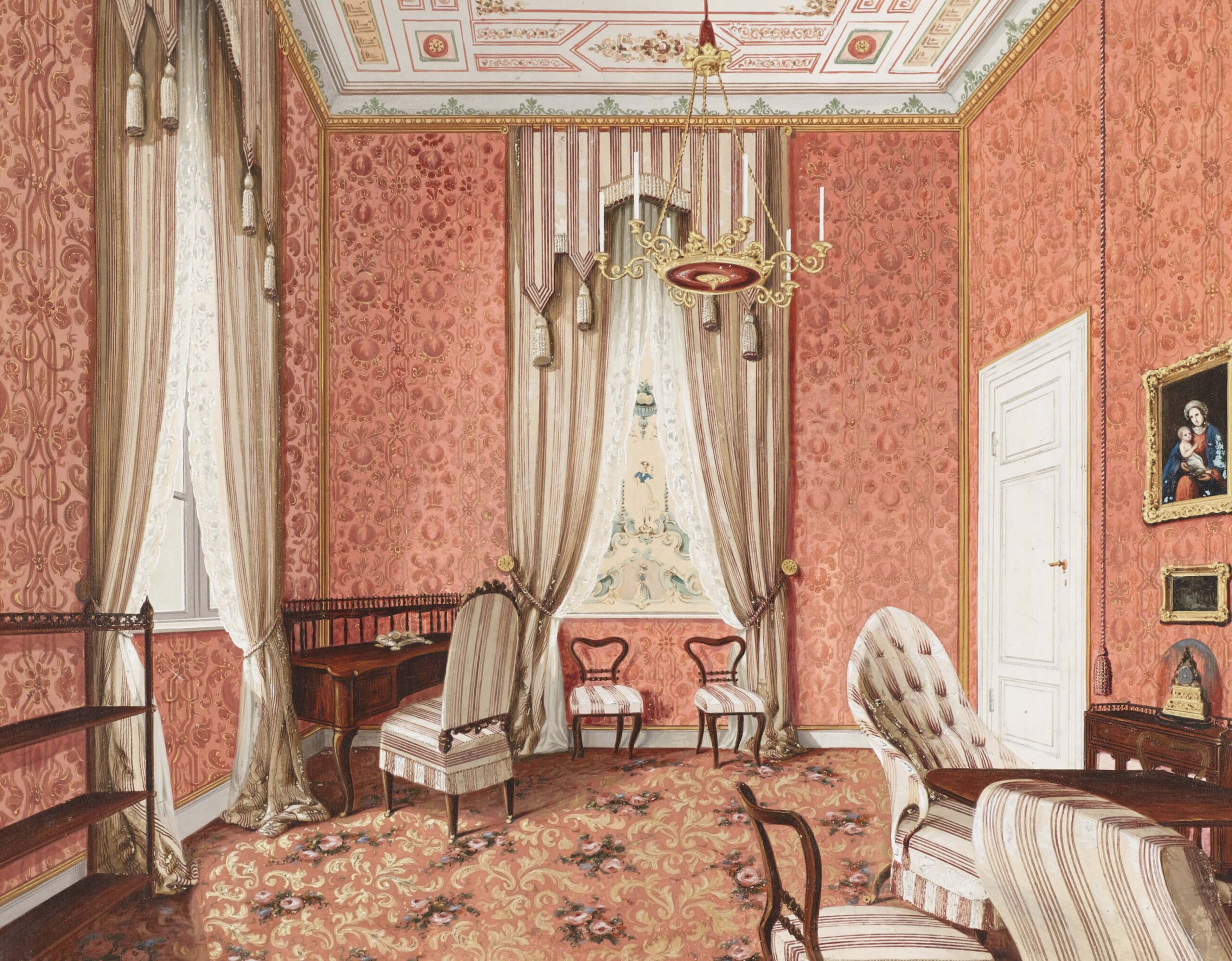
The daily life of the 19th century nobility was characterized by a blend of opulence, tradition, and social obligations. Nobles typically resided in grand estates or manors, often equipped with extensive gardens and elaborate interiors. Their homes served not only as residences but also as venues for social gatherings and cultural events.
Daily routines among the nobility often included:
- Mornings: Breakfast was typically a formal affair, often featuring a selection of pastries, fruits, and fine teas or coffees.
- Midday: Nobles would engage in leisure activities such as horseback riding, hunting, or attending to estate management.
- Evenings: Dinners were elaborate events, often lasting several hours, during which guests enjoyed multiple courses paired with fine wines.
Social customs were fundamental to noble life. Etiquette dictated every aspect of interaction, from formal introductions to the manner of dining. For example, it was customary for noblewomen to wear specific gowns that reflected their social status during events.
In addition to formal gatherings, the nobility also participated in cultural activities. Many hosted salons, where intellectuals, artists, and writers would converge. These gatherings fostered creativity and were pivotal in shaping artistic movements of the time. Notable figures such as the French novelist Honoré de Balzac often mingled with the aristocracy, influencing and being influenced by noble patrons.
| Activity | Description | Social Importance |
|---|---|---|
| Hunting Parties | Organized events for nobles to hunt game. | Demonstrated skill, bravery, and camaraderie. |
| Grand Balls | Elaborate dances featuring live music and formal attire. | Critical for social networking and matchmaking. |
| Art Exhibitions | Showcasing works from prominent artists. | Displayed wealth and cultural sophistication. |
Overall, the daily life of the nobility in the 19th century was a reflection of their social status, marked by lavish customs and a commitment to cultural patronage that left a lasting legacy in history.
Legacy of the 19th century nobility today
The legacy of the 19th century nobility continues to influence modern society in various ways, particularly through cultural, architectural, and social dimensions. The opulence and traditions established during this era have left a lasting mark that can still be observed today.
- Architectural Heritage: Many grand estates and castles built by the nobility serve as historical landmarks. For instance, the Château de Chambord in France, constructed in the early 16th century, reflects the grandeur that continued into the 19th century. Today, these sites attract millions of tourists annually, contributing to local economies.
- Cultural Influence: The arts flourished under noble patronage. Prominent figures, such as composer Giuseppe Verdi, benefitted from noble sponsorship, leading to masterpieces that are still celebrated. The influence of the nobility in the arts can be seen in contemporary cultural events and institutions.
- Political Legacy: The political structures established by the nobility have shaped modern governance. For example, the aristocratic systems in countries like the United Kingdom still affect contemporary politics, where titles and peerage influence social status and political connections.
Moreover, the 19th century nobility played a crucial role in the development of social norms and expectations. This period saw the establishment of various social customs that continue to resonate today. For example, the concept of formal balls and societal gatherings laid the groundwork for modern social events.
In addition, several noble families have retained their influence through philanthropic endeavors. The Rothschild family, known for its extensive banking empire, has been involved in numerous charitable activities, showcasing how 19th-century wealth can still impact society positively.
| Aspect | 19th Century Nobility | Modern Influence |
|---|---|---|
| Architectural Influence | Grand estates and castles | Tourism and cultural heritage sites |
| Cultural Patronage | Support for the arts | Continuation of artistic sponsorship |
| Political Structures | Aristocratic governance | Influence in contemporary politics |
The legacy of the 19th century nobility is evident in many facets of modern life, from architecture and culture to politics and philanthropy. Their historical contributions continue to shape societal norms and practices, illustrating the enduring impact of this influential class.
Frequently Asked Questions
What were the main influences on 19th century nobility?
The 19th century nobility was heavily influenced by political revolutions, social changes, and economic shifts. These elements challenged traditional power structures, ultimately leading to a transformation in noble roles and responsibilities within society.
How did the daily life of the nobility differ from commoners?
The daily life of the nobility was marked by luxury and privilege, including grand estates, elaborate social events, and a strict code of etiquette. In contrast, commoners faced more modest living conditions and daily struggles for survival.
What legacy did the 19th century nobility leave behind?
The legacy of the 19th century nobility can be seen in various aspects of modern society, including cultural influences, architectural styles, and social hierarchies. Their contributions continue to shape contemporary social structures and artistic expressions.
How did revolutions affect noble families?
Revolutions, such as the French Revolution, drastically altered the landscape for noble families by diminishing their power and, in some cases, leading to the loss of property. Many nobles had to adapt to new political realities or face exile and financial ruin.
Where can I learn more about the 19th century nobility?
To explore more about the 19th century nobility, consider visiting historical archives, museums, or online resources dedicated to European history. Books and documentaries focusing on this era can also provide valuable insights.
Conclusion
The 19th century was marked by significant transformations for noble families due to revolutionary movements, characterized by a unique daily life filled with opulence and social duties. Additionally, the enduring legacy of this nobility can still be seen in today’s cultural and architectural landscapes. Understanding these historical dynamics allows readers to appreciate how aristocratic influences have shaped modern society. This knowledge can enhance cultural literacy and inspire deeper explorations into heritage and social structures. To further explore the fascinating world of 19th century nobility, consider visiting historical sites, engaging with literature from the era, or joining local history groups to expand your understanding and appreciation of this influential period.