Have you ever considered how men’s fashion has transformed over the decades? The 19th century marked a pivotal era in the evolution of suit styles, reflecting broader societal changes and cultural shifts. Understanding this evolution can provide valuable insights into modern fashion trends.
This article will explore the fundamental aspects of 19th century suit styles, including their evolution, key fabrics used, and distinctive features of early designs. By examining these elements, you’ll gain a deeper appreciation for the craftsmanship and historical context that shaped men’s attire during this fascinating period.
We will delve into the transition of styles throughout the century, the materials that defined the era, and the unique characteristics that distinguished early 19th century fashion from its predecessors.
The evolution of men’s suits during the 19th century
The 19th century witnessed a significant transformation in men’s suit styles, reflecting broader social changes and advancements in tailoring. Early in the century, the frock coat dominated men’s fashion, characterized by its knee-length cut and fitted waist. This style was often worn by the upper classes and was made from luxurious fabrics such as wool and silk.
By the mid-1800s, the introduction of the tailcoat marked a shift toward more formal attire. Tailcoats were shorter at the front and longer in the back, providing a distinguished silhouette that became synonymous with formal occasions. These suits were often paired with waistcoats, which were an essential component of the three-piece suit.
- Frock Coats: Popular in the early 1800s, ideal for everyday wear.
- Tailcoats: Gained popularity by the mid-1800s, worn for formal events.
- Morning Coats: Introduced in the late 19th century, suitable for daytime events.
- Sack Suits: Emerged in the late 1800s, favored for its comfort and practicality.
As the century progressed, the rise of industrialization and urbanization influenced suit designs. The sack suit emerged in the late 1800s as a response to the need for more practical and comfortable clothing. This style featured a looser fit and lacked the structured elements of earlier designs, making it popular among the working and middle classes.
Prominent figures such as Charles Dickens and Oscar Wilde exemplified the evolving styles of the period. Dickens, known for his keen observations, often described characters in frock coats, while Wilde’s flamboyant attire included tailored suits that challenged traditional norms.
The latter part of the century also saw the standardization of suit sizes, making tailored clothing more accessible. By the end of the 19th century, the modern suit as we know it began to take shape, paving the way for the styles of the 20th century.
Key fabrics and materials used in 19th century suits
The choice of fabrics and materials played a crucial role in defining men’s suits during the 19th century. Tailors utilized a variety of textiles, each with unique qualities that influenced both style and function. As fashion evolved, so did the materials used in suit construction.
- Wool: The most widely used fabric for suits, wool offered durability and warmth. It was favored for its ability to be tailored into various styles, from formal to casual. Different types of wool, such as worsted and flannel, were popular during this period.
- Cotton: Often used for summer suits, cotton was lighter and breathable. The introduction of cotton twill and muslin allowed for more comfortable wear in warmer months. Cotton became increasingly popular in the latter half of the century.
- Silk: Although less common for everyday wear, silk was often used for formal occasions and evening wear. It added a luxurious touch to suits, particularly in the form of silk satin and damask.
- Linen: Another lightweight fabric, linen was used primarily for summer suits due to its breathability. However, it wrinkled easily and was less durable than wool or cotton.
Throughout the century, the development of textile manufacturing techniques allowed for greater diversity in fabric patterns and textures. For instance, the introduction of print technology in the 1830s led to the availability of patterned fabrics, enhancing the aesthetic appeal of suits.
By the late 19th century, the emergence of synthetic dyes revolutionized the fashion industry. This innovation enabled tailors to create vibrant colors that were previously unattainable, allowing for greater personalization in men’s suits.
One notable example is the use of herringbone and houndstooth patterns, which became fashionable in the 1860s. These patterns not only added visual interest but also showcased the skill of the tailor in combining different materials effectively.
Distinctive features of early 19th century fashion
The early 19th century was marked by distinctive features that set men’s fashion apart from previous eras. The Regency period, spanning from 1811 to 1820, saw the emergence of tailored suits characterized by a more fitted silhouette. This change was a response to the evolving social norms and the increasing importance of personal style.
One of the most notable aspects of early 19th century fashion was the cut of the jacket. Early Regency jackets featured high collars and were often cut shorter in length, emphasizing a more tailored appearance. The waistcoat also became an essential component, typically adorned with intricate patterns and brighter colors, providing a contrast to the dark outer jackets.
- High Collars: Featured prominently in jackets, creating a polished look.
- Shorter Jackets: Emphasized the waist and allowed for more mobility.
- Waistcoats: Often vibrant and patterned, adding personality to the ensemble.
- Pants: Breeches gave way to trousers, becoming more common in daily wear.
As the century progressed, the adoption of trousers became more widespread. Initially, breeches were favored for formal occasions, while trousers were seen as practical for everyday use. By the mid-1800s, trousers had become the standard, reflecting the shift towards a more modern approach to men’s wear.
An example of the influence of early 19th century fashion can be seen in the works of famous tailors, such as Henry Poole, who is often credited with creating the modern bespoke suit. Established in 1806, Poole’s tailoring methods laid the foundation for contemporary suit-making, prioritizing fit and personalization.
Additionally, the use of fabrics evolved significantly during this time. Wool remained a popular choice, but tailors began to experiment with lighter materials such as cotton and linen, especially in warmer months. This innovation allowed for greater comfort and versatility in men’s suits.
The impact of the Victorian era on suit styles
The Victorian era, spanning from 1837 to 1901, had a profound impact on men’s suit styles, marking a shift towards more structured and formal attire. During this period, men’s fashion became increasingly defined by social class, and suits reflected a man’s status and profession. The introduction of the *tailcoat* and the *frock coat* became prominent, symbolizing refinement and elegance.
One of the notable changes was the adoption of the three-piece suit, which included a jacket, trousers, and a waistcoat. This ensemble not only enhanced a man’s silhouette but also allowed for greater versatility in styling. By the mid-Victorian period, suits became a staple in everyday wear for the upper and middle classes.
- Tailcoats: Characterized by their long back and shorter front, these were often worn at formal events.
- Frock Coats: Typically knee-length, these coats were suitable for both formal and informal occasions.
- Waistcoats: Often brightly colored or patterned, waistcoats added a personalized touch to the overall outfit.
Victorian suits also incorporated a range of fabrics and colors that matched the wearer’s social status. Wealthier individuals often opted for rich fabrics such as velvet or silk, while the middle class gravitated towards wool and cotton blends. The use of patterns, such as houndstooth and checks, gained popularity, reflecting the era’s taste for intricate designs.
In addition to fabric choices, the Victorian period witnessed a rise in the importance of accessories. Items such as cravats, pocket watches, and gloves not only complemented the suit but also served as status symbols. For example, the cravat evolved into various styles, demonstrating a man’s flair for fashion.
Overall, the Victorian era’s influence on suit styles laid the foundation for modern menswear. The emphasis on tailoring, fit, and fabric quality established standards that continue to impact fashion today. With the rise of department stores and ready-to-wear options, men began to have more access to stylish suits, democratizing fashion in ways previously unseen.
Popular suit cuts and silhouettes in the late 1800s
The late 1800s saw a significant evolution in suit cuts and silhouettes, reflecting broader social changes and the influence of industrialization. The most notable styles during this period included the sack suit, the morning coat, and the frock coat. Each of these styles catered to different occasions and social settings.
- Sack Suit: This style emerged as a more relaxed option, characterized by a straight cut and minimal waist suppression. It became popular for everyday wear, especially among the middle class.
- Morning Coat: Typically worn for formal daytime events, the morning coat featured a cutaway front and a longer back. It was commonly paired with striped trousers, emphasizing elegance during social gatherings.
- Frock Coat: The frock coat remained a staple for formal evening occasions. Its fitted silhouette and knee-length design signified sophistication and class, often adorned with decorative elements.
By the 1880s, the sack suit had gained immense popularity, with approximately 50% of men opting for this style in urban areas. Tailors began to innovate with lighter fabrics and less structured fits, catering to the changing preferences of consumers who sought comfort without sacrificing style.
Another significant development during this era was the introduction of the three-piece suit, which included a jacket, trousers, and a waistcoat. This combination allowed for versatility in fashion, enabling men to mix and match pieces for different occasions. The waistcoat became a decorative item as well, often featuring bold patterns and colors.
Moreover, the late 1800s witnessed the rise of ready-to-wear clothing due to advancements in manufacturing. This shift meant that suit cuts and silhouettes were more standardized, making fashionable attire accessible to a broader audience. By the end of the century, tailoring had transformed, with many men opting for suits that showcased their individual styles, even within the confines of popular trends.
Accessories that complemented 19th century suits
Accessories played a crucial role in defining the overall look of 19th century suits. From pocket watches to cravats, these elements added a layer of sophistication and personal expression. One of the most notable accessories was the cravat, which became a staple in men’s fashion during the Regency period. This neckwear could be intricately tied and came in various fabrics, including silk and cotton, often adorned with patterns.
- Pocket Watches: Essential for the gentleman on the go, these timepieces were not only practical but also a statement of wealth. Gold and silver options were particularly popular, with intricate designs that showcased craftsmanship.
- Canes: Canes were more than just walking aids; they symbolized status and elegance. Many canes were crafted from exotic woods and featured elaborate handles, often made of ivory or silver.
- Gloves: Wearing gloves was a sign of refinement. Men typically wore leather gloves, which were often tailored to fit snugly and were available in various colors.
During the Victorian era, the emphasis on propriety and decorum further influenced accessory choices. For instance, the fob watch became increasingly popular as pocket watches evolved. These smaller watches were typically attached to a chain, allowing for easy access while still providing a touch of elegance. In 1860, the design of fob watches began to include more ornate cases, which were often engraved or embellished with gemstones.
Another accessory that gained prominence was the top hat. This tall, cylindrical hat became synonymous with formal wear, especially during the late 19th century. It was often paired with morning suits for daytime events and full evening dress for formal gatherings. For instance, at the 1897 Coronation of Queen Victoria’s son, many attendees showcased their finest top hats, reflecting the hat’s status in high society.
In addition to these, cufflinks also emerged as a fashionable accessory. By the end of the century, men were wearing decorative cufflinks that complemented their suits. These often featured intricate designs and were made from materials like gold, silver, and even enamel. The introduction of mass production in the late 1800s allowed for a wider variety of styles and prices, making them accessible to more gentlemen.
How industrialization influenced suit production
The influence of industrialization on suit production in the 19th century cannot be overstated. The advent of new manufacturing techniques and technologies transformed the way suits were made, leading to significant changes in both quality and accessibility.
One of the most notable advancements was the introduction of the sewing machine in the 1850s, which revolutionized garment production. This technology allowed for:
- Increased speed: Suits could be produced much faster, reducing the time taken to complete a single garment from days to hours.
- Standardization: Patterns became more consistent, leading to a better fit across different sizes and styles.
- Lower costs: Mass production made suits more affordable for the middle class, expanding the market significantly.
Furthermore, the rise of factories in urban areas contributed to the availability of a wider range of materials. Innovations in textile manufacturing meant that fabrics like wool, cotton, and silk could be produced in larger quantities and at lower prices. This led to:
- Greater variety in suit designs, allowing consumers to choose from numerous styles and materials.
- Enhanced durability of suits, as new weaving techniques improved the quality of fabrics.
- Accessibility for different social classes, as more individuals could afford tailored suits.
A significant example of this change can be seen in the establishment of companies like Brooks Brothers, founded in 1818. They were among the first to adopt mass production techniques, offering ready-to-wear suits that appealed to a broader audience. By the late 1800s, Brooks Brothers had grown to be a leading retailer, demonstrating the successful integration of industrial practices into traditional tailoring.
Moreover, the industrial revolution also led to the development of fashion trends that reflected societal shifts. As urbanization increased, the need for more practical and functional clothing became apparent. This resulted in:
- The popularity of the sack suit, which emphasized comfort and ease of movement.
- Adoption of lighter fabrics for summer wear, catering to a more active lifestyle.
- Incorporation of innovative designs that catered to the demands of modern life.
Notable tailors and fashion influencers of the 19th century
The 19th century was marked by a transformation in menswear, largely driven by the vision of innovative tailors and influential fashion figures. These individuals not only shaped suit styles but also defined the fashion landscape of their time.
One of the most prominent tailors was Henry Poole, often regarded as the father of the modern suit. Established in 1806, his Savile Row tailor shop was the birthplace of the frock coat, which became a staple among gentlemen. Poole’s craftsmanship and attention to detail set a standard for quality that is still revered today.
- Charles Frederick Worth – Known as the “father of haute couture,” Worth revolutionized fashion by introducing the concept of designer labels in the 1850s.
- John Redfern – A key figure in the late 19th century, he was known for his stylish and practical designs, appealing to the emerging middle class.
- Edwardian tailors – By the end of the century, tailors like Anderson & Sheppard and Gieves & Hawkes began to popularize the three-piece suit, which included trousers, a waistcoat, and a coat.
These tailors not only created suits but also influenced social norms and perceptions of masculinity. For instance, Worth’s designs often featured luxurious fabrics and intricate details, signaling wealth and status.
Additionally, fashion publications played a critical role in disseminating trends. The Illustrated London News and other magazines showcased the latest styles, educating the public about emerging trends. Tailors adapted their designs to reflect these trends, ensuring that their clientele remained fashionable.
| Influencer | Contribution | Notable Designs |
|---|---|---|
| Henry Poole | Established modern tailoring standards. | Frock coat |
| Charles Frederick Worth | Introduced designer labels. | Luxurious evening wear |
| John Redfern | Stylish designs for the middle class. | Practical suits |
The legacy of these tailors and influencers is evident in today’s fashion world. Their commitment to quality and innovation paved the way for future generations of designers and tailors, establishing a rich heritage in menswear that continues to evolve.
The legacy of 19th century suits in modern fashion
The influence of 19th century suits on contemporary fashion is profound and multifaceted. Many elements from that era have been seamlessly integrated into today’s menswear, demonstrating a timeless appeal. The sharp tailoring, structured silhouettes, and attention to detail are hallmarks that continue to resonate in modern designs.
- Tailoring Techniques: The precision of tailoring techniques developed in the 19th century laid the foundation for modern bespoke suits. Techniques such as hand-stitching and canvas construction remain prevalent in high-end fashion.
- Silhouette Evolution: The classic hourglass silhouette of the 19th century has evolved but continues to influence the cut and fit of current suits. This style emphasizes the waist and shoulders, creating a flattering shape.
- Fabric Choices: The use of wool and other rich fabrics popularized in the 19th century is still a staple in today’s menswear. These materials offer durability and sophistication.
Furthermore, notable designers have drawn inspiration from this period. For example, Alexander McQueen and Tom Ford have incorporated Victorian influences into their collections, often featuring high collars and structured jackets. This fusion of past and present showcases the enduring nature of 19th century aesthetics.
Modern interpretations also include:
- Accessories: Items such as pocket squares and cravats have made a comeback, adding a touch of vintage flair to contemporary outfits.
- Layering Styles: The practice of layering garments, such as waistcoats under jackets, reflects the 19th century’s emphasis on complexity in menswear.
- Color Palettes: Earthy tones and rich hues, reminiscent of 19th century fashion, are increasingly popular in modern collections.
The legacy of 19th century suits is not merely a historical reference; it is a vibrant aspect of modern fashion that continues to evolve. By embracing the craftsmanship and stylistic elements from that era, contemporary designers pay homage while pushing the boundaries of what menswear can be.
Frequently Asked Questions
What were the common fabrics used in 19th century suits?
In the 19th century, suits were typically made from fabrics such as wool, cotton, and silk. Wool was favored for its durability and warmth, while cotton provided comfort for casual wear. Silk was often used for formal occasions, adding elegance to the ensemble.
How did social class influence suit styles in the 19th century?
Social class played a significant role in determining suit styles. Wealthy individuals often wore tailored suits made from luxurious fabrics, while working-class men opted for more practical and affordable clothing. This disparity influenced the cut, colors, and embellishments in their attire.
What styles of suits were popular among women in the 19th century?
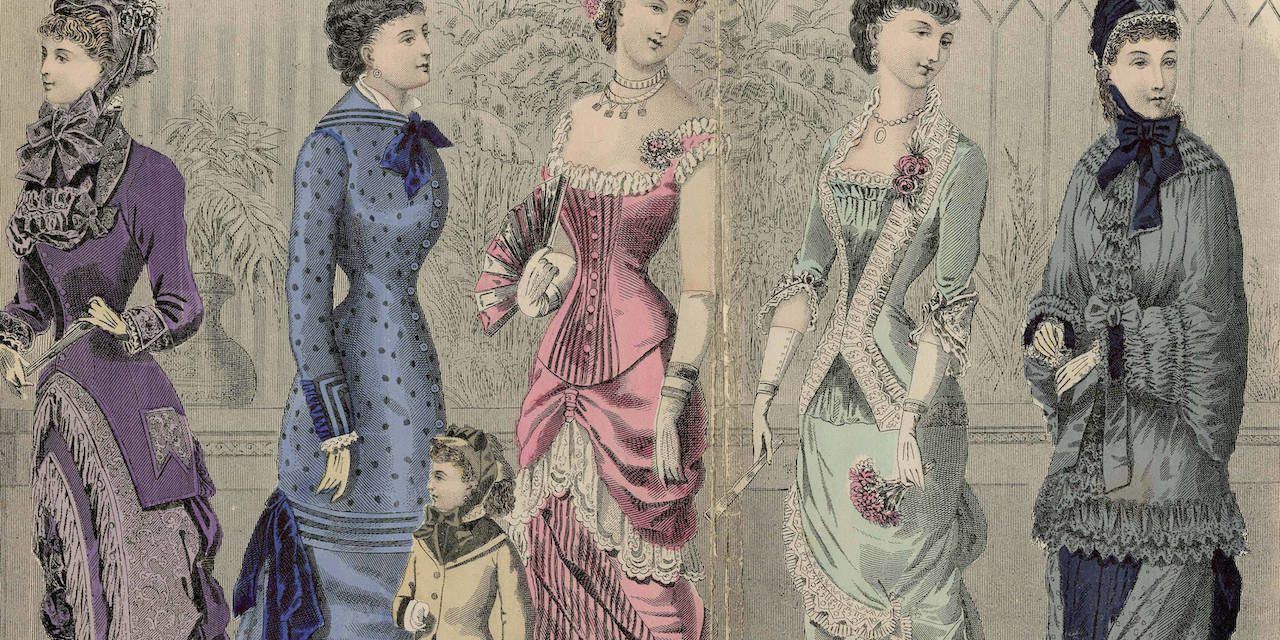
While men’s suits dominated the era, women’s fashion also evolved. The bustle and tailored jackets became popular, reflecting a shift towards more structured attire. Women began to adopt suit-like outfits for activities like cycling and attending formal events.
Where can I find vintage 19th century suits today?
Vintage 19th century suits can be found at antique shops, online marketplaces like eBay, or specialized vintage clothing stores. Additionally, auctions and estate sales often feature historical garments, providing opportunities to acquire unique pieces.
What were the main color trends for suits in the 19th century?
Color trends for suits in the 19th century varied widely, with dark hues like navy, black, and charcoal being predominant for formal wear. Lighter shades, such as beige and pastels, emerged in the later part of the century, especially for summer attire.
Conclusion
The 19th century witnessed a remarkable evolution in suit styles, driven by industrialization’s advancements in production, the creativity of notable tailors, and the lasting impact these designs have on modern fashion. Each of these factors contributed significantly to the development of men’s attire. Understanding these historical influences can enhance your appreciation for contemporary fashion choices and inform your personal style. By recognizing the roots of suit design, you can make more informed decisions when selecting attire for various occasions. Explore the rich history of 19th century suits further and consider how you can incorporate these timeless elements into your wardrobe. Embrace the legacy of the past to elevate your fashion sense today.