Have you ever wondered how children’s play has evolved over the centuries? The 19th century marks a significant turning point in the creation and design of toys and games, reflecting societal changes and innovations. Understanding this evolution can provide insights into modern play and its cultural significance.
In this article, you will discover the rich history of 19th-century toys, exploring the popular games children engaged in and the materials that shaped their experiences. This knowledge not only highlights the creativity of the era but also emphasizes the importance of play in childhood development.
We will delve into key topics, including the evolution of toys, the most beloved games of the 1800s, and the craftsmanship behind these objects. Join us on this journey to uncover the fascinating world of play in the 19th century.
The evolution of toys during the 19th century
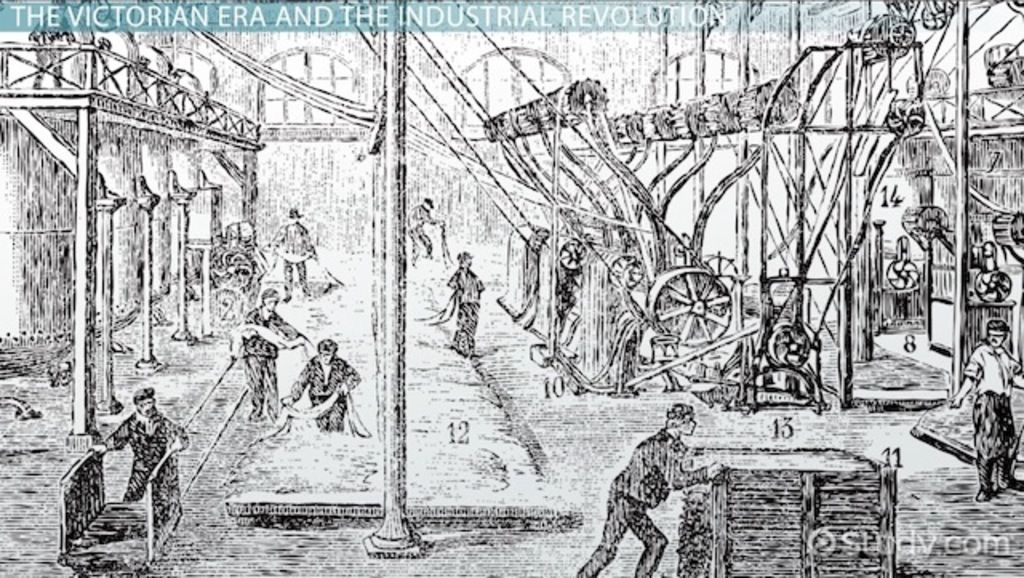
The 19th century marked a significant transformation in the world of toys, driven by the Industrial Revolution. This period saw a shift from handmade toys to mass-produced items, making them more accessible to a wider audience. Factories began to produce toys in large quantities, leading to a boom in the variety and complexity of playthings available.
One notable example is the advent of mechanical toys. These toys featured wind-up mechanisms and were often made from tin, allowing for intricate designs and movements. The Automaton, a mechanical figure that could perform various actions, became a popular delight among children and adults alike. By the end of the century, more than 100 different types of automaton toys existed, showcasing the era’s ingenuity.
- Wooden toys: Traditional wooden toys remained popular, with items like dolls, trains, and building blocks being crafted in various shapes and sizes.
- Board games: The 19th century saw the rise of board games such as Snakes and Ladders and Monopoly, promoting social interaction and strategic thinking.
- Dolls: Dolls evolved from simple cloth figures to more complex porcelain and bisque dolls, often accompanied by elaborate clothing.
Another significant development was the introduction of educational toys. The late 1800s saw the emergence of products designed to enhance learning and development. For instance, building sets and puzzles were created to stimulate creativity and critical thinking in children. By 1880, companies like The A.C. Gilbert Company began producing educational kits that encouraged scientific exploration.
Noteworthy is the popularity of toy trains, which began to captivate the imaginations of children. The Lionel Corporation, founded in 1900, was one of the pioneers in manufacturing electric toy trains, but their roots can be traced back to earlier steam-powered models of the 19th century. These trains allowed children to create miniature worlds, sparking a lifelong interest in model railroading.
Popular games played by children in the 1800s
During the 19th century, children’s games reflected the cultural and social changes of the time. Many games were inspired by folk traditions, while others emerged from the advancing industrial landscape. Here are some of the most popular games played by children during this era:
- Marbles: This classic game involved players shooting small glass or clay balls into a designated area. The objective was to knock opponents’ marbles out of the circle, a game that has roots in ancient history but gained immense popularity in the 1800s.
- Hopscotch: A game that required players to throw a stone onto numbered squares drawn on the ground. Children then hopped on one foot to retrieve their stone, promoting balance and coordination.
- Tag: A simple yet engaging game where one child is “it” and must chase others to tag them. Variants of tag, such as “Duck, Duck, Goose,” were also widely played.
- Jacks: This game involved bouncing a ball and picking up a set number of small metal or wooden pieces (jacks) before the ball bounced twice. It was a test of dexterity and speed.
In addition to these games, children often played with homemade toys, which included:
- Dolls: Often crafted from cloth, wood, or even corn husks, dolls were a staple of playtime. They allowed children to engage in imaginative play and storytelling.
- Spinning tops: These toys were made from wood and were spun on the ground, providing entertainment and encouraging friendly competition among children.
- Kites: Flying kites became a popular pastime, especially during the spring and summer months, symbolizing freedom and creativity.
One notable example of a game gaining traction during this period was the “Game of the Goose,” which originated in the 16th century but saw a resurgence in the 1800s. This board game involved players racing to reach the finish line while navigating challenges and opportunities along the way.
These games not only provided entertainment but also helped develop social skills, teamwork, and physical abilities. As the century progressed, the introduction of mass-produced toys began to influence children’s play, but the essence of these traditional games remained a cherished part of childhood.
Materials and craftsmanship in 19th-century toys
The materials and craftsmanship of 19th-century toys reflected the technological advancements and cultural shifts of the era. The use of various materials, including wood, metal, and cloth, played a crucial role in the design and durability of toys.
Wood was the predominant material for many toys, particularly in the early part of the century. Craftsmen skillfully carved and painted wooden toys, creating intricate designs that appealed to children and collectors alike. Examples include wooden dolls, toy trains, and building blocks, which were often handcrafted by artisans.
- Wood: Commonly used for dolls, trains, and puzzles.
- Metal: Utilized for toy soldiers, cars, and mechanical toys.
- Cloth: Employed in stuffed animals and dolls, often filled with straw or sawdust.
- Paper: Used in board games and simple toys like paper dolls.
As the century progressed, the advent of the Industrial Revolution introduced mass production techniques, leading to a wider variety of toys at lower prices. Factories began to produce toys in bulk, utilizing metal and cardboard for items such as toy cars and decorative boxes. Companies like Märklin and Schuco emerged, specializing in high-quality mechanical toys that captivated children.
One notable example of craftsmanship is the rocking horse, which became a favorite among children. Artisans crafted these horses with great attention to detail, often using hardwoods like oak and cherry. By the mid-1800s, these toys were often adorned with elaborate paintwork and upholstery, making them not just playthings but also decorative items.
| Material | Common Toys | Craftsmanship Style |
|---|---|---|
| Wood | Dolls, Puzzles | Handcrafted, Painted |
| Metal | Mechanical Toys | Mass-produced |
| Cloth | Stuffed Animals | Hand-sewn, Stuffed |
| Paper | Board Games | Printed, Cut-out |
The materials and craftsmanship of 19th-century toys were diverse and innovative, reflecting the era’s industrial advancements and artistic expressions. The evolution from hand-crafted to mass-produced toys not only made them more accessible but also set the stage for the future of toy manufacturing.
The impact of the Industrial Revolution on toy production
The Industrial Revolution had a profound impact on toy production in the 19th century. As factories emerged, mass production techniques enabled the creation of toys at a scale never seen before. This shift not only increased the availability of toys but also made them more affordable for families across different social classes.
Innovations in manufacturing processes allowed for the use of new materials, such as tin, plastic, and pressed wood. These materials not only reduced costs but also offered a variety of textures and colors that were appealing to children. For instance, tin toys became popular due to their durability and the ability to be painted in vibrant colors.
- Standardization: Factories began to produce standardized toys, which ensured consistency in quality and design.
- Innovation: The introduction of mechanisms, such as wind-up toys, revolutionized play patterns.
- Accessibility: Prices dropped significantly, allowing lower-income families to purchase toys.
One notable example of this change is the production of mechanical toys. By the mid-1800s, companies like Märklin in Germany began creating intricate wind-up toys that could move and perform actions. These toys captivated children and became instant classics, showcasing the era’s technological advancements.
Moreover, the expansion of the railways during this period played a crucial role in toy distribution. With improved transportation, toys could be shipped to various regions more efficiently. This accessibility meant that children in rural areas could also enjoy the same toys as those in urban centers, further homogenizing play experiences across the country.
The Industrial Revolution fundamentally transformed toy production by introducing mass manufacturing, innovative materials, and broader distribution networks. These changes not only shaped the types of toys available but also influenced childhood experiences, making play more integral to children’s lives during the 19th century.
Famous toy makers and brands of the 19th century
Throughout the 19th century, numerous toy makers and brands emerged, each contributing to the evolution of children’s play. Some of these manufacturers became household names, known for their innovative designs and quality craftsmanship.
One of the most notable brands was Steiff, founded by Margarete Steiff in 1880 in Germany. Initially starting with stuffed animals, Steiff gained fame for creating the first teddy bear in 1902. The company’s emphasis on high-quality materials and safety set a standard in the toy industry.
- J. E. Stevens Company: Known for its cast iron toys, this American company produced items like banks and vehicles, becoming a symbol of quality in the late 1800s.
- Schuco: Established in Germany in 1912, Schuco was famous for its wind-up toys and intricate mechanisms, although it gained prominence after the 19th century.
- Fisher-Price: Founded in 1930, Fisher-Price began as a toy company and was influenced by the designs of earlier 19th-century toys.
Another significant player was Mattel, which was founded in 1945 but drew inspiration from the craftsmanship of 19th-century toys. Their focus on creativity and fun was a direct reflection of the playful spirit embodied by earlier toy makers.
In addition to individual companies, many small-scale artisans thrived during this era. For example, in England, local craftsmen created beautifully hand-carved wooden toys that were not only functional but also artistic. The production of such toys often relied on traditional techniques passed down through generations.
The rise of toy fairs and exhibitions in the late 1800s also played a crucial role in popularizing these brands. Events such as the London Toy Fair allowed manufacturers to showcase their products, leading to increased visibility and sales. It is estimated that the toy industry saw a 200% growth in production during this period, driven by both public demand and technological advancements.
How toys reflected societal values and norms
Toys in the 19th century were not merely objects for play; they were mirrors of societal values and norms. As children engaged with these toys, they absorbed the prevailing cultural attitudes, gender roles, and social expectations of their time. For instance, dolls, which were often marketed to young girls, emphasized domesticity and nurturing. These dolls were sometimes dressed in the latest fashions, reflecting the societal emphasis on appearance and status.
- Gender Roles: Boys typically received toys that encouraged active play, such as toy soldiers and construction sets, which fostered competitive and adventurous spirits.
- Social Class: The materials used in toys often indicated the social class of the child. Wealthier families could afford intricately designed wooden toys, while poorer families might have made simpler, handmade versions.
- Education: Educational toys, such as building blocks and puzzles, became popular, reflecting the growing belief in the importance of education and intellectual development for children.
One notable example is the popularity of the “Merry-Go-Round” toy in the late 1800s. This toy not only entertained but also symbolized the era’s fascination with amusement parks and public leisure spaces, highlighting the importance of community and family bonding during recreational activities. Moreover, the rise of the toy train set mirrored the expansion of railroads and industrial progress, instilling in children a sense of wonder about technology and progress.
Additionally, some toys were created with direct social commentary. The “Uncle Sam” dolls, for example, were designed during times of war, promoting patriotism and national identity among children. These dolls were often used in educational settings, teaching children about their country’s values and history.
19th-century toys were instrumental in shaping the identities of children. They provided insights into the expectations placed upon them, preparing them for their future roles in society. By examining these toys, historians can better understand the cultural fabric of the time, revealing how play was intertwined with the larger social narrative.
Educational toys and their role in child development
Educational toys gained prominence in the 19th century as parents and educators recognized their potential to aid in child development. These toys were designed not only for entertainment but also to enhance various skills essential for children’s growth.
One of the primary benefits of educational toys is their ability to foster cognitive skills. Toys like building blocks and puzzles encourage problem-solving and critical thinking. Other examples include:
- Alphabet blocks: These helped children learn letters and develop early literacy skills.
- Counting games: Toys that incorporated numbers facilitated basic math skills through play.
- Science kits: These introduced children to concepts of chemistry and physics in a hands-on manner.
Furthermore, educational toys also support social and emotional development. Many toys encourage cooperative play, allowing children to interact and learn from one another. For instance, board games became popular during this era, teaching children about teamwork and strategy.
In the realm of physical development, toys like jump ropes and hula hoops were prevalent, promoting physical activity and coordination. These toys not only engaged children physically but also contributed to their overall health and well-being.
Specific examples of popular educational toys from the 19th century include:
- The “Magic Lantern”: An early form of slide projector that educated children about stories and images, sparking imagination.
- The “Doll House”: This encouraged role-playing and social interaction as children mimicked adult behaviors.
- Construction sets: These allowed children to create structures, enhancing both fine motor skills and creativity.
As society evolved, the importance of educational toys continued to grow. By the end of the 19th century, they were widely accepted as tools to promote holistic development, blending fun with learning. This shift laid the groundwork for the future of educational toy design, which continues to prioritize developmental benefits today.
Collecting and preserving 19th-century toys today
Collecting 19th-century toys has become a popular hobby for enthusiasts and historians alike. These toys not only represent a unique period in history but also serve as valuable artifacts that illustrate the evolution of childhood and play. Today, collectors focus on acquiring rare pieces, often seeking specific makers or styles that resonate with their personal interests.
- Condition: The state of the toy significantly affects its value.
- Rarity: Limited production toys are often more sought after.
- Provenance: A toy’s history can increase its appeal and worth.
- Material: Toys made from wood, metal, or cloth each carry different values.
To preserve these artifacts, collectors must be cautious about how they store and display their toys. Here are some essential tips for ensuring the longevity of 19th-century toys:
- Keep toys in a stable environment with controlled temperature and humidity.
- Avoid direct sunlight to prevent fading and deterioration.
- Use archival materials for storage, such as acid-free boxes and tissue.
- Regularly clean items with a soft brush to remove dust without causing damage.
For instance, the Steiff teddy bears, first created in 1902, have become iconic collectibles. Their value can range from a few hundred to several thousand dollars, depending on their condition and rarity. Additionally, vintage wooden toys from manufacturers like Fisher-Price and Schylling are also highly sought after, with prices reflecting their historical significance.
Collector communities and online forums provide an excellent platform for enthusiasts to share knowledge, trade toys, and attend events such as toy fairs. These gatherings often feature rare finds and opportunities for networking among collectors.
Collecting and preserving 19th-century toys is not only a way to appreciate history but also an investment in culture and education. As more individuals recognize the significance of these toys, the market continues to grow, highlighting the importance of preserving childhood artifacts for future generations.
The legacy of 19th-century toys in modern playthings
The legacy of 19th-century toys is deeply rooted in today’s playthings, influencing design, educational value, and cultural significance. Many modern toys can trace their lineage back to this vibrant era, displaying a connection that transcends time. This influence can be seen in various aspects:
- Materials and Craftsmanship: The use of wood, metal, and cloth in 19th-century toys established a standard for quality materials. Today, many educational toys still use these materials to ensure durability and safety.
- Design Inspirations: Iconic designs, such as the classic wooden dollhouse or the spinning top, continue to inspire contemporary toy manufacturers. The aesthetics of these toys often evoke a sense of nostalgia.
- Role-Playing and Imagination: Toys like toy kitchens and tool sets encourage imaginative play, much as they did in the 19th century. These playthings help children to develop social skills and creativity.
Furthermore, the educational aspect of toys has remained a focal point since the 19th century. For instance, the introduction of building blocks paved the way for modern STEM-related toys. Today, companies like LEGO utilize similar principles of construction and creativity, allowing children to explore engineering concepts.
Another significant legacy is the emergence of collectible toys, which began in the 19th century. Collectors today seek vintage toys, such as tinplate cars or wooden puzzles, not only for their nostalgic value but also for their historical significance. This reflects a sustained interest in preserving childhood memories through tangible objects.
Additionally, many modern toys incorporate technology while maintaining the core principles established by their 19th-century predecessors. For example, interactive learning toys, like tablets designed for children, blend digital technology with traditional learning methods, echoing the educational intent of earlier toys.
The legacy of 19th-century toys continues to shape the landscape of modern playthings. By understanding this historical context, we can appreciate how past innovations inform current trends, enriching children’s play experiences.
Frequently Asked Questions
What types of educational toys were popular in the 19th century?
In the 19th century, popular educational toys included building blocks, puzzles, and board games. These toys were designed to enhance cognitive skills, promote creativity, and foster social interaction among children.
How can I start collecting 19th-century toys?
To begin collecting 19th-century toys, research reputable dealers, attend antique fairs, and join collector groups. Familiarize yourself with authentication methods and consider acquiring items in good condition to preserve their value.
What is the significance of 19th-century toys in today’s culture?
The significance of 19th-century toys lies in their influence on modern playthings. They have shaped the design and educational aspects of toys today, highlighting the importance of creativity, learning, and cultural heritage in childhood development.
Where can I find 19th-century toys for sale?
You can find 19th-century toys for sale at antique shops, online auction sites, and specialized collector fairs. Additionally, museums and historical exhibits may offer insights and potential sales of these unique items.
What should I consider when preserving old toys?
When preserving old toys, consider factors such as temperature, humidity, and sunlight exposure. Use appropriate storage methods, avoid harsh cleaning agents, and handle them with care to maintain their condition and value over time.
Conclusion
The exploration of 19th-century toys highlights their significant role in child development through educational play, the enthusiasm for collecting these artifacts today, and their lasting legacy in modern toys. These aspects collectively underscore the rich cultural history and value of these playthings. By understanding the importance of educational toys, collectors and parents can make informed choices that enhance child development and foster creativity. Engaging with these historical toys can also provide valuable insights into their impact on contemporary designs. Take the next step by exploring local museums, antique shops, or online forums dedicated to 19th-century toys. Engaging with this fascinating aspect of history can enrich your appreciation and understanding of childhood play.