Have you ever considered how the advent of travel transformed people’s perspectives in the 19th century? Travel journals from this era reveal not only the landscapes and cultures encountered but also the underlying social dynamics and personal reflections of their authors.
This article will explore the significance of travel journals in the 19th century, highlighting common themes and destinations that shaped the travel experience. You will gain insight into the valuable lessons these writings offer about human connection and adventure.
We will also delve into the works of famous travel journal authors, examining how their unique perspectives contributed to our understanding of historical contexts and cultural exchanges during this transformative period.
The significance of travel journals in the 19th century
Travel journals in the 19th century played a crucial role in documenting personal experiences and societal observations. These narratives provided insights into the cultures, landscapes, and peoples encountered by travelers. Notable figures, such as Charles Dickens, used their travels as a backdrop for their literary works, blending personal reflections with broader social commentary.
Many travel journals served as valuable historical records. For instance, the journal of Frederick Law Olmsted, who traveled through the southern United States in the 1850s, highlighted the stark realities of slavery and the complexities of Southern society. His observations contributed to the growing abolitionist movement and informed the public about conditions in the antebellum South.
- Personal Growth: Journals allowed travelers to reflect on their experiences, leading to personal development.
- Cultural Exchange: They documented interactions between different cultures, fostering understanding and empathy.
- Historical Documentation: Many journals provide firsthand accounts of significant events, enriching historical narratives.
Furthermore, travel journals often influenced public perception and policy. For example, Mary Kingsley, an English explorer, documented her travels in West Africa. Her writings challenged colonial stereotypes and advocated for a more nuanced understanding of African cultures, impacting British views during the late 19th century.
Additionally, the advent of photography and the printed travel narrative further amplified the significance of these journals. Travelers like Mark Twain incorporated illustrations and photographs into their works, making their experiences more accessible and engaging to the public. This blend of text and visual documentation transformed how people perceived distant lands and cultures.
19th-century travel journals were not merely personal records; they were instrumental in shaping cultural narratives, influencing public opinion, and providing a window into the world during a time of significant change and exploration.
Common themes and destinations in 19th century travel writings
Travel writings from the 19th century often revolved around several common themes that reflected the cultural, social, and political contexts of the time. These themes not only provided insights into the journeys of the authors but also shaped readers’ perceptions of distant lands.
- Exploration and Adventure: Many travelers embarked on journeys to explore uncharted territories. Figures like Charles Darwin documented their expeditions, such as the voyage of the HMS Beagle (1831-1836), which greatly contributed to the field of natural history.
- Colonial Encounters: Travel journals frequently described encounters with indigenous populations. Writers like Richard Francis Burton recounted their experiences in Africa and the Middle East, often highlighting cultural differences and colonial attitudes.
- Romanticism: The influence of the Romantic movement is evident in the writings of authors like John Keats and Lord Byron, who celebrated nature and the sublime beauty of landscapes during their travels in Europe.
- Social Commentary: Many journals served as a platform for social critique. Authors often reflected on issues such as poverty, class disparities, and the effects of industrialization in the places they visited.
Destinations varied widely, from bustling urban centers to remote landscapes. Notable locations frequently mentioned in travel writings include:
- European Cities: Paris, London, and Rome were popular destinations, with travelers chronicling their experiences in cafes, galleries, and historical sites.
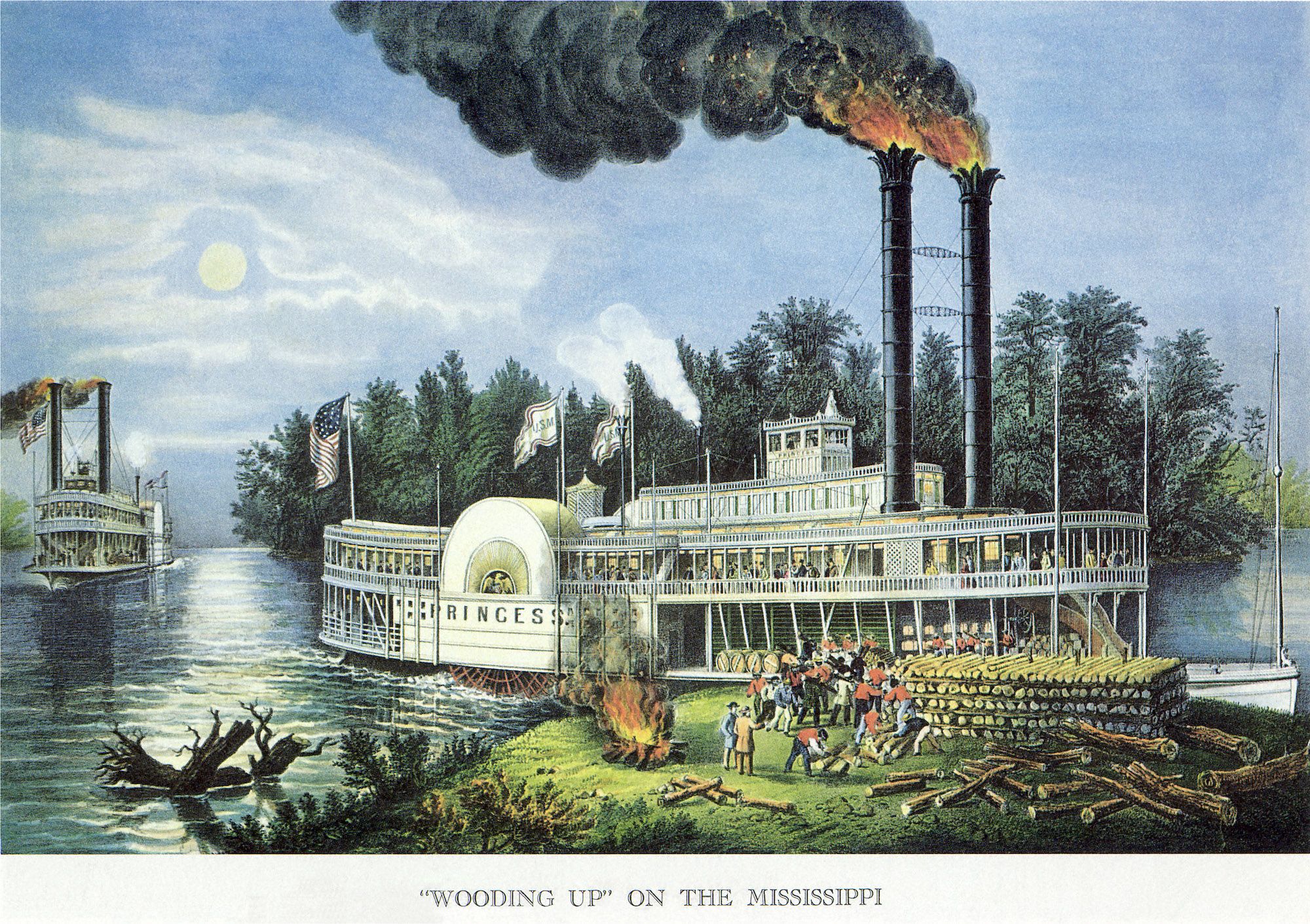
- North America: The exploration of the American West drew many writers, including Mark Twain, who vividly depicted the Mississippi River and its surrounding culture in his works.
- Asia: The allure of the East attracted many, with travelers like Mark Twain narrating their experiences in places such as India and China, highlighting both wonder and cultural misunderstandings.
In addition to specific destinations, the 19th-century travel journal often included detailed descriptions of the landscapes, people, and cultures encountered. This rich tapestry of narratives not only entertained readers but also informed them about the world beyond their immediate surroundings.
Famous travel journal authors of the 19th century
Many notable authors emerged in the 19th century, whose travel journals not only documented their adventures but also reflected the zeitgeist of their times. These writers offered unique perspectives on the places they visited, influencing readers and future travelers.
One of the most significant figures was Charles Dickens. His travel writings often blended personal narratives with social commentary. His book, The Uncommercial Traveller, published in 1860, showcased his journeys across England and Europe, providing a vivid portrayal of urban life and societal issues.
- Mark Twain – In his work The Innocents Abroad (1869), Twain humorously chronicled his journey through Europe and the Holy Land, highlighting cultural contrasts and the folly of American travelers.
- John Stuart Mill – Mill’s writings, particularly in Principles of Political Economy (1848), included travel observations that examined the economic implications of colonialism.
- Henry James – His essays and letters often explored the cultural differences between Europe and America, as seen in his work Italian Hours (1909), which reflected on his travels in Italy.
Another influential author was Gertrude Bell, who traveled extensively in the Middle East. Her journals, collected in Amurath to Amurath (1911), provided insights into the political landscape and the lives of the people she encountered, blending travel narrative with historical analysis.
Additionally, Richard Francis Burton is noteworthy for his adventurous spirit. His accounts, such as First Footsteps in East Africa (1856), documented his explorations in uncharted territories, making significant contributions to geography and anthropology.
| Author | Notable Work | Year |
|---|---|---|
| Charles Dickens | The Uncommercial Traveller | 1860 |
| Mark Twain | The Innocents Abroad | 1869 |
| Gertrude Bell | Amurath to Amurath | 1911 |
| Richard Francis Burton | First Footsteps in East Africa | 1856 |
These authors, through their engaging narratives, not only entertained their readers but also shaped perceptions of distant lands and cultures, making their travel journals a vital part of 19th-century literature.
The role of travel journals in shaping public perception
Travel journals in the 19th century significantly influenced public perception by providing detailed accounts of foreign lands and cultures. These writings offered readers a glimpse into places they might never visit, shaping their understanding of geography, society, and politics. Authors like Charles Dickens and Mark Twain utilized their travel experiences to create narratives that resonated with the public.
One of the primary ways travel journals shaped public perception was through the depiction of exotic locations. Writers often described the landscapes, customs, and people they encountered. For example, Freya Stark, a British explorer, documented her travels in the Middle East, highlighting the beauty and complexity of the region. Her detailed observations countered stereotypes and encouraged a more nuanced understanding of Eastern cultures.
- Influence on Tourism: Travel journals inspired many to embark on their own journeys, leading to the rise of tourism in the 19th century.
- Shaping National Identity: Authors highlighted the unique aspects of their homeland, fostering a sense of pride among readers.
- Social Commentary: Many journals critiqued colonialism and the impact of Western expansion, influencing public opinion on these issues.
The impact of travel journals extended beyond literature; they also played a role in shaping political discourse. For instance, Alexis de Tocqueville‘s observations in “Democracy in America” influenced how Americans viewed their society and government. His insights prompted discussions on democracy, equality, and the American way of life, ultimately shaping national identity.
The role of travel journals in the 19th century was multifaceted. They acted as a bridge between cultures and contributed to an evolving public perception of distant lands. By presenting personal experiences intertwined with broader societal themes, these journals not only informed readers but also sparked curiosity and debate about the world beyond their borders.
How 19th century travel journals were created and preserved
The creation of travel journals in the 19th century was a meticulous process, often involving various materials and techniques. Authors typically used notebooks made of paper, leather, or cloth to document their experiences. These journals were filled with detailed descriptions, sketches, and sometimes even maps.
In many cases, writers used ink and quills, which required skill and patience. This method allowed for a personal touch in their writing, as each stroke of the pen reflected the author’s unique style. The use of watercolor was also common, adding visual elements that enhanced the narrative.
- Types of journals: Pocket-sized notebooks for quick notes, larger diaries for detailed accounts, and travel guides for practical information.
- Common materials: Parchment, paper, leather binding, and decorative elements such as engravings.
- Preservation methods: Journals were often stored in protective cases, wrapped in cloth, or kept in wooden boxes to prevent damage.
Many journals were preserved due to the efforts of the authors and their families. For instance, the journals of Charles Darwin, written during his voyage on the HMS Beagle in the 1830s, are well-documented and have contributed significantly to scientific literature. Similarly, the journals of Mark Twain provide insights into his travels and thoughts during the late 19th century.
Furthermore, the rise of printing technology during this period allowed for the publication of some travel journals, making them accessible to a broader audience. Many authors, such as Harriet Martineau and Richard Francis Burton, not only published their works but also engaged in public lectures, sharing their experiences and encouraging others to explore the world.
As a result, the preservation of these journals was also a community effort. Libraries and historical societies began to collect and archive travel writings, ensuring that these important cultural documents would endure for future generations. Today, many of these journals are housed in institutions like the British Library and the Library of Congress, where they continue to offer invaluable insight into the 19th-century worldview.
Differences between travel journals and diaries in the 19th century
In the 19th century, the distinction between travel journals and personal diaries was marked by their purposes and content. Travel journals were primarily intended for public consumption, showcasing the author’s explorations, observations, and insights about foreign cultures and landscapes. In contrast, personal diaries served as private reflections, documenting daily life, thoughts, and emotions.
Travel journals often included vivid descriptions of places visited, exotic encounters, and the author’s emotional responses to new experiences. For example, Charles Dickens wrote about his travels in America, detailing the stark contrasts between American and British society. His observations not only entertained readers but also informed them about social issues of the time.
- Purpose: Travel journals aimed to inform and entertain, while diaries were meant for personal reflection.
- Content: Travel journals featured public narratives; diaries contained private thoughts.
- Audience: Travel journals were written for a broad audience; diaries were often intended for the author alone.
Additionally, the style of writing differed significantly between the two. Travel journals often employed a narrative style, filled with descriptive language and structured storytelling. For instance, Gustave Flaubert meticulously documented his journey to Egypt, blending travelogues with literary creativity. This crafted narrative allowed readers to experience the journey as if they were alongside the author.
On the other hand, diaries tended to be more spontaneous and unfiltered. They captured the author’s immediate reactions and feelings, often lacking the polished prose of travel journals. For example, the diaries of Virginia Woolf reflected her daily life and mental struggles, providing an intimate look into her psyche without the intent of publication.
While both travel journals and diaries offered insights into the lives of their authors, the key differences lay in their intent, audience, and writing style. Understanding these distinctions enriches our appreciation of 19th-century literature and the varied ways individuals documented their experiences.
The impact of technological advances on travel documentation
Technological advancements in the 19th century had a profound impact on travel documentation. Innovations such as the invention of the camera, the telegraph, and improved printing techniques transformed how travelers recorded and shared their experiences. These developments not only enhanced the quality of travel journals but also expanded their reach and accessibility.
The introduction of the photograph allowed travelers to capture visual memories of their journeys. Early photography, with its lengthy exposure times, required subjects to remain still, resulting in a unique snapshot of travel experiences. For instance, pioneers like Felix Vallotton and John Thompson used this technology to document landscapes and cultures, providing a visual accompaniment to written accounts.
- Telegraphy: The telegraph revolutionized communication, enabling travelers to share their experiences almost instantaneously.
- Printing Press Improvements: Advances in printing technology made it cheaper and faster to produce travel journals, allowing broader distribution.
- Map-making: Enhanced cartography improved the accuracy of maps, essential for travelers documenting their routes and discoveries.
Furthermore, with the rise of the mass media, travel writing began to gain popularity in newspapers and magazines. This change allowed for the dissemination of travel journals to a wider audience, influencing public perception of distant places. For example, travel narratives published in The Illustrated London News opened the eyes of many to exotic locales, shaping their understanding of foreign cultures.
As accessibility to information increased, so did the demand for travel literature. The first half of the century saw an increase in travel writing, with authors like Mark Twain and Henry James capturing readers’ imaginations. Their works not only documented their travels but also provided commentary on social norms and customs, further enriching the genre.
Overall, the 19th century was a transformative era for travel documentation, where technological innovations fostered a new era of exploration and understanding. The combination of written accounts and visual representations created a more comprehensive narrative of the travel experience, leaving a lasting impact on how we view history and culture today.
Collecting and studying 19th century travel journals today
Today, collecting and studying 19th century travel journals has gained significant interest among historians, collectors, and enthusiasts. These journals serve not only as personal accounts of journeys but also as valuable historical documents that provide insights into the social and cultural contexts of their time.
Many institutions, such as libraries and museums, have dedicated collections of these journals. For instance, the British Library holds a vast array of travel writings, including notable accounts from explorers like Captain James Cook and Charles Darwin. These collections allow researchers to examine firsthand the experiences and observations of travelers during the 19th century.
- Research Opportunities: Scholars can analyze these journals to explore topics such as colonialism, cultural exchange, and the evolution of travel.
- Preservation Techniques: Institutions employ various methods to preserve these delicate documents, ensuring they remain accessible for future generations.
- Digital Archives: Many travel journals are being digitized, making them available for global access. Projects like Europeana and the Digital Public Library of America provide online platforms for viewing these historical texts.
The study of travel journals also encourages interdisciplinary research. For example, combining insights from literature, history, and anthropology enables a richer understanding of the narratives contained within these texts. A notable example includes the journal of Mary Kingsley, who documented her travels in West Africa, blending personal reflections with observations on indigenous cultures.
Moreover, collectors often attend fairs and auctions to acquire rare journals. The value of these items can vary widely, with some selling for thousands of dollars, depending on their condition, rarity, and the significance of the author. Notable sales include the journal of Herman Melville, which fetched over $100,000 at a recent auction.
In addition to private collections, online forums and social media groups have become platforms for enthusiasts to share their findings and discuss the significance of different journals. This growing community fosters a deeper appreciation and understanding of 19th century travel literature, enriching the study of history through personal narratives.
The influence of 19th century travel journals on modern travel literature
The 19th century travel journals have significantly shaped modern travel literature, influencing both style and content. Authors such as Mark Twain and Charles Dickens drew inspiration from these early accounts, incorporating vivid storytelling and personal experiences. Their works reflect the spirit of exploration that characterized the period.
Travel journals of the 19th century often included detailed descriptions of landscapes, cultural encounters, and personal reflections. This narrative style has been adopted by contemporary travel writers, who prioritize immersive experiences. Modern travel literature often emphasizes:
- Personal Narratives: Writers share their unique journeys, inviting readers into their experiences.
- Descriptive Imagery: Vivid descriptions of locations and cultures engage readers and evoke emotions.
- Sociocultural Insights: Exploration of local customs and traditions enriches the narrative.
One notable example of this influence is found in Bill Bryson’s travel books, where he blends humor with detailed observations, reminiscent of 19th-century travelers. His works, such as “A Walk in the Woods,” reflect a modern approach to travel, yet echo the rich descriptive style of past journals.
Moreover, the format of travel writing has evolved, but its roots in the 19th-century journals remain evident. Many contemporary travel writers adopt a similar structure, balancing personal anecdotes with informative content. For instance, Cheryl Strayed’s “Wild” chronicles her journey along the Pacific Crest Trail, combining personal struggle with detailed environmental descriptions, mirroring the dual focus found in historical travel journals.
In addition to style, the subjects explored in modern travel literature often reflect the themes found in 19th-century journals. Themes such as:
- Self-discovery: Many writers embark on journeys that lead to profound personal insights.
- Cultural Exchange: The exploration of diverse cultures fosters a deeper understanding of humanity.
- Environmental Awareness: Contemporary writers often address ecological issues, a concern that was beginning to emerge in the 19th century.
Overall, the legacy of 19th-century travel journals continues to influence modern travel literature, enriching the genre with a blend of personal experience and cultural exploration.
Frequently Asked Questions
What are the main themes found in 19th century travel journals?
The main themes in 19th century travel journals include cultural encounters, exploration of nature, and personal reflections. These journals often document the traveler’s experiences with local customs, landscapes, and significant historical events encountered during their journeys.
How did travel journals influence the perception of distant cultures?
Travel journals played a crucial role in shaping perceptions of distant cultures by providing firsthand accounts of cultural diversity. They often highlighted both the exotic and familiar aspects of foreign lands, which helped to broaden readers’ understanding and appreciation of different lifestyles and traditions.
Where can I find original 19th century travel journals?
Original 19th century travel journals can be found in various places, including libraries, archives, and online databases. Additionally, rare bookshops and auction houses may have collections available for purchase. Institutions like the British Library and the New York Public Library also house significant historical collections.
What skills are needed to analyze 19th century travel journals?
To analyze 19th century travel journals effectively, one needs skills in historical context, critical reading, and interpretation. Familiarity with the period’s language and style, as well as understanding the cultural and social dynamics of the time, is essential for deeper analysis of these documents.
Are there any modern adaptations of 19th century travel journals?
Yes, modern adaptations of 19th century travel journals can be found in various formats, including blogs, books, and documentaries. Many contemporary writers draw inspiration from the narrative style and themes of these journals, creating works that resonate with today’s travel experiences and cultural explorations.
Conclusion
The exploration of 19th century travel journals reveals the significant effects of technological advancements on travel documentation, the growing interest in their collection and study today, and their lasting influence on modern travel literature. These elements highlight their importance in understanding historical and cultural contexts. By engaging with these travel journals, readers can gain insights into historical perspectives and enhance their appreciation for literature. This knowledge fosters a deeper connection to the past and enriches contemporary travel experiences, allowing for more informed and meaningful journeys. To further explore this fascinating subject, consider visiting local archives or libraries that house 19th century travel journals. Engaging with these resources can provide invaluable insights and inspire your own travel narratives.