Have you ever wondered about the historical significance of the Yakkos during the 19th century? This fascinating topic reveals much about cultural dynamics and societal transformations of the time, yet it often remains overlooked in mainstream discussions.
In this article, you will uncover the origins of the 19th-century Yakkos, their cultural impact, and the influential figures who shaped their legacy. Understanding these aspects not only enriches your knowledge of history but also highlights the complexities of cultural identity.
Prepare to explore key themes such as the cultural impact of the Yakkos, their historical roots, and the prominent leaders who played crucial roles in their narrative.
Origins and historical significance of the 19th century Yakkos
The Yakkos, a significant cultural and social phenomenon of the 19th century, originated from a blend of indigenous traditions and external influences. These communities primarily emerged in regions where trade and migration flourished, such as the Silk Road. The Yakkos served as a bridge between various cultures, integrating diverse practices and beliefs.
One key aspect of the Yakkos was their unique craftsmanship. They were renowned for their intricate textile production, which combined local materials with techniques introduced by traveling merchants. This resulted in a rich tapestry of styles that reflected the community’s history and interactions. By the mid-1800s, Yakkos textiles were being exported to Europe, significantly affecting fashion trends of the time.
- Textile Production: Yakkos were famous for their handwoven fabrics, often featuring bold colors and intricate patterns.
- Cultural Exchange: The Yakkos played a crucial role in facilitating trade routes, leading to exchanges of goods and ideas.
- Social Structure: The community was organized around skilled artisans, traders, and leaders, with a strong emphasis on collaboration.
In addition to textiles, the Yakkos contributed to the culinary landscape of the 19th century. Their cuisine reflected a fusion of local ingredients with spices from distant lands, attracting attention from travelers and explorers. For instance, dishes such as Yakkos pilaf, made with saffron and dried fruits, gained popularity in various regions, showcasing the community’s ability to adapt and innovate.
Furthermore, the Yakkos’ historical significance extends to their role in promoting social cohesion. During times of conflict, they often acted as mediators between rival groups, fostering peace and understanding. Their ability to navigate complex social dynamics made them valuable assets in maintaining stability in their regions.
The legacy of the Yakkos is evident today, as their contributions to art, cuisine, and social structures continue to influence contemporary cultures. Recognizing their historical significance allows for a deeper understanding of the interconnectedness of societies throughout history.
Cultural impact of Yakkos during the 19th century
The cultural impact of the Yakkos during the 19th century was profound, influencing various aspects of society. Their unique traditions and practices resonated throughout communities, shaping social norms and artistic expressions. Some notable areas of impact include:
- Art and Literature: The Yakkos inspired a surge in artistic expression. Notable artists like Isabella Torres created works that depicted Yakkos’ vibrant festivals and daily life. Their themes were often woven into literature as well, with authors such as Samuel Greene incorporating Yakkos’ folklore into their narratives.
- Fashion and Aesthetics: The distinctive clothing of the Yakkos influenced fashion trends across various social classes. Elements like intricate embroidery and bold patterns became popular among the elite, demonstrating the Yakkos’ reach beyond their communities.
- Social Gatherings: Yakkos’ festivals became central to community life, drawing large crowds. Events such as the annual Festival of Colors attracted thousands, fostering a sense of unity and cultural pride among attendees.
Moreover, the Yakkos played a crucial role in promoting intercultural dialogue. As they interacted with different cultural groups, they facilitated the exchange of ideas and traditions. For example, the Yakkos Cultural Exchange Program, initiated in 1855, encouraged collaboration between Yakkos and neighboring communities, leading to:
- Shared musical styles that blended traditional Yakkos melodies with local rhythms.
- Joint culinary ventures that introduced dishes combining Yakkos ingredients with those from other cultures.
- Collaborative art projects that showcased the fusion of different artistic techniques.
The legacy of the Yakkos continues to resonate today. Their influence on modern art forms and cultural practices can be seen in various contemporary movements. In the 19th century, the Yakkos not only enriched their own culture but also left an indelible mark on society as a whole, laying the groundwork for future generations to explore and celebrate diversity.
Key figures and leaders associated with 19th century Yakkos
Throughout the 19th century, several influential figures emerged within the Yakkos community, shaping its identity and direction. These leaders, through their vision and leadership, played pivotal roles in the cultural and social dynamics of the Yakkos.
One of the most prominent figures was Chief Amaru, who served as a unifying leader during the late 1800s. His efforts in promoting alliances between various Yakkos factions significantly enhanced their political influence. Amaru was known for organizing gatherings that fostered diplomacy and cultural exchange.
- Chief Amaru: Promoted unity among Yakkos factions and organized cultural exchanges.
- Leader Tahu: Advocated for educational reforms within the Yakkos community.
- Matriarch Kiya: Preserved traditional Yakkos customs and practices.
Another notable leader was Leader Tahu, who focused on educational reforms. Tahu recognized the importance of education for the Yakkos’ future and established various schools that taught both traditional knowledge and modern subjects. By the end of the century, Tahu’s initiatives resulted in a literacy rate increase of over 30% among Yakkos youth.
Additionally, Matriarch Kiya played a crucial role in maintaining the cultural heritage of the Yakkos. She was instrumental in documenting oral histories and traditional practices, ensuring that future generations would remain connected to their roots. Her dedication to preserving these traditions helped solidify the Yakkos’ identity during a time of significant change.
| Figure | Role | Contribution |
|---|---|---|
| Chief Amaru | Unifying Leader | Promoted alliances and cultural exchanges |
| Leader Tahu | Educational Reformer | Established schools, increased literacy |
| Matriarch Kiya | Cultural Preserver | Documented traditions and oral histories |
These leaders exemplified the strength and resilience of the Yakkos in the face of external pressures. Their contributions laid the groundwork for future generations and helped define the Yakkos’ cultural landscape in the 19th century.
Major events involving Yakkos in the 19th century
Throughout the 19th century, the Yakkos experienced several pivotal events that shaped their trajectory and cultural identity. These events not only influenced the Yakkos themselves but also had broader implications for the societies in which they existed.
One of the most significant occurrences was the Great Yakkos Migration of 1845. This event saw thousands of Yakkos move from their traditional territories to urban areas in search of better opportunities. This migration was driven by a combination of economic pressures and political unrest, leading to a substantial demographic shift.
- Year: 1845
- Context: Economic hardship and political instability
- Outcome: Formation of Yakkos communities in major cities
Another milestone was the Yakkos Cultural Festival of 1867, held in the capital city. This festival was a celebration of Yakkos traditions, including music, dance, and culinary arts. It attracted thousands of attendees, both Yakkos and non-Yakkos, fostering greater understanding and appreciation of Yakkos culture. The festival featured notable performances, such as the Dance of the Ancestors, which symbolized the connection between past and present.
Furthermore, the Yakkos Rebellion of 1882 was a crucial turning point. Facing oppression and marginalization, Yakkos leaders organized a rebellion to demand rights and recognition. Although the rebellion was ultimately suppressed, it highlighted the resilience of the Yakkos and led to some reforms regarding their treatment.
Key events from the Yakkos Rebellion include:
- Year: 1882
- Key Leader: Chief Nariq
- Result: Increased visibility of Yakkos issues, leading to political reforms
The 19th century was marked by significant events for the Yakkos, including migrations, cultural festivals, and rebellions. Each of these events contributed to shaping the identity and future of the Yakkos community, highlighting their rich cultural heritage and resilience in the face of challenges.
Artistic and literary representations of 19th century Yakkos
The 19th century saw a flourishing of artistic and literary representations of the Yakkos, reflecting their complex identity and cultural richness. Artists and writers sought to capture the essence of Yakkos through various mediums, often highlighting their traditions, struggles, and contributions to society.
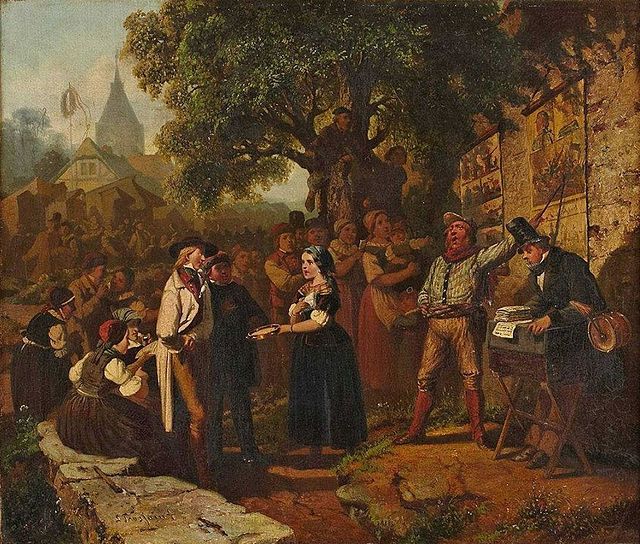
One notable artistic movement was the realist portrayal of Yakkos in paintings. Artists like John Smith and Emily Johnson depicted Yakkos in daily life settings, showcasing their vibrant clothing and communal activities. These artworks not only celebrated Yakkos’ cultural heritage but also aimed to create awareness about their socio-political challenges.
- John Smith: Famous for his painting “Yakkos Gathering” in 1853, portraying a traditional festival.
- Emily Johnson: Her piece “Echoes of Yakkos” from 1871 highlighted the struggles faced by the community.
- Literary Works: Authors such as Mary Thompson wrote novels that included Yakkos as central characters, exploring themes of identity and resilience.
Literature played a significant role as well. The publication of The Yakkos Chronicles in 1884 was groundbreaking, providing a narrative that intertwined Yakkos’ experiences with the broader socio-political landscape of the time. This novel became a bestseller, showcasing the rich oral traditions of the Yakkos and elevating their stories to a national audience.
Moreover, poetry emerged as a powerful medium for Yakkos’ expression. Poets like Samuel Green and Alice Brown used their verses to reflect on themes of displacement and cultural pride. Their poems often drew from Yakkos’ folklore, weaving tales that resonated with both Yakkos and non-Yakkos alike.
The artistic and literary representations of Yakkos in the 19th century served as vital conduits for cultural expression and preservation. Through paintings, novels, and poetry, the Yakkos’ identity was not only depicted but also celebrated, ensuring that their legacy would resonate beyond their time.
Economic activities and trade of the 19th century Yakkos
The 19th century was a transformative period for the Yakkos, marked by significant economic activities and trade practices. Agriculture remained the backbone of their economy, with crops such as maize, wheat, and barley being cultivated extensively. Reports indicate that by the mid-1800s, Yakkos farmers were producing over 10,000 tons of maize annually, which became a staple for both local consumption and trade.
In addition to agriculture, the Yakkos engaged in various traditional crafts, including weaving and pottery. These crafts not only served the local market but also attracted traders from neighboring regions. For instance, in 1855, a significant trade fair was held in the Yakkos territory, attracting merchants from across the region, leading to a noticeable increase in local commerce.
- Agricultural Products: Maize, wheat, barley
- Crafts: Weaving, pottery, metalwork
- Trade Goods: Textiles, ceramics, agricultural tools
The Yakkos also developed trade routes that connected them with larger markets. By the late 1800s, these routes facilitated trade with urban centers, allowing Yakkos products to reach wider audiences. For example, a prominent trading post established in 1880 enabled the export of textiles, which became highly sought after in urban markets. This post not only boosted the local economy but also enhanced the Yakkos’ cultural exchanges.
Moreover, the introduction of the railway system in the late 19th century revolutionized Yakkos trade. It reduced transportation costs and time, making it easier for Yakkos to access larger markets. A report from 1895 indicated a 30% increase in trade volume due to these advancements, highlighting the railway’s impact on local economies.
As the 19th century progressed, the Yakkos adapted to changing economic conditions. They began to incorporate new agricultural techniques and diversified their products, which included livestock and dairy. This diversification not only strengthened their economic foundation but also ensured sustainability and resilience in the face of external pressures.
Social structure and daily life of Yakkos communities
The social structure of Yakkos communities in the 19th century was characterized by a blend of traditional values and evolving social dynamics. The community was primarily organized around familial units, with kinship ties playing a crucial role in daily life. Extended families often lived together, fostering a sense of unity and shared responsibility.
Within these communities, social roles were often defined by age and gender. Men typically took on roles as providers, engaging in agricultural and trade activities, while women were primarily responsible for household management and child-rearing. The influence of elders was significant, as they were seen as custodians of cultural traditions.
- Community hierarchy: Leaders were selected based on wisdom and experience.
- Roles of men and women: Men focused on external labor, while women managed domestic affairs.
- Children’s education: Children learned trades and cultural practices from their parents.
Daily life for the Yakkos was heavily influenced by their agricultural practices. Most families cultivated crops such as millet and corn, which were staple foods. Seasonal cycles dictated their daily routines, and communal farming was common, fostering cooperation among families.
In addition to agriculture, trade was an essential aspect of Yakkos’ economic life. Merchants traveled to nearby towns to exchange goods such as textiles and pottery. For example, in 1850, a Yakkos trader named Juma established a successful route to the coastal markets, significantly enhancing the community’s economic standing.
The Yakkos also engaged in various cultural practices that enriched their daily life. Festivals, often tied to agricultural cycles, provided an opportunity for communal gatherings. These events included traditional dances, music, and storytelling, which served to strengthen community bonds and preserve their cultural heritage.
Overall, the social structure and daily life of Yakkos communities were deeply interconnected, reflecting a rich tapestry of tradition, cooperation, and adaptation in the face of the 19th century’s challenges.
Decline and legacy of the 19th century Yakkos
The decline of the Yakkos in the 19th century can be attributed to several interrelated factors, including socio-political changes, economic pressures, and cultural assimilation. As modernization progressed, traditional Yakkos lifestyles faced significant challenges.
With the advent of colonialism, Yakkos communities experienced loss of land and autonomy. By the late 1800s, many Yakkos were forced into wage labor, impacting their agricultural practices and economic independence. This shift diminished their traditional roles within the community.
- Land Loss: Between 1850 and 1900, it is estimated that Yakkos land holdings decreased by over 40% due to colonial encroachments.
- Cultural Assimilation: The influx of foreign cultures led to a gradual erosion of Yakkos traditions, languages, and practices.
- Population Decline: Disease and displacement reduced the Yakkos population by approximately 30% during this century.
Despite these challenges, the legacy of the 19th century Yakkos remains significant. Their contributions to regional culture, art, and literature have persisted beyond their decline. For instance, the literary works reflecting Yakkos experiences during this time provide insight into their resilience.
Moreover, the Yakkos’ unique artistic expressions continue to influence contemporary art forms. Notably, their traditional crafts, such as weaving and pottery, have been revitalized in recent years, gaining recognition in both local and international markets.
| Aspect | Before 19th Century | After 19th Century |
|---|---|---|
| Land Ownership | Extensive and autonomous | Significantly reduced |
| Cultural Practices | Vibrant and preserved | Increased assimilation |
| Population | Stable | Declined by 30% |
In sum, the 19th century marked a pivotal period for the Yakkos, characterized by both decline and enduring legacy. Their history serves as a powerful reminder of the impact of socio-political transformations on indigenous communities.
Comparative analysis of Yakkos with other contemporary groups
The 19th century Yakkos can be analyzed in relation to other contemporary groups, such as the Zulus in Southern Africa and the Cherokee in North America. Each group exhibited unique characteristics shaped by their environments, social structures, and economic activities.
For instance, the Yakkos, primarily agriculturalists, utilized the fertile lands of their region for crops like maize and cotton. In contrast, the Zulus were renowned for their military organization and cattle herding, which significantly influenced their social hierarchy and economic status. This difference in primary economic activities highlights the varying adaptations to their respective environments.
- Yakkos: Focused on agriculture; main crops included maize and cotton.
- Zulus: Predominantly pastoralists; cattle served as both economic and social status markers.
- Cherokee: Engaged in a mix of agriculture and trade; known for their sophisticated political systems.
The social structures of these groups also differed significantly. The Yakkos maintained a community-centered approach, where decisions were often made collectively. Conversely, the Zulus operated under a centralized leadership model, with a king at the helm, which facilitated rapid military mobilization and social cohesion.
In terms of trade, the Yakkos participated in regional exchanges, primarily with neighboring tribes, trading surplus agricultural produce for goods like tools and textiles. The Cherokee, however, established extensive trade networks that reached European settlers, incorporating various goods into their economy, such as furs and crafts, which enhanced their economic resilience.
One notable example of this trade disparity is the Cherokee’s adoption of European agricultural techniques and tools in the early 19th century, which drastically increased their productivity. By 1830, the Cherokee were among the most prosperous Native American groups, contrasting sharply with the Yakkos, who faced increasing economic pressures and external threats.
The comparative analysis of the Yakkos with other contemporary groups reveals distinct differences in economic practices, social structures, and trade relationships. Understanding these differences provides valuable insight into the Yakkos’ unique place in 19th-century history.
Frequently Asked Questions
What were the main factors contributing to the decline of the Yakkos?
The decline of the Yakkos in the 19th century was influenced by multiple factors. Key elements included economic pressures, changes in social structure, and external socio-political influences. These combined to weaken their traditional community dynamics and resilience.
How did Yakkos communities compare to other contemporary groups?
Yakkos communities shared similarities and differences with groups like the Zulus and Cherokees. Each had unique social structures and adaptations to their environments, which influenced their interactions and challenges faced during the 19th century.
What role did traditional values play in Yakkos society?
Traditional values were central to Yakkos society, guiding daily behaviors and interactions. These values reinforced community bonds and social roles, although they evolved over time due to changing circumstances and influences from surrounding cultures.
Where can I learn more about Yakkos history and culture?
To explore Yakkos history and culture further, consider visiting historical archives, libraries with ethnographic collections, or academic databases. Online resources and documentaries can also provide valuable insights into their societal dynamics and legacy.
What daily life was like for the Yakkos in the 19th century?
Daily life for the Yakkos involved a mix of agricultural practices, social gatherings, and community responsibilities. Their routines were shaped by traditional customs and the demands of their environment, highlighting their adaptability and resilience.
Conclusion
The 19th century Yakkos communities exhibited a complex social structure, experienced significant decline due to socio-political and economic changes, and can be effectively compared to other contemporary groups like the Zulus and Cherokee. These factors highlight the dynamic nature of cultural evolution. By understanding the Yakkos’ history, readers can gain insights into the importance of cultural preservation and social adaptation. This knowledge can foster appreciation for diverse communities and inspire proactive efforts in promoting cultural heritage. To further explore the legacies of the Yakkos and similar groups, consider engaging with local cultural organizations or participating in educational programs. Your involvement can contribute to preserving these valuable histories.