Have you ever considered how the transformative events of the late 19th century and early 20th century shaped our modern world? This period was marked by significant upheavals, as societies grappled with rapid changes in technology, politics, and social dynamics.
In this article, you will discover the key historical events that influenced the late 19th century, the remarkable technological advancements of the early 20th century, and the social movements that emerged during this era. Understanding these developments is crucial for grasping the complexities of contemporary society.
We will explore topics such as the impact of industrialization, the rise of social movements, and the innovations that defined a new age. By examining these themes, you will gain valuable insights into the forces that shaped our present.
Key historical events shaping the late 19th century
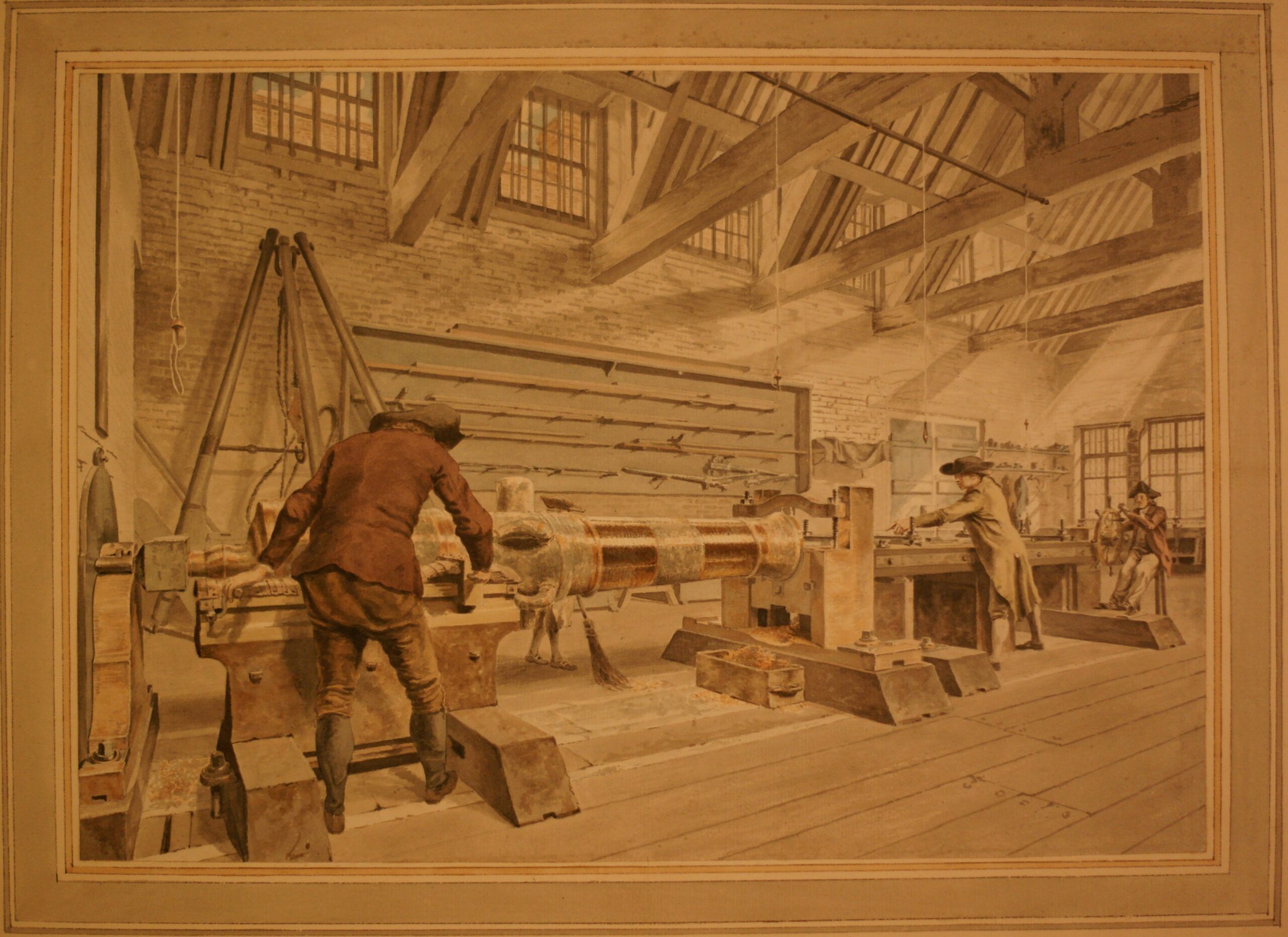
The late 19th century was marked by significant historical events that shaped the trajectory of nations and societies. One of the most transformative events was the Industrial Revolution, which began in the late 18th century but gained momentum in the 1800s. This period saw a shift from agrarian economies to industrialized ones, fundamentally changing labor dynamics and urbanization.
In the United States, the Transcontinental Railroad was completed in 1869, connecting the east and west coasts. This monumental achievement not only facilitated transportation and trade but also encouraged westward expansion and settlement. By 1900, the U.S. had become an industrial powerhouse, producing over 30% of the world’s industrial output.
- Women’s Suffrage Movement: The latter part of the 19th century saw the rise of the women’s suffrage movement, advocating for women’s right to vote. Key events included the Seneca Falls Convention in 1848 and the formation of national organizations like the National American Woman Suffrage Association (NAWSA) in 1890.
- Imperialism: Major powers, including Britain, France, and Germany, expanded their empires during this period. The Scramble for Africa in the late 1800s resulted in significant territorial acquisitions, with European countries claiming almost 90% of Africa by 1914.
- Technological Innovations: The invention of the telephone by Alexander Graham Bell in 1876 and the introduction of electric streetcars revolutionized communication and urban transit.
In Europe, the Franco-Prussian War (1870-1871) significantly altered the balance of power. The conflict led to the unification of Germany under Prussian leadership and the establishment of the German Empire. This unification would play a crucial role in the geopolitical landscape leading up to World War I.
Additionally, the late 19th century was characterized by social upheaval and reform movements. The rise of labor unions, such as the American Federation of Labor (AFL) founded in 1886, aimed to improve working conditions and wages for laborers. By the end of the century, these movements would lay the groundwork for significant labor legislation in the following decades.
Technological advancements during the early 20th century
The early 20th century was a period of remarkable technological innovations that transformed various sectors, including transportation, communication, and manufacturing. These advancements not only facilitated daily life but also significantly impacted economic growth and societal structures.
One of the most notable advancements was the proliferation of the automobile. The introduction of mass production techniques by Henry Ford in 1913 revolutionized the automobile industry. The Ford Model T, produced at an unprecedented scale, made cars accessible to the general public, with over 15 million units sold by 1927. This shift contributed to urbanization and changed the landscape of cities.
- Telecommunication: The invention of the telephone by Alexander Graham Bell in 1876 paved the way for significant advancements in communication. By the early 1900s, telephone lines expanded rapidly, enhancing connectivity across distances.
- Electricity: The widespread adoption of electricity transformed industries and households. Thomas Edison’s development of the electric light bulb in 1879 and the establishment of power stations allowed cities to illuminate streets and homes, extending productive hours.
- Railroads: The expansion of rail networks in the late 19th and early 20th centuries facilitated faster transport of goods and people. The introduction of the steam locomotive, such as the Union Pacific Railroad in 1862, revolutionized long-distance travel and commerce.
Technological advancements also extended into the realm of aviation. The Wright brothers achieved the first powered flight in 1903, marking the beginning of modern aviation. By 1914, commercial air travel was initiated, setting the stage for the global aviation industry.
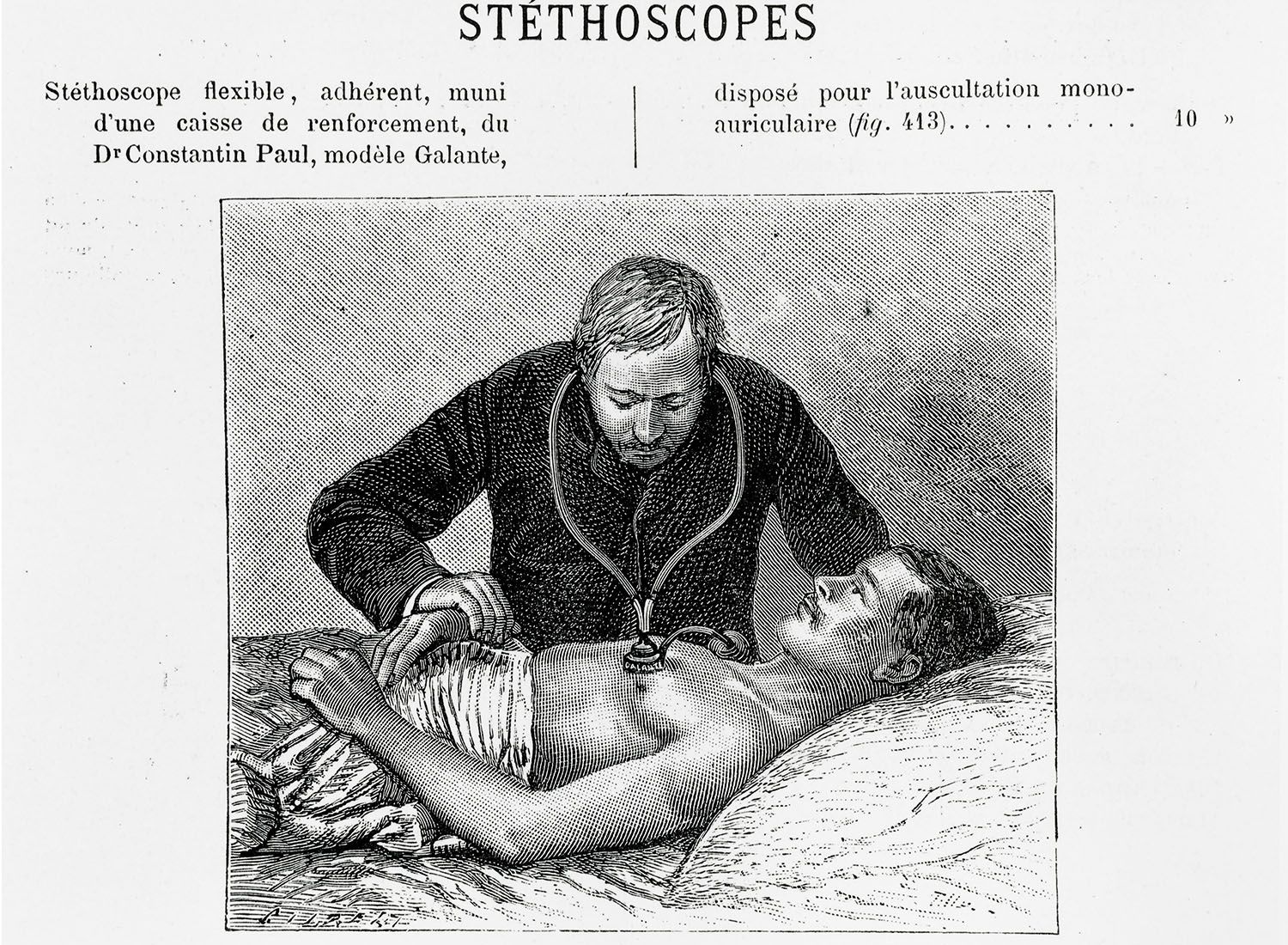
Moreover, the early 20th century saw significant developments in medical technology. The discovery of antibiotics, such as penicillin by Alexander Fleming in 1928, revolutionized the treatment of bacterial infections. This breakthrough not only improved public health but also increased life expectancy dramatically.
Social changes and movements in the late 19th and early 20th centuries
The late 19th and early 20th centuries were pivotal in shaping social dynamics across the globe. Various movements emerged during this period, addressing issues such as workers’ rights, women’s suffrage, and racial equality. These movements were often responses to the rapid industrialization and urbanization that characterized the era.
- Labor Movements: The rise of factories led to harsh working conditions, prompting the formation of labor unions. By 1900, organizations like the American Federation of Labor (AFL) were advocating for better wages and working conditions for millions of workers.
- Women’s Suffrage: The fight for women’s right to vote gained momentum in the late 19th century. Notable figures, such as Susan B. Anthony and Emmeline Pankhurst, spearheaded campaigns that ultimately led to women’s suffrage in various countries, including the United States in 1920.
- Racial Equality Movements: The late 19th century also saw the emergence of movements advocating for the rights of African Americans. Organizations like the NAACP, founded in 1909, fought against racial discrimination and promoted civil rights.
Social reform movements were not limited to the United States. In Europe, the Social Democratic Party in Germany pushed for socialist reforms, advocating for workers’ rights and social welfare policies. The influence of Marxist thought also contributed to various labor movements across the continent.
In addition to organized movements, the period also witnessed significant cultural changes. The rise of the philosophy of pragmatism, particularly in the United States, emphasized practical consequences and real-world applications of ideas. This philosophical shift influenced social reformers and educators alike, contributing to a more progressive society.
Furthermore, the advent of mass media played a crucial role in these social movements. Newspapers and pamphlets disseminated information rapidly, raising awareness about social injustices. For instance, the publication of Upton Sinclair’s “The Jungle” in 1906 exposed the appalling conditions in the meatpacking industry, prompting public outrage and subsequent reforms.
Economic trends and industrialization impacts
The late 19th and early 20th centuries witnessed profound economic transformations driven primarily by industrialization. This period marked a shift from agrarian economies to industrial powerhouses, significantly altering production methods and labor dynamics.
One of the key trends was the rise of mass production. Innovations such as the assembly line, popularized by Henry Ford in the early 1900s, allowed for the rapid manufacturing of goods. For instance, Ford’s Model T, introduced in 1908, revolutionized the automotive industry and became a symbol of industrial efficiency.
- Growth of factories: Factories became the backbone of industrial economies, with the number of manufacturing establishments in the United States increasing from about 100,000 in 1860 to over 300,000 by 1900.
- Urbanization: As factories proliferated, urban areas expanded rapidly. By 1920, over 50% of the U.S. population lived in urban centers, compared to just 28% in 1800.
- Labor movements: The rise of industrialization also led to the emergence of labor unions, advocating for workers’ rights and better working conditions. The American Federation of Labor (AFL), founded in 1886, played a crucial role in this movement.
Moreover, industrialization significantly impacted global trade. The demand for raw materials increased, leading to the expansion of colonial empires. Countries like Britain, Germany, and France sought resources from Africa and Asia to fuel their industries.
For example, by 1914, the British Empire controlled vast territories, including India and parts of Africa, which provided essential materials such as cotton, rubber, and minerals. This expansion not only enriched the colonizing nations but also fostered a complex web of global economic interdependence.
The economic trends and impacts of industrialization during this era were marked by dramatic shifts in production, labor, and global trade. These changes laid the groundwork for modern economies and set the stage for future developments in the 20th century.
Influential political figures and ideologies of the era
The late 19th and early 20th centuries were marked by influential political figures whose ideologies shaped modern governance and social structures. Key leaders emerged globally, promoting various political movements that sought to address the changing needs of society.
One of the most notable figures was Theodore Roosevelt, the 26th President of the United States, who championed the Progressive Movement. His policies included trust-busting, which aimed to dismantle monopolies, and the implementation of social reforms aimed at improving labor conditions. Roosevelt’s presidency, from 1901 to 1909, was crucial in laying the groundwork for modern regulatory state.
- Winston Churchill: A prominent British leader, who became a key figure during World War I and later during World War II.
- Vladimir Lenin: His leadership in the 1917 Russian Revolution initiated a significant shift towards communism, influencing several nations worldwide.
- Emmeline Pankhurst: A leading suffragette in the UK, she fought for women’s rights and played a vital role in gaining women the right to vote.
In Europe, the rise of socialist ideologies also gained traction, particularly with the formation of the Second International in 1889. This organization aimed to unite various socialist movements across countries, promoting workers’ rights and advocating for social justice. By 1914, numerous socialist parties had gained considerable power, influencing national policies.
In addition, the Pan-African movement emerged during this period, with leaders like W.E.B. Du Bois advocating for the rights and unity of people of African descent. The first Pan-African Conference was held in 1900 in London, which laid the foundation for future movements aimed at addressing colonialism and racial discrimination.
Overall, the political landscape of the late 19th and early 20th centuries was characterized by a complex interplay of ideologies and leaders. These figures not only influenced their respective countries but also had a lasting impact on global politics, shaping the trajectory of future governance and social movements.
Cultural developments in art, literature, and music
The late 19th and early 20th centuries were a time of remarkable cultural evolution in art, literature, and music. Artists and writers responded to rapidly changing societies, creating movements that reflected the tensions and innovations of their times. The impact of movements such as Impressionism, Modernism, and the Harlem Renaissance is still felt today.
In the realm of art, the Impressionist movement emerged in France during the 1870s, characterized by a focus on light and color rather than detailed realism. Pioneers like Claude Monet and Pierre-Auguste Renoir sought to capture fleeting moments of everyday life. Monet’s painting “Impression, Sunrise” (1872) even gave the movement its name. This period also saw the rise of Post-Impressionism, with artists like Vincent van Gogh exploring emotional depth through bold colors and expressive brushwork.
- Impressionism> – Focus on light and color.
- Post-Impressionism – Emotional expression and color exploration.
- Fauvism – Vibrant colors and simplified forms.
- Expressionism – Emphasis on emotional experience.
Literature flourished during this period, driven by significant societal changes. Authors such as Mark Twain and Henry James explored themes of identity and morality. Twain’s “Adventures of Huckleberry Finn” (1884) addressed race and societal norms, while James’s intricate narratives delved into the psychology of characters. The Modernist movement, which gained momentum in the early 20th century, introduced writers like James Joyce and T.S. Eliot, who experimented with narrative structure and language.
In music, the late 19th century heralded the birth of new genres and styles. Composers such as Claude Debussy and Igor Stravinsky broke away from traditional forms. Debussy’s “Clair de Lune” (1905) exemplifies the Impressionist style in music, emphasizing atmosphere and emotion. Stravinsky’s “The Rite of Spring” (1913) challenged conventions with its complex rhythms and dissonance, causing a riot at its premiere in Paris.
These cultural developments laid the groundwork for future innovations, reflecting a world on the brink of modernity and change. The art, literature, and music of this era continue to inspire and influence contemporary creators, highlighting the enduring power of artistic expression.
Global conflicts and their effects on society
The late 19th and early 20th centuries were marked by significant global conflicts, including the Spanish-American War (1898), World War I (1914-1918), and the Russo-Japanese War (1904-1905). These conflicts not only reshaped national borders but also had profound impacts on societies worldwide.
- Socio-economic changes: Wars often led to economic mobilization, resulting in job creation in industries such as arms manufacturing and transportation.
- Population shifts: Conflicts prompted migration as people sought safety, leading to demographic changes in various regions.
- Women’s roles: The demand for labor during conflicts opened new opportunities for women, challenging traditional gender roles.
For instance, during World War I, nearly 1.5 million women joined the workforce in the United States, contributing to a significant shift in societal norms. Post-war, many women began advocating for their rights, culminating in the 19th Amendment, which granted women the right to vote in 1920.
Additionally, global conflicts had lasting psychological effects on societies. The trauma experienced by soldiers and civilians alike led to the emergence of new artistic and literary movements. Writers such as Ernest Hemingway and Wilfred Owen depicted the harsh realities of war, influencing cultural discourse for decades.
- Increased nationalism: Wars often fostered a sense of national pride but also led to xenophobia and ethnic tensions.
- International organizations: The aftermath of World War I saw the establishment of the League of Nations, aiming to promote peace and prevent future conflicts.
- Economic repercussions: The Treaty of Versailles imposed heavy reparations on Germany, contributing to economic instability and the rise of extremist movements.
The effects of these global conflicts were not limited to the immediate aftermath; they laid the groundwork for future tensions and conflicts, particularly leading into World War II. The interconnectedness of these events illustrates how global conflicts can reshape societal structures and influence future generations.
The role of science and innovation in shaping modern life
The late 19th and early 20th centuries witnessed groundbreaking scientific advancements that transformed everyday life. Innovations in various fields, including medicine, engineering, and technology, laid the groundwork for the modern world. The introduction of electricity, for example, revolutionized both home and industrial environments.
Key innovations during this period included the telephone, invented by Alexander Graham Bell in 1876, and the internal combustion engine, which enabled the rise of automobiles. These inventions not only enhanced communication but also changed the dynamics of transportation and urban development.
- The telephone allowed for instant communication over long distances, fostering business growth and personal connections.
- The automobile, popularized by Henry Ford’s assembly line production in 1913, made personal travel more accessible, reshaping cities and suburbs.
- Advancements in public health, such as the development of vaccines, significantly reduced mortality rates from infectious diseases.
Scientific progress also played a crucial role in understanding and improving human health. The discovery of germ theory by Louis Pasteur and Robert Koch in the 1880s shifted the medical paradigm towards sanitation and hygiene. This led to the establishment of modern hospitals and increased life expectancy.
| Innovation | Inventor | Year | Impact |
|---|---|---|---|
| Telephone | Alexander Graham Bell | 1876 | Instant communication |
| Automobile | Henry Ford | 1913 | Mass transportation |
| Vaccines | Louis Pasteur | 1885 | Reduced disease mortality |
Moreover, the advent of the internet in the late 20th century, while slightly beyond this period, can be traced back to early innovations in computing and telecommunications. The groundwork laid during the late 19th and early 20th centuries enabled the rapid technological integration that would follow.
The role of science and innovation during this transformative era cannot be overstated. The inventions and discoveries of the time continue to influence contemporary society, shaping how we communicate, travel, and maintain our health.
Urbanization and demographic shifts during this period
The late 19th and early 20th centuries marked a pivotal era of urbanization, as people flocked to cities in search of better opportunities. The Industrial Revolution fueled this migration, leading to a significant transformation in demographics across various regions. By 1900, over 40% of the American population lived in urban areas, a stark contrast to just 20% in 1880.
This rapid urbanization was not limited to the United States. In Europe, cities such as London, Paris, and Berlin experienced exponential growth. For instance, London’s population surged from 2.6 million in 1851 to nearly 6.5 million by 1901. This shift resulted in overcrowded living conditions, prompting discussions on public health and urban planning.
- Population Growth: Major cities saw populations doubling or tripling within decades.
- Rural to Urban Migration: Millions moved from rural areas to urban centers, seeking jobs in factories.
- Immigration Waves: Countries like the United States received large numbers of immigrants, contributing to urban growth.
Specific demographic shifts were also notable. The influx of immigrants brought diverse cultures and languages to urban centers. For example, between 1880 and 1920, approximately 24 million immigrants arrived in the United States, with many settling in cities like New York and Chicago. This diversity enriched cultural life but also led to tensions, as existing populations adjusted to new social dynamics.
Moreover, urbanization significantly influenced social structures. The rise of the middle class emerged as a result of new job opportunities in commerce and industry. By the early 20th century, the middle class began to demand better living conditions and political representation, leading to movements aimed at social reform.
The urbanization and demographic shifts during the late 19th and early 20th centuries reshaped societies profoundly. The movement from rural areas to bustling cities not only altered the physical landscapes but also impacted the social fabric, laying the groundwork for modern urban life.
Frequently Asked Questions
What were the main causes of global conflicts during this period?
The late 19th and early 20th centuries were marked by various political tensions and nationalistic fervor. Key causes included imperialism, competition for resources, and alliances among nations, which ultimately escalated into conflicts like the Spanish-American War and World War I.
How did urbanization impact society in the late 19th century?
Urbanization led to significant demographic changes as individuals moved to cities for better job opportunities. This shift resulted in crowded living conditions, the rise of new social classes, and changes in cultural dynamics, influencing everything from politics to daily life.
What role did science play in everyday life during this era?
Scientific advancements greatly influenced everyday life in the late 19th and early 20th centuries. Innovations in transportation, communication, and medicine improved living standards, while also changing societal structures and expectations regarding health and technology.
What were the effects of World War I on global economies?
World War I had profound effects on global economies, leading to economic instability and significant shifts in power. Many countries faced debt, inflation, and unemployment, while others experienced growth due to wartime production, altering the economic landscape for decades.
Where can I learn more about this historical period?
To learn more about the late 19th and early 20th centuries, consider exploring historical documentaries, academic journals, and online resources. Libraries and educational websites often provide access to comprehensive materials, including books and articles detailing this transformative era.
Conclusion
The late 19th and early 20th centuries were characterized by significant global conflicts, groundbreaking scientific innovations, and transformative urbanization. These elements not only reshaped societies but also laid the groundwork for modern living and its complexities. By understanding these historical shifts, readers can gain valuable insights into contemporary issues and societal structures. This knowledge can enhance critical thinking and encourage informed discussions about current global challenges. To further explore these themes, consider researching specific events or innovations that influenced your local community. Engaging with history can provide a deeper understanding of today’s world.