Have you ever considered how corruption influenced the political landscape of the 19th century? This era was marked by significant scandals and the rise of political machines that shaped governance and public trust in ways that still resonate today.
In this article, you will explore the underlying causes of political corruption, examine major scandals that defined the period, and understand the roles played by party bosses. This knowledge is essential for grasping the complexities of modern political systems.
We will delve into the intricate connections between corruption, power, and society, highlighting key examples that illustrate these dynamics.
Causes of political corruption in the 19th century
The 19th century was a period marked by significant political corruption, driven by various factors. One primary cause was the rapid industrialization and urbanization that led to the emergence of powerful interest groups. These groups often sought to influence politicians for favorable legislation, contributing to corrupt practices.
Additionally, the expansion of suffrage and a growing electorate increased the competition for political power. Candidates needed substantial funding for campaigns, which sometimes led them to accept bribes or engage in corrupt dealings to secure financial support. As a result, corruption became an embedded aspect of the political landscape.
- Political patronage: Many politicians relied on a system of patronage, where jobs and favors were exchanged for political support.
- Weak legal frameworks: The absence of strict regulations meant that corrupt practices often went unpunished.
- Economic disparities: Widespread poverty and inequality made it easier for wealthy individuals or corporations to exploit vulnerable political figures.
One notable example of political corruption during this time is the Credit Mobilier scandal of 1872. High-ranking officials, including members of Congress, were implicated in a scheme that involved the construction of the Union Pacific Railroad. This scandal highlighted how corporate interests corruptly influenced political decisions.
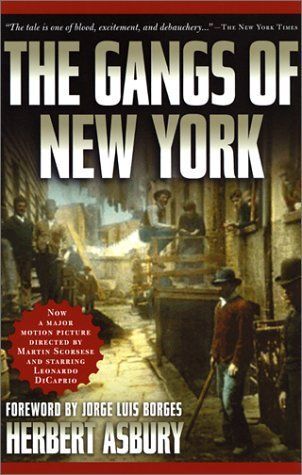
Furthermore, the political machine system, exemplified by Tammany Hall in New York City, showcased how organized groups manipulated elections and governance. Through a network of favors and graft, Tammany Hall controlled various aspects of city politics, demonstrating the detrimental effects of corruption on democratic processes.
The causes of political corruption in the 19th century were multifaceted. They included the influence of industrialization, the need for campaign financing, the prevalence of political patronage, and weak legal structures. These factors collectively fostered an environment where corruption could thrive, significantly impacting governance and public trust.
Major scandals that shaped 19th century politics
The 19th century was rife with political scandals that influenced public perception and policy. These incidents often reflected the underlying corruption of the political systems of the time. Here are some major scandals that had significant impacts:
- The Credit Mobilier Scandal (1872): This scandal involved the Union Pacific Railroad and the Credit Mobilier of America construction company. Key politicians, including Vice President Schuyler Colfax, were implicated in accepting bribes to approve inflated contracts, leading to widespread outrage and a tarnished political reputation.
- The Tammany Hall Scandal (various years): Tammany Hall, a New York City political organization, was notorious for its corrupt practices. Under the leadership of figures like Boss Tweed, the organization embezzled millions of dollars from the city through fraudulent contracts and kickbacks, culminating in Tweed’s arrest in 1871.
- The Whiskey Ring Scandal (1875): This scandal involved a conspiracy among government officials and whiskey distillers to defraud the federal government of taxes. Notably, Secretary of War William W. Belknap was implicated, leading to his impeachment. The scandal revealed the extent of corruption within the Grant administration.
These scandals not only highlighted corruption but also prompted reforms aimed at increasing transparency and accountability in government. For instance, the fallout from the Credit Mobilier Scandal led to the establishment of stricter regulations regarding campaign financing.
Additionally, other notable examples include:
- The New York Custom House Scandal: In the 1840s, this scandal involved fraudulent practices in the collection of customs duties, which resulted in significant losses to the federal government.
- The Pacific Railroad Scandal: This involved bribery and corruption related to the construction of the Transcontinental Railroad, affecting several politicians and leading to investigations in the early 1870s.
Overall, the major scandals of the 19th century not only shaped political careers but also left lasting legacies that influenced future governance and public policy.
The role of political machines and party bosses
Political machines and party bosses were pivotal in shaping the landscape of 19th-century politics. These organizations operated by controlling votes and manipulating electoral outcomes through various means. They provided crucial support to candidates in exchange for political favors, thereby fostering an environment ripe for corruption.
One of the most notorious examples of a political machine was Tammany Hall in New York City. Led by figures like William M. Tweed, Tammany Hall wielded immense power during the mid-19th century. Tweed’s administration engaged in extensive corruption, including embezzlement and bribery, which culminated in the infamous Tweed Ring scandal around 1871, costing the city millions of dollars.
- Control of Elections: Political machines often resorted to voter intimidation and fraud to ensure their candidates’ success.
- Patronage System: These organizations provided jobs and public services to loyal supporters, creating a cycle of dependency.
- Influence on Legislation: Party bosses could sway legislative decisions to benefit their interests, undermining democratic processes.
Another significant figure was George Washington Plunkitt, a member of Tammany Hall who famously described “honest graft,” which referred to the practice of profiting from insider knowledge about upcoming public projects. His candid admissions shed light on how these political machines operated under a veneer of legitimacy while engaging in unethical practices.
Political machines were not limited to New York; they also flourished in cities like Chicago and Philadelphia. In Chicago, the Democratic Party’s machine under Mayor Richard J. Daley ensured a stronghold on local politics throughout the 1950s and 1960s by manipulating electoral processes and controlling local patronage.
Overall, the role of political machines and party bosses in the 19th century exemplified a system where corruption thrived. Their unchecked power led to widespread abuses that ultimately prompted calls for reform, shaping the trajectory of American political development.
Impact of corruption on electoral processes
The impact of corruption on electoral processes during the 19th century was profound and multifaceted. Corruption not only undermined the integrity of elections but also influenced the overall political landscape. One significant effect was the manipulation of voter turnout through intimidation and bribery.
In many urban areas, political machines would employ strategies to coerce voters into supporting specific candidates. For example, in cities like New York, the Tammany Hall political machine was notorious for using tactics that included offering financial incentives or threatening job loss to sway voters.
- Bribery: Candidates often resorted to financial incentives to secure votes. In the 1884 presidential election, it is estimated that candidates spent millions in bribes to influence election outcomes.
- Intimidation: Voter intimidation was rampant, particularly against marginalized groups. Reports from the 1868 elections indicate that African American voters faced violence and threats when attempting to cast their ballots.
- Vote tampering: Corrupt officials frequently manipulated ballot counts. In the 1876 election, widespread fraud was reported, leading to contested results that delayed the confirmation of Rutherford B. Hayes as president.
Another significant impact of corruption was the disenfranchisement of large segments of the population. Corrupt practices often targeted specific demographics, effectively silencing their voices in the political arena. For instance, the use of literacy tests and poll taxes in various states disproportionately affected African American and poor white voters.
Moreover, the long-term consequences of corruption fostered public distrust in governmental institutions. A notable example is the Crédit Mobilier scandal of 1872, where high-ranking officials were implicated in fraudulent schemes involving the Union Pacific Railroad. This scandal not only damaged public confidence but also led to calls for reform in electoral practices.
The corrupt practices of the 19th century significantly distorted electoral processes. By undermining the principles of democracy, these actions created a political environment where corruption thrived, influencing both policy and public perception for decades to come.
Influence of industrialization on political corruption
The rapid industrialization of the 19th century significantly altered the political landscape, creating fertile ground for corruption. As cities grew and economies expanded, new opportunities for exploitation emerged, particularly in urban areas where industries flourished.
One key factor was the rise of railroad companies. These companies often engaged in corrupt practices to secure favorable legislation. For instance, in the mid-1800s, the construction of the Union Pacific Railroad was marred by scandals involving bribery of state officials and Congress members, leading to significant public outcry.
- Bribery: Politicians accepted money from railroad executives to pass laws beneficial to their interests.
- Kickbacks: Contracts were awarded to companies in exchange for a percentage of profits returned to political figures.
- Fraudulent land grants: Railroads manipulated land allotments, often at the expense of taxpayers.
Moreover, the influx of immigrants seeking jobs in factories led to the establishment of political machines that exploited their voting power. These machines often traded jobs for votes, creating a cycle of dependency and corruption. For example, Tammany Hall in New York City became notorious for its manipulation of immigrant voters and the subsequent corruption that ensued.
Statistics from the late 19th century reveal that approximately 75% of major city contracts were either rigged or awarded under dubious circumstances. This rampant corruption not only distorted electoral processes but also weakened public trust in government institutions.
The influence of industrialization on political corruption was profound. The intersection of economic growth, the expansion of urban centers, and the emergence of powerful corporate interests created an environment where corruption thrived. The legacy of this period continues to affect political systems today, highlighting the importance of vigilance against corruption.
Legislation and reforms aimed at curbing corruption
Throughout the 19th century, various legislative efforts were made to address the rampant corruption plaguing politics. These reforms aimed to establish a more transparent and accountable political system. One significant milestone was the introduction of the Pendleton Act in 1883, which mandated that government jobs be awarded based on merit rather than political affiliation.
This act aimed to dismantle the patronage system that had allowed party bosses to control appointments within government. By instituting a competitive examination for prospective federal employees, the Pendleton Act sought to reduce the influence of political machines and improve the efficiency of government operations.
- Pendleton Act (1883): Established merit-based hiring for federal jobs.
- Hepburn Act (1906): Strengthened the Interstate Commerce Commission’s ability to regulate railroad rates, targeting corruption in the transportation sector.
- Sherman Antitrust Act (1890): Aimed at curbing monopolistic practices, it also addressed corrupt relationships between businesses and politicians.
Another critical reform was the Secret Ballot, introduced in various states during the late 19th century. This system replaced public voting with private ballots, reducing the risk of vote-buying and intimidation. States like Massachusetts and New York were pioneers in adopting this practice, which gradually gained traction across the nation.
Furthermore, the rise of progressive movements in the late 19th century led to increased public demand for reforms. Activists lobbied for changes such as direct primaries, which allowed voters to select party nominees directly, thereby diminishing the power of party bosses. The first state to implement this reform was South Dakota in 1890, setting a precedent that many others would follow.
Despite these efforts, the effectiveness of reforms varied widely. While some laws significantly curtailed overt corruption, others faced resistance from entrenched political interests. Nonetheless, the legislative landscape of the 19th century laid the groundwork for future reforms aimed at achieving a more ethical political system.
Notable figures involved in 19th century political corruption
Throughout the 19th century, various individuals played pivotal roles in political corruption, often shaping electoral outcomes and public policy through unethical actions. Their actions not only exemplified the corrupt practices of the time but also highlighted the challenges faced in eradicating such behavior.
- William Marcy Tweed: Known as “Boss Tweed,” he was a powerful political figure in New York City. His control over the Democratic Party and the Tammany Hall political machine led to significant corruption, including the embezzlement of millions of dollars from the city treasury during the 1860s and 1870s.
- Thomas Nast: Although he was a political cartoonist, Nast played a crucial role in exposing corruption, particularly that of Tweed. His illustrations helped galvanize public opinion against corrupt politicians in the 1870s, leading to Tweed’s eventual arrest.
- James G. Blaine: A prominent Republican politician, Blaine faced numerous allegations of corruption during his career. His involvement in the “Mulligan Letters” scandal raised questions about his integrity, impacting his presidential campaign in 1884.
- Roscoe Conkling: A powerful U.S. senator from New York, Conkling was closely associated with patronage politics. His influence over federal appointments led to widespread corruption, as he often rewarded loyal supporters with government jobs.
These figures not only exemplified corruption but also influenced the political landscape, demonstrating how individual actions could have far-reaching consequences. For instance, Boss Tweed’s reign in New York City illustrated the extent of corrupt practices, leading to the implementation of various reforms aimed at curbing such behavior.
- Corruption in the Railroads: The 19th century also saw significant corruption associated with the railroad industry. Notable figures like Jay Gould, a financier and railroad magnate, manipulated stock prices and engaged in bribery to expand his empire, contributing to widespread public disillusionment.
- Political Machines: Beyond individual figures, political machines such as Tammany Hall were instrumental in facilitating corruption at a systemic level. They often traded votes for favors, solidifying their power while undermining democratic processes.
These examples illustrate the pervasive nature of corruption in 19th century politics, affecting not only individual careers but also the broader political system. The struggle against such figures and their practices laid the groundwork for future reforms aimed at improving political integrity.
Public perception and media coverage of corruption
The 19th century witnessed a growing public awareness of political corruption, which was significantly influenced by the rise of mass media. Newspapers became prominent platforms for exposing corrupt practices, shaping public perception and opinion. Investigative journalism emerged as a powerful tool, allowing reporters to unveil scandals that often involved high-ranking officials.
- The New York Times: Established in 1851, it became known for its investigative reports on corruption, particularly during the Tammany Hall era.
- The Chicago Tribune: Active in the late 1800s, it reported extensively on political scandals in Illinois, which helped inform citizens about corruption.
- The Penny Press: This affordable newspaper format made news accessible to a broader audience, increasing public engagement with political issues.
One notable case was the exposure of the Credit Mobilier scandal in the early 1870s, where members of Congress were implicated in accepting bribes from the Union Pacific Railroad. The media’s relentless coverage of this scandal highlighted the depths of corruption in government, leading to significant public outrage and calls for reform.
Media coverage often played a dual role, both informing the public and sensationalizing stories for profit. This sometimes led to exaggerated claims, creating a complex relationship between journalism and public perception. For instance, sensationalist articles could incite public anger, but they also risked undermining the credibility of genuine reports on corruption.
Public perception shifted as more individuals became aware of the extent of political corruption. By the late 19th century, citizens demanded greater accountability from their leaders. This shift is evident in various reform movements that arose, such as the Progressive movement, which sought to combat corruption by advocating for measures like secret ballots and campaign finance laws.
The interplay between media coverage and public perception of corruption during the 19th century was pivotal. The media not only informed the public but also shaped political discourse, creating a demand for transparency and integrity in government.
Legacy of 19th century political corruption in modern governance
The legacy of 19th century political corruption continues to resonate in modern governance, shaping the frameworks and perceptions of political integrity. The scandals and corrupt practices of that era laid the groundwork for contemporary laws and regulations aimed at promoting transparency.
One significant impact is the establishment of anti-corruption agencies and watchdog organizations. For instance, the creation of the U.S. Federal Bureau of Investigation (FBI) in 1908 was partially a response to the rampant corruption seen in earlier decades. Its mandate included investigating political corruption, thus reflecting the lessons learned from the 19th century.
- Public accountability: Enhanced reporting and transparency requirements in political financing.
- Campaign finance laws: Regulations were implemented to control the influence of money in politics.
- Whistleblower protections: Safeguards for individuals exposing corruption were strengthened.
Moreover, the political landscape has evolved to incorporate public opinion more effectively. The rise of investigative journalism, stemming from the 19th century’s media coverage of corruption, has become essential in holding politicians accountable. For example, the Watergate scandal in the 1970s showcased how media scrutiny could lead to significant political consequences.
Another facet of this legacy is the ongoing public skepticism towards government institutions. Surveys conducted in recent years indicate that trust in government remains low, with approximately 60% of Americans expressing distrust towards political leaders and institutions. This skepticism can be traced back to historical corruption, which has led to a culture of cynicism.
The political corruption of the 19th century has profoundly influenced modern governance. The establishment of systems designed to promote integrity and accountability can be seen as a direct response to the failings of that era. As society continues to grapple with these issues, the lessons learned remain crucial for ensuring a more transparent political environment.
Frequently Asked Questions
What were the main causes of political corruption in the 19th century?
The primary causes of political corruption in the 19th century included a lack of regulatory frameworks, widespread bribery, and patronage systems. Additionally, the rapid industrialization and urbanization created environments ripe for corrupt practices among politicians and business leaders.
How did media influence public perception of corruption during this period?
The rise of mass media in the 19th century played a crucial role in shaping public perception of corruption. Newspapers began to expose corrupt practices, raising awareness and prompting public outrage, which pressured politicians to reform their ways and increase transparency.
What impact did notable figures have on political corruption?
Notable figures in 19th-century politics often exemplified the corruption of the time, influencing both public opinion and political outcomes. Their actions demonstrated the extent of corrupt practices, leading to significant reforms and changes in public policy aimed at curbing such behavior.
How did 19th-century political corruption affect modern governance?
The legacy of 19th-century political corruption has led to the establishment of various regulatory frameworks in modern governance. This historical context continues to inform contemporary discussions on transparency, accountability, and the necessity for ethical standards in politics.
What were some notable cases of corruption during the 19th century?
Several significant cases of corruption marked the 19th century, including the Tammany Hall scandal in New York and the Crédit Mobilier scandal in the United States. These cases highlighted the pervasive nature of corruption and sparked public demand for accountability and reform.
Conclusion
The examination of 19th century political corruption reveals three critical aspects: the influential figures who orchestrated corrupt practices, the evolving public perception shaped by emerging media, and the lasting legacy these events have on contemporary governance. Each of these elements highlights the complexity of political integrity.
By understanding these historical contexts, readers can better recognize the signs of corruption today and advocate for transparency in political systems. This knowledge empowers individuals to actively engage in promoting ethical governance.
Take the next step by researching current political practices in your area. Equip yourself with the tools needed to challenge corruption and support accountability in government.