Have you ever considered how the steam train revolutionized transportation and industry in the 19th century? This remarkable invention not only transformed travel but also reshaped the economic landscape, connecting distant regions and facilitating trade.
In this article, you will discover the intricacies of the invention and development of the steam train, its profound impact on 19th-century industry, and the key figures who played pivotal roles in this transformative era. Understanding these elements will provide valuable insights into how this innovation shaped modern society.
We will explore the technological advancements, the societal changes brought about by steam trains, and the influential personalities who drove this remarkable change.
The invention and development of the steam train
The steam train, a revolutionary invention of the 19th century, transformed transportation and industry. The first successful steam locomotive was built by George Stephenson in 1814, known as the Blücher. This locomotive marked a significant advancement in engineering, paving the way for future developments in railway technology.
By 1825, Stephenson’s Locomotion No. 1 successfully operated on the Stockton and Darlington Railway, the world’s first public railway to use steam locomotives. This event not only showcased the potential of steam power but also proved that railways could efficiently transport goods and passengers over considerable distances.
- 1825: Stockton and Darlington Railway opens, featuring steam locomotives.
- 1830: The Liverpool and Manchester Railway begins operation, demonstrating the advantages of rail transport.
- 1837: The first railway to carry mail is established in England.
As the steam train gained popularity, numerous advancements were made. The introduction of the railway gauge standardization in the 1840s allowed for a more efficient network across regions. Additionally, innovations such as the steam engine’s efficiency and the use of iron rails contributed to the growth of the railway systems.
Countries around the world began to adopt steam trains, leading to significant economic and social changes. For instance, by the mid-1850s, the United States saw the completion of the first transcontinental railroad, connecting the East and West coasts. This monumental project, completed in 1869, facilitated trade and migration, further solidifying the steam train’s role in shaping modern society.
Moreover, the steam train’s impact extended beyond transportation. The railway system stimulated industries such as coal mining and steel production, creating jobs and boosting local economies. By 1860, over 30,000 miles of track had been laid in the United States alone, demonstrating the profound influence of steam technology on industrial growth.
Impact of steam trains on 19th-century industry
The advent of steam trains in the 19th century had a profound impact on various industries, reshaping the economic landscape. The most significant effects included increased efficiency, reduced transportation costs, and the expansion of markets.
One of the primary benefits of steam trains was their ability to transport goods at unprecedented speeds. This capability allowed industries to:
- Decrease delivery times: Products could reach markets in days rather than weeks.
- Expand distribution: Factories could sell to distant locations, increasing their customer base.
- Enhance supply chains: Raw materials could be transported quickly, enabling just-in-time manufacturing.
For instance, the British textile industry greatly benefited from steam locomotives. By the mid-19th century, cotton could be transported from Liverpool to Manchester in just a few hours, significantly boosting production rates. This transformation contributed to the Industrial Revolution, facilitating the rise of factories and mass production.
Furthermore, steam trains also stimulated the growth of related industries, such as:
- Coal mining: The demand for coal to fuel steam engines led to increased mining activities.
- Iron and steel manufacturing: Railroads required robust materials, driving innovation and expansion in these sectors.
- Construction: Building railways and stations created numerous jobs and encouraged infrastructure development.
By the 1870s, the United Kingdom had over 13,000 miles of railway track. This extensive network not only facilitated trade but also shaped urbanization. Cities grew around railway stations, leading to the emergence of new economic hubs.
The steam train was a catalyst for industrial growth in the 19th century. It reshaped transportation and industry, leading to significant economic and social changes that defined the era.
Key figures in the steam train revolution
The steam train revolution was significantly shaped by several key figures whose innovations and contributions led to the advancement of locomotive technology. These individuals not only developed steam engines but also influenced the adoption of railways across various regions.
One of the most notable figures is George Stephenson, often referred to as the “Father of Railways.” In 1814, he built the first successful steam locomotive, named Blücher, which was used to haul coal on the Killingworth wagonway. His design principles set the foundation for future locomotives.
- George Stephenson: Built the first successful locomotive, Locomotion No. 1, in 1825.
- Richard Trevithick: Developed the first full-scale working railway steam locomotive in 1804.
- Robert Stephenson: Worked alongside his father and created the Rocket in 1829, which won the Rainhill Trials.
- Isambard Kingdom Brunel: An engineer known for designing the Great Western Railway and introducing broader railway gauge.
In 1825, Stephenson’s Locomotion No. 1 successfully opened the Stockton and Darlington Railway, marking a pivotal moment in railway history. This event demonstrated the viability of steam locomotives for public transport, encouraging further investments in railway infrastructure.
Another significant contributor was Richard Trevithick, who introduced a high-pressure steam engine. In 1804, Trevithick’s locomotive made its inaugural run on the Penydarren Ironworks’ tramway, proving that steam locomotion was practical for rail transport.
The advancements made by these pioneers laid the groundwork for subsequent innovations. For instance, Robert Stephenson created the Rocket in 1829, which was a breakthrough in locomotive design. It achieved speeds of up to 30 miles per hour and played a crucial role in the success of the Liverpool and Manchester Railway.
Overall, the steam train revolution was driven by visionary engineers whose contributions led to the transformation of transportation and industry in the 19th century. Their legacy continues to influence modern rail systems worldwide.
How steam trains transformed transportation
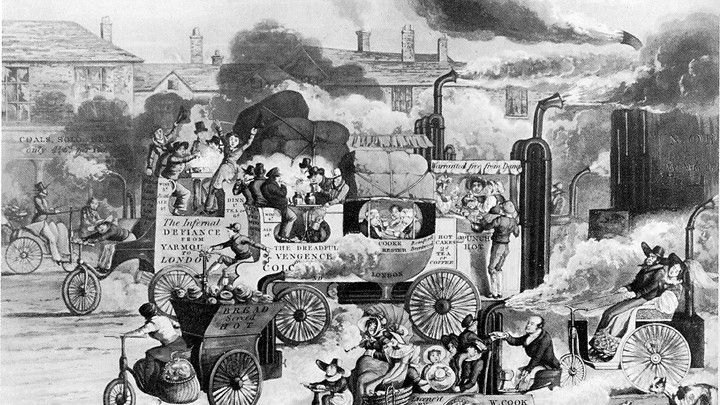
The introduction of steam trains in the 19th century revolutionized transportation by providing faster, more efficient means of travel. Prior to this innovation, travel relied heavily on horses and carriages, which were slow and limited in capacity. The steam locomotive changed this dynamic, enabling the movement of goods and people over long distances with unprecedented speed.
One of the key transformations was the ability to connect remote areas to major urban centers. For example, the Liverpool and Manchester Railway, opened in 1830, was the first fully operational railway line that linked these two cities, significantly reducing travel time. Previously, a journey that took days could now be completed in a matter of hours, facilitating trade and enhancing economic growth.
- Speed: Steam trains could travel at speeds of up to 30 miles per hour, a dramatic increase compared to horse-drawn transport.
- Capacity: Trains could carry large quantities of goods—up to 100 tons—making them essential for industries such as coal and textiles.
- Accessibility: Rail networks expanded rapidly, making transportation accessible to a larger portion of the population.
The impact on passenger travel was equally significant. By the 1850s, railways had become the primary mode of transportation for people in many countries. The introduction of specialized passenger trains, such as the Orient Express, showcased the potential for luxury travel and attracted the middle class. This shift not only changed travel habits but also stimulated tourism, allowing people to explore regions that were previously difficult to reach.
Moreover, steam trains played a crucial role in the movement of raw materials and finished goods, linking producers and consumers like never before. For instance, the transport of iron, coal, and agricultural products became more streamlined, contributing to the growth of both urban and rural economies. This interconnectedness laid the foundation for modern supply chains and commerce.
The steam train was a catalyst for change in transportation, altering how people and goods moved across vast distances. The legacy of this innovation is still felt today, as it paved the way for the development of the extensive railway systems that connect the world.
Challenges faced during the expansion of railways
The expansion of railways in the 19th century was not without its challenges. Various factors impeded progress, from technical limitations to financial constraints. One of the primary challenges was the infrastructure development. Building tracks through difficult terrains, such as mountains and swamps, required significant engineering solutions. For instance, the construction of the Union Pacific Railroad faced enormous obstacles, including the Rocky Mountains, which slowed progress and increased costs.
- Funding Issues: Securing adequate funding was crucial. Many railway projects relied on government support or private investors, which often led to financial instability.
- Labor Shortages: The rapid expansion created a demand for skilled labor that outpaced supply. Workers were often overworked, leading to low morale and high turnover rates.
- Technological Limitations: Early locomotives were not always reliable. Frequent breakdowns led to delays and increased operational costs.
Another significant challenge was the competition among railway companies. As more companies emerged, they often engaged in cutthroat competition, leading to price wars that threatened profitability. For example, the Great Western Railway, established in 1837, had to contend with rivals like the London and North Western Railway for the same routes, which sometimes resulted in unsustainable practices.
Moreover, regulatory hurdles posed additional barriers. Governments had to establish safety standards and regulations, which could slow down the approval process for new lines. In 1846, the British Parliament passed the Railway Regulation Act, which aimed to standardize practices across the industry, but it also introduced complexities that delayed expansion efforts.
Despite these challenges, the railway system gradually expanded. By 1870, the United Kingdom had over 14,000 miles of railway tracks, demonstrating resilience in overcoming the obstacles faced. The journey was fraught with difficulties, but the ultimate success of railway expansion reshaped the economic landscape of the 19th century.
The role of steam trains in urbanization
The advent of steam trains in the 19th century was pivotal in shaping urbanization across Europe and North America. As cities expanded, the demand for efficient transportation systems grew. Steam trains provided the necessary link between rural areas and urban centers, facilitating the movement of people and goods.
By the mid-1800s, cities like Manchester and Liverpool in England experienced rapid growth due to the railway network. The Manchester and Liverpool Railway, opened in 1830, was one of the first to connect two major industrial cities. It significantly reduced travel time and enabled a flow of workers from surrounding areas to urban jobs.
- Increased Accessibility: Steam trains made it easier for people to commute, leading to suburban development.
- Economic Growth: Industries flourished as raw materials and finished goods could be transported quickly.
- Population Movement: The railways facilitated migration from rural areas to cities, increasing urban populations.
For instance, the introduction of steam-powered trains in the United States transformed cities such as Chicago. The city became a hub for railroads by the 1850s, connecting the Midwest to the East Coast. This connectivity encouraged not only migration but also the establishment of businesses catering to a growing urban workforce.
Moreover, steam trains influenced city planning. Urban developers recognized the potential of railway lines, leading to the establishment of new neighborhoods and commercial districts along train routes. This phenomenon is evident in cities like New York, where the construction of the elevated railway in the 1870s significantly altered the urban landscape.
Statistics reveal that between 1840 and 1880, urban populations in the United Kingdom increased from 30% to over 50%. This shift was largely attributable to the accessibility provided by steam trains. As urban areas became more populated, the demand for housing, services, and infrastructure surged, further accelerating urbanization.
The role of steam trains in urbanization was transformative. They not only enhanced transportation but also reshaped societies, economies, and the very fabric of urban life in the 19th century.
Technological innovations in steam locomotive design
The 19th century witnessed remarkable advancements in steam locomotive design, which significantly enhanced their performance and reliability. Innovations in engineering and materials transformed these machines into powerful tools of transportation. Key developments included:
- Improved Boiler Design: The introduction of the multi-tubular boiler allowed for increased steam production, enhancing power output. This design became widely adopted by the 1820s.
- Steam Engine Efficiency: The development of the high-pressure steam engine, particularly by engineers like George Stephenson, improved efficiency significantly, allowing locomotives to achieve higher speeds.
- Locomotive Materials: The use of iron and later steel in locomotive construction reduced weight and increased durability, making trains faster and more reliable.
- Driving Wheels: Innovations in wheel design, such as the implementation of larger driving wheels, allowed for improved traction and speed, crucial for overcoming gradients.
One notable example of innovation was the Locomotion No. 1, built in 1825 for the Stockton and Darlington Railway. It was the first locomotive to haul a train on a public railway, demonstrating the practical capabilities of steam technology. This locomotive had a unique design with a cylindrical boiler and was capable of reaching speeds up to 15 mph.
As the century progressed, innovations continued to evolve. By the 1850s, American locomotives like the General showcased advancements such as the use of a four-cylinder engine and a more efficient drive system, which allowed for smoother operation on longer routes.
Additionally, the introduction of mechanical brakes in the late 19th century significantly improved safety. These brakes replaced hand-operated systems, allowing for quicker stops and better control over the train’s speed, which was critical as trains began to operate at higher velocities.
Overall, the technological innovations in steam locomotive design were instrumental in the success and expansion of railways. By continuously pushing the boundaries of engineering, these advancements laid the foundation for modern rail transport, illustrating the profound impact of steam technology on society.
Cultural and social effects of steam train travel
The introduction of steam trains in the 19th century brought profound cultural and social changes. These innovations not only transformed transportation but also influenced social structures and cultural exchanges across regions. The ability to travel long distances quickly fostered a sense of connectivity among people.
One significant effect was the democratization of travel. Previously, only the wealthy could afford to travel extensively. With the advent of steam trains, ticket prices became more accessible, allowing a broader segment of society to explore different regions. For instance, by the 1850s, the average fare for a journey of 100 miles dropped to about one penny per mile, making it feasible for the working class to travel.
- Increased Mobility: The steam train facilitated movement, allowing people to work in cities while maintaining ties to their rural homes.
- Cultural Exchange: As travel became easier, cultural interactions flourished, leading to a blend of regional customs and traditions.
- Tourism Growth: The steam train helped establish the modern tourism industry, with destinations like the Lake District in England becoming popular among city dwellers.
Moreover, steam train travel altered social dynamics. It played a crucial role in the development of leisure activities. The emergence of weekend excursions offered the working class opportunities for recreation previously unavailable. For example, the introduction of special excursion trains in the 1860s made it possible for people to visit the seaside, leading to a surge in tourism.
Another notable cultural impact was the emergence of new literary and artistic movements. Writers and artists began to depict the steam train as a symbol of progress and modernity. Notable figures like Charles Dickens and J.M.W. Turner referenced trains in their works, highlighting their significance in society.
The cultural and social effects of steam train travel were profound, reshaping not just how people moved but also how they interacted, shared experiences, and perceived the world around them. The steam train was more than a mode of transportation; it was a catalyst for change that touched every aspect of life in the 19th century.
Legacy of 19th-century steam trains today
The legacy of 19th-century steam trains continues to resonate in various aspects of modern society. These early locomotives laid the groundwork for contemporary rail systems, influencing transportation policies and urban planning across the globe. Today, many rail networks still utilize principles established during this era.
One of the most significant impacts is the integration of rail travel into public transport systems. In cities worldwide, trains remain a vital mode of transportation, facilitating daily commutes and reducing traffic congestion. For instance, cities like Tokyo and London have extensive subway and rail networks that echo the efficiency aimed for in 19th-century designs.
- Economic Growth: The railways contributed to the rise of industries by connecting manufacturers to markets. This legacy persists as modern rail systems support economic activities by enabling the swift transport of goods.
- Urban Development: The establishment of rail stations often led to the growth of surrounding areas. Today, urban planners consider rail access when developing new neighborhoods.
- Cultural Significance: Steam trains have become symbols of nostalgia and adventure, inspiring literature and films, such as Harry Potter and Murder on the Orient Express.
Moreover, the preservation of historic steam railways offers a glimpse into the past. Countries like the United Kingdom and United States maintain heritage railways that attract tourists and educate the public about the significance of these machines. The Durango & Silverton Narrow Gauge Railroad in Colorado, for example, operates steam locomotives that have been in service since the late 19th century.
In addition to cultural and economic impacts, the legacy of steam trains is evident in environmental discussions today. The efficiency and sustainability of rail transport are increasingly prioritized as nations seek to reduce carbon footprints. Modern trains, inspired by their steam predecessors, are designed to be energy-efficient and environmentally friendly.
Overall, the influence of 19th-century steam trains is profound and multifaceted, shaping our transportation systems, culture, and environmental policies. Their legacy is not just historical; it continues to inform and inspire advancements in rail technology and urban living.
Frequently Asked Questions
What were the main innovations in steam locomotive design during the 19th century?
The 19th century saw several crucial innovations in steam locomotive design, including the development of more efficient boilers and improved wheel configurations. These advancements enhanced speed, power, and fuel efficiency, paving the way for modern rail systems.
How did steam trains impact society in the 19th century?
Steam trains significantly transformed society by facilitating faster travel and commerce. They connected distant regions, promoted urbanization, and changed social dynamics, allowing people to access new opportunities and regions previously difficult to reach.
What is the legacy of 19th-century steam trains in today’s transportation?
The legacy of 19th-century steam trains is evident in today’s rail systems and engineering practices. Innovations from this era laid the foundation for modern rail transport, influencing logistics, public transportation, and infrastructure development worldwide.
Where can I see preserved steam trains from the 19th century?
Many museums and heritage railways around the world showcase preserved 19th-century steam trains.
- The National Railway Museum in the UK
- The Smithsonian National Museum of American History
- Various heritage railroads offer rides on restored locomotives.
Why were steam trains considered revolutionary in their time?
Steam trains were revolutionary due to their ability to transport goods and people over vast distances quickly and efficiently. This transformation changed the economic landscape, allowing for the growth of industries and the expansion of markets in ways previously unimaginable.
Conclusion
The 19th century marked a pivotal era for steam locomotives, characterized by significant technological innovations, profound cultural and social transformations, and a lasting legacy that influences modern transportation. These advances not only improved efficiency but also reshaped society’s approach to travel and commerce. By understanding these developments, readers can appreciate the roots of contemporary transport systems and recognize the importance of innovation in shaping modern society. This knowledge can empower you to embrace technological advancements in your own field. Explore further into the history of steam trains and their impact on today’s world. Consider visiting local museums or railway heritage sites to gain deeper insights into this fascinating topic.