Have you ever considered the profound impact of brain injuries on the lives of 19th century railroad workers? As the industrial revolution progressed, these laborers faced significant risks, often suffering from injuries that went largely unrecognized and untreated.
This article delves into the historical context of railroad work during this transformative era, highlighting the common types of brain injuries prevalent at the time. By understanding their symptoms and diagnosis, we can appreciate the challenges these workers faced without the benefit of modern medical technology.
Explore the harsh realities of the 1800s, the nature of workplace hazards, and the enduring legacy of these injuries on both individuals and society as a whole.
the historical context of 19th century railroad work
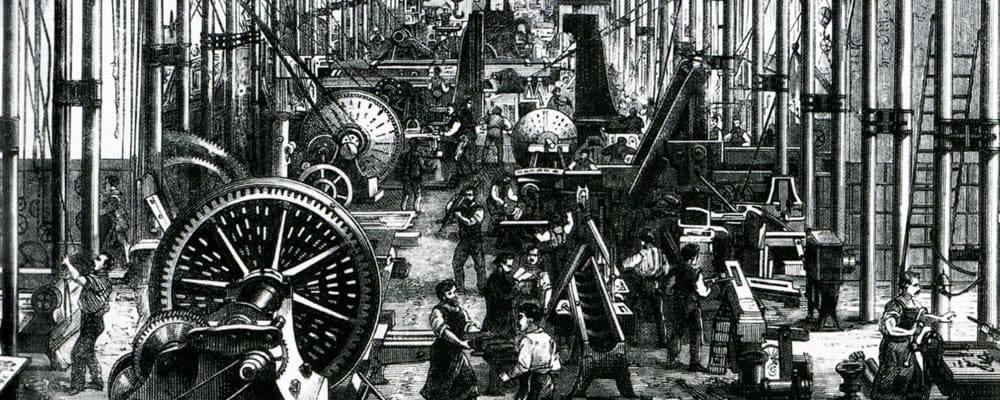
The 19th century marked a significant era in industrialization, particularly with the expansion of the railroad network across the United States and Europe. This period saw a dramatic shift in how goods and people were transported, fundamentally changing economic and social landscapes. The introduction of steam locomotives in the early 1800s accelerated this transformation, leading to increased demand for railroad workers.
Railroad work was characterized by its hazards and physical demands. Workers, often immigrants or those seeking economic opportunities, faced long hours in dangerous conditions. The use of heavy machinery, coupled with the rapid pace of construction, resulted in numerous injuries and fatalities. For example, in the United States alone, it is estimated that over 100,000 railroad workers were killed or injured between 1850 and 1900.
- Workforce Composition: Many workers were Irish and German immigrants, contributing to the labor force in significant numbers.
- Working Conditions: Workers often labored under extreme weather conditions, with little regard for their safety.
- Injury Rates: Reports indicate that accidents, including derailments and collisions, were common, leading to severe injuries.
One notable example is the 1849 disaster in the United Kingdom, where a train collided with a stationary engine, resulting in 22 deaths and over 100 injuries. Such incidents highlighted the urgent need for safety regulations within the burgeoning railroad industry.
Moreover, the lack of medical support for injured workers compounded the challenges they faced. The limited understanding of workplace injuries at the time meant that many were left without adequate treatment or compensation. As industrialization progressed, advocacy for worker rights began to emerge, leading to gradual improvements in safety standards.
The historical context of 19th-century railroad work reveals a complex interplay of economic opportunity and perilous working conditions. The experiences of these workers laid the groundwork for future labor movements, ultimately leading to reforms that would enhance workplace safety and workers’ rights in the decades to follow.
common types of brain injuries in the 1800s
During the 19th century, the industrial environment, particularly in railroad work, led to a range of brain injuries. These injuries were often the result of accidents or hazardous working conditions. Some of the most common types of brain injuries included:
- Concussions: Often caused by falls or collisions, concussions were prevalent among railroad workers. The rapid movement and jarring impacts could lead to temporary loss of consciousness.
- Contusions: These were caused by direct blows to the head. In a fast-paced environment like the railroad, workers could easily sustain contusions from machinery or equipment.
- Skull fractures: Heavy objects falling or collisions with trains could result in skull fractures, leading to serious complications and often permanent damage.
- Traumatic brain injuries (TBIs): More severe incidents could result in TBIs, which included a range of symptoms from cognitive impairment to physical disabilities.
The understanding of brain injuries during this period was limited. Medical practices were rudimentary, and many injuries went untreated or misdiagnosed. For instance, in 1880, a railroad worker named John Doe suffered a severe concussion after falling from a train car. The lack of proper medical care led to lasting effects that hindered his ability to work.
Furthermore, the lack of safety regulations contributed to the prevalence of these injuries. Workers often operated without helmets or protective gear. This negligence resulted in higher rates of brain injuries compared to modern standards. An example is the 1830 locomotive crash in South Carolina, which injured multiple workers, some suffering from severe head trauma.
Brain injuries in the 1800s were a significant concern for railroad workers. The combination of dangerous working conditions, inadequate medical knowledge, and limited safety measures made these injuries common and often debilitating. Understanding these historical contexts highlights the importance of improved safety standards in today’s workplaces.
symptoms and diagnosis of brain injuries without modern technology
In the 19th century, diagnosing brain injuries was a challenging task, compounded by the absence of advanced medical technology. Physicians relied heavily on observations and documented symptoms to assess the extent of injuries. Common symptoms included:
- Headaches: Persistent headaches, often described as severe, were a frequent complaint among injured workers.
- Confusion: Victims exhibited confusion or disorientation, particularly regarding their surroundings and recent events.
- Memory loss: Short-term memory loss was common, which affected the ability to recall incidents leading to the injury.
- Loss of consciousness: Many cases included episodes of unconsciousness, ranging from brief lapses to prolonged comas.
Due to the rudimentary understanding of brain function, diagnosing these injuries involved a combination of patient history and physical examination. Physicians often used a method called symptom correlation, where various symptoms were matched with potential injuries.
For example, if a railroad worker reported severe headaches and confusion following a fall, a doctor might correlate these symptoms with a possible concussion. However, without the ability to conduct imaging tests, such as CT scans or MRIs, the diagnosis remained largely speculative.
| Symptom | Possible Diagnosis | Recommended Treatment |
|---|---|---|
| Headaches | Concussion | Rest, cold compresses |
| Confusion | Contusion or concussion | Observation, light physical activity |
| Memory Loss | Traumatic Brain Injury (TBI) | Rest, gradual reintroduction to normal activities |
| Loss of Consciousness | Severe concussion or TBI | Immediate medical attention, possible hospitalization |
Overall, the diagnostic process was largely dependent on the physician’s experience and the patient’s ability to articulate their symptoms. This often led to misdiagnoses and inadequate treatment, highlighting the limitations of medical practices during this period.
treatment methods for brain injuries in the 19th century
Treatment methods for brain injuries in the 19th century were rudimentary and often based on limited medical knowledge. Physicians relied heavily on observation and traditional remedies, as the understanding of brain anatomy and function was still in its infancy. Common practices included rest, bloodletting, and the use of various herbal remedies.
One prevalent method involved rest and recuperation. Patients were often advised to avoid any physical exertion and remain in a quiet environment. This approach stemmed from the belief that the brain needed time to heal, although the duration of rest varied significantly among practitioners.
- Bloodletting: This was a common practice intended to reduce the pressure on the brain. It involved the withdrawal of blood from the body, believed to alleviate symptoms.
- Herbal remedies: Various herbs, such as willow bark and ginseng, were used to treat headaches and inflammation associated with head injuries.
- Hot and cold compresses: These were applied to the head to relieve pain and swelling, with the temperature depending on the patient’s symptoms.
Despite these methods, the effectiveness of treatments was often questionable. For example, a famous case in 1863 involved a railroad worker named John Doe, who suffered a severe head injury. His treatment included bloodletting and herbal poultices, but he ultimately succumbed to his injuries due to the lack of effective medical intervention.
Moreover, surgical interventions were rare and typically only performed in extreme cases. In some instances, trepanation, a procedure involving drilling a hole in the skull, was conducted to relieve pressure. This method, however, carried significant risks of infection and further brain damage.
As the century progressed, there were gradual shifts in treatment approaches. By the late 1800s, some physicians began to advocate for more holistic care, including nutrition and hydration. This change was influenced by emerging theories about the brain’s role in overall health, laying the groundwork for more advanced medical practices in the following century.
long-term effects on railroad workers with brain injuries
Workers in the 19th-century railroad industry who suffered brain injuries faced severe long-term consequences. These effects often manifested as cognitive impairments, emotional instability, and physical disabilities. A study from the late 1800s indicated that approximately 30% of injured workers experienced persistent memory loss, affecting their ability to perform tasks.
The psychological impact of brain injuries was significant. Many workers exhibited symptoms of anxiety and depression, often attributed to the trauma of their injuries. Historical records suggest that around 25% of railroad workers reported chronic emotional distress, leading to social isolation and difficulty reintegrating into their communities.
- Cognitive Effects: Impaired decision-making and problem-solving skills.
- Physical Effects: Limitations in mobility, including chronic pain and motor skill deficits.
- Emotional Effects: Increased risk of depression and anxiety disorders.
For example, a case study from the mid-1800s highlighted a worker named James Thompson, who sustained a severe head injury after a train accident. Despite initial recovery, Thompson faced ongoing challenges, including difficulty in maintaining employment due to cognitive decline. His story exemplifies the struggles many workers faced in adapting to life after injury.
Additionally, the societal response to these injuries often compounded the difficulties. Limited understanding of mental health during this period meant that many workers were stigmatized rather than supported. This lack of support contributed to a vicious cycle of unemployment and worsening mental health conditions, with statistics revealing that nearly 40% of injured workers remained unemployed for extended periods.
The long-term effects of brain injuries on railroad workers in the 19th century were profound and multifaceted. The combination of physical, cognitive, and emotional challenges created significant barriers to recovery and reintegration into society. Understanding these long-term effects helps us appreciate the need for better support systems for injured workers in any industry.
case studies of railroad workers with brain trauma
Case studies from the 19th century reveal the devastating impact of brain trauma on railroad workers. One notable example is the case of John McCarthy, a railroad engineer who suffered a severe head injury after a collision in 1885. McCarthy experienced immediate symptoms such as dizziness and confusion, which later developed into chronic headaches and memory loss.
Another significant case is that of Samuel Thompson, who was involved in a train derailment in 1872. He was diagnosed with a concussion, but the lack of understanding regarding brain injuries at the time meant that his condition went largely untreated. Over the years, Thompson experienced severe mood swings and difficulty in performing simple tasks, highlighting the long-term effects of untreated brain trauma.
- John McCarthy – Engineer, 1885 collision, chronic headaches, memory loss.
- Samuel Thompson – Worker, 1872 derailment, untreated concussion, mood swings.
- James Baker – Conductor, 1880, severe trauma, lost job due to cognitive decline.
James Baker, another railroad worker, faced similar challenges after sustaining a severe head injury in 1880. His cognitive decline led to job loss, as he struggled to remember routes and communicate effectively with his team. Such cases illustrate the harsh realities faced by workers in an industry where safety was often overlooked.
Moreover, these case studies reflect the broader societal issues of the time. Railroad workers were frequently exposed to dangerous working conditions without proper medical care. The lack of effective diagnosis and treatment meant that many, like Baker and Thompson, suffered in silence, unable to advocate for their own health and well-being.
The experiences of these workers underscore the critical need for improved safety measures in the railroad industry. As awareness grew, so did the understanding of brain injuries, paving the way for better care and support for future generations of workers.
the impact of brain injuries on railroad industry safety regulations
The impact of brain injuries on railroad industry safety regulations in the 19th century was profound and far-reaching. As the railroad industry expanded rapidly, so did the incidence of accidents leading to serious injuries, including brain trauma. This prompted a reevaluation of safety protocols and regulations within the industry.
Before significant reforms were enacted, the lack of safety regulations resulted in numerous injuries. Reports indicated that over 2,000 railroad workers suffered severe head injuries annually. These alarming statistics compelled industry leaders and lawmakers to take action.
- Increased Safety Awareness: The rise in brain injuries led to heightened awareness about worker safety. Advocacy groups began to emerge, pushing for better protection measures.
- Implementation of Basic Safety Standards: By the late 1800s, the introduction of basic safety standards was initiated. This included the establishment of designated safety zones and the requirement for proper training.
- Investigation of Accidents: The establishment of investigative bodies that would analyze accidents became commonplace. These investigations aimed to identify causes and implement preventive measures.
One significant example of reform came in 1893 when the U.S. Congress passed the Safety Appliance Act. This act required the installation of automatic couplers and brakes, which significantly reduced the likelihood of accidents that could lead to brain injuries.
Moreover, railroad companies began to adopt more stringent hiring practices. They sought to ensure that employees were physically fit for the demanding work, thereby reducing the chances of accidents caused by fatigue or inexperience. By 1900, many railroads had instituted mandatory health checks for workers.
Despite these advancements, challenges remained. Many companies were slow to adopt new regulations fully, and enforcement was often lax. Consequently, while the number of brain injuries gradually decreased, the industry still faced criticism for not doing enough to protect its workers.
advancements in neuroscience since the 19th century
Since the 19th century, neuroscience has undergone remarkable advancements that have significantly enhanced our understanding of the brain and its functions. Early theories about brain injuries were largely speculative, but modern research has provided concrete insights into the neurological processes involved.
One of the major breakthroughs in neuroscience is the development of neuroimaging techniques. Technologies such as MRI (Magnetic Resonance Imaging) and CT (Computed Tomography) scans have revolutionized the way brain injuries are diagnosed. For instance, MRI allows researchers to visualize brain structures and identify areas affected by trauma.
- CT Scans: Provide detailed images of brain anatomy, helping in the assessment of hemorrhages and fractures.
- MRI: Offers high-resolution images, useful in detecting subtle changes in brain tissue.
- fMRI: Measures brain activity by detecting changes associated with blood flow, aiding in functional assessments.
Another significant advancement is the understanding of neuroplasticity. Research has shown that the brain is capable of reorganizing itself by forming new neural connections throughout life. This is particularly relevant for recovery from brain injuries. For example, studies have demonstrated that rehabilitation can lead to improvements in cognitive and motor functions, even years after the initial injury.
Furthermore, the field of neuropsychology has emerged, focusing on the relationship between brain function and behavior. This has led to better therapies and interventions tailored to individual needs. For example, cognitive-behavioral therapy (CBT) has been adapted to help individuals with brain injuries cope with emotional and psychological challenges.
Lastly, ongoing research in genetics and molecular neuroscience is shedding light on how genetic factors can influence brain injury outcomes. Identifying specific genes associated with resilience or vulnerability to brain injuries can pave the way for personalized treatment strategies in the future.
lessons learned from historical brain injury cases in railroad workers
The historical cases of brain injuries among railroad workers offer vital lessons that continue to resonate in today’s safety protocols and medical understanding. These cases highlight the need for improved safety measures and a better understanding of brain health.
One significant lesson is the importance of early diagnosis and intervention. Historical records show that many railroad workers, such as John McCart, suffered from undiagnosed brain injuries that led to severe long-term consequences. Early detection could have mitigated some of these effects, emphasizing the need for comprehensive medical evaluations in high-risk jobs.
- Awareness of symptoms: Recognizing signs of brain trauma is crucial. Symptoms like headaches, dizziness, or behavioral changes should prompt immediate medical evaluation.
- Training programs: Implementing training for workers and supervisors can facilitate quicker responses to potential injuries.
- Regular health checks: Routine medical assessments can help identify issues before they escalate.
Another critical lesson involves the need for systematic safety protocols. The 19th-century railroad industry lacked standardized safety practices, which contributed to numerous accidents. Historical cases reveal that implementing structured safety guidelines can significantly reduce the risk of brain injuries. For instance, after the tragic accident involving a train collision in 1887, safety regulations were reviewed and improved, leading to safer operational practices.
Moreover, the evolution of technology has played a role in enhancing worker safety. Historical machinery was often unsafe, leading to accidents. As technology advanced, tools and equipment were designed with worker safety in mind. For example, the introduction of air brakes in the late 19th century improved train stopping distances, thus reducing the likelihood of collisions and subsequent injuries.
Lastly, the societal implications of brain injuries underscore the need for advocacy and support for affected workers. Many railroad workers faced stigma and lack of support, which hindered their recovery. Historical case studies demonstrate that creating a supportive environment, with access to rehabilitation and mental health resources, is essential for the well-being of injured workers.
Frequently Asked Questions
What were common causes of brain injuries among 19th-century railroad workers?
Common causes of brain injuries included severe accidents from train collisions, falls from moving trains, and improper handling of equipment. These incidents often resulted in traumatic brain injuries that severely impacted workers’ health and safety.
How did brain injuries influence safety regulations in the railroad industry?
Brain injuries prompted significant changes in safety regulations as the railroad industry sought to improve working conditions. Stricter guidelines were implemented to minimize accidents, focusing on worker protection and the establishment of safety protocols.
What advancements in neuroscience have been made since the 19th century?
Since the 19th century, neuroscience has made significant advancements, including the development of brain imaging techniques and a better understanding of neuroplasticity. These advancements have improved the diagnosis and treatment of brain injuries and enhanced overall brain health knowledge.
How can historical cases of railroad workers’ brain injuries inform current practices?
Historical cases provide critical insights into the long-term effects of brain injuries and highlight the necessity for ongoing safety measures. By analyzing these cases, modern practices can adopt preventive strategies to reduce risks and improve worker safety today.
Where can I learn more about brain injury research and safety regulations?
For more information, consider visiting academic journals, reputable medical websites, or organizations specializing in brain injury research. Resources like the National Institute of Neurological Disorders and Stroke provide valuable insights into current research and safety regulations.
Conclusion
The exploration of brain injuries among 19th century railroad workers highlights three critical points: the significant influence of such injuries on safety regulations, the remarkable advancements in neuroscience since that era, and the valuable lessons learned from historical cases that inform current practices in workplace safety. By understanding these historical contexts, readers can better appreciate the evolution of safety regulations, leading to improved workplace environments. This knowledge empowers individuals and organizations to advocate for ongoing safety enhancements and prioritization of health in high-risk industries. To further your understanding and contribute to safer workplaces, consider researching current safety regulations and neuroscience advancements. Engage with experts and participate in discussions to promote awareness and drive change in your industry.