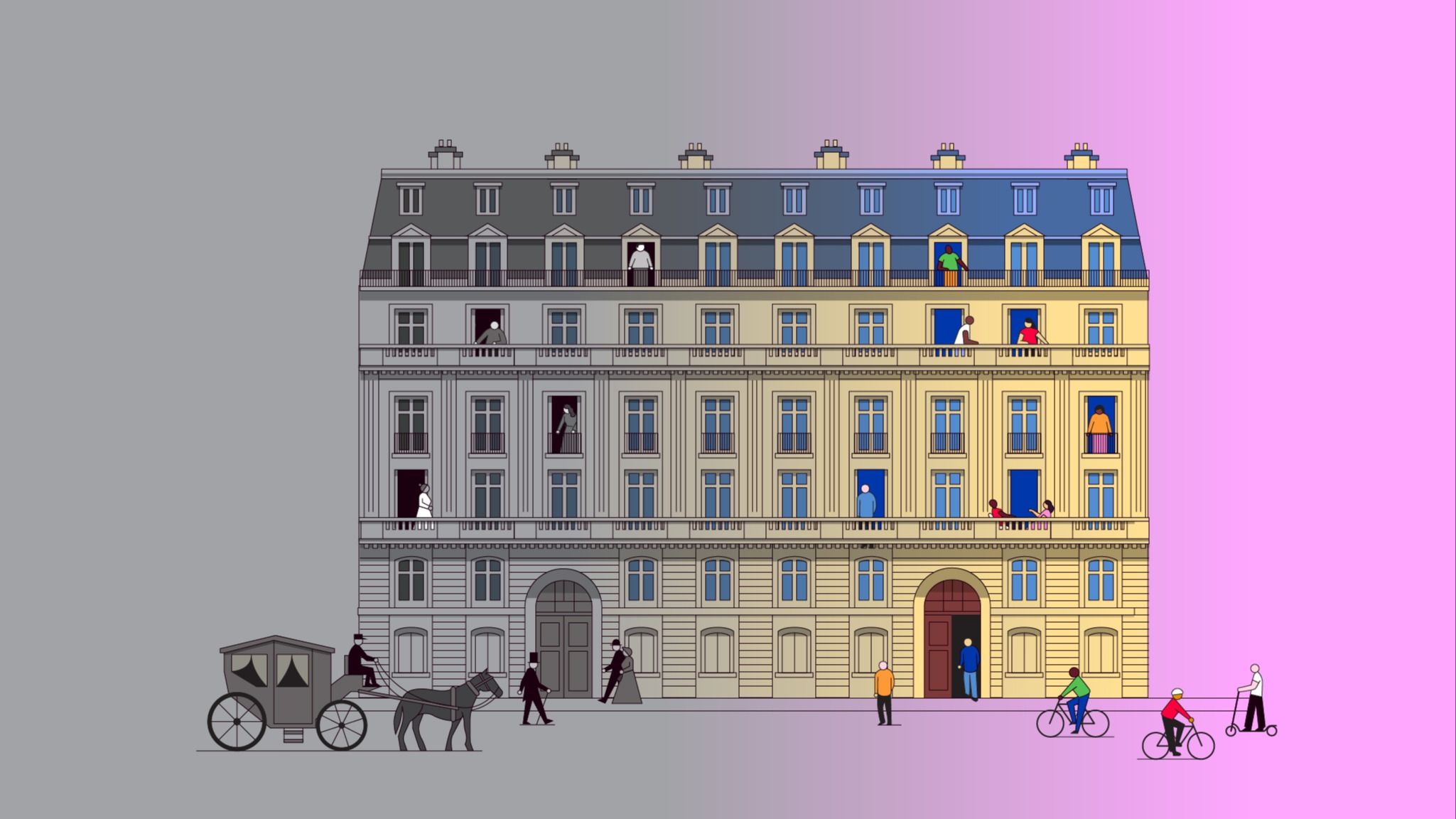
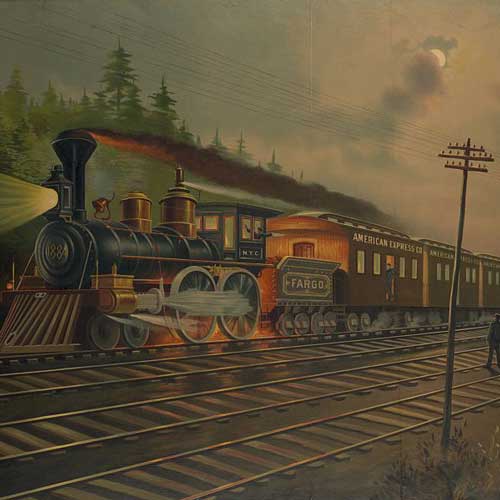
As urban centers expanded rapidly in the late 19th century, many individuals found themselves grappling with a troubling reality. How did cities transform into hubs of opportunity while simultaneously becoming breeding grounds for social and health crises? Understanding this dichotomy is essential for grasping the complexities of urban life during this transformative era.
This article delves into the causes of urbanization in the 19th century and examines the resulting living conditions that millions faced. By exploring these historical challenges, readers will gain valuable insights into the roots of contemporary urban issues, fostering a deeper appreciation for the evolution of public health and societal structures.
Key topics include the factors driving urban growth, the realities of life in crowded cities, and the public health challenges that emerged, highlighting the interplay between urban development and social well-being.
Causes of rapid urbanization in the 19th century
The rapid urbanization of the 19th century can be attributed to a variety of factors. One of the primary causes was the Industrial Revolution, which began in Britain in the late 18th century and spread across Europe and North America. This period marked a significant shift from agrarian economies to industrialized ones, leading to the creation of numerous factories in urban areas.
As factories proliferated, they attracted a large workforce seeking employment. For instance, cities like Manchester and Birmingham in England saw their populations explode from tens of thousands to over a million within just a few decades. This migration was driven by the promise of jobs and better living standards compared to rural life.
- In 1801, the population of Manchester was approximately 70,000.
- By 1851, it had surged to around 300,000.
- By 1901, Manchester’s population reached over 700,000.
Another significant factor was the advancement of transportation. The expansion of railways and steamships made it easier for people to move to cities in search of opportunity. The rail networks connected rural areas to urban centers, facilitating the movement of goods and labor. For example, the opening of the Liverpool and Manchester Railway in 1830 marked a pivotal moment in transportation, reducing travel time and costs.
Additionally, urban planning and infrastructure development played crucial roles in accommodating the influx of new residents. Cities began to implement systems for sanitation, housing, and public health to manage the growing populations. In response to overcrowding, areas like New York’s Five Points became notorious for their slum conditions, illustrating the challenges of rapid urban growth.
Finally, social and political changes also contributed to urbanization. The decline of feudal systems and the rise of capitalism allowed for more mobility among the populace. Many individuals sought the opportunities presented by burgeoning cities, leading to a demographic shift that would transform societal structures and relationships.
Living conditions in late 19th century cities
The living conditions in late 19th century cities were often dire, reflecting the rapid urbanization and industrialization of the period. Many urban dwellers faced significant challenges that affected their health, safety, and overall quality of life.
One of the most pressing issues was overcrowding. As people flocked to cities for jobs, housing became scarce. For example, in New York City, the population surged from approximately 1 million in 1860 to over 3 million by 1900. This immense influx resulted in cramped living spaces, often in tenement buildings.
- Tenements typically housed multiple families in small apartments.
- Average room sizes were as small as 200 square feet.
- Many tenants shared bathrooms, which were often unsanitary.
In addition to overcrowding, sanitation issues were rampant. The lack of proper waste disposal systems led to polluted water supplies. Diseases such as cholera and typhoid fever were common, exacerbated by poor living conditions. For instance, the cholera outbreak in London in 1854 highlighted the dire consequences of inadequate sanitation.
Moreover, the industrial environment contributed to hazardous living conditions. Factories were often located near residential areas, exposing families to noise, smoke, and dangerous chemicals. In cities like Pittsburgh, the air quality was severely compromised, with soot and industrial waste becoming part of daily life.
Despite these challenges, some communities emerged to support one another. Social reformers and charitable organizations, such as the Settlement House Movement, aimed to improve living conditions. These institutions provided education, healthcare, and recreational opportunities to urban residents.
By the end of the 19th century, various reforms began to take shape, addressing the pressing issues of urban living. The introduction of building codes and sanitation regulations marked the beginning of a gradual improvement in living conditions. However, it wasn’t until the early 20th century that significant changes were realized, laying the groundwork for modern urban life.
Public health challenges and disease outbreaks
The late 19th century was marked by significant public health challenges, particularly in rapidly growing urban areas. The combination of overcrowding, inadequate sanitation, and lack of access to clean water contributed to widespread disease outbreaks. Cities became breeding grounds for infectious diseases such as cholera, tuberculosis, and typhoid fever.
Cholera outbreaks were especially devastating. For instance, the cholera epidemic of 1886 in London resulted in over 14,000 deaths, highlighting the urgent need for improved public health measures. Similar outbreaks occurred in cities like New York and Paris, where the population density exacerbated the spread of the disease.
- Cholera: Caused by contaminated water, leading to severe dehydration and often death.
- Tuberculosis: A respiratory disease that thrived in crowded living conditions, accounting for a significant number of deaths.
- Typhoid fever: Spread through contaminated food and water, causing high mortality rates.
The impact of these diseases prompted city officials to take action. By the late 1800s, many cities began to implement public health reforms, such as improved sanitation systems and the establishment of health departments. For example, the creation of the London Metropolitan Board of Works in 1855 aimed to address sanitation issues, leading to the construction of an extensive sewer system that significantly reduced the incidence of cholera.
Despite these efforts, the challenges persisted. The lack of understanding about disease transmission meant that many public health initiatives were insufficient. The introduction of germ theory by scientists like Louis Pasteur and Robert Koch in the late 19th century began to change perceptions about disease prevention. Their work laid the foundation for modern microbiology and informed future public health strategies.
The public health challenges of the late 19th century were profound, driven by the rapid urbanization that characterized the era. Cities faced ongoing threats from infectious diseases, prompting both immediate responses and long-term reforms that would eventually improve urban health conditions.
The impact of industrialization on urban life
The impact of industrialization on urban life during the late 19th century was profound and multifaceted. As cities expanded rapidly due to industrial growth, various aspects of daily life were transformed. The introduction of factories not only created jobs but also attracted a workforce from rural areas, leading to increased urban populations.
One of the most significant changes was the rise of mass production, which fundamentally altered the economy. Factories began to operate on a scale previously unseen, producing goods faster and cheaper. For example, the textile industry saw the establishment of large mills, particularly in cities like Manchester and Lowell, where thousands of workers were employed.
- Job Opportunities: Factories provided employment for many, often leading to higher wages compared to agricultural work.
- Urban Infrastructure: Rapid industrial growth necessitated improvements in transportation, sanitation, and housing.
- Social Stratification: The wealth generated by industrialists often resulted in a stark divide between the affluent and the working class.
However, the rapid influx of people into urban areas also brought significant challenges. Overcrowding became a pressing issue, with many families living in cramped conditions. For instance, in cities like London, entire families often resided in single-room tenements, leading to poor living standards.
Furthermore, industrialization had a notable impact on public health. Poor sanitation and inadequate waste disposal systems contributed to the spread of diseases. The outbreak of cholera in cities such as London in the 1850s underscored the dire consequences of these conditions, prompting public health reforms in subsequent decades.
Overall, while industrialization created new opportunities and transformed urban life, it also highlighted the necessity for improved living conditions and public health measures. The late 19th century was a period of significant transition, with the effects of industrialization shaping the future of urban environments.
Housing and overcrowding issues
The late 19th century witnessed a dramatic increase in urban populations, leading to severe housing shortages and overcrowding in many cities. As people flocked to urban areas for employment opportunities in factories, the demand for housing skyrocketed. By 1900, over 40% of the population in major cities like New York and Chicago lived in tenement buildings, often characterized by cramped and unsanitary conditions.
- Many tenements housed multiple families, often sharing a single room.
- These buildings typically lacked basic amenities such as running water and indoor plumbing.
- Statistics indicate that in some neighborhoods, as many as 15 people might occupy a single apartment.
Overcrowding contributed to a host of other problems, including poor sanitation and increased crime rates. In cities like Philadelphia, the average occupancy rate in tenements reached over 300%, creating an environment where disease could spread rapidly. The lack of proper housing regulations exacerbated these issues, leading to tragic outcomes during outbreaks of diseases such as cholera and tuberculosis.
| City | Percent Living in Tenements | Occupancy Rate |
|---|---|---|
| New York | 40% | 300% |
| Chicago | 35% | 250% |
| Philadelphia | 30% | 350% |
Local governments and reformers began to respond to these overwhelming housing challenges. Initiatives such as the Tenement House Act of 1901 in New York aimed to improve living conditions by enforcing regulations on light, air, and sanitation in tenement buildings. However, these efforts were often met with resistance from landlords unwilling to bear the costs of compliance.
The struggle for adequate housing in the late 19th century highlighted the broader social issues of the time, including class disparity and the need for urban reform. The ongoing debate over housing conditions laid the groundwork for future legislation aimed at improving urban living standards and protecting the rights of tenants.
Transportation and infrastructure development
The late 19th century marked a significant transformation in transportation and infrastructure within urban environments. As cities expanded, the need for effective transportation systems became crucial. Innovations such as the streetcar and the subway revolutionized urban mobility, allowing people to travel quickly across increasingly crowded areas.
One notable example is the introduction of the first electric streetcar line in Richmond, Virginia, in 1888. This innovation not only reduced travel times but also spurred the development of suburbs, as individuals could now live further from their workplaces. By 1900, many cities across the United States had adopted similar systems, significantly enhancing urban connectivity.
- Streetcars: Provided reliable transportation, reducing reliance on horse-drawn carriages.
- Elevated Railways: Introduced in cities like New York in the 1870s, these systems helped alleviate street congestion.
- Subways: The London Underground, opened in 1863, served as a model for future underground transit systems worldwide.
- Bicycle paths: The late 19th century also saw the rise of cycling as a popular mode of transport, prompting cities to create dedicated bike lanes.
Infrastructure development during this period was not limited to transportation alone. Roads, bridges, and public spaces also underwent significant improvements. The construction of the Brooklyn Bridge, completed in 1883, served as a vital connection between Manhattan and Brooklyn, facilitating commerce and daily commutes. This engineering marvel demonstrated the era’s advancements in construction techniques and materials.
Moreover, urban planning began to evolve in response to these transportation advancements. City planners started to consider the integration of public transit systems into their designs, aiming to create more livable and accessible environments. The City Beautiful movement emerged in the late 19th century, advocating for beautification and improved urban spaces, which included better transportation options.
The late 19th century witnessed a remarkable evolution in transportation and infrastructure development. These advancements not only improved mobility but also reshaped urban landscapes, paving the way for modern cities as we know them today.
Social inequalities and labor struggles
Social inequalities became increasingly pronounced in urban centers during the late 19th century. As the industrial economy flourished, the gap between the wealthy elite and the working class widened significantly. The concentration of wealth in the hands of a few resulted in stark contrasts in living conditions.
Many workers endured harsh realities, including long hours, low wages, and unsafe working environments. Labor struggles emerged as a response to these inequities, leading to the formation of unions and organized strikes. Key events during this period included:
- The Great Railroad Strike of 1877, which was one of the first major strikes in the United States, involving over 100,000 railroad workers.
- The Haymarket Affair in 1886, which highlighted the demand for an eight-hour workday and resulted in violence and the execution of several labor leaders.
- The Pullman Strike of 1894, which involved railroad workers striking against wage cuts and led to federal intervention.
Workers faced numerous challenges, including exploitation by employers who prioritized profits over safety and fair treatment. Many laborers were immigrants, often working in factories or as dockworkers, and they were vulnerable to discrimination and abuse. This exploitation fueled a growing sense of solidarity among workers, prompting collective action.
One notable example is the formation of the American Federation of Labor (AFL) in 1886, which aimed to unite skilled workers across various trades. Under the leadership of figures like Samuel Gompers, the AFL sought better wages, hours, and working conditions through negotiations and, when necessary, strikes.
Despite facing significant opposition from both employers and the government, labor movements gradually brought attention to the plight of workers. This period laid the foundation for future labor rights advancements, as awareness of social inequalities prompted a push for reforms that would eventually lead to significant changes in labor laws.
Urban reform movements and responses
The late 19th century saw a surge of urban reform movements aimed at addressing the pressing issues faced by rapidly growing cities. Activists, reformers, and concerned citizens banded together to advocate for changes in housing, sanitation, labor rights, and public health. These movements sought to improve living conditions and reduce social inequalities.
- Settlement Houses: Established in urban areas, these institutions provided social services, education, and healthcare to impoverished communities. Notable examples include Hull House, founded by Jane Addams in 1889 in Chicago.
- Sanitation Reforms: In response to rampant disease outbreaks, such as cholera and typhoid fever, reformers advocated for better waste management and clean water. Cities like New York implemented comprehensive sanitation systems by the 1890s.
- Labor Movements: Labor unions gained traction as workers organized to demand better wages and working conditions. The American Federation of Labor (AFL), founded in 1886, played a crucial role in these efforts.
Organizations such as the National Municipal League emerged in the 1890s, promoting reforms in city governance to combat corruption and inefficiency. They aimed to professionalize city administration and implement more effective public policies.
In addition to grassroots movements, prominent reformers like Jacob Riis utilized photography and journalism to raise awareness about poverty and living conditions. His book, How the Other Half Lives, published in 1890, brought national attention to the plight of urban poor.
| Reform Movement | Key Focus | Notable Figure |
|---|---|---|
| Settlement Houses | Education and social services | Jane Addams |
| Sanitation Reforms | Public health and hygiene | Dr. John Snow |
| Labor Movements | Workers’ rights and wages | Samuel Gompers |
These reform movements were pivotal in reshaping urban landscapes, challenging existing power structures, and advocating for the rights of marginalized populations. The legacy of these efforts would pave the way for future reforms in the 20th century, influencing policies that continue to affect urban life today.
Legacy of 19th century urban problems today
The legacy of urban problems from the late 19th century continues to shape modern cities around the world. Issues such as social inequality, inadequate infrastructure, and labor disputes still resonate today, though they have evolved and taken on new forms.
For instance, social inequality remains a critical issue. In many urban areas, the gap between affluent neighborhoods and impoverished communities persists. According to a report by the U.S. Census Bureau, as of 2020, over 11% of the population in urban areas lived in poverty, highlighting the ongoing struggle for economic equity.
- Transportation challenges: Many cities still grapple with inadequate public transport systems, echoing the transportation issues of the past. Cities like Los Angeles and Atlanta face significant traffic congestion due to reliance on personal vehicles.
- Housing crisis: The lack of affordable housing has its roots in the urbanization trends of the 19th century. In cities such as San Francisco and New York, skyrocketing rents and gentrification have displaced lower-income families.
- Labor rights: Labor movements, which gained momentum in the 19th century, continue to advocate for workers’ rights today. Strikes and protests for fair wages and working conditions are still prevalent across various industries.
Moreover, urban reform movements from the late 19th century have influenced present-day policies. For example, the establishment of zoning laws and public health regulations can be traced back to early reformers’ initiatives aimed at improving living conditions. The Tenement House Act of 1901 in New York City was one such response, leading to better living standards that are foundational to current housing regulations.
Lastly, environmental sustainability has emerged as a contemporary concern linked to historical urban problems. The industrial pollution from the late 19th century highlighted the need for cleaner urban environments. Today, cities are adopting green initiatives, such as urban gardening and renewable energy projects, to combat pollution and enhance the quality of life for their residents.
Frequently Asked Questions
What were the main social issues in urban areas during the late 19th century?
During the late 19th century, urban areas faced significant social issues such as poverty, inadequate housing, and labor exploitation. The rapid industrialization led to a widening gap between the wealthy and the poor, resulting in social unrest and demands for reform.
How did urban reform movements impact city life?
Urban reform movements aimed to address the problems of overcrowding, sanitation, and labor rights. These movements led to improved living conditions, the establishment of public health systems, and the rise of labor unions, significantly shaping the quality of life in cities.
What role did immigrants play in urban problems of the 19th century?
Immigrants were crucial in shaping urban landscapes, often settling in overcrowded neighborhoods under poor conditions. They contributed to the labor force but also faced discrimination and exploitation, exacerbating social tensions and economic hardships in cities.
Why are the urban problems of the late 19th century still relevant today?
The legacy of 19th-century urban problems persists in contemporary society, influencing issues like social inequality, urban sprawl, and inadequate infrastructure. Understanding these historical challenges helps policymakers address ongoing urban issues more effectively.
What were common responses to labor struggles during this period?
In response to labor struggles, various tactics were employed, including strikes, protests, and the formation of labor unions. These actions aimed to secure better wages, working conditions, and labor rights, laying the groundwork for future labor movements.
Conclusion
The late 19th century was marked by significant social inequalities and labor struggles, the rise of urban reform movements, and a lasting legacy of urban issues that continue to affect modern cities. These elements highlight the complex challenges cities faced during this transformative period. By understanding these historical contexts, readers can gain valuable insights into contemporary urban challenges and advocate for effective solutions. Such knowledge empowers individuals to contribute positively to their communities. Take the next step by engaging with local organizations focused on urban reform and social equity. Your involvement can help shape a better future for cities today.