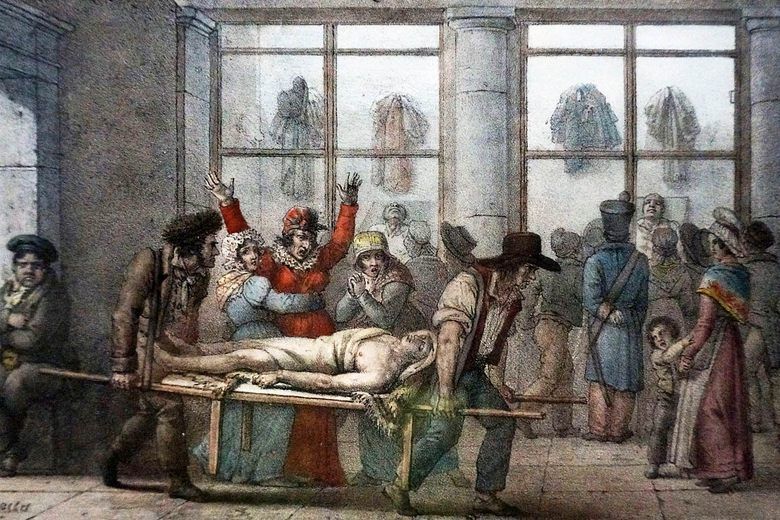
Have you ever considered how urbanization transformed the landscape of 19th century Europe? This period marked a significant shift, where cities expanded rapidly, driven by various social and economic factors, fundamentally changing the lives of millions.
In this article, you will explore the causes of urbanization during this transformative era, the profound impact of the Industrial Revolution on city growth, and the often challenging living conditions faced by inhabitants of these burgeoning urban areas. Understanding these elements is essential for grasping the complexities of modern urban life.
We will delve into the interplay between industry and urban development, the demographic shifts that occurred, and the implications for society as a whole.
Causes of urbanization in 19th century Europe
The urbanization of 19th century Europe was driven by several interconnected factors that transformed rural societies into bustling urban centers. One of the primary causes was the Industrial Revolution, which began in Britain around 1760 and spread across Europe. This era saw a significant shift from agrarian economies to industrial production, leading to a surge in factory jobs that attracted rural populations to cities.
In addition to industrialization, advancements in transportation played a crucial role. The expansion of railways and steamships facilitated the movement of goods and people. By 1850, Britain had over 6,000 miles of railway, drastically reducing travel time and making urban areas more accessible to the workforce.
- Economic opportunities: The promise of higher wages in urban areas enticed many individuals from the countryside.
- Technological innovations: New machinery and techniques increased production efficiency, requiring more labor.
- Population growth: A significant rise in birth rates and a decline in mortality rates, due to advancements in medicine and sanitation, contributed to urban migration.
For instance, cities like Manchester and Birmingham experienced exponential growth during this period. Manchester’s population soared from approximately 75,000 in 1801 to over 300,000 by 1851. This rapid urbanization brought about both opportunities and challenges, including overcrowding and inadequate infrastructure.
Moreover, the shift in agricultural practices, known as the Agricultural Revolution, also contributed to urbanization. Innovations such as crop rotation and selective breeding increased food production, leading to fewer labor needs on farms. As a result, many displaced agricultural workers sought livelihoods in urban factories.
The causes of urbanization in 19th century Europe were multifaceted. The convergence of industrialization, advances in transportation, economic opportunities, and changes in agricultural practices collectively transformed the demographic landscape. This transition laid the foundation for modern urban life, influencing social structures and economic systems for generations to come.
Impact of the Industrial Revolution on city growth
The Industrial Revolution significantly reshaped the landscape of 19th century Europe, leading to rapid city growth. As factories emerged, they became central to economic activity, drawing individuals from rural areas in search of employment. This migration not only increased urban populations but also transformed the social fabric of cities.
Key impacts of the Industrial Revolution on city growth include:
- Increased employment opportunities: Factories created numerous jobs, particularly in textiles and manufacturing. For instance, the cotton industry in Manchester expanded rapidly, with the workforce growing from 25,000 in 1800 to over 300,000 by 1850.
- Infrastructure development: The need to support growing populations led to improvements in transportation and public services. Railways, for example, facilitated the movement of goods and people, connecting cities like Birmingham and Liverpool.
- Urban planning challenges: Rapid growth often outpaced urban planning efforts, leading to overcrowded living conditions. By 1850, London had over 2.5 million residents, many living in slums with inadequate sanitation.
Additionally, the rise of factories triggered a shift in social structures. Urban areas became melting pots of different cultures and classes. For instance, in Paris, the influx of workers led to the establishment of various neighborhoods, each with distinct characteristics and cultures.
The impact of the Industrial Revolution on city growth was also reflected in economic shifts. Cities that embraced industrialization experienced significant economic transformation. Between 1800 and 1900, the GDP of Britain increased dramatically, showcasing the success of urban industrial centers.
Moreover, specific cities became emblematic of this transformation:
- Manchester: Known as the “Cottonopolis,” it became a hub for textile manufacturing, highlighting the shift towards industrial-based economies.
- Birmingham: With its focus on metalworking and engineering, Birmingham emerged as a leader in industrial innovation.
- London: As the capital, it symbolized the convergence of finance and industry, attracting talent and investment.
The Industrial Revolution was a catalyst for urban growth in 19th century Europe, fundamentally altering economies, societies, and the very nature of cities themselves.
Living conditions in rapidly growing urban areas
The rapid urbanization in 19th century Europe resulted in significant changes in living conditions for many inhabitants. Cities swelled with an influx of people seeking employment and better opportunities, yet this growth often outpaced infrastructure development.
One of the most pressing issues was overcrowding. Many urban areas experienced a dramatic increase in population density, leading to cramped living conditions. For instance, in London, the population surged from about 1 million in 1800 to over 6 million by 1900, with many families residing in single-room tenements.
- Inadequate housing: Many workers lived in poorly constructed buildings, lacking basic amenities.
- Poor sanitation: Waste disposal systems were often insufficient, leading to unsanitary conditions.
- Health hazards: Overcrowding and unsanitary living conditions contributed to the spread of diseases like cholera and typhoid.
The impact of these conditions was profound. For example, during the cholera outbreak of 1832 in London, more than 6,000 people died, a stark reminder of the public health crisis exacerbated by urbanization. Additionally, the prevalence of child labor in factories often meant that children were exposed to hazardous conditions in both their homes and workplaces.
Despite these challenges, some urban areas began to implement reforms aimed at improving living conditions. Cities like Paris saw the introduction of new sanitation systems and public health measures in the mid-1800s. The Paris sewer system, designed by engineer Eugène Belgrand, was a significant advancement that helped reduce disease transmission and improve overall public health.
Comparatively, cities across Europe adopted varying strategies to address these issues:
| City | Housing Reforms | Sanitation Improvements |
|---|---|---|
| London | Tenement regulations | Cholera prevention measures |
| Paris | New housing developments | Advanced sewer systems |
| Berlin | Public housing initiatives | Water supply upgrades |
While the rapid urbanization of 19th century Europe brought about substantial growth and economic opportunities, it simultaneously posed significant challenges regarding living conditions. The struggle for improved housing and sanitation illustrated the complex relationship between urban growth and public health.
Changes in social structures due to urbanization
The rapid urbanization during the 19th century significantly altered social structures in Europe. As people flocked to cities, traditional rural communities began to dissolve, leading to new social dynamics. The emergence of a distinct working class was one of the most notable changes.
With the rise of factories, a large number of individuals found employment in urban settings. This shift created a working class that was characterized by its unique economic and social conditions. Many laborers lived in overcrowded conditions, often in tenements, which shaped their collective identity.
- Economic Roles: Workers were primarily engaged in factory jobs, which required long hours and often dangerous conditions.
- Social Movements: The hardships faced by workers led to the formation of labor unions and movements advocating for better rights and conditions.
- Class Consciousness: A growing awareness of class disparities emerged, fueling tensions between the working class and the wealthy industrialists.
Another significant change was the rise of the middle class, which flourished due to industrialization. This group included factory owners, merchants, and professionals who benefited from urban economic growth. The middle class played a pivotal role in reshaping societal norms and values.
For instance, the middle class emphasized education and propriety, leading to a push for public schooling and literacy programs in urban areas. By the late 19th century, literacy rates had increased significantly, with an estimated 90% of children in urban areas attending school.
Furthermore, urbanization fostered greater interaction between different social groups. Cities became melting pots of cultures, ideas, and social classes. Public spaces like parks, theaters, and cafes facilitated social interactions, contributing to a more dynamic and interconnected society.
However, this urban growth also brought about social challenges. Issues such as crime, poverty, and disease became more prevalent as cities expanded. The social fabric of urban areas was continually tested as communities navigated these challenges while adapting to their new realities.
The role of transportation in urban expansion
The 19th century witnessed a profound transformation in transportation, which played a crucial role in the expansion of urban areas across Europe. The development of railways, canals, and roads enabled efficient movement of goods and people, fostering the growth of cities. By the mid-1800s, over 6,000 miles of railways had been constructed in Britain alone, revolutionizing connectivity.
- Railways: The introduction of steam locomotives allowed for faster travel, connecting urban centers with rural areas. Between 1830 and 1850, railway mileage in Britain increased from 1,000 to over 6,000 miles.
- Canals: Canals like the Manchester Ship Canal facilitated the transport of heavy goods, reducing costs and time. This was essential for industrial cities reliant on raw materials.
- Road improvements: Paved roads improved access to cities, allowing for better trade routes and commuter travel, which further encouraged urban migration.
With the rise of transportation networks, urban centers became not only hubs of industry but also of commerce. For instance, cities like Manchester and Birmingham grew exponentially, with Manchester’s population rising from about 75,000 in 1801 to over 300,000 by 1851. This influx was directly linked to the city’s access to railroads and canals.
Furthermore, transportation advancements led to the emergence of suburban areas. Workers could now live farther from their workplaces, commuting via trains and trams. This trend was notable in cities such as London, where the suburbs expanded rapidly due to the accessibility provided by the railway network. By 1901, approximately 33% of London’s population resided in these suburban regions.
Transportation innovations were pivotal in shaping urban expansion in 19th century Europe. The interconnectedness of cities and rural areas fostered economic growth and migration, ultimately transforming the social and physical landscape of the continent.
Public health challenges in 19th century cities
The rapid urbanization of 19th century Europe not only transformed cities but also introduced significant public health challenges. As populations surged, cities often struggled to provide adequate sanitation and healthcare services. For example, in London, the population increased from approximately 1 million in 1800 to over 6 million by 1900, creating immense pressure on existing public health infrastructure.
One of the most pressing issues was the spread of infectious diseases. Cholera epidemics struck major cities, with the first major outbreak in London occurring in 1832, claiming over 6,000 lives. The lack of clean water and proper sewage systems exacerbated the situation, as contaminated water sources became breeding grounds for disease.
- Cholera: Outbreaks in cities like Paris (1832) and Hamburg (1892) highlighted the dire need for improved sanitation.
- Tuberculosis: A leading cause of death, particularly in crowded urban areas, with mortality rates peaking in the late 19th century.
- Typhus: Often linked to poor living conditions, it was prevalent in overcrowded slums.
In response to these health crises, various reform movements emerged. The Public Health Act of 1848 in Britain, for instance, aimed to address sanitation issues by establishing local boards of health. The act was a response to the findings of epidemiologist John Snow, who traced a cholera outbreak in Soho to a contaminated water pump. His work laid the groundwork for modern epidemiology and highlighted the importance of clean water.
Despite these efforts, many urban areas continued to face challenges. The rise of slums, particularly in industrial cities, meant that overcrowding persisted. In Manchester, for instance, over 50% of the population lived in appalling conditions, lacking basic amenities. The inadequacy of housing further fueled health problems, creating a vicious cycle of poverty and disease.
By the end of the century, the public health landscape began to shift. Improved understanding of germ theory and the implementation of better sanitation practices led to gradual improvements. However, the legacy of 19th century urbanization left an indelible mark on public health, revealing the critical need for comprehensive urban planning and health services.
Government responses to urban problems
The challenges posed by rapid urbanization in the 19th century prompted various government responses across Europe. Authorities recognized the need to address issues such as overcrowding, sanitation, and public health. Here are some notable measures taken:
- Sanitary reforms: Governments implemented reforms aimed at improving sanitation in urban areas. For example, the Public Health Act of 1848 in England established local boards of health to oversee sanitation.
- Housing regulations: To combat the crisis of overcrowded tenements, regulations were enacted to ensure better housing standards. In Paris, the Haussmann renovations (1853-1870) transformed the cityscape and improved living conditions.
- Infrastructure development: Cities invested in infrastructure, including water supply and sewage systems. The creation of the London sewer system by Joseph Bazalgette in the 1850s significantly reduced cholera outbreaks.
- Public health initiatives: Governments began to focus on public health initiatives, including vaccination campaigns and the establishment of hospitals. The establishment of the first public health hospital in London in 1855 marked a significant step forward.
Furthermore, the establishment of city planning departments allowed for more systematic urban development. For example, the 1889 Paris Exposition Universelle showcased urban planning innovations, influencing future city designs worldwide.
Another key response was the introduction of social welfare programs aimed at assisting the urban poor. Various European nations began to recognize the need for social safety nets:
- Social housing projects: Governments initiated social housing projects to provide affordable housing for low-income families. The “Garden City” movement in the late 19th century aimed to create self-contained communities with ample green space.
- Labor laws: To protect workers in increasingly dangerous industrial jobs, labor laws were introduced. The Factory Acts in Britain, starting in 1833, limited working hours and improved conditions for women and children.
Overall, these government responses were crucial in addressing the myriad challenges posed by urbanization in the 19th century. By implementing reforms, improving infrastructure, and developing social welfare initiatives, authorities laid the groundwork for modern urban environments.
Cultural and economic effects of urbanization
The urbanization of 19th century Europe had profound cultural and economic effects that reshaped society. As cities expanded, they became centers of innovation, attracting artists, thinkers, and entrepreneurs. This influx created a vibrant cultural scene characterized by new artistic movements, literature, and social theories.
Economically, urban areas experienced significant growth. The rise of industries led to increased job opportunities, which attracted rural populations. For instance, cities like Manchester and Birmingham saw their populations swell from 70,000 to over 300,000 within a few decades, indicating a shift towards urban living.
- Urban centers as cultural hubs: Cities became melting pots of diverse cultures, leading to the emergence of new forms of art, music, and literature.
- Economic opportunities: The industrial revolution created a demand for labor, resulting in a significant migration from rural areas to cities.
- Social changes: The urban environment fostered new social classes, including the working and middle classes, which altered traditional social hierarchies.
One notable example of cultural transformation is the Romantic movement, which gained momentum in urban centers. Figures like Charles Dickens highlighted the struggles of urban life in their works, bringing attention to social issues while shaping public perception of city life. Dickens’s novel “Oliver Twist,” published in 1837, vividly depicted the plight of the urban poor.
Economically, urbanization not only spurred growth but also led to significant disparities. While some became wealthy through industrial ventures, others faced harsh working conditions. The establishment of factories in cities such as Liverpool and Leeds resulted in extreme wealth and poverty existing side by side. This economic divide prompted labor movements and calls for reform.
| Aspect | Cultural Effects | Economic Effects |
|---|---|---|
| Art | Emergence of new movements (e.g., Impressionism) | Growth of industries and factories |
| Literature | Focus on urban struggles (e.g., Dickens) | Increase in job opportunities |
| Social Structure | Development of new social classes | Widening wealth gap |
The cultural and economic effects of urbanization in 19th century Europe were interlinked, creating a dynamic landscape that transformed not only cities but also the very fabric of society.
Comparison of urbanization in different European countries
The urbanization process in 19th century Europe varied significantly across different countries, influenced by factors such as industrialization, colonialism, and social structures. While some nations experienced rapid urban growth, others were more gradual in their transition to urban centers.
In the United Kingdom, urbanization was primarily driven by the Industrial Revolution, which peaked in the early 19th century. Cities like Manchester and Liverpool saw their populations surge from tens of thousands to over a million residents within a few decades. By 1851, over 50% of the UK population lived in urban areas.
- United Kingdom: Urban population growth from 10 million in 1801 to 30 million by 1901.
- France: Paris became a focal point, with its population rising from 540,000 in 1800 to nearly 2.7 million by 1900.
- Germany: The cities of Berlin and Hamburg expanded rapidly, with Berlin’s population increasing from 400,000 in 1850 to over 2 million by 1900.
- Italy: Urbanization was slower, with cities like Florence and Turin developing more gradually, primarily due to political instability.
In contrast, the urbanization experience in France showcased a blend of historical influences, including the aftermath of the French Revolution. The Haussmann renovation of Paris in the 1850s redefined urban space with wide boulevards, public parks, and improved infrastructure, which attracted more residents and transformed the city into a modern metropolis.
Statistics reveal that by the late 19th century, nearly 75% of the French population lived in urban areas. In Germany, a similar trend was noted, with rapid industrialization leading to the establishment of new towns and cities, particularly in the Ruhr Valley, where coal and steel industries flourished.
Despite these advancements, urbanization also brought challenges. The rapid influx of people often led to overcrowded living conditions and public health crises, evident in all these countries. For example, the cholera outbreaks in London, Paris, and Berlin during the 1830s and 1840s highlighted the urgent need for improved sanitation and urban planning.
Frequently Asked Questions
What were the main causes of urbanization in 19th century Europe?
The primary causes of urbanization in 19th century Europe included industrialization, agricultural advancements, and population growth. These factors led to an influx of people moving to cities in search of better job opportunities and living conditions.
How did urbanization affect public health during this period?
Urbanization significantly impacted public health, often worsening living conditions. Overcrowding and lack of sanitation led to the spread of diseases like cholera and typhoid. Governments gradually recognized the need for improved health regulations and infrastructure to combat these issues.
What role did transportation improvements play in urban growth?
Transportation improvements, such as the development of railways and steamships, facilitated urban growth by connecting rural areas to cities. This enhanced mobility allowed for the easier movement of goods and people, driving further industrial and economic expansion.
How did urbanization influence social classes in Europe?
Urbanization led to a distinct shift in social classes. A burgeoning working class emerged alongside the established middle and upper classes. This created new social dynamics and tensions, as workers sought better wages and living conditions in rapidly growing cities.
Where can I learn more about urbanization in different European countries?
To learn more about urbanization across various European countries, consider exploring academic journals, historical books, or online resources that focus on urban studies. Many universities also offer courses that cover the societal impacts of 19th century urbanization.
Conclusion
The rapid urbanization of 19th century Europe led to significant government interventions to tackle urban issues, transformative cultural and economic shifts, and notable variations in urbanization processes among countries. These factors collectively shaped modern European society and its infrastructure. Understanding these historical responses can empower readers to appreciate the complexities of urban development today. By applying these lessons, individuals can contribute to more sustainable and resilient urban environments. To further explore the implications of urbanization in your community, consider engaging with local urban planning initiatives or research projects. Your involvement can help shape the future of urban living.