Have you ever wondered how a single road could transform an entire nation? The Cumberland Road played a pivotal role in shaping the economic landscape of 19th-century America, serving as a vital artery for commerce and migration.
This article explores the origins and construction of Cumberland Road, its significant economic impact, and how it facilitated westward expansion. Understanding these elements provides valuable insights into the development of infrastructure that supported a growing nation.
We will delve into key topics, including the road’s construction history, its effects on trade and settlement patterns, and its lasting legacy in American history.
The origins and construction of Cumberland Road
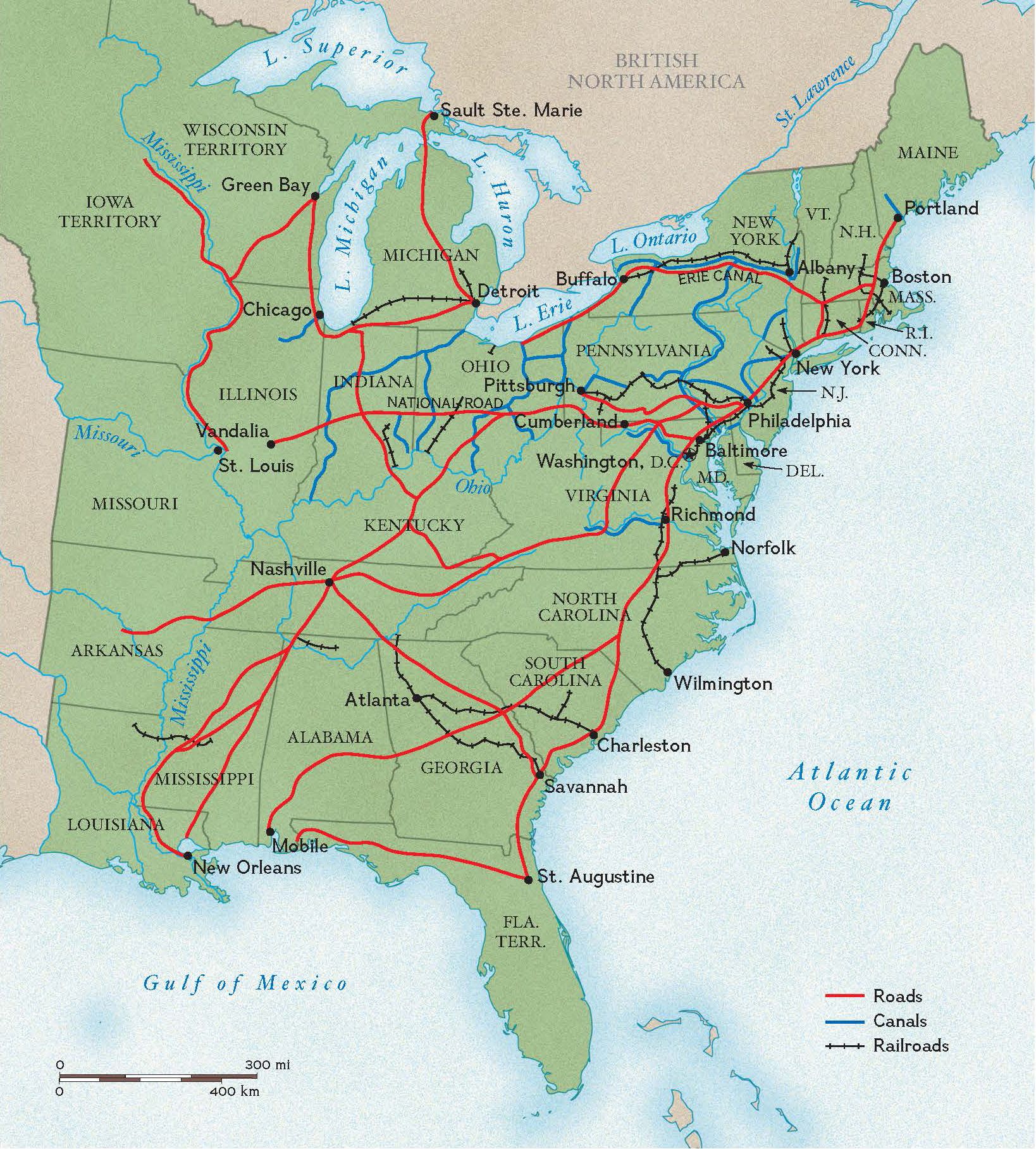
The Cumberland Road, also known as the National Road, began its construction in 1811. Its creation marked the first federally funded highway in the United States, designed to facilitate westward expansion. The road extended from Cumberland, Maryland, to Vandalia, Illinois, covering approximately 620 miles. This ambitious project aimed to connect the eastern states with the growing western territories.
The initial phase of construction involved clearing land and laying down gravel to form a solid base. The road was engineered to accommodate various types of vehicles, including wagons and stagecoaches. By the 1820s, segments of the road had been completed, making travel easier for settlers moving west. In 1825, the road’s western terminus was established in the town of Vandalia, which served as the capital of Illinois at that time.
- 1811: Construction begins in Maryland.
- 1820: The road reaches the Ohio River.
- 1833: Completion of the road to Vandalia, Illinois.
- 1840s: The road becomes a vital route for settlers and traders.
Throughout its construction, the Cumberland Road faced numerous challenges, including funding issues and the impact of natural terrain. States and local governments were often hesitant to contribute, leading to delays. However, the federal government stepped in, recognizing the road’s potential to boost the economy and facilitate migration. By the mid-1830s, the road was fully operational and became a key passage for thousands of settlers.
For instance, in 1830, over 5,000 settlers traveled along the road, seeking new opportunities in the west. The road provided essential access to markets, resources, and communities. Its significance grew as towns along the route flourished, with establishments such as inns and general stores catering to travelers.
The Cumberland Road’s origins and construction were pivotal in shaping the early American landscape. It not only facilitated migration but also served as a vital artery for commerce and communication during the 19th century.
The economic impact of Cumberland Road in the 19th century
The Cumberland Road significantly transformed the economy of the United States during the 19th century. As the first federally funded highway, it facilitated trade and transportation across several states, particularly between the eastern cities and the western frontier.
Before the road’s construction, transportation was often slow and cumbersome, relying heavily on rivers and existing trails. With the advent of the Cumberland Road, the following economic effects were observed:
- Increased trade: The road enabled merchants to transport goods more efficiently. For instance, the journey from Baltimore to Wheeling, West Virginia, which previously took weeks, was reduced to just a few days.
- Expansion of markets: Farmers in the Midwest gained access to larger markets, allowing them to sell their produce at better prices. This stimulated agricultural growth and diversified crops.
- Job creation: The construction and maintenance of the road created numerous jobs, boosting local economies. It is estimated that thousands of laborers were employed during its development.
The economic impact of the Cumberland Road extended beyond immediate trade benefits. It encouraged settlement in the West, as more families moved to the frontier in search of land and opportunities. By 1838, the road had contributed to a significant population increase in areas such as Ohio and Indiana.
Additionally, the road played a crucial role in the emergence of new industries. For example:
- Manufacturers of wagons and carriages thrived due to the increased demand for transportation.
- Innkeepers and hospitality businesses flourished along the route, catering to travelers and traders.
A notable example of the road’s impact can be seen in the city of Cumberland, Maryland. Once a small settlement, it grew into a bustling trade hub, thanks to its strategic location on the Cumberland Road. By the mid-1800s, it was a key point for goods moving between the East Coast and the Midwest.
Overall, the Cumberland Road not only enhanced transportation but also reshaped the economic landscape of the United States, paving the way for future infrastructure projects.
Cumberland Road’s role in westward expansion
The Cumberland Road played a pivotal role in the westward expansion of the United States during the 19th century. As settlers moved westward, the road provided a crucial pathway for migration, trade, and communication. Its completion in 1825 facilitated the movement of thousands of families seeking new opportunities in the frontier.
In the early 1800s, the United States experienced significant population growth and an increasing desire for land. The Cumberland Road connected the eastern states with the western territories, making it easier for settlers to travel. By 1838, it extended over 600 miles from Cumberland, Maryland, to Vandalia, Illinois.
- Migration Surge: The road enabled approximately 1.5 million settlers to migrate westward by 1850.
- Economic Opportunities: New markets opened for goods, creating a thriving trade network.
- Accessibility: Improved access to resources such as timber, minerals, and fertile land.
Moreover, the Cumberland Road served as a critical supply route for military operations and government expeditions. For instance, during the Black Hawk War in 1832, the road was essential for transporting troops and supplies. This military significance further underscored the road’s importance beyond civilian use.
As a result of these factors, the Cumberland Road not only facilitated migration but also contributed to the establishment of several towns and communities along its route. Notable towns such as Wheeling, West Virginia, and Springfield, Illinois, emerged as key hubs for commerce and trade.
The impact of the Cumberland Road on westward expansion can be summarized in the following table:
| Year | Significance | Population Growth |
|---|---|---|
| 1825 | Completion of the road | Start of large-scale migration |
| 1838 | Extended to Vandalia | Population of Illinois grows significantly |
| 1850 | 1.5 million settlers migrated | Rapid population increase in western territories |
The Cumberland Road was not just a transportation route; it was a lifeline for a nation expanding toward its western frontier. Its impact on migration patterns and economic development was profound, shaping the future of the United States during this transformative period.
Challenges faced during the road’s development
The development of the Cumberland Road was fraught with numerous challenges that impacted its construction and functionality. From financial constraints to geographical obstacles, each issue required innovative solutions.
One significant challenge was the financial limitations faced by the federal government. Initial funding was insufficient, which led to delays in construction. In 1816, Congress authorized an appropriation of only $30,000, a sum that proved inadequate for the expansive project. It wasn’t until 1820 that additional funds were allocated, allowing for further progress.
- Geographical obstacles: The road had to traverse challenging terrains, including mountains and rivers.
- Weather conditions: Seasonal weather changes often hindered construction efforts, particularly during winter and rainy seasons.
- Labor shortages: Finding skilled laborers was difficult, as many were drawn to better-paying jobs in urban areas.
The construction teams employed various techniques to overcome these obstacles. For instance, workers utilized land surveying and engineering innovations to create a more manageable route through the Appalachian Mountains. This meticulous planning was essential in ensuring the road’s viability for heavy traffic.
Additionally, conflicts with local landowners presented another hurdle. Many landowners were reluctant to give up their property for public use, leading to lengthy negotiations. In some cases, the federal government resorted to eminent domain to secure the necessary land, a decision that often met with public resistance.
| Challenge | Impact | Resolution |
|---|---|---|
| Financial limitations | Delays in construction | Increased federal appropriations |
| Geographical obstacles | Complex routing | Innovative engineering solutions |
| Labor shortages | Reduced workforce | Incentives for workers |
| Landowner conflicts | Negotiation delays | Eminent domain use |
Despite these challenges, the perseverance of those involved in the Cumberland Road’s development ultimately led to its completion, paving the way for future infrastructure projects across the nation.
Technological advancements used in building Cumberland Road
The construction of the Cumberland Road was marked by significant technological advancements that facilitated its development in the early 19th century. One of the most notable innovations was the use of macadamization, a method developed by Scottish engineer John Loudon McAdam. This technique involved layering crushed stone to create a durable and stable roadbed, which enhanced the road’s longevity and usability.
Additionally, the introduction of steam-powered machinery revolutionized the construction process. By the 1830s, steam shovels and other equipment allowed for faster excavation and grading. This mechanization reduced labor costs and increased efficiency, enabling workers to cover more ground in a shorter time.
- Macadamization: Improved road surface using crushed stone.
- Steam Power: Enabled faster excavation and construction.
- Surveying Instruments: Enhanced accuracy in road alignment.
- Bridges and Culverts: Used iron and timber for better durability.
Surveying instruments also played a crucial role in the road’s construction. The use of theodolites and chains allowed engineers to accurately measure distances and angles, ensuring the road followed the most efficient route. This precision was vital for navigating the diverse terrain of the Appalachian Mountains and other challenging landscapes.
Another significant advancement was the use of bridges and culverts constructed from iron and timber. These structures were essential for crossing rivers and streams, which were abundant along the route. The incorporation of these materials not only improved the road’s functionality but also provided greater safety for travelers.
By 1850, the Cumberland Road had evolved into an essential transportation artery, with a total length of approximately 600 miles. This development was a remarkable achievement, showcasing the advancements in engineering and construction techniques of the time, which laid the groundwork for future infrastructure projects across the nation.
Social and cultural effects of Cumberland Road on local communities
The Cumberland Road significantly influenced the social and cultural fabric of local communities as it connected remote areas to larger population centers. This connectivity fostered a sense of unity and shared identity among settlers. As towns emerged along the route, they became hubs for commerce and social interaction.
- Population Growth: The road facilitated an influx of settlers, leading to population increases in areas like Wheeling, West Virginia, and Zanesville, Ohio. By 1830, Wheeling’s population had surged to over 10,000 residents, largely due to the road’s accessibility.
- Cultural Exchange: As different groups traveled along the Cumberland Road, they brought diverse traditions, cuisines, and customs, enriching local cultures.
- Economic Opportunities: The road opened new markets for local farmers and merchants, enabling them to sell products such as grain and livestock to a broader audience.
One notable example is the rise of the town of Cumberland, Maryland. Established as a key starting point for the road, Cumberland became a bustling center for trade and transportation. By the mid-19th century, it hosted numerous businesses catering to travelers, including inns, taverns, and general stores. This growth transformed Cumberland into a cultural melting pot, where people from various backgrounds interacted daily.
Additionally, local institutions began to flourish due to the increased population. Schools and churches were established, promoting education and community values. The presence of these institutions helped shape a cohesive community identity, contributing to the social stability of the region.
- Educational Advancements: With the growth of towns, educational institutions emerged, such as the establishment of the first public school in Zanesville in 1825.
- Religious Influence: Various denominations set up congregations along the road, promoting spiritual growth and social gatherings.
- Social Organizations: The formation of local organizations and clubs fostered community engagement, helping residents connect and collaborate on common issues.
The Cumberland Road was more than just a transportation route; it was a catalyst for social and cultural transformation in local communities. The road’s impact is evident in the growth of towns, the establishment of schools and churches, and the flourishing of diverse cultural interactions that characterized 19th-century America.
The decline and legacy of Cumberland Road
The decline of the Cumberland Road began in the mid-19th century, influenced by various factors that reshaped transportation needs in the United States. As railroads expanded rapidly, they provided faster and more efficient means of travel and transport compared to the road. This shift marked a significant challenge for the Cumberland Road’s relevance.
- Railroad Expansion: By the 1850s, the railroad network had expanded significantly, offering alternatives that the Cumberland Road could not compete with.
- Maintenance Issues: The road suffered from inadequate maintenance, leading to deterioration and reduced usability. This was a direct result of shifting funding priorities towards rail infrastructure.
- Changing Travel Patterns: As urban centers grew, the demand for long-distance road travel diminished, shifting focus to rail transport for both goods and passengers.
Despite its decline, the legacy of the Cumberland Road remains significant. It served as a critical link in the development of the American transportation network and laid the groundwork for future infrastructure projects. Notably, it was one of the first federally funded roads, illustrating the government’s role in promoting national connectivity.
Some key impacts of the Cumberland Road include:
- Economic Growth: The road facilitated trade and commerce in the regions it connected, contributing to local economies.
- Cultural Exchange: It enabled the movement of people and ideas, fostering cultural interactions among diverse communities.
- Precedent for Future Projects: The Cumberland Road set a precedent for federal involvement in road construction, influencing future legislation such as the Federal-Aid Road Act of 1916.
While the Cumberland Road may have declined in prominence with the rise of railroads, its contributions to the American landscape are undeniable. The road not only connected distant communities but also played a pivotal role in shaping the transportation policies that followed in the 20th century.
Comparison of Cumberland Road with other early American highways
The Cumberland Road, also known as the National Road, was a pivotal artery for early American transportation. However, it was not the only important highway of its time. Comparing it with other early American highways reveals distinct characteristics and impacts on the nation.
One notable comparison is with the Natchez Trace, which connected Natchez, Mississippi, to Nashville, Tennessee. Unlike the Cumberland Road, which was federally funded and constructed, the Natchez Trace was primarily a natural pathway used by traders and travelers. It facilitated trade and migration but lacked the formal construction techniques that characterized the Cumberland Road.
- Cumberland Road: Constructed from 1811 to 1837, spanning approximately 620 miles.
- Natchez Trace: Used since Native American times, officially designated as a national park in 1983.
- Old Spanish Trail: Established in the 18th century, connecting Santa Fe, New Mexico, to San Antonio, Texas, facilitating trade across regions.
Another significant highway is the Lincoln Highway, established in 1913 as the first transcontinental highway. While the Cumberland Road played a crucial role in westward expansion during the 19th century, the Lincoln Highway symbolized a new era of automobile travel. It spurred the development of roadside infrastructure and tourism, reshaping American travel habits.
To illustrate the differences in their impacts, consider the following table comparing key features:
| Highway | Construction Period | Length | Key Impact |
|---|---|---|---|
| Cumberland Road | 1811-1837 | 620 miles | Facilitated westward expansion and commerce |
| Natchez Trace | Native American times, park established 1983 | 440 miles | Promoted trade and cultural exchange |
| Lincoln Highway | 1913 | 3,389 miles | Transformed American travel and tourism |
While the Cumberland Road was central to the development of early American infrastructure, highways like the Natchez Trace and Lincoln Highway offered different routes and experiences. Each played a unique role in shaping transportation and commerce across the burgeoning nation.
Preservation efforts and historical recognition of Cumberland Road
The preservation of the Cumberland Road has been a significant focus for various organizations and local governments. Since the mid-20th century, efforts have aimed to maintain the historical integrity of this vital transportation route. One major initiative was the establishment of the National Road Heritage Corridor in 1994, which aims to promote the historical significance and preserve the cultural landscapes of the road.
Local communities along the Cumberland Road have also played a crucial role in its preservation. They have organized events, such as reenactments and historical festivals, designed to educate the public about the road’s importance. These events not only celebrate the road’s history but also foster community pride and tourism.
- National Register of Historic Places: Sections of the Cumberland Road have been listed on this register, highlighting their historical significance.
- State and local initiatives: Many states have enacted laws to protect the road’s historic segments and surrounding areas.
- Historical markers: Numerous markers have been installed to inform visitors about the road’s history and its impact on American transportation.
One notable example of preservation is the National Road in Maryland, where a dedicated task force has worked to restore original structures, including toll houses and bridges. This initiative not only preserves history but also enhances the scenic beauty of the area.
In addition to preservation efforts, the Cumberland Road has received recognition through various historical societies and educational programs. For instance, the National Road Association of Illinois actively promotes the route’s history, offering educational resources and organizing tours that highlight key historical sites along the road.
Furthermore, the Cumberland Road serves as an educational model for other historical transportation routes. Its preservation has inspired similar initiatives across the United States, demonstrating the importance of maintaining connections to the past. As communities continue to recognize and celebrate the road’s significance, the legacy of the Cumberland Road remains a vital part of American history.
Frequently Asked Questions
What role did Cumberland Road play in westward expansion?
The Cumberland Road was crucial for westward expansion during the 19th century. It facilitated the movement of settlers, goods, and ideas across the Appalachian Mountains, connecting the eastern states to the Midwest and significantly impacting the nation’s growth.
How did the decline of Cumberland Road affect local economies?
The decline of the Cumberland Road led to reduced commercial activity in towns along its route. As railroads became more dominant, many communities faced economic challenges due to decreased traffic and business opportunities, impacting their development.
What preservation efforts are in place for Cumberland Road today?
Various organizations and local governments are actively involved in the preservation of Cumberland Road. These efforts include maintaining historical sites, creating educational programs, and promoting tourism to ensure that this vital piece of American history is recognized and protected.
How does Cumberland Road compare to modern highways?
Unlike modern highways designed for high-speed travel, the Cumberland Road was primarily a dirt and gravel path that facilitated slower, horse-drawn transport. Its historical significance lies in its role in shaping early transportation networks, contrasting with today’s advanced infrastructure.
Why is Cumberland Road referred to as the National Road?
Cumberland Road is often called the National Road because it was the first federally funded highway in the United States. It represented the government’s commitment to improving transportation and promoting economic development across the young nation during the 19th century.
Conclusion
The Cumberland Road played a crucial role in 19th-century transportation, facilitating westward expansion, connecting diverse communities, and serving as a model for future highways. Its decline reflected changing transportation needs, while preservation efforts underscore its historical significance. By understanding the importance of the Cumberland Road, readers can appreciate the evolution of American infrastructure and its lasting impact on connectivity. This knowledge can enhance your perspective on contemporary transportation issues. To further explore this topic, consider visiting historical sites along the Cumberland Road or engaging with local preservation groups to support ongoing efforts in recognizing its legacy.