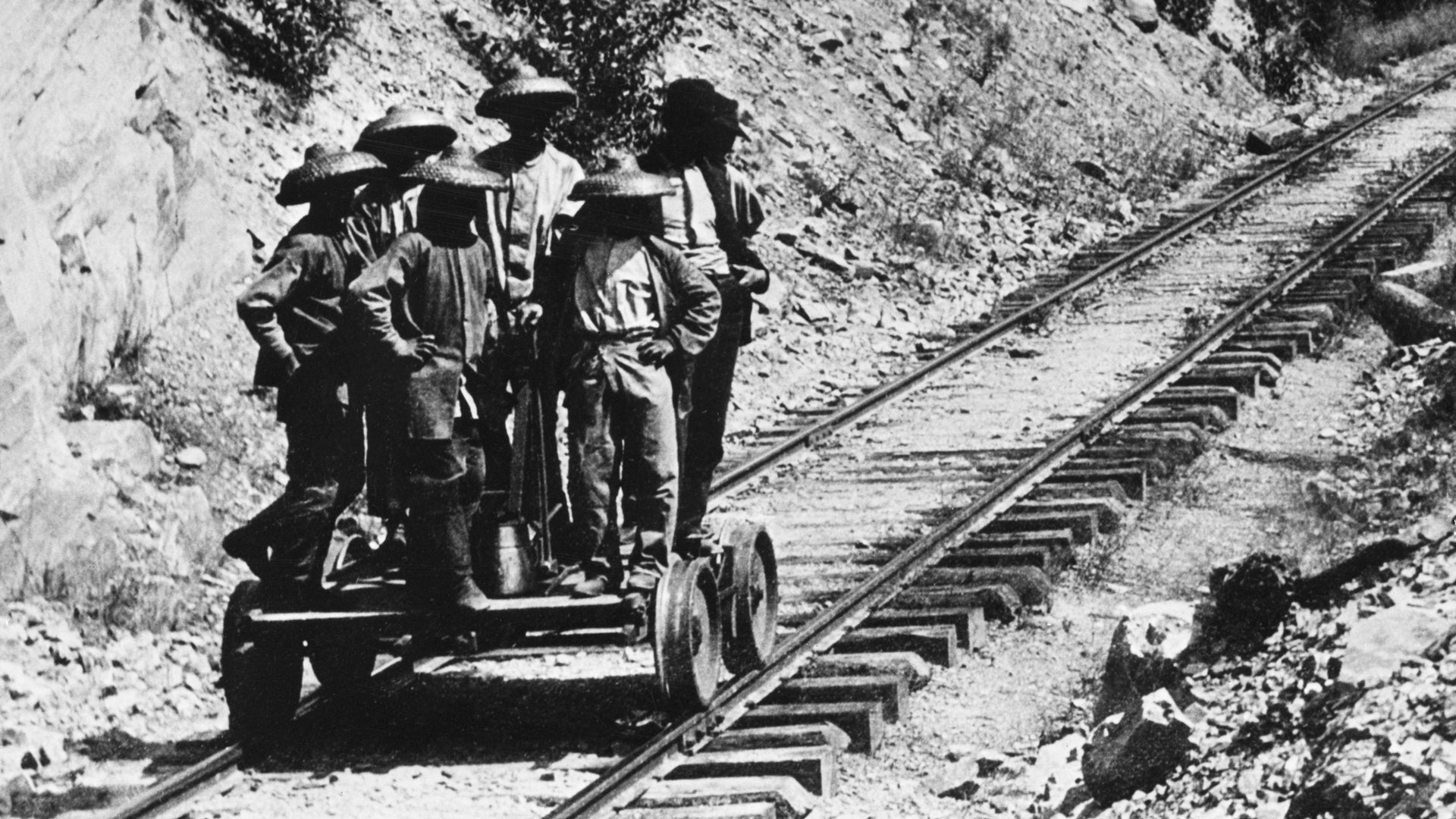
Have you ever considered the living conditions of workers during the 19th century? As cities grew and the Industrial Revolution transformed economies, the reality of worker housing became starkly evident. Understanding where these laborers lived sheds light on their struggles and the societal changes of the time.
This article will explore the typical housing conditions faced by 19th-century workers, comparing urban and rural environments. By examining these factors, you will gain insights into how industrialization impacted not only housing but also the lives of countless individuals during a critical period in history.
We will discuss the various living situations, the challenges posed by industrialization, and the lasting effects on worker communities. Join us as we delve into the fascinating history of worker housing in the 19th century.
Typical housing conditions for 19th century workers
In the 19th century, housing conditions for workers varied significantly depending on their location and occupation. Many laborers lived in overcrowded urban areas, particularly during the Industrial Revolution. For instance, cities like Manchester and London saw a rapid influx of workers seeking employment in factories, leading to a housing crisis.
Most workers resided in tenements, which were often poorly constructed and lacked basic amenities. These buildings typically housed multiple families in small, cramped apartments, where space was at a premium. A report from 1844 noted that a single room could accommodate up to six individuals, sharing a common bathroom and kitchen facilities.
- Sanitation issues: Many tenements did not have proper sewage systems, leading to unsanitary living conditions.
- Limited space: Average living space per person could be as little as 100 square feet.
- High rents: Despite their poor conditions, rent prices could consume up to 50% of a worker’s income.
In more rural areas, workers, particularly those in agriculture, often lived in small cottages or farmhouses. These homes were usually part of larger estates owned by wealthier landowners. For example, a farm laborer in Yorkshire might live in a two-room cottage, sharing it with his family, while working long hours in the fields.
By the late 1800s, some social reform movements began to address these issues. Organizations like the Peabody Trust, established in 1862, aimed to provide affordable housing for the working class. They built model housing estates, which featured better living conditions, green spaces, and communal facilities. These developments marked a significant improvement in the quality of life for many workers.
Overall, the housing conditions of 19th century workers reflected the broader social and economic challenges of the time. While some progress was made, the struggle for decent housing continued well into the 20th century, highlighting the need for ongoing reforms in urban planning and social policy.
Urban versus rural living environments
In the 19th century, living environments for workers diverged sharply between urban and rural areas. Each setting presented unique challenges and advantages, reflecting the broader socio-economic landscape of the time.
In urban areas, workers often faced overcrowding and unsanitary conditions. The rapid industrialization led to a surge in population as people migrated from the countryside in search of work. Key characteristics of urban living included:
- Tenement housing: Many workers lived in cramped tenements, often with multiple families sharing a single unit. An example is New York City, where over 70% of the population resided in these buildings by 1880.
- Poor sanitation: Access to clean water and sanitation facilities was limited, leading to health issues such as cholera outbreaks, which claimed thousands of lives.
- Noise and pollution: Industrial activities created a cacophony of noise and air pollution, significantly impacting the quality of life.
Conversely, rural living environments offered different experiences, although they were not without their own difficulties. Key aspects of rural life included:
- Access to land: Many rural workers were engaged in agriculture, which provided them with some degree of autonomy. They often worked on small family farms or as laborers on larger estates.
- Community-oriented lifestyle: Rural areas tended to foster tight-knit communities, where neighbors supported one another through shared resources and labor.
- Limited economic opportunities: Despite the benefits, rural workers often faced economic challenges due to fluctuating crop prices and limited access to markets.
For instance, while factory workers in cities could earn a daily wage of around $1-2, rural laborers might earn significantly less, often relying on subsistence farming. Despite these disparities, many workers preferred rural life for the perceived stability and closeness to nature.
The choice between urban and rural living was shaped by personal circumstances, economic opportunities, and social dynamics. Understanding these differences highlights the diverse experiences of workers during a transformative period in history.
Impact of the industrial revolution on worker housing
The Industrial Revolution, spanning from the late 18th century to the mid-19th century, dramatically transformed worker housing. As industries expanded, cities became hubs of opportunity, attracting laborers seeking employment. Consequently, this migration led to a surge in urban population, straining existing housing resources.
Before the Industrial Revolution, many workers resided in rural areas, where homes were often spacious and self-sufficient. However, as factories emerged, workers were compelled to move closer to industrial centers. This shift resulted in the construction of tenements—overcrowded and poorly constructed buildings that housed multiple families in cramped conditions.
- In cities like Manchester and Liverpool, tenements often lacked basic amenities such as indoor plumbing and proper sanitation.
- By the 1850s, it was estimated that over 50% of urban dwellers lived in such substandard housing.
- High demand for housing led to increased rents, further straining workers’ already meager wages.
The impact of the Industrial Revolution on worker housing can be illustrated through the following examples:
| City | Average House Size (sq ft) | Typical Rent (per month) |
|---|---|---|
| Manchester | 300 | £2 |
| London | 250 | £3 |
| Liverpool | 280 | £2.50 |
Additionally, the rise of factory work influenced living arrangements. Workers often found themselves living in close proximity to their places of employment, which, while convenient, meant enduring unhealthy living conditions. Factories emitted smoke and pollutants, contributing to poor air quality and health issues in nearby homes.
The Industrial Revolution profoundly affected worker housing by creating a demand for rapid urbanization, resulting in the proliferation of overcrowded and inadequate living conditions. Understanding this transformation is crucial for examining the broader social and economic implications of the era.
Common building materials and architectural styles
In the 19th century, the choice of building materials and architectural styles reflected both the available resources and the socio-economic status of workers. Common materials included brick, wood, and stone, each with its own advantages and disadvantages.
Brick became a popular choice in urban areas due to its durability and fire resistance. Many working-class homes, particularly in industrial cities, were constructed using red brick. In contrast, rural workers often utilized timber, as it was more readily available in forested regions. This led to the widespread use of wooden cottages in the countryside.
- Brick: Durable and fire-resistant; prevalent in cities.
- Wood: Easy to source in rural areas; led to timber cottages.
- Stone: Used for more affluent homes; showcased wealth and stability.
Architectural styles also varied widely, influenced by regional preferences and the prevailing trends of the time. For example, the Victorian style emerged in the mid to late 19th century, characterized by elaborate decorative elements and asymmetrical designs. This style was often seen in the homes of the middle and upper classes, while workers typically lived in simpler, more functional designs.
Another notable style was Gothic Revival, which featured pointed arches and intricate detailing. This style was often used in public buildings and churches, but some workers’ homes also incorporated these design elements, showcasing a blend of practicality and aesthetic appeal. For instance, many homes built during this period included bay windows and ornate trim.
By the end of the 19th century, the introduction of prefabricated materials began to change the landscape of worker housing. Cast iron and steel allowed for quicker construction and lower costs. This innovation led to the development of tenement buildings, which provided affordable housing for many workers in urban centers. An example is the New York City tenements, which housed thousands of immigrant families under challenging conditions.
Health and sanitation challenges in worker residences
The 19th century posed significant health and sanitation challenges for workers living in urban and rural environments. Overcrowded housing, particularly in industrial cities, led to an increased risk of disease outbreaks. Poor sanitation practices exacerbated these issues, with many workers living in close quarters and lacking access to clean water and waste disposal.
In cities like Manchester and London, the rapid influx of workers resulted in densely populated neighborhoods where sanitation infrastructure struggled to keep pace. Statistics from the time indicate that cholera outbreaks were frequent, with thousands of deaths attributed to the disease in urban areas. For example, the cholera outbreak of 1849 in London claimed over 14,000 lives.
- Overcrowding: Many families were forced to inhabit a single room, sharing facilities with multiple households.
- Lack of clean water: Access to clean drinking water was limited, with many relying on contaminated sources.
- Waste disposal issues: Inadequate sewage systems led to the accumulation of waste, creating unsanitary living conditions.
In addition to infectious diseases, the industrial working environment also contributed to various chronic health issues. Workers exposed to hazardous materials faced respiratory problems and other long-term health conditions. For instance, coal miners often suffered from pneumoconiosis, commonly known as “black lung disease,” due to prolonged exposure to coal dust.
Public health reforms began to emerge as awareness of these challenges grew. The establishment of the Public Health Act of 1848 in Britain marked a significant step towards addressing sanitation issues. It aimed to improve living conditions by mandating better waste management and clean water supplies in urban areas. However, the effectiveness of these measures took time to manifest.
Despite some advancements, many workers continued to endure poor living conditions throughout the century. The struggle for improved health and sanitation in worker residences underscored the broader social and economic inequalities of the time, highlighting the urgent need for reform and advocacy.
Social and community life in workers’ neighborhoods
The social and community life in workers’ neighborhoods during the 19th century was shaped by the rapid urbanization and economic changes brought by the Industrial Revolution. Workers often lived in close proximity to one another, fostering a unique sense of community amidst challenging living conditions. For instance, the emergence of factory towns, such as Manchester and Liverpool, created tight-knit communities where shared experiences of labor and hardship were common.
Social gatherings were pivotal for maintaining morale and camaraderie among workers. Events such as church services, market days, and local fairs provided opportunities for residents to connect. In many neighborhoods, informal organizations, such as mutual aid societies, were established to support families during times of illness or unemployment. These societies offered financial assistance and emotional support, reinforcing community bonds.
- Churches: Served as community centers, offering not only religious services but also social activities.
- Street Markets: Enabled workers to buy and sell goods, fostering local trade and interactions.
- Sports Teams: Provided recreational activities and a sense of unity among workers, with local cricket and football clubs being particularly popular.
One notable example is the formation of the Co-operative Movement, which began in the 1840s. Workers established co-ops to collectively purchase goods at lower prices and provide essential services. The Rochdale Pioneers, a group of 28 weavers and other workers in England, founded the first successful co-operative store in 1844, setting a precedent that would influence future community economic endeavors.
Despite the hardships, such as overcrowded living conditions and inadequate sanitation, workers found ways to nurture their social lives. Local pubs and taverns often served as gathering places where workers could unwind after long hours. These venues also played a role in political discussions and organizing efforts, which would eventually lead to labor movements advocating for workers’ rights.
The resilience of 19th-century workers in forging community connections highlights the importance of social networks in navigating the challenges of industrial life. Their ability to create a supportive environment amidst adversity laid the groundwork for future labor rights advancements and social reforms.
Government policies and housing reforms
During the 19th century, various government policies and housing reforms emerged in response to the pressing need for better living conditions for workers. As urban populations grew, so too did the recognition of the dire state of housing. Governments began to implement measures aimed at improving the quality of life for workers.
One of the most significant reforms was the introduction of the Public Health Act of 1848 in Britain. This act aimed to address the unsanitary conditions in urban areas by establishing local boards of health. These boards were responsible for:
- Improving water supply and sanitation.
- Regulating the construction of new housing.
- Demolishing unfit buildings.
Similar reforms were observed in other countries. For instance, in Germany, the Housing Law of 1861 mandated the creation of low-cost housing for workers, reflecting a growing awareness of housing rights. This law facilitated the construction of affordable homes, which directly addressed overcrowding issues.
Additionally, city planners began to adopt more organized approaches to urban development. For example, in Paris, the renowned urban planner Georges-Eugène Haussmann initiated extensive renovations in the 1850s. His work included:
- Widening streets to improve air circulation.
- Creating parks for public health benefits.
- Implementing building codes to enhance safety and aesthetics.
Despite these efforts, challenges remained. Many low-income workers continued to live in substandard conditions due to the rapid pace of industrialization. However, ongoing advocacy for housing reforms helped to keep the issue in the public eye, leading to continuous improvements throughout the century.
By the late 19th century, several countries began to establish housing cooperatives, offering workers a chance to own their homes. For example, the Cooperative Housing Movement in France saw the rise of worker-owned housing associations, which aimed to provide quality living spaces at affordable prices. These initiatives marked a significant shift towards more inclusive and equitable housing solutions.
Comparison of worker housing across different countries
The 19th century saw varying approaches to worker housing across different countries, shaped by local industrialization levels, economic conditions, and social policies. In Britain, for example, the Industrial Revolution led to a surge in factory jobs, resulting in a need for nearby housing. Workers often lived in crowded tenements, which were poorly constructed and lacked sanitation facilities.
In contrast, Germany adopted a more structured approach to worker housing. The government implemented housing policies that promoted the construction of affordable and sanitary housing for factory workers. This included initiatives such as the establishment of garden cities, which combined residential areas with green spaces.
- Britain: Overcrowded tenements with inadequate sanitation.
- Germany: Government-supported housing projects, promoting health and well-being.
- France: Emergence of worker cooperatives that built housing for their members.
- United States: Rapid urbanization leading to slums, with limited government intervention.
In France, workers began forming cooperatives in the mid-1800s, allowing them to collectively build housing. These cooperatives aimed to create affordable living spaces that prioritized community and cooperation. By 1880, several successful cooperatives had emerged in cities like Paris.
In the United States, the scenario differed significantly. Rapid urbanization fueled the growth of slums, where workers faced dire living conditions. Many lived in boarding houses or makeshift dwellings, often lacking basic amenities. By the late 19th century, cities like New York and Chicago had large populations living in overcrowded conditions.
| Country | Housing Type | Key Features |
|---|---|---|
| Britain | Tenements | Crowded, poor sanitation |
| Germany | Government projects | Affordable, sanitary |
| France | Worker cooperatives | Community-oriented |
| United States | Slums/boarding houses | Overcrowded, inadequate facilities |
This comparison highlights the diverse approaches to housing for workers in the 19th century, reflecting broader social and economic trends in each country. Understanding these differences provides valuable insights into the historical context of labor and housing policies.
Legacy of 19th century worker housing in modern urban planning
The legacy of 19th century worker housing has significantly influenced modern urban planning. As cities transformed due to industrialization, planners began to recognize the importance of housing quality and community amenities. This recognition has led to numerous reforms in urban design and planning practices today.
One major impact is the emphasis on affordable housing. Urban planners today strive to incorporate affordable housing options for low-income residents. This is a direct response to the overcrowded and unsanitary conditions faced by workers in the 19th century. For example, cities like New York and London have implemented policies to ensure that a portion of new developments includes affordable units.
- Community Spaces: Modern urban designs prioritize community spaces, inspired by the social interactions in 19th century neighborhoods.
- Mixed-Use Developments: The integration of residential, commercial, and recreational spaces reflects the diverse needs of communities.
- Sustainable Development: Today’s urban planners focus on sustainability, learning from past mistakes of neglecting environmental impacts.
Additionally, the concept of public transportation has evolved significantly. In the 19th century, workers often lived close to factories, minimizing travel distance. Modern urban planning advocates for efficient public transit systems that connect residential areas to job centers, enhancing accessibility. For instance, cities like Tokyo and Paris have developed extensive subway systems to support this model.
Moreover, lessons from the past have prompted planners to adopt participatory approaches. Engaging communities in the planning process ensures that housing developments meet the needs of current residents. A notable example is the Participatory Budgeting initiative in Porto Alegre, Brazil, where citizens influence local budget decisions, including housing projects.
The plight and living conditions of 19th century workers have profoundly shaped modern urban planning principles. By prioritizing affordable housing, community spaces, public transportation, and participatory planning, cities continue to evolve, aiming to create inclusive and sustainable environments for all residents.
Frequently Asked Questions
What were the typical living conditions for workers in the 19th century?
In the 19th century, workers often faced overcrowded and unsanitary living conditions. Many resided in tenements or makeshift housing near factories, with limited access to basic amenities like clean water and sanitation.
How did government policies impact worker housing?
Government policies in the 19th century aimed to address poor housing conditions through various reforms. These included implementing building codes, improving sanitation, and promoting affordable housing initiatives, which collectively improved the living standards for many workers.
What differences existed in worker housing across countries?
Worker housing varied significantly across countries due to factors like industrialization levels and economic conditions. For example, countries like Britain faced severe housing shortages, while others implemented more comprehensive housing reforms, affecting the quality of life for workers.
How did the housing of workers influence urban planning?
The housing conditions of workers in the 19th century had a lasting impact on modern urban planning. Cities began to prioritize better infrastructure, green spaces, and zoning laws to create more livable environments, influenced by the lessons learned from worker housing issues.
What legacy did 19th-century worker housing leave for future generations?
The legacy of 19th-century worker housing is evident in today’s urban development practices. It prompted a focus on sustainability and the importance of community spaces, shaping how cities design residential areas for contemporary populations.
Conclusion
The 19th century was marked by significant government policies and housing reforms aimed at improving workers’ living conditions. The comparison of housing across different countries highlighted varying responses to industrialization. Furthermore, the legacy of these housing practices continues to shape modern urban planning. Understanding these historical contexts can empower readers to advocate for better housing policies today. By recognizing the impact of past reforms, individuals can contribute to creating sustainable living environments for future generations. Take action now by researching local housing initiatives and engaging in community discussions. Your voice can help shape the future of urban living.