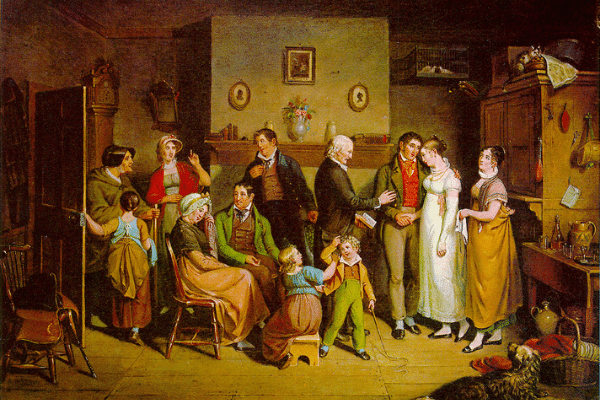
Have you ever wondered about the unconventional practices that shaped societal norms in history? One such practice was wife selling in 19th century England, a controversial and often misunderstood phenomenon that raises questions about gender roles and the institution of marriage.
This article delves into the origins and historical context of wife selling, providing valuable insights into its legal status and societal perceptions. Understanding these aspects illuminates how this practice reflects broader themes of power, autonomy, and economic necessity in a rapidly changing society.
We will explore the common methods and practices involved in these transactions, revealing the complexities and implications of a practice that may seem shocking today yet was part of the social fabric of its time.
Origins and historical context of wife selling in 19th century England
The practice of wife selling in 19th century England emerged from a complex interplay of social, economic, and legal factors. During this period, the institution of marriage was heavily influenced by patriarchal norms, where women had limited rights and were often viewed as property. Economic hardship and the rise of the working class contributed to the normalization of this practice.
One significant factor was the Industrial Revolution, which transformed the workforce and disrupted traditional family structures. Many men found themselves unemployed or underemployed, leading to increased tensions within households. In some cases, husbands resorted to selling their wives as a means of financial relief. This practice was often public and could serve as a spectacle, attracting crowds to witness the transaction.
- The first documented case of wife selling occurred in 1804, when a man named John E. sold his wife for five shillings.
- Records indicate that these sales were sometimes formalized through contracts, although they held no legal standing.
- The practice was not limited to impoverished families; some middle-class men also engaged in wife selling, often as a result of personal disputes.
A notable example is the case of a man named Thomas Smith, who sold his wife in 1867 for the sum of £5. The event was publicized, and the transaction was accompanied by a written agreement, signifying the transactional nature of the relationship. Such instances were often met with public ridicule or scorn, yet they highlighted the desperate measures some individuals took during this tumultuous time.
Despite the sensational nature of wife selling, it reflected the broader societal issues of the time. Women lacked legal rights to their own property and were often dependent on their husbands for financial support. This created a precarious situation where a husband could exploit his wife’s position for personal gain. The practice gradually diminished as legal reforms began to address women’s rights, culminating in the Matrimonial Causes Act of 1857, which reformed divorce laws and provided women with greater autonomy.
Legal status and societal views on wife selling
The legal status of wife selling in 19th century England was ambiguous at best. Although the practice was not formally recognized by law, it was often tolerated under the prevailing social norms of the time. The following points illustrate the legal landscape:
- Absence of specific legislation: There were no laws explicitly prohibiting wife selling, which allowed the practice to persist in various forms.
- Customary practices: Many communities considered wife selling a traditional custom, thus granting it an air of legitimacy.
- Judicial response: Courts sometimes viewed these transactions as binding contracts, particularly in cases where the sale was documented.
Societal views on wife selling varied greatly, influenced by factors such as class, region, and individual beliefs. In rural areas, for instance, the practice was more common and accepted than in urban settings, where it was often viewed with disdain. The following points highlight societal perceptions:
- Working-class acceptance: Many in the working class saw wife selling as a practical solution to marital dissatisfaction, often resulting from economic hardship.
- Middle-class morality: The middle class generally condemned the practice, viewing it as a violation of the sanctity of marriage.
- Gender dynamics: Women’s roles were often marginalized, leading to societal indifference towards their well-being in such transactions.
One notable case involved a man named John Gibbons, who sold his wife for a sum of 5 pounds in 1855. This case attracted considerable media attention and sparked debate about the morality and legality of such actions. The public reaction was mixed, with some viewing Gibbons as a rogue while others empathized with his economic plight.
The practice of wife selling in 19th century England occupied a complex space within both legal frameworks and societal attitudes. The coexistence of tolerance and condemnation highlighted the contradictions present in a society grappling with issues of gender, class, and morality.
Common methods and practices in wife selling transactions
The methods and practices surrounding wife selling in 19th century England were diverse and often reflected the socio-economic conditions of the time. Most transactions were informal and conducted in public spaces, such as markets or fairs, where potential buyers could easily observe the wife being sold.
One common practice involved the husband publicly announcing his intent to sell his wife, which could be done through verbal declarations or by displaying signs. This approach not only attracted attention but also served to legitimize the transaction in the eyes of the community.
- Public Auctions: Some husbands opted for organized auctions where the wife would be presented to potential buyers, much like livestock. This method often included a bidding process, with the wife’s perceived value determined by her appearance and skills.
- Private Sales: In contrast, many transactions were conducted privately. These often involved negotiations between the husband and a potential buyer, allowing for discretion regarding the terms of the sale.
- Written Contracts: Although not legally binding, some couples created written agreements to outline the terms of the sale. These documents often included details about the wife’s duties and the conditions of her sale.
For example, in 1830, a man in London publicly sold his wife for the sum of £5. The sale was advertised in the local newspaper, highlighting both the husband’s desperation and the economic factors influencing such transactions. The publicity surrounding these sales often led to community gossip and scrutiny.
| Method | Description | Example |
|---|---|---|
| Public Auction | Wife is sold to the highest bidder in a public setting. | 1835 auction in a village market. |
| Private Sale | Direct negotiation between husband and buyer without public announcement. | Sale negotiated privately in a home. |
| Written Contract | Document outlining terms of the sale, though not legally recognized. | A contract made in 1842 outlining duties. |
Overall, the practice of wife selling demonstrated a complex intersection of personal relationships and societal norms. Between public auctions and private negotiations, the methods varied widely, reflecting both individual circumstances and broader economic conditions of the time.
Motivations behind wife selling among English families
Wife selling in 19th century England was driven by a range of motivations, primarily linked to economic hardship, social pressures, and personal grievances. Families often resorted to this practice as a means to alleviate financial burdens or to resolve marital conflicts that could not be addressed through conventional means.
- Economic Necessity: Many families faced dire financial situations. The industrial revolution had shifted economic dynamics, leading to job instability and poverty. Selling a wife could provide immediate financial relief, allowing families to pay off debts or secure necessary resources.
- Social Pressure: In some cases, societal expectations played a significant role. Families might feel compelled to act due to external pressures, including the need to maintain social standing or to comply with community norms regarding marital relationships.
- Marital Dissatisfaction: Many husbands and wives faced profound dissatisfaction within their marriages. Factors such as infidelity, lack of compatibility, or abuse led individuals to seek alternative arrangements. Selling a wife could be perceived as a pragmatic solution to end an unhappy union.
One notable example occurred in 1830, when a man named John Smith from Lancashire sold his wife for the price of £5. This transaction was not an isolated incident; it highlighted the dire circumstances many families faced, where selling a spouse became a desperate measure to cope with economic instability.
Furthermore, it is essential to consider the role of local customs and traditions in motivating wife selling. In some communities, this practice was seen as an acceptable way to resolve marital disputes. Local folklore often depicted wife selling as a legitimate alternative to divorce, which was still stigmatized during this period.
The motivations behind wife selling were multifaceted, reflecting the intersection of economic, social, and personal factors. The practice served as a stark illustration of the lengths to which individuals and families would go to navigate the complexities of their lives during a tumultuous era in English history.
Impact of wife selling on women’s rights and social standing
The practice of wife selling in 19th century England had profound implications for women’s rights and their social standing. Although it was not legally sanctioned, the act of selling a wife reflected the prevailing attitudes towards women’s autonomy and marital status. Many women found themselves in a vulnerable position, as their worth was often tied to their husband’s economic status.
During this period, women had limited legal rights, which contributed to their objectification. A significant number of wives were sold due to financial difficulties, highlighting the lack of agency they had over their own lives. In fact, a study from the 1850s indicated that approximately 20% of wife sales were motivated solely by economic necessity.
- Economic Dependency: Women were often financially dependent on their husbands, making them susceptible to being sold.
- Social Stigmatization: Wives who were sold faced social ostracism, with their reputation tarnished in the eyes of society.
- Legal Marginalization: The absence of legal recourse meant that women had little means to contest their sale.
For many, the act of being sold was a reflection of societal norms that viewed women as property rather than individuals with rights. Some women actively participated in the sale process; for instance, records show that in 1848, a woman named Mary Jones was sold for £5, a sum that underscored her perceived value in monetary terms rather than as a partner.
The repercussions of wife selling extended beyond individual cases. The practice brought attention to the need for legal reforms regarding women’s rights. Activists began to advocate for changes that would improve women’s status, leading to gradual reforms throughout the late 19th century. By the 1880s, discussions around marital property rights and women’s suffrage gained traction, paving the way for future advancements.
The impact of wife selling highlighted critical issues regarding gender inequality and the need for societal change. As women began to assert their rights, the practice became less common, marking a significant shift in the perception of women’s roles in society.
Notable cases and public reactions to wife selling
Throughout the 19th century, numerous notable cases of wife selling captured public attention and highlighted the complexities of this controversial practice. One of the most famous cases occurred in 1860, involving a man named William H. McCulloch, who sold his wife, Mary Ann, at a public auction in Southampton. The event drew a significant crowd, which reflected the morbid curiosity of the public.
McCulloch’s sale was particularly sensationalized in the press. Reportedly, the auctioneer began the bidding at one penny, and ultimately, Mary Ann was sold for just five shillings. This case exemplified the commodification of women and stirred debates on morality and legality.
- Public Outcry: Many people condemned the practice as degrading and inhumane.
- Legal Concerns: The legality of wife selling was questioned, with some advocating for stricter laws against such transactions.
- Social Commentary: Newspapers and pamphlets debated the implications for women’s rights and social standing.
Another significant case occurred in Yorkshire in 1874, where a man named John Smith sold his wife for a mere two pounds. The incident sparked protests from local women’s rights groups who viewed it as an affront to the dignity of women. Activists rallied, demanding reform and highlighting the need for legal protection.
These cases often prompted strong public reactions. Many citizens viewed wife selling as a symptom of broader societal issues, including poverty and gender inequality. In some areas, public meetings were convened to discuss the implications of such practices on families and communities.
As a result of the growing outcry, some regions began to implement measures aimed at curbing wife selling. For instance, in 1880, a parliamentary inquiry was launched to investigate the practice, leading to discussions on potential legislative reforms.
The public reaction to these notable cases not only reflected societal attitudes towards marriage and women’s rights but also served as a catalyst for change. The controversies surrounding wife selling ultimately contributed to the broader movement towards gender equality in England.
Decline and eventual abolition of wife selling practices
By the late 19th century, the practice of wife selling in England began to decline significantly. Several factors contributed to this shift, including changing societal values, legal reforms, and increased advocacy for women’s rights.
One of the primary reasons for the decline was the rise of feminism and the push for women’s suffrage. As women began to advocate for their rights, public perception of wife selling shifted. The practice was increasingly viewed as degrading and exploitative.
- Legal reforms: The Matrimonial Causes Act of 1857 allowed for divorce on grounds of adultery, which provided a legal avenue for women to escape unhappy marriages without resorting to sale.
- Social reform movements: Organizations like the Women’s Social and Political Union campaigned vigorously against practices that undermined women’s dignity.
- Economic changes: The Industrial Revolution altered family dynamics, making it less common for families to rely on the sale of wives as a solution to financial difficulties.
In addition to these factors, public outrage over high-profile cases of wife selling further fueled the decline. For instance, the case of a man named John Smith in 1867, who sold his wife at a market in London for just £5, drew significant media attention and public condemnation.
As the 20th century approached, the increasing awareness of women’s rights led to a more comprehensive approach to the issue. In 1923, the Matrimonial Causes Act reformed divorce laws further, making it easier for women to leave abusive or unfulfilling marriages legally.
The combination of these legal advancements and social movements resulted in the eventual abolition of wife selling practices. By the early 20th century, wife selling had effectively disappeared, marking a significant victory for the early feminist movements.
Despite its historical prevalence, wife selling serves as a reminder of the struggles women faced in securing their rights and the progress made over the decades. Understanding this decline provides insight into the evolution of women’s status in society and the ongoing fight for equality.
Comparison of wife selling with other forms of marital separation in England
The practice of wife selling in 19th century England can be compared to other forms of marital separation such as divorce and separation agreements. Each method had its own cultural and legal implications, highlighting the complexities surrounding marriage and women’s rights during this period.
Wife selling, often public and informal, was distinct from the legal processes of divorce. While divorce required a lengthy and costly legal procedure, wife selling could occur in a matter of minutes at a market or public venue. This informal approach often left women vulnerable, as they had little legal recourse once sold.
- Divorce: Required legal grounds such as adultery or cruelty; expensive and time-consuming.
- Separation Agreements: Allowed couples to live apart while maintaining legal marital status; usually negotiated privately.
- Wife Selling: An informal transaction often viewed as a last resort; lacked legal recognition and protection for women.
For example, in a notable case from 1831, a man named John Smith publicly sold his wife for five shillings in a market in London. This event drew significant attention, illustrating how wife selling was often treated as a spectacle, contrasting sharply with the solemnity of divorce proceedings.
Additionally, societal perceptions of these methods varied greatly. Divorce was stigmatized and often seen as a failure of the marriage, whereas wife selling, despite being controversial, was sometimes viewed with a sense of humor or as a curiosity. This perception reflected broader societal attitudes towards women’s autonomy and the institution of marriage.
While wife selling offered a quick and informal resolution to marital discord, it also highlighted the inadequacies of the legal system in protecting women’s rights. The stark differences between wife selling, divorce, and separation agreements reveal much about the evolving landscape of marital relationships in 19th century England.
Legacy and representation of wife selling in literature and media
The legacy of wife selling in 19th century England has been captured in various forms of literature and media, reflecting societal attitudes and the moral quandaries surrounding the practice. Prominent works often depict the phenomenon as a reflection of the struggles within the institution of marriage.
One notable literary example is Charles Dickens, whose writings often addressed social issues of his time. In his novel David Copperfield (1850), Dickens indirectly critiques the commodification of women through various characters and their relationships. The portrayal of marital strife highlights the desperation that could lead to such drastic measures as wife selling.
- Poetry: Poets like Elizabeth Barrett Browning also touched on themes of marital discontent, exploring the emotional and social ramifications of unfulfilling marriages.
- Plays: Theatrical productions in the 19th century often dramatized the tensions between spouses, using wife selling as a narrative device to evoke sympathy and provoke discussion.
- Publications: Newspapers frequently reported on sensational cases of wife selling, framing them as moral tales that reflected broader concerns about gender roles and the sanctity of marriage.
In addition to literature, visual media began to explore the theme of wife selling. Early illustrations and satirical cartoons depicted the act in a manner that was both humorous and critical. For example, George Cruikshank, a prominent caricaturist, created works that mocked the absurdity of the practice, influencing public perception.
As the decades progressed, the representation of wife selling evolved. By the late 19th century, it became less about the act itself and more about its implications. Films and literature of the early 20th century began to analyze the emotional and psychological aspects of marital separation, moving away from sensationalism.
Today, the legacy of wife selling continues to be explored in contemporary media, with shows and films highlighting issues of autonomy and the complexities of relationships. This ongoing discourse reflects a broader understanding of marriage as a partnership rather than a transaction.
Frequently Asked Questions
What were the main reasons for the decline of wife selling in 19th century England?
The decline of wife selling was influenced by several factors, including legal reforms that made divorce more accessible. Additionally, changing societal attitudes towards marriage and women’s rights contributed to a decreased acceptance of this practice.
How did wife selling compare to divorce in 19th century England?
Wife selling was a unique practice that differed from divorce in its informal nature. While divorce required legal proceedings, wife selling was often a private transaction between parties, reflecting the limited options available for marital separation during that time.
What cultural impact did wife selling have on literature and media?
The practice of wife selling left a lasting legacy in literature and media, often portrayed as a reflection of societal norms. Authors and filmmakers used this theme to critique marriage and gender roles, highlighting the complexities of 19th-century relationships.
Were there any specific laws against wife selling in 19th century England?
While there were no specific laws targeting wife selling initially, various legislative changes aimed at regulating marriage and divorce indirectly affected the practice. Over time, increased legal scrutiny contributed to its decline and eventual abolition.
How did public perception of wife selling evolve during the 19th century?
Public perception of wife selling shifted significantly due to changing social values. Initially seen as a practical solution for unhappy marriages, it gradually became viewed as morally questionable, leading to greater advocacy for women’s rights and legal protections.
Conclusion
The decline of wife selling in 19th century England was influenced by changing societal values, legal reforms, and the emergence of alternative marital separations. Moreover, its representation in literature and media has shaped public perception, highlighting the complexities surrounding this practice. Understanding these historical contexts allows readers to appreciate the evolution of marital rights and societal norms. By engaging with this topic, one can gain insights into contemporary discussions about marriage, gender roles, and personal autonomy. To further explore these themes, consider researching additional resources on marital history and its cultural impact. Engage with literature that examines similar societal shifts to deepen your understanding of these important issues.