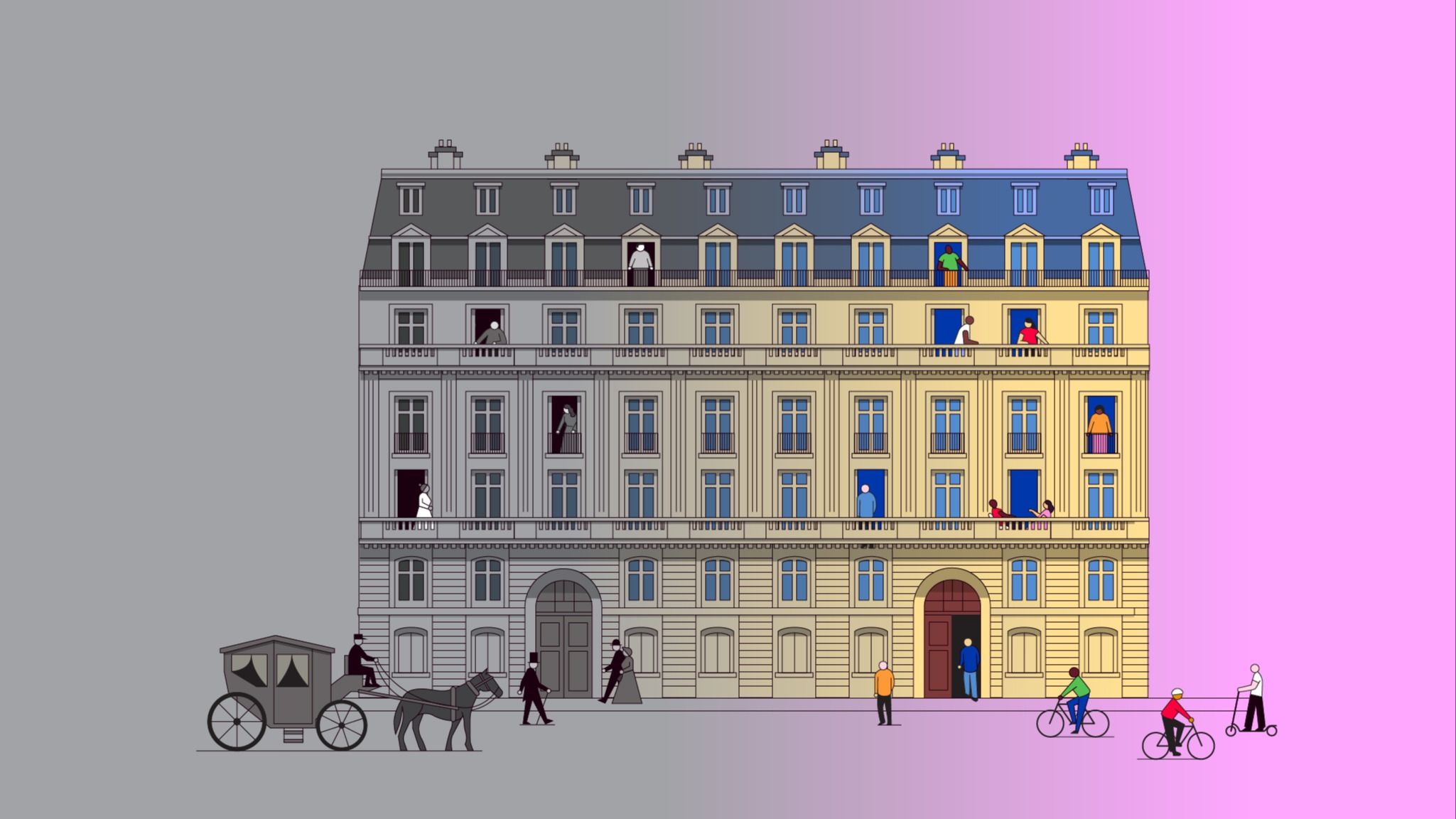
Have you ever considered how rapid urban growth transformed American cities in the 19th century? This period marked a significant shift in migration patterns and industrialization, reshaping the urban landscape in unprecedented ways.
In this article, you will discover the intricate relationship between industrialization and city development, as well as the innovations in transportation that played a crucial role in defining urban life. Understanding these dynamics is essential for grasping the complexities of modern American cities.
We will explore key themes, including the impact of migration on urban centers, the effects of industrial progress, and how transportation advancements facilitated this transformation.
Urban growth and migration patterns
The 19th century witnessed significant urban growth in American cities, largely driven by migration patterns that reshaped the demographic landscape. As industrialization took hold, cities became magnets for both domestic and international migrants seeking job opportunities and a better quality of life.
During this period, cities like New York, Chicago, and Philadelphia experienced explosive population growth. For instance, New York’s population soared from approximately 60,000 in 1800 to over 1.5 million by 1900. This growth was fueled by waves of immigrants, particularly from Europe, including the Irish fleeing famine and Germans escaping political unrest.
- New York City: Became the largest city in the U.S. and a primary entry point for immigrants.
- Chicago: Grew rapidly due to the meatpacking industry and the expansion of the railroad system.
- San Francisco: Expanded dramatically during the Gold Rush, attracting thousands seeking fortune.
As cities expanded, they began to adopt unique characteristics influenced by their immigrant populations. For example, neighborhoods like Little Italy and Chinatown emerged in various cities, showcasing the cultural diversity brought by migration. By 1850, nearly one in four residents of major cities were foreign-born, highlighting the profound impact of migration.
Moreover, the rural-to-urban migration trend became pronounced as agricultural advancements reduced the need for labor on farms. The promise of factory jobs lured many to urban centers. By the late 19th century, cities like Detroit became synonymous with manufacturing, attracting workers from various backgrounds, thus diversifying their labor forces.
The urban growth experienced in the 19th century was not merely a reflection of industrial advancements but also a complex interplay of migration patterns that transformed the American urban landscape. These patterns established the foundation for the modern cities we recognize today.
Industrialization and its impact on city development
The rise of industrialization in the 19th century profoundly influenced the development of American cities. As factories emerged, they attracted a massive workforce, leading to rapid urbanization. By 1880, approximately 50% of the U.S. population lived in urban areas, a significant increase from just 20% in 1800.
One of the key features of industrialization was the establishment of industries in urban centers, which resulted in:
- Job creation: Factories needed laborers, drawing people from rural areas and immigrants from overseas.
- Infrastructure development: Cities expanded to accommodate factories, leading to improvements in roads, railways, and public transport.
- Residential changes: Workers often lived in close proximity to their workplaces, leading to the construction of tenements and crowded living conditions.
For example, cities like Chicago and Detroit transformed into industrial hubs during this period. Chicago, known for its meatpacking and manufacturing industries, saw its population skyrocket from about 30,000 in 1850 to over 1.1 million by 1900. Similarly, Detroit became synonymous with the automobile industry, attracting thousands of workers and their families.
The impact of industrialization also extended to social dynamics. The influx of diverse populations led to the emergence of various cultural communities, each contributing to the unique tapestry of urban life. However, this growth was not without challenges:
- Poor living conditions: Overcrowding in urban areas resulted in inadequate sanitation and health issues.
- Labor unrest: The demand for fair wages and safer working conditions led to strikes and the rise of labor unions.
- Environmental concerns: Industrial pollution began to take a toll on urban environments, affecting air and water quality.
Overall, industrialization was a double-edged sword for American cities. While it spurred economic growth and urban expansion, it also introduced significant social and environmental challenges that would shape the future of urban development.
Transportation innovations shaping American cities
The 19th century marked a period of transformative transportation innovations that significantly reshaped American cities. The development of new transportation systems not only facilitated movement but also influenced the spatial organization and economic growth of urban areas.
One of the most notable innovations was the expansion of the railroads. By 1860, the United States had over 30,000 miles of railroad track, connecting major cities and facilitating the rapid transport of goods and people. This network allowed cities like Chicago and New York to thrive as commercial hubs, attracting both businesses and migrants.
- Steam Locomotives: Revolutionized long-distance travel and freight movement.
- Horse-drawn Carriages: Provided essential urban transport before the advent of electric streetcars.
- Canals: Enabled transportation of bulk goods, with the Erie Canal being a prime example, completed in 1825.
Another major advancement was the introduction of streetcars in the 1880s. The first electric streetcar system began operating in Richmond, Virginia, in 1888, allowing residents to commute easily across urban areas. This innovation not only expanded the geographical reach of cities but also contributed to the development of suburbs as people sought affordable housing outside city centers.
| Transportation Innovation | Year Introduced | Impact |
|---|---|---|
| Steam Locomotives | 1830s | Facilitated long-distance trade and migration. |
| Erie Canal | 1825 | Boosted trade in the northeastern U.S. |
| Electric Streetcars | 1888 | Expanded urban areas and suburbs. |
In addition to railroads and streetcars, innovations in road construction also played a crucial role. The introduction of macadamized roads in the early 19th century improved the quality of transportation, enabling more efficient movement of goods and services. This paved the way for the growth of automobiles in the late century, which would eventually transform urban landscapes in the 20th century.
Housing and living conditions in the 19th century
The 19th century was a period of profound change in American housing and living conditions, reflecting the rapid urbanization and industrialization of the time. As cities expanded, the demand for housing surged, leading to various responses in architecture and urban planning.
In urban areas, particularly in cities like New York and Chicago, a significant number of residents lived in multifamily tenements. These buildings were often overcrowded, with multiple families sharing a single unit. For instance, by the late 1800s, it was common for tenements to house up to 20 people in a space designed for a much smaller number.
- Tenements: Typically five to six stories high, these buildings often lacked basic amenities.
- Row houses: Common in cities, these connected houses provided a more affordable option for families.
- Suburban expansion: As transportation improved, wealthier families began moving to suburbs, leading to the development of single-family homes.
Living conditions in these urban environments were often harsh. Many neighborhoods lacked proper sanitation, leading to unsanitary living conditions. For example, the Great New York City Fire of 1835 highlighted the dangers of overcrowded living conditions and poor fire safety standards. In response, cities began implementing regulations to improve housing standards.
By the 1870s, reform movements began advocating for better housing conditions. Groups like the New York Tenement House Committee pushed for reforms that included better ventilation, sanitation, and fire safety measures. These efforts eventually led to the establishment of the Tenement House Act of 1901, which set minimum standards for housing.
Despite these challenges, immigrant communities often formed vibrant neighborhoods, contributing to the cultural tapestry of cities. For instance, areas like Little Italy and Chinatown in New York City provided cultural support systems, allowing immigrants to maintain their traditions while adapting to urban life.
The role of immigration in urban expansion
The 19th century witnessed a significant influx of immigrants to the United States, profoundly impacting urban expansion. Between 1820 and 1860, over 4 million immigrants arrived, driven by factors such as economic opportunities and political unrest in their home countries. Cities such as New York, Chicago, and Philadelphia became major destinations, transforming their demographics and urban landscapes.
Immigrants contributed to the labor force, particularly in industries and construction. By 1880, nearly 40% of the workforce in manufacturing sectors were foreign-born. This influx allowed cities to expand rapidly, as the growing population created a demand for housing, services, and infrastructure.
- Irish immigrants were predominant in cities like Boston and New York, often taking low-wage jobs in factories and on construction sites.
- German immigrants settled in the Midwest, contributing to agricultural growth and establishing vibrant communities.
- Italian and Eastern European Jews flocked to urban centers, enhancing the cultural diversity and economic vitality of cities.
The establishment of ethnic neighborhoods became a hallmark of urban life. Areas such as Little Italy and Chinatown not only provided cultural familiarity for immigrants but also helped to sustain businesses and social networks. For instance, by the late 1800s, New York’s Lower East Side was home to over 700,000 immigrants, showcasing the bustling life and economic activity driven by these communities.
Furthermore, immigration policies began to shift towards the end of the century. The Chinese Exclusion Act of 1882 exemplified the growing nativism and backlash against immigrants. This act prohibited Chinese laborers from entering the United States, reflecting the tensions between native-born citizens and the ever-growing immigrant population.
Overall, immigration was a critical factor in the urban expansion of 19th-century America. It not only fueled economic growth but also shaped the cultural and social fabric of cities, leading to the diverse metropolises that are characteristic of the United States today.
Public health challenges in growing cities
The rapid urbanization and population growth in 19th century American cities brought about significant public health challenges. As cities expanded, inadequate infrastructure and poor sanitation became pressing issues. Diseases such as cholera, typhoid fever, and tuberculosis spread rapidly, exacerbated by overcrowded living conditions.
One notable example occurred during the cholera outbreak of 1849 in cities like New York and Philadelphia, where thousands perished. In New York alone, approximately 5,000 people died from cholera that year. The lack of clean drinking water and proper waste disposal contributed to this health crisis.
- Poor sanitation: Many urban areas lacked sewage systems, leading to waste accumulation in the streets.
- Overcrowding: Tenements housed multiple families in cramped conditions, facilitating the spread of diseases.
- Limited medical knowledge: The understanding of disease transmission was rudimentary, often attributing outbreaks to “miasma” or bad air.
In response to these challenges, various public health initiatives were established. For instance, the establishment of the Metropolitan Board of Health in 1866 in New York aimed to address sanitation issues. This board conducted inspections and promoted the construction of proper sewer systems, significantly improving public health standards.
Another notable effort was the Sanitary Commission, formed during the Civil War to address the health of soldiers. This commission later influenced urban public health policies, emphasizing the need for clean environments to prevent disease outbreaks. By the late 19th century, cities began to adopt more progressive health policies, including the regulation of food safety and the establishment of hospitals.
Despite these advancements, public health remained a persistent challenge throughout the century. For example, the Great Chicago Fire of 1871 destroyed much of the city, but it also prompted a significant overhaul of urban planning and public health measures in its aftermath. This event highlighted the critical need for proper infrastructure to protect public health in rapidly growing urban areas.
Economic activities driving city economies
The 19th century was marked by rapid industrial growth, which transformed the economic landscape of American cities. Various sectors emerged as pivotal in driving urban economies, contributing to both prosperity and challenges. The following economic activities played significant roles:
- Manufacturing: Cities became hubs for manufacturing industries, particularly textiles, machinery, and ironworks. By 1860, over 200,000 textile workers were employed in New England alone, reflecting the sector’s rapid expansion.
- Transportation: The rise of railroads and canals facilitated trade and movement. The completion of the Erie Canal in 1825 reduced transportation costs dramatically, linking the Great Lakes to New York City and boosting commerce.
- Trade and Commerce: Port cities like New York and New Orleans flourished as centers for trade. By the mid-19th century, New York was the largest port in the U.S., handling over 60% of the nation’s imports and exports.
These economic activities not only stimulated job creation but also attracted a diverse population to urban areas. For instance, the manufacturing sector attracted migrants from rural areas and immigrants seeking employment opportunities. This influx of labor contributed to a dynamic workforce, essential for city economies.
In addition to manufacturing and trade, the following sectors also emerged as vital components of urban economies:
- Finance: The establishment of banks and financial institutions in cities, such as the Bank of the United States, provided capital for businesses and infrastructure projects, fueling further growth.
- Services: The growth of urban populations led to increased demand for services, including retail, healthcare, and education. Cities began to develop specialized markets and institutions to cater to these needs.
- Agriculture: Despite urbanization, agriculture remained crucial, especially in supplying cities with food. Urban markets thrived on produce from surrounding areas, fostering a relationship between urban and rural economies.
Overall, the economic activities in 19th century American cities were diverse and interlinked, creating a complex web of dependencies. This economic transformation laid the foundation for the modern urban landscape, shaping not only the cities but also the lives of countless individuals.
Social and cultural life in 19th century urban centers
The 19th century was a transformative period for American cities, as rapid population growth and industrialization fostered vibrant social and cultural landscapes. Urban centers became hubs for diverse communities, where traditions and lifestyles merged, reflecting the nation’s evolving identity.
One notable aspect of social life was the emergence of various cultural institutions. Theaters, opera houses, and museums flourished in cities like New York, Boston, and Chicago. For example, the New York Academy of Music opened its doors in 1854, becoming a premier venue for opera and ballet.
- Theaters: By 1880, New York City boasted over 50 theaters.
- Museums: The Metropolitan Museum of Art was founded in 1870, showcasing American and European art.
- Libraries: The Boston Public Library, established in 1848, was the first free municipal library in the U.S.
Religious institutions also played a critical role in shaping community life. Churches and synagogues became focal points for social gatherings, providing services, education, and support to immigrant populations. The growth of denominations such as the Catholic Church mirrored the influx of Irish immigrants, with significant structures like St. Patrick’s Cathedral in New York City completed in 1878.
Social organizations flourished in urban areas, with clubs and societies catering to various interests. For instance, the Young Men’s Christian Association (YMCA) was founded in Boston in 1851, promoting fitness and community service. Labor unions also began to form during this time, advocating for workers’ rights and better conditions in factories.
Festivals and parades became common, celebrating cultural heritage and fostering community spirit. Events like the St. Patrick’s Day Parade in New York City, which began in 1762, grew significantly in the 19th century, reflecting the pride of Irish immigrants in their heritage.
The social and cultural life of 19th century urban centers was characterized by diversity, community engagement, and the establishment of institutions that reflected the changing dynamics of American society. This vibrant culture laid the groundwork for future urban development and cultural expression.
City planning and infrastructure advancements
The 19th century witnessed remarkable advancements in city planning and infrastructure as urbanization accelerated. Cities like New York and Chicago implemented systematic approaches to manage their growing populations and the corresponding challenges. Innovations in transportation, sanitation, and urban design played crucial roles in shaping modern American cities.
One of the primary focuses was on transportation. The introduction of streetcars in the 1850s revolutionized urban mobility. Cities began to expand outward, allowing residents to commute from suburbs to urban centers. By the end of the century, cities like San Francisco had developed extensive streetcar networks, significantly improving accessibility.
- Road construction: The development of paved roads enhanced travel efficiency and safety.
- Bridges: Iconic structures, such as the Brooklyn Bridge (completed in 1883), connected neighborhoods and facilitated trade.
- Railroads: The expansion of rail networks allowed goods and people to move quickly across vast distances.
Alongside transportation improvements, urban planning started to prioritize sanitation and public health. In response to frequent outbreaks of diseases like cholera, cities established comprehensive sanitation systems. New York City, for example, implemented a modern sewer system in the late 1800s, significantly reducing waterborne illnesses. These advancements not only improved living conditions but also laid the groundwork for future urban planning efforts.
Moreover, the concept of zoning emerged during this period. Cities began to designate specific areas for residential, commercial, and industrial use. This helped to reduce congestion and conflicts between different land uses. For instance, Chicago adopted a zoning ordinance in 1923, influenced by earlier 19th-century planning principles.
As urban areas continued to grow, the need for green spaces became apparent. City planners recognized the importance of parks and recreational areas for public well-being. The design of Central Park in New York City, completed in 1858, served as a model for future urban parks, providing residents with a natural respite from the bustling city life.
Frequently Asked Questions
What were the main economic activities in 19th century American cities?
The primary economic activities included manufacturing, trade, and transportation. Cities became hubs for industries like textiles, steel, and railroads, significantly contributing to urban economies and attracting a workforce from rural areas and immigrants seeking better opportunities.
How did social life change in urban centers during the 19th century?
Social life in 19th century cities evolved due to population growth and industrialization. Urban centers saw the rise of diverse cultural institutions, entertainment venues, and social clubs, which fostered community engagement and reflected the melting pot of different immigrant cultures.
What advancements were made in city planning during the 19th century?
City planning saw significant advancements, including the implementation of grid systems, parks, and public transportation. These developments aimed to accommodate the growing population, improve living conditions, and enhance overall urban infrastructure, especially in major cities like Chicago and New York.
Where can I find historical data on 19th century American cities?
Historical data can be accessed through various resources, including:
- Local and national archives
- University libraries
- Online databases and digital collections
These sources provide valuable insights into demographics, economic conditions, and urban development during this transformative period.
What impact did immigration have on 19th century American cities?
Immigration significantly influenced urban growth, introducing a diverse workforce that fueled industrial expansion. Immigrants contributed to cultural vibrancy, shaping the social fabric of cities while also facing challenges such as housing shortages and labor disputes, which impacted urban dynamics.
Conclusion
The 19th century saw profound transformations in American cities, driven by rapid industrial growth, vibrant social and cultural life, and significant advancements in city planning and infrastructure. These elements collectively shaped urban environments that laid the foundation for modern urbanization. By understanding these historical dynamics, readers can appreciate the complexities of urban development and apply lessons learned to contemporary city planning and economic strategies. This knowledge can enhance urban sustainability and social cohesion in today’s cities. To further explore the impact of 19th-century developments on modern urban life, consider researching local historical resources or engaging with community planning initiatives. Your involvement can contribute to shaping the future of urban spaces.