Have you ever wondered how the rapid economic transformations of the 19th century shaped American society? This era was marked by significant changes that not only affected industries but also redefined social hierarchies and the roles of women. Understanding these dynamics is essential for grasping the complexities of modern American culture.
This article will delve into the profound impacts of industrialization, the emergence of class distinctions, and the evolving role of women during this pivotal century. By exploring these themes, readers will gain valuable insights into the factors that influenced the development of contemporary American society.
Key topics will include the rise of factories, the structure of social classes, and the contributions of women to both family and work life. Each aspect played a crucial role in the fabric of 19th-century America.
Economic transformations and industrialization
The 19th century marked a significant period of economic transformation in American society, driven largely by industrialization. The shift from agrarian economies to industrial powerhouses was evident in cities like Manchester, Massachusetts, which became known for its textile mills. By the mid-1800s, the United States saw a substantial increase in manufacturing output, with the value of goods produced tripling between 1840 and 1860.
- Textiles: The textile industry was one of the first to industrialize, with Francis Cabot Lowell establishing the first American factory system in 1814.
- Transportation: The construction of canals, railroads, and roads facilitated trade. The Erie Canal, completed in 1825, significantly reduced transportation costs.
- Mechanization: Innovations such as the cotton gin, invented by Eli Whitney in 1793, increased productivity and transformed agricultural practices.
As industrialization progressed, the workforce began to shift from rural areas to urban centers. The population of cities like New York and Chicago exploded, with immigrants providing labor for factories. In 1850, approximately 15% of Americans lived in urban areas; by 1900, that number had risen to 40%. This urban migration was driven by the promise of jobs and better living conditions.
However, the rapid pace of industrialization also led to significant social challenges. Workers faced long hours, low wages, and unsafe working conditions. For instance, the Lowell mills employed young women, known as “Lowell girls,” who worked 12 to 14 hours a day for meager pay. Labor movements began to emerge in response to these conditions, advocating for workers’ rights and better wages.
The economic transformations and industrialization of the 19th century reshaped American society in profound ways. This period not only laid the foundation for modern economic practices but also highlighted the tensions between progress and social equity. The legacy of these transformations continues to influence the United States today.
Social hierarchies and class distinctions
In the 19th century, American society was characterized by pronounced social hierarchies and class distinctions. As industrialization progressed, it created new social dynamics that stratified society into distinct classes, primarily based on economic status, occupation, and race.
The emergence of a capitalist economy led to the following key social classes:
- Upper Class: This group included wealthy industrialists, bankers, and landowners. By the late 1800s, families like the Rockefellers and Carnegies epitomized this class, amassing fortunes that significantly influenced politics and society.
- Middle Class: The middle class expanded during this period, comprising professionals such as doctors, lawyers, and educators. They were often engaged in clerical or managerial roles in burgeoning industries and valued education and homeownership.
- Working Class: Factory workers, miners, and laborers formed this group, facing long hours and low wages. By 1900, approximately 40% of the American workforce was employed in industry, representing a shift from agrarian labor.
- Lower Class: This class included the unemployed, the underemployed, and many immigrants who faced severe economic hardships. They often lived in overcrowded urban areas, struggling to meet basic needs.
Racial and ethnic distinctions further complicated social hierarchies. For instance, African Americans, particularly in the South, faced systemic oppression and were largely confined to the lower class due to laws enforcing segregation and limiting economic opportunities.
Additionally, women experienced societal constraints that defined their class standing. While some women from wealthy families engaged in social reform movements, most working-class women labored in factories or as domestic workers, earning significantly less than their male counterparts. By the late 19th century, approximately 25% of women were employed outside the home, often in low-paying jobs.
The stratification of society was also reflected in urban geography. Wealthy individuals often resided in exclusive neighborhoods, such as New York’s Fifth Avenue, while the working class occupied areas rife with poverty and inadequate living conditions. This physical separation reinforced class distinctions and limited social mobility.
Role of women in 19th century America
The role of women in 19th century America underwent significant changes, influenced by industrialization and social reform movements. Traditionally confined to domestic duties, women began to seek greater participation in public life. This period saw the emergence of the Women’s Rights Movement, which aimed to challenge societal norms and advocate for legal rights.
One of the pivotal moments in this movement was the Seneca Falls Convention in 1848, where activists like Elizabeth Cady Stanton and Lucretia Mott drafted the Declaration of Sentiments. This document outlined grievances and demanded equal rights for women, including the right to vote.
- Increased participation in education: By the mid-1800s, women began attending colleges, with institutions like Mount Holyoke College opening in 1837.
- Employment opportunities expanded: The Industrial Revolution created jobs in factories, allowing women to earn wages for the first time.
- Involvement in social reform: Women played crucial roles in movements such as abolitionism and temperance, using their voices to advocate for change.
By the late 19th century, women like Sojourner Truth and Harriet Tubman emerged as influential figures in advocating for both women’s rights and the abolition of slavery. Their efforts highlighted the interconnectedness of these struggles, emphasizing that the fight for equality was not limited to one group.
Despite these advancements, women still faced numerous challenges. Societal expectations often dictated that their primary role remained within the home. For instance, the cult of domesticity idealized women’s roles as devoted wives and mothers, which constrained their aspirations.
| Aspect | Traditional Role | Emerging Role (Mid-19th Century) |
|---|---|---|
| Education | Limited to basic literacy | Access to higher education |
| Employment | Household duties | Factory jobs and teaching |
| Political Participation | No voting rights | Advocacy for suffrage |
Overall, the 19th century was a transformative period for women in America. While traditional roles remained prevalent, the seeds of change were sown through activism, education, and employment opportunities, setting the stage for future advancements in women’s rights.
Impact of immigration on American society
The 19th century witnessed a profound impact of immigration on American society, shaping its cultural landscape and workforce. Between 1820 and 1860, over 4 million immigrants arrived in the United States, primarily from Ireland and Germany. This influx transformed cities and contributed to both economic growth and social challenges.
Irish immigrants, fleeing the Great Famine in the 1840s, settled primarily in urban areas, particularly in the Northeast. They often took low-paying jobs in factories and construction, forming a significant portion of the labor force. For instance, by 1850, Irish immigrants represented about 43% of the population in cities like Boston and New York.
- Economic Contributions: Immigrants provided essential labor for the burgeoning industrial economy.
- Cultural Influence: They enriched American culture through food, music, and traditions.
- Social Tensions: The rapid arrival of immigrants led to nativist sentiments and tensions, particularly against the Irish.
German immigrants also played a critical role during this period, arriving in large numbers due to political unrest and economic hardship. They brought with them skills in brewing, farming, and craftsmanship. By 1860, German Americans accounted for approximately 10% of the U.S. population, significantly influencing the Midwest, particularly in states like Wisconsin and Missouri.
To illustrate, the establishment of the Oktoberfest celebration in the 19th century is a testament to their cultural influence. This event not only showcased German traditions but also fostered community among immigrants and their descendants.
However, the influx of immigrants also led to social challenges. The rise of anti-immigrant movements, such as the Know-Nothing Party, reflected fears of job competition and cultural dilution. The party gained significant traction in the 1850s, advocating for restrictions on immigration and promoting nativist policies.
Immigration during the 19th century was a double-edged sword for American society. It fueled economic growth and cultural diversity while also giving rise to social tensions and conflicts. The legacy of this era continues to shape the United States today.
Urbanization and its challenges
During the 19th century, the United States experienced rapid urbanization, driven primarily by industrialization. By 1860, approximately 20% of the American population resided in urban areas, a significant increase from just 6% in 1800. Cities such as New York, Chicago, and Philadelphia saw their populations swell as people migrated in search of jobs and better opportunities.
This rapid growth brought about numerous challenges. One of the most pressing issues was overcrowding. As urban populations surged, housing became scarce and often substandard. Tenement buildings emerged, characterized by cramped living conditions, poor sanitation, and inadequate ventilation. For example, in New York City, a survey in 1890 revealed that over 60% of tenements lacked proper plumbing.
- Public Health Crisis: The concentration of people in urban areas led to outbreaks of diseases such as cholera and typhoid fever.
- Poverty and Crime: As job competition intensified, many individuals fell into poverty, leading to increased crime rates in urban neighborhoods.
- Infrastructure Strain: Cities struggled to keep up with the demand for essential services like water supply, waste disposal, and public transportation.
Moreover, the influx of immigrants exacerbated these challenges. Between 1820 and 1860, over 4 million immigrants arrived, primarily from Europe, seeking refuge from economic hardship and political unrest. Many settled in urban centers, further straining resources and services. This demographic shift contributed to social tensions, as native-born Americans often viewed immigrants with suspicion.
Despite its challenges, urbanization also spurred innovation and reform. The establishment of public health initiatives aimed to combat the spread of diseases, while labor movements began to advocate for workers’ rights and better living conditions. For example, the formation of organizations like the American Federation of Labor in 1886 marked a pivotal moment in the fight for workers’ rights in urban settings.
Education and literacy developments
During the 19th century, education and literacy in America underwent transformative changes, paralleling the nation’s economic and social developments. The period saw a growing recognition of the importance of education for all, which was reflected in the establishment of public school systems across various states.
In 1821, the first public high school in the United States, Boston English High School, was founded. This institution marked a significant shift towards formal secondary education, opening doors for many students who previously had limited access to schooling. By 1860, approximately 90% of white children in the Northeast attended school, highlighting the rapid expansion of educational opportunities.
- Horace Mann, a pioneer in the education reform movement, advocated for public education as a right for all children, regardless of their social class.
- The establishment of normal schools in the 1830s and 1840s helped train teachers, ensuring a more qualified workforce.
- By 1870, nearly half a million children attended public schools in the United States.
Literacy rates also saw significant improvements. In 1820, around 60% of white males and 40% of white females could read and write. By the end of the century, literacy rates had risen dramatically across all demographics, with over 90% of white males and nearly 80% of white females achieving literacy by 1900.
One notable case is that of Mary Lyon, who founded Mount Holyoke Female Seminary in 1837. This institution was one of the first to offer higher education to women, emphasizing the growing recognition of women’s educational rights. Lyon’s efforts contributed to a broader movement advocating for women’s access to education, which would lay the groundwork for future generations.
The introduction of public libraries in the latter half of the century further enhanced literacy and education accessibility. By 1900, more than 1,000 public libraries existed in the United States, allowing individuals of all ages and backgrounds to access books and educational resources.
Overall, the 19th century was a pivotal time for education and literacy in America, reflecting broader societal changes and laying the foundation for a more educated populace in the years to come.
Religious movements and their influence
The 19th century in America was marked by a surge of religious movements that significantly influenced society. These movements not only shaped individual beliefs but also addressed broader social issues. Key movements included:
- The Second Great Awakening: This religious revival, which began in the early 1800s, emphasized personal faith and piety. It sparked a wave of enthusiasm and led to the establishment of various denominations.
- Transcendentalism: Emerging in the 1830s, this philosophical movement encouraged individuals to seek spiritual truth through nature and personal intuition, challenging established religious norms.
- Social Gospel Movement: In the late 19th century, this movement sought to apply Christian ethics to social problems, emphasizing the need for social justice and reform.
One of the most significant impacts of these movements was the rise of abolitionism. Religious leaders and groups, inspired by their faith, actively campaigned against slavery. Notable figures included:
- Frederick Douglass: A former slave who became a leading abolitionist, Douglass used his religious beliefs to argue for the rights of African Americans.
- Sojourner Truth: An advocate for both abolition and women’s rights, Truth delivered powerful speeches that highlighted the moral imperative to end slavery.
Additionally, the 19th century saw the rise of various sects and new religious movements, including:
- The Mormons: Founded by Joseph Smith in the 1830s, this group faced persecution and migration, ultimately establishing Salt Lake City as a religious sanctuary.
- The Seventh-day Adventists: Emerging in the 1860s, this movement emphasized the imminent Second Coming of Christ and promoted health reform.
These religious movements collectively fostered a spirit of reform and activism. They inspired individuals to engage in social causes, including women’s suffrage and temperance. By the end of the century, religion had become a vital force in advocating for change and shaping American identity.
Slavery and the road to civil war
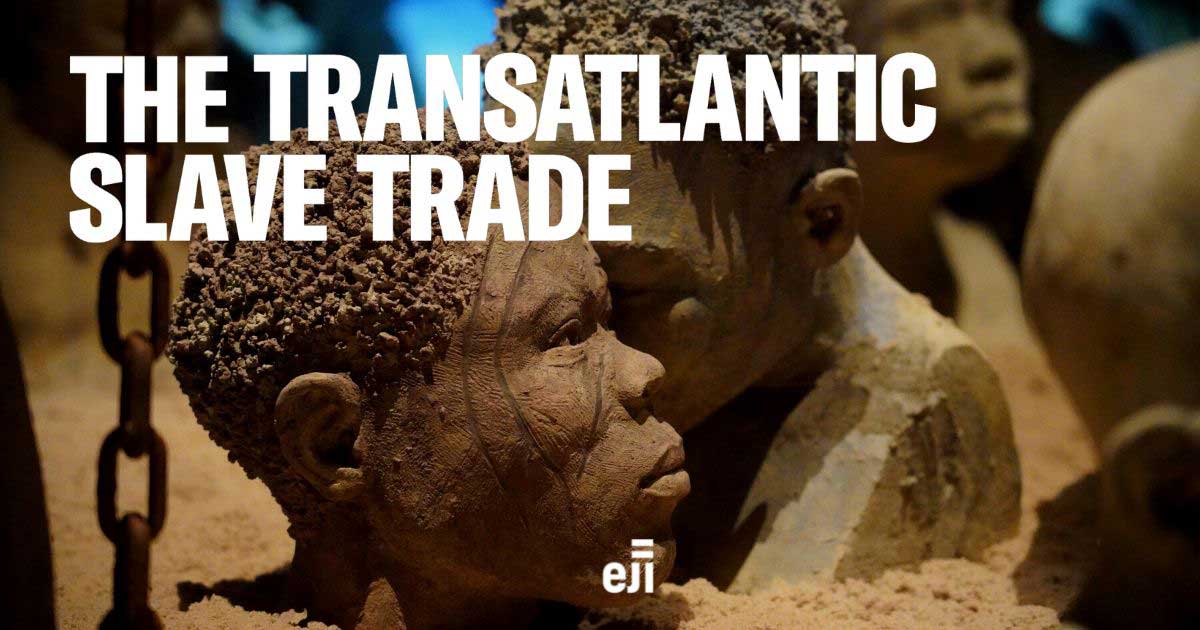
Throughout the 19th century, slavery became a contentious issue in American society, ultimately leading to the Civil War. By 1860, nearly 4 million enslaved individuals lived in the southern states, contributing significantly to the economy, particularly in cash crops like cotton and tobacco.
In contrast, the northern states had largely abolished slavery, creating a sharp divide. This disparity fueled tensions, culminating in significant legislative efforts, such as the Missouri Compromise of 1820 and the Compromise of 1850, aimed at maintaining a balance between free and slave states.
- Missouri Compromise (1820): Admitted Missouri as a slave state and Maine as a free state, establishing a boundary at the 36°30′ parallel.
- Compromise of 1850: Included the Fugitive Slave Act, which mandated that escaped slaves be returned to their owners.
- Kansas-Nebraska Act (1854): Allowed territories to decide on slavery through popular sovereignty, leading to violent conflicts known as “Bleeding Kansas.”
The rise of abolitionist movements further intensified the debate. Prominent figures like Frederick Douglass and Harriet Tubman emerged, advocating for the freedom of enslaved people and highlighting the moral issues surrounding slavery. The publication of Douglass’s autobiography in 1845 and the formation of the Underground Railroad were pivotal in raising awareness and support for abolition.
Moreover, the election of Abraham Lincoln in 1860, who opposed the expansion of slavery into the territories, prompted southern states to secede from the Union, leading to the formation of the Confederacy. By April 1861, the conflict escalated into the Civil War, fundamentally altering the nation.
The road to civil war was paved by deep-seated economic, social, and political divisions over slavery. These tensions ultimately culminated in a conflict that would reshape the United States, leading to the abolition of slavery and significant changes in American society.
Cultural expressions and popular entertainment
The 19th century witnessed a flourishing of cultural expressions and the emergence of various forms of popular entertainment in America. This period saw the rise of theater, music, and literature, reflecting the diverse experiences and aspirations of the American populace.
Theater became increasingly popular, with cities like New York and Philadelphia becoming cultural hubs. Notable performances included productions of Uncle Tom’s Cabin, which debuted in 1852 and highlighted the harsh realities of slavery, captivating audiences nationwide. The proliferation of theaters also provided a platform for emerging playwrights and actors.
- Minstrel Shows: These performances, which began in the early 1830s, combined music, comedy, and dance, often portraying caricatures of African American life. Notable figures included Thomas Dartmouth Rice, who popularized the character of Jim Crow.
- Circuses: The circus gained immense popularity, with PT Barnum leading the way. His circus, Barnum & Bailey, became known as “The Greatest Show on Earth,” captivating audiences with exotic acts and spectacles.
- Literary Movements: The period also saw the rise of literary movements such as Transcendentalism, with authors like Ralph Waldo Emerson and Henry David Thoreau promoting individualism and nature.
In addition to theater and literature, music played a significant role in American culture. The mid-19th century gave birth to various genres, including spirituals and minstrel music, which reflected the experiences of African Americans. The introduction of the banjo and the development of the American folk song tradition enriched the musical landscape.
The 1840s and 1850s also saw the establishment of public concerts, where renowned musicians such as Louis Moreau Gottschalk performed, bringing classical music to a broader audience. The popularity of brass bands surged, especially during the Civil War, as they played a vital role in boosting troop morale.
Overall, the cultural expressions and popular entertainment of the 19th century not only provided a means of leisure but also served as a reflection of societal values and struggles, shaping the American identity in significant ways.
Frequently Asked Questions
What were the major religious movements in 19th century America?
The 19th century saw significant religious movements such as Revivalism, which emphasized personal faith and piety, and the Second Great Awakening, which encouraged social reforms. These movements greatly influenced American culture and morality during this period.
How did slavery impact American society in the 19th century?
Slavery was a pivotal issue that shaped social, economic, and political dynamics. It created deep divisions within society, leading to conflicts that ultimately resulted in the Civil War. The debate over slavery also spurred various abolitionist movements.
What were popular forms of entertainment in the 19th century?
During the 19th century, entertainment flourished with the rise of vaudeville, minstrel shows, and literature such as novels and poetry. These cultural expressions reflected societal values and provided a means for individuals to escape daily life.
How did the 19th century influence modern American culture?
The 19th century laid the groundwork for modern American culture through its artistic expressions, social reforms, and religious movements. Many values, beliefs, and cultural norms established during this time continue to resonate in contemporary society.
What role did women play in 19th century social movements?
Women were central to many social movements, including abolition and women’s suffrage. They organized, rallied, and advocated for change, demonstrating leadership that would shape future generations. Their involvement was crucial in advancing social justice and equality.
Conclusion
The 19th century American society was profoundly shaped by significant religious movements, the contentious issue of slavery leading to the Civil War, and a vibrant cultural landscape characterized by diverse forms of entertainment. Each aspect played a crucial role in defining the nation’s identity. By understanding these historical influences, readers can gain insight into the complexities of modern American society. This knowledge fosters a deeper appreciation for cultural and social dynamics, enabling informed discussions about contemporary issues rooted in history. To further explore these themes, consider engaging with primary sources or attending local historical lectures. Delving into this rich past can enhance your understanding and connection to the present.