Have you ever wondered how fashion trends shaped the society of the 19th century? The hat makers of this era played a crucial role in defining personal style and social status through their creations. Understanding their impact offers insights into broader cultural shifts.
This article delves into the evolution of hat styles in the 19th century, exploring the key materials and techniques employed by skilled milliners. You will learn about the craftsmanship that made their hats not just accessories, but symbols of identity and class.
We will cover topics such as the transformation of hat designs, the materials that revolutionized millinery, and the intricate techniques that showcased the artistry of 19th-century hat makers.
The evolution of hat styles in the 19th century
The 19th century witnessed a remarkable transformation in hat styles, driven by social changes, technological advancements, and cultural influences. Initially, the early part of the century was dominated by elaborate designs, with hats often serving as a symbol of wealth and status. For instance, the top hat, introduced in the late 18th century, became a fashionable choice among the upper classes, symbolizing sophistication and elegance.
As the century progressed, practicality began to influence hat design. The introduction of the bowler hat in the 1840s marked a shift towards more functional styles. Designed for the working class, this hat offered durability and comfort, making it a popular choice for laborers and factory workers. By the 1860s, the bowler hat had transcended its origins, becoming a staple in both urban and rural settings.
- Top Hat: Popular among the elite, maintained its status throughout the century.
- Bowler Hat: Gained traction in the 1840s, representing the working class.
- Felt Hats: Became widely accessible, used for everyday wear.
- Bonnet: Dominated women’s fashion, particularly in rural areas.
In addition to these styles, the 19th century also saw the rise of the straw boater, especially during the summer months. This lightweight hat became fashionable among men and was often associated with leisure activities, such as boating and picnics. The boater’s simple design made it a favorite during social gatherings, showcasing a more relaxed approach to fashion.
Moreover, the mid to late 19th century introduced various regional styles, reflecting cultural diversity. For example, the cowboy hat emerged in the American West, becoming synonymous with cowboy culture and functionality. By the end of the century, hats were no longer merely fashion statements; they represented individual identity and social status across different cultures.
Key materials used by 19th century hat makers
The 19th century was a time of innovation and variety in the materials used for hat making. Hat makers utilized a range of substances, each contributing to the distinct styles and functionality of hats. Understanding these materials offers insight into the craftsmanship and fashion trends of the era.
One of the primary materials used was wool felt. This fabric was favored for its warmth and durability, making it ideal for various hat styles, including top hats and fedoras. Wool felt was often made from carded sheep wool, then pressed and shaped into the desired form. By the mid-1800s, advancements in processing techniques improved the quality of wool felt, allowing for finer and more elaborate designs.
- Straw: Popular during the warmer months, straw hats were lightweight and breathable. Different types of straw, such as panama and broad-brimmed straw, emerged, catering to both functionality and aesthetics.
- Silk: Used primarily for decorative elements, silk added a touch of luxury to hats. It was often employed in the form of ribbons or linings, enhancing the overall look of high-end models.
- Leather: Leather was commonly used for hat bands and sometimes for the entire structure of working hats, providing durability and protection against the elements.
In addition to these materials, beaver fur became increasingly popular for high-quality hats, notably the top hat. The beaver’s fur was prized for its water resistance and soft texture. By the 1860s, the demand for beaver felt hats surged, leading to a significant impact on the beaver population in North America. This resulted in a complex trade network and regulations surrounding fur trapping.
Moreover, the introduction of machine-made materials in the latter part of the century revolutionized hat making. Machines allowed for mass production, which reduced costs and increased accessibility for the general public. This shift led to a greater variety of styles and materials available to consumers, reflecting the changing social dynamics of the time.
Overall, the materials used by 19th century hat makers not only defined the aesthetic qualities of hats but also influenced their functionality and accessibility, marking a significant evolution in fashion history.
Techniques and craftsmanship in 19th century millinery
The 19th century was marked by a diverse range of techniques and craftsmanship in the art of millinery. Hat makers employed various methods to create intricate designs that not only showcased their skill but also catered to the evolving fashion trends of the time. The use of specialized tools became essential in producing high-quality hats.
One of the key techniques was the blocking process, where hat makers shaped the felt or straw into the desired form using wooden molds. This technique required precision and experience, as the shape of the hat significantly affected its final appearance and fit.
- Straw Hats: Often blocked on a mold, these hats were lightweight and popular during summer.
- Felt Hats: Typically used for winter styles, these required steaming and shaping for a polished look.
- Decoration: Techniques like trimming with ribbons, feathers, and flowers added a personal touch.
In addition to blocking, the sewing technique played a crucial role in millinery. Hat makers used hand-stitching to secure components, ensuring durability and quality. The introduction of sewing machines in the latter part of the century allowed for faster production, although many artisans continued to prefer hand-sewn methods for their unique character.
Notable hat makers, such as John B. Stetson, revolutionized the industry with their craftsmanship. Stetson’s iconic cowboy hats, first produced in 1865, exemplified the blend of technique and style that became synonymous with 19th-century millinery. His use of high-quality materials and innovative designs set a standard in the market.
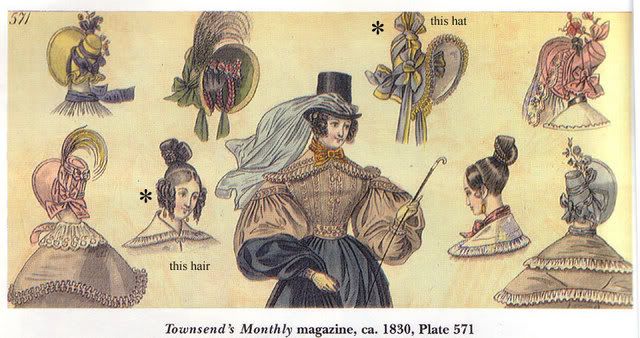
Furthermore, the rise of fashion magazines during this period provided inspiration and guidance to both hat makers and consumers. Publications featured illustrations of the latest styles, encouraging milliners to adapt their techniques to meet the demands of an increasingly fashion-conscious public.
The techniques and craftsmanship of 19th-century millinery were characterized by a blend of traditional methods and innovative practices. The combination of blocking, sewing, and creative embellishments resulted in a rich variety of hat styles that reflected the dynamic cultural landscape of the era.
Famous 19th century hat makers and their influence
The 19th century was characterized by the emergence of several prominent hat makers who significantly influenced fashion trends and millinery techniques. Their contributions not only shaped the styles of their time but also laid the groundwork for future generations of hat makers.
One notable figure was John Hetherington, credited with creating the top hat in the early 1800s. His design gained immense popularity, becoming a symbol of social status and sophistication. Hetherington’s introduction of the top hat revolutionized men’s fashion, leading to widespread adoption across Europe and America.
- James Lock & Co. – Established in 1676, this London-based company became known for its high-quality hats. By the 19th century, it was a leading name in millinery, providing hats to the British royal family.
- G. H. W. Houghton – A pioneer in the mass production of hats, Houghton utilized innovative techniques that allowed for greater efficiency and consistency in hat making.
- Stetson – Founded in 1865 by John B. Stetson, this brand popularized the cowboy hat, which became an icon of American culture and identity.
These hat makers were not just artisans; they were also savvy marketers. For instance, Stetson’s marketing campaigns often featured rugged cowboys and vast landscapes, appealing to the adventurous spirit of the American West. By associating their hats with such imagery, they created a lasting brand identity.
In addition to individual contributions, the 19th century saw the rise of fashion houses that specialized in hats. The Maison Goyard, established in France, became famous for its luxurious and stylish designs, attracting affluent clientele. The influence of such houses extended beyond borders, impacting fashion trends globally.
Moreover, the collaboration between hat makers and fashion designers played a crucial role in setting trends. Designers like Charles Frederick Worth incorporated hats into their collections, elevating their status as essential fashion accessories. This integration of hats into broader fashion contexts ensured their continued prominence throughout the century.
The role of hats in 19th century society
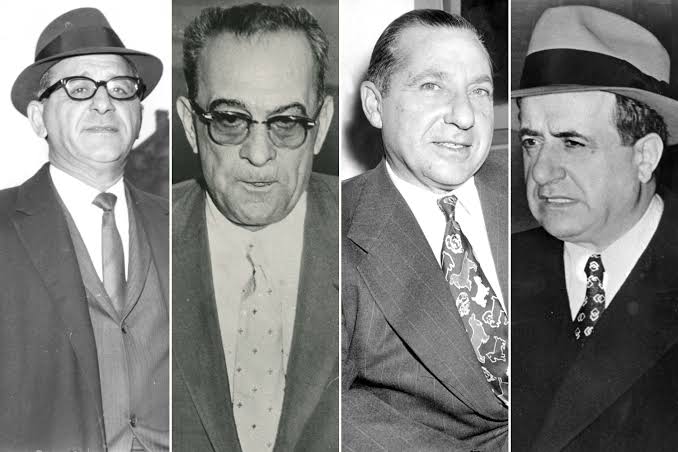
Hats in the 19th century served not only as protective gear against the elements but also as crucial symbols of social status and identity. Wearing a specific type of hat could denote one’s profession, social class, or even political affiliation. For instance, top hats were predominantly worn by the upper class, while working-class individuals often wore caps or straw hats.
- Top hats: Associated with aristocracy and formal occasions, these hats became a staple for gentlemen.
- Bonnets: Popular among women, bonnets were often adorned with ribbons and flowers, reflecting personal style and societal norms.
- Cylindrical hats: Commonly seen among laborers, these hats offered practicality and protection during work.
The hat-wearing culture was deeply embedded in social rituals. For example, the act of tipping one’s hat was a sign of respect and civility. This gesture became an integral part of gentlemanly conduct in social interactions. Furthermore, hats were often exchanged as gifts during significant events, symbolizing relationships and social bonds.
Statistical data from the mid-19th century indicates that approximately 70% of the population owned at least one hat, highlighting their prominence in daily life. The 1851 Great Exhibition in London showcased a variety of fashionable hats, reflecting the era’s obsession with millinery. This event not only celebrated the craftsmanship of hat makers but also illustrated the public’s fascination with headwear as a fashion statement.
Famous figures of the time, such as Queen Victoria, significantly influenced hat trends. Her preference for particular styles led to widespread adoption across society. Similarly, the rise of the suffragette movement in the late 19th century introduced hats with political messages, becoming a form of protest and a statement of identity among women.
How industrialization impacted hat production
The 19th century witnessed a profound transformation in hat production due to industrialization. This period marked a shift from handcrafted methods to more efficient, machine-driven processes. Factories began to emerge, allowing for mass production of hats, which significantly reduced costs and increased availability.
One notable innovation was the introduction of the sewing machine in the 1850s, which revolutionized the way hats were constructed. This technology enabled hat makers to produce items at a much faster rate. For example, a factory could produce hundreds of hats in a single day, compared to the mere dozen a skilled artisan could create in the same timeframe.
- Increased Production Efficiency: Factories could produce hats en masse, meeting the growing demand of a burgeoning middle class.
- Standardization of Styles: Mass production led to defined styles and sizes, making hats more accessible to the general population.
- Employment Opportunities: Factories required a large workforce, providing jobs to many individuals, including women, who had begun to enter the labor market.
Additionally, the use of new materials, such as felt and straw, became more widespread. The introduction of chemical dyes allowed for vibrant colors that were previously difficult to achieve. Notable inventors, such as Levi Strauss, contributed to these advancements by creating durable materials that enhanced the quality of hats.
By the end of the century, hat production had become a significant industry. For instance, in 1890, it was reported that over 300,000 hats were produced annually in the United States alone. This dramatic increase not only reflected the industrial capabilities of the time but also highlighted the cultural importance of hats as fashion statements.
The impact of industrialization on hat production was not merely about quantity. It also influenced fashion trends. The availability of diverse styles and materials allowed consumers to express their individuality. As a result, hats became essential accessories, representing personal identity and social standing.
Distinctive regional hat styles during the 19th century
The 19th century showcased a remarkable diversity of hat styles that varied significantly by region. Each area developed unique designs that reflected local culture, climate, and social norms. Here are some notable examples:
- Top Hats: Predominantly worn in urban centers like London and Paris, the top hat became a symbol of wealth and sophistication. It was typically made of silk and stood around 7-9 inches tall. The top hat was essential for formal occasions and represented the upper class.
- Bonnets: In rural and pastoral regions, bonnets were popular among women. These hats featured wide brims for sun protection and were often adorned with ribbons and flowers. The use of bonnets was especially prevalent in the American South, where they served both practical and decorative purposes.
- Felt Hats: In colder climates such as those found in parts of Northern Europe, felt hats were favored for their warmth. The bowler and the fedora emerged as popular styles during this time. The bowler, with its rounded crown, was particularly associated with the working-class men in England.
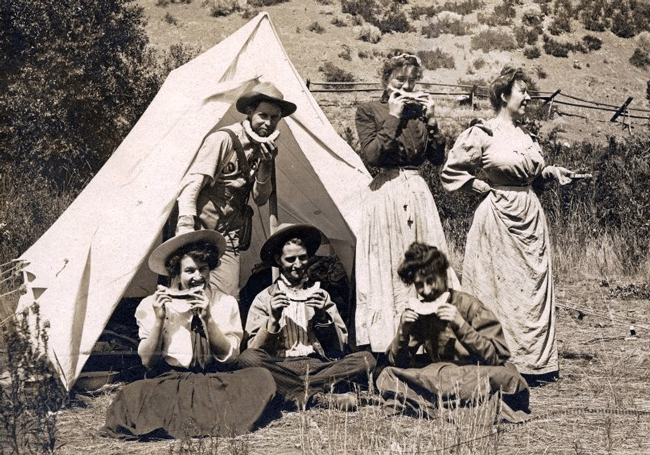
- Wide-brimmed Straw Hats: Commonly seen in agricultural communities, these hats provided essential sun protection. They were often handmade and decorated with local motifs. During the summer months, wide-brimmed straw hats became a staple for both men and women in agrarian societies.
Several hat styles also reflected the social dynamics of the time. For instance, the pork pie hat, which gained popularity in the mid-19th century, was associated with artists and bohemians, symbolizing a break from traditional norms. In contrast, the stovepipe hat, worn by figures such as Abraham Lincoln, became a national icon in America.
As the century progressed, the influence of regional styles began to blend due to the rise of mass production and increased travel. This led to greater accessibility to various styles, allowing individuals to adopt trends from different regions. The cowboy hat, for example, originated in the American West but gained popularity nationwide, showcasing the evolving nature of fashion during this period.
Preserving and restoring 19th century hats today
The preservation and restoration of 19th century hats have become essential practices for museums, collectors, and historians. These hats provide valuable insights into the cultural and social dynamics of the time. However, proper techniques must be employed to ensure their longevity and authenticity.
Restoration involves both cleaning and repairing hats to prevent further deterioration. Common methods include:
- Gentle cleaning: Using soft brushes and appropriate cleaning solutions to remove dust and grime without damaging the fabric.
- Structural repair: Replacing missing parts, such as ribbons or linings, with historically accurate materials.
- Condition monitoring: Regularly checking the hat’s condition to prevent mold or insect damage.
Professional restorers often adhere to strict ethical guidelines, ensuring that any restoration work is reversible and does not alter the original material. For instance, the Metropolitan Museum of Art employs conservationists who specialize in historical textiles, ensuring that their methods respect the hat’s original craftsmanship.
One notable case of preservation is the restoration of a top hat worn by President Abraham Lincoln. After years of wear, the hat underwent a meticulous restoration process in 2008, which included reinforcing its structure and cleaning the felt without altering its historical significance. This example illustrates the delicate balance between restoration and preservation.
For collectors and enthusiasts, maintaining a 19th century hat requires specific care practices, including:
- Storing hats in a cool, dry place away from direct sunlight to prevent fading.
- Using acid-free tissue paper to shape and support the hat when not worn.
- Avoiding contact with water or moisture, which can lead to mold growth.
Additionally, educational workshops are increasingly popular, teaching participants about hat care and restoration techniques. Organizations like the Hat Museum in France regularly host these events, fostering a community of preservation enthusiasts. Such initiatives not only help maintain these historical artifacts but also promote awareness about the significance of 19th century headwear.
The legacy of 19th century hat making in modern fashion
The legacy of 19th century hat making significantly influences modern fashion, as many contemporary styles draw inspiration from this era. The craftsmanship and unique designs of hats from the 1800s have left an indelible mark on today’s fashion landscape. From the elegant top hats to the casual wide-brimmed styles, these historical pieces continue to resonate in various forms.
- Top Hats: Originally worn by the upper class, top hats have evolved into a symbol of formal attire, often seen at weddings and galas.
- Bonnets: The feminine bonnets of the 19th century inspire modern designs with floral patterns and lace, appealing to romantic aesthetics.
- Fedoras: Popularized in the late 19th century, fedoras have become a staple in both men’s and women’s wardrobes.
Fashion designers today often reference 19th century styles in their collections. For example, Alexander McQueen and Vivienne Westwood frequently incorporate historical elements into their hat designs, merging traditional craftsmanship with modern sensibilities. This blend showcases how past aesthetics can be reinterpreted for contemporary audiences.
Furthermore, the materials and techniques used in 19th century hat making have also influenced modern production. The use of felt, straw, and silk remains prevalent, with artisans emphasizing sustainable practices. Today, brands are increasingly focused on eco-friendly materials, reflecting a growing awareness of environmental impact.
In addition, the rise of vintage fashion has led to a renewed appreciation for 19th century hats. Events such as vintage fairs and themed parties often showcase these historical pieces, allowing individuals to connect with fashion history. This trend not only celebrates the artistry of past hat makers but also encourages contemporary consumers to embrace unique styles.
Frequently Asked Questions
What materials were commonly used in 19th century hat making?
19th century hat makers primarily utilized materials such as wool, felt, and straw. Additionally, some luxury hats were crafted from silk or fur. These materials contributed to the unique styles and functionalities of hats during this era.
How did regional styles influence 19th century hats?
Regional styles had a significant impact on 19th century hats, leading to a variety of designs across different areas. For example:
- Top hats in urban settings
- Wide-brimmed hats in rural areas
- Unique decorative elements based on local culture
These influences highlight the cultural diversity of the time.
Are there modern replicas of 19th century hats available?
Yes, modern replicas of 19th century hats can be found through various milliners and specialty shops. Many artisans focus on creating historically accurate reproductions to cater to enthusiasts, collectors, and even theatrical productions. These replicas capture the essence of the original designs.
What techniques are used to restore 19th century hats?
Restoring 19th century hats involves techniques such as careful cleaning, re-blocking, and replacing damaged components. Professionals often utilize archival materials to ensure the restoration process maintains the hat’s historical integrity. This meticulous approach helps preserve these artifacts for future generations.
Why are 19th century hats important for fashion history?
19th century hats play a critical role in fashion history as they reflect the social and cultural norms of the time. They also serve as inspirations for contemporary styles, helping to bridge the gap between past and present in fashion design. Understanding this era enriches our appreciation of modern fashion.
Conclusion
The 19th century was characterized by a rich variety of regional hat styles, highlighting cultural uniqueness. Preservation and restoration efforts today are crucial for maintaining these historical artifacts. Furthermore, the influence of 19th century hat making continues to shape modern fashion trends, demonstrating its lasting impact. By understanding these historical styles and their significance, readers can appreciate the artistry involved in hat making. Engaging with this knowledge allows for a deeper connection to fashion history and inspires creativity in personal style choices. Explore local museums or online resources to discover authentic 19th century hats. Consider integrating historical elements into your wardrobe to celebrate this fascinating era in fashion.