Have you ever wondered how 19th century Japanese artists influenced the world of art? Despite their significant contributions, many of these artists remain underappreciated in Western art history. Understanding their impact can deepen your appreciation for Japanese culture and art.
This article will explore the early influences on 19th century Japanese art, highlight key artists and their signature styles, and examine the profound impact of ukiyo-e prints during this transformative period. By the end, you will have a richer perspective on the artistic landscape of Japan in the 1800s.
We will delve into the major artists, their unique techniques, and the cultural significance of their work, providing a comprehensive overview of this fascinating era.
Early influences on 19th century Japanese art
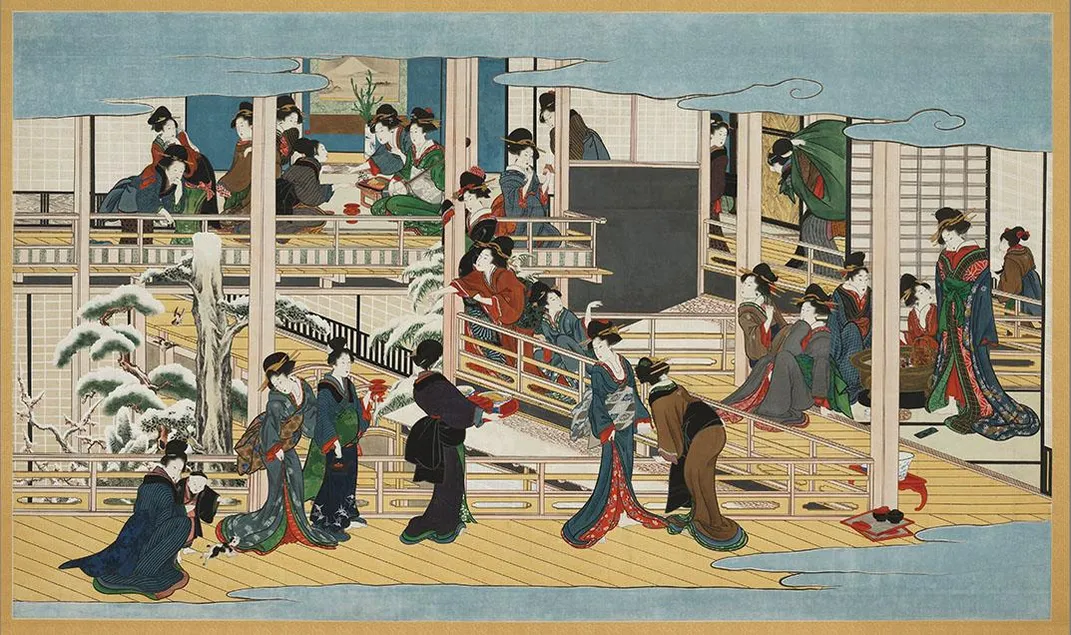
The 19th century marked a transformative period in Japanese art, influenced by both domestic and international factors. Traditional practices, such as ukiyo-e (floating world pictures), continued to flourish, while new styles began to emerge under the impact of Western aesthetics. This blending of influences shaped a unique artistic landscape.
One of the significant early influences was the Edo period (1603-1868), where artists like Katsushika Hokusai and Utagawa Hiroshige established the ukiyo-e genre. Their works often depicted landscapes, kabuki actors, and beautiful women. Hokusai’s iconic series, Thirty-Six Views of Mount Fuji, created around 1831, is a prime example of how traditional themes were rendered with innovative techniques.
- Ukiyo-e: Focused on the beauty of everyday life, often colorful and intricate.
- Chinese Art: The incorporation of Chinese artistic principles, particularly in painting and ceramics, influenced Japanese artists significantly.
- Western Techniques: The arrival of Western art in Japan, particularly after the 1853 Perry Expedition, introduced perspectives, shading, and oil painting techniques.
Another notable influence was the Meiji Restoration (1868), which saw Japan opening its borders to the West. This period encouraged artists to explore new mediums and styles. For instance, the incorporation of Western oil painting into traditional Japanese themes became increasingly popular. Artists like Yasuda Yukihiro began experimenting with oil paints, creating works that combined traditional Japanese subjects with Western techniques.
In the late 19th century, a movement known as nihonga emerged, which aimed to revive traditional Japanese painting styles using modern techniques. Artists such as Yumeji Takehisa became prominent figures in this movement, blending Western approaches with Japanese aesthetics. His works often featured delicate lines and soft colors, reflecting a unique synthesis of influences.
Overall, the early influences on 19th century Japanese art illustrate a rich interplay between tradition and innovation. The merging of Eastern and Western elements not only enriched Japanese artistic expression but also laid the groundwork for future artistic developments in the country.
Key artists and their signature styles
Throughout the 19th century, several Japanese artists emerged as pivotal figures in the evolution of art, each contributing unique styles and perspectives. Their works not only reflect traditional techniques but also respond to the burgeoning influences from the West.
- Utagawa Hiroshige (1797-1858): Renowned for his landscape woodblock prints, Hiroshige’s works, such as “The Fifty-Three Stations of the Tōkaidō,” captured the beauty of nature and everyday life. His signature use of color and perspective influenced many Western artists.
- Katsushika Hokusai (1760-1849): Hokusai is best known for his iconic print “The Great Wave off Kanagawa.” His dynamic compositions and innovative use of color showcased the dramatic aspects of nature, making him a central figure in the ukiyo-e movement.
- Yasuda Yukihiko (1858-1916): A pioneer in introducing Western painting techniques, Yukihiko blended traditional Japanese themes with Western styles. His works often featured bold colors and modern subjects, bridging cultural gaps.
- Tsukioka Yoshitoshi (1839-1892): Known for his vivid and often haunting ukiyo-e prints, Yoshitoshi explored themes of beauty and tragedy. His series “One Hundred Aspects of the Moon” is a notable example of his intricate style.
These artists not only defined the aesthetic of the period but also laid the groundwork for future generations. The intersection of traditional and contemporary styles can be seen in their masterpieces.
Another important figure is Ogata Gekkō (1859-1920), who was known for his meticulous attention to detail and incorporation of Western techniques into traditional Japanese art. His works often depicted historical themes and reflected a growing interest in modernity.
Additionally, Takeuchi Seiho (1864-1942) was influential in the Nihonga movement, a style that combined traditional Japanese techniques with Western influences. His delicate brushwork and commitment to fine detail earned him acclaim and established him as a key figure in modern Japanese art.
Overall, the 19th century was a dynamic period for Japanese artists. Their innovative approaches and signature styles not only shaped Japan’s artistic landscape but also had a lasting impact on global art movements.
The impact of ukiyo-e prints during the 19th century
The ukiyo-e print, which translates to “pictures of the floating world,” significantly shaped the artistic landscape of 19th century Japan. These woodblock prints not only captured the essence of daily life but also reflected the cultural changes occurring during this transformative era. Artists such as Katsushika Hokusai and Utagawa Hiroshige became renowned for their innovative techniques and distinct styles.
Ukiyo-e prints gained immense popularity among both Japanese citizens and international audiences. The prints often depicted beautiful landscapes, kabuki actors, and scenes of leisure, making art accessible to a broader public. By the mid-19th century, over 5 million ukiyo-e prints were produced, showcasing the genre’s commercial success.
- Katsushika Hokusai: Known for his iconic work, “The Great Wave off Kanagawa,” Hokusai’s prints emphasized dramatic landscapes and powerful natural elements.
- Utagawa Hiroshige: Celebrated for his serene depictions of nature, Hiroshige’s series “The Fifty-Three Stations of the Tōkaidō” illustrated the beauty of the Japanese countryside.
- Utagawa Kuniyoshi: Famed for his dynamic compositions and imaginative subjects, Kuniyoshi often depicted legendary heroes and mythical creatures.
The influence of ukiyo-e extended beyond Japan’s borders, impacting Western artists in the late 19th century. The movement known as Japonisme emerged, where artists like Vincent van Gogh and Claude Monet drew inspiration from these prints. Van Gogh famously collected ukiyo-e prints, and his works reflected their vibrant colors and bold compositions.
Ukiyo-e prints played a crucial role in the evolution of Japanese art during the 19th century. By merging traditional techniques with new themes and styles, these prints not only defined an era but also left an indelible mark on the global art scene, bridging cultures and inspiring generations of artists worldwide.
Techniques and materials used by 19th century Japanese artists
The 19th century Japanese artists employed various techniques and materials that reflected both their traditional roots and the influences of Western art. The evolution of these practices contributed significantly to the vibrancy of the artistic scene during this period.
One of the most notable techniques was woodblock printing, particularly in the production of ukiyo-e prints. This method involved carving images into blocks of wood, applying ink, and pressing paper onto the block to create multiple copies. Artists like Katsushika Hokusai and Utagawa Hiroshige mastered this technique, producing iconic works that captured landscapes and everyday life.
- Woodblock Printing: Required skilled artisans for carving and printing.
- Ink and Pigments: Artists used natural pigments derived from minerals and plants, ensuring vibrant colors.
- Paper: Traditionally made from mulberry bark, providing durability and texture.
In addition to woodblock printing, painting techniques also flourished. Artists utilized silk and paper as canvases, employing ink wash techniques to create delicate and expressive forms. This method allowed for subtle gradations of color and tone. Notable painters, such as Yokoyama Taikan, began experimenting with Western oil painting techniques, blending them with traditional Japanese aesthetics.
Here are some materials commonly used by 19th century Japanese artists:
| Material | Description |
|---|---|
| Mineral Pigments | Colorful powders from natural sources, used for their vibrancy and permanence. |
| Rice Paste | Used as an adhesive in the woodblock printing process. |
| Silk | A luxurious fabric that provided a smooth surface for painting. |
| Wash Techniques | Involved diluting ink with water to create soft gradients. |
Furthermore, the introduction of new materials such as synthetic dyes and Western oil paints in the latter half of the century allowed artists to explore bolder color palettes and different techniques. This blending of traditional and modern methods marked a significant transition in Japanese art, paving the way for future innovations.
The role of the Meiji Restoration in shaping Japanese art
The Meiji Restoration, which began in 1868, marked a profound transformation in Japanese society and culture, including its artistic landscape. This period aimed to modernize Japan and integrate Western influences, leading to a significant shift in artistic practices and philosophies.
One of the most notable changes was the introduction of Western artistic techniques. Traditional Japanese art forms, such as ukiyo-e, began to incorporate elements from Western painting, including perspective and shading. Artists like Katsushika Hokusai and Utagawa Hiroshige were pivotal in blending these influences, paving the way for a new artistic direction.
- Western Techniques: The adoption of oil painting and perspective.
- Art Schools: Establishment of art academies, such as the Tokyo School of Fine Arts.
- International Exhibitions: Participation in global events showcased Japanese art to the world.
- Government Support: The Meiji government actively promoted arts as part of national identity.
Furthermore, the Meiji government sought to foster a sense of national pride through art. They commissioned artists to create works that depicted traditional Japanese themes, but with a modern twist. This resulted in a unique fusion of styles that both preserved heritage and embraced innovation.
For instance, the work of Yasui Sōtarō exemplified this blend. His paintings often reflected traditional motifs while employing modern techniques, attracting both domestic and international acclaim. By the end of the Meiji era in 1912, Japanese artists had established a distinct voice within the global art community.
The Meiji Restoration significantly influenced Japanese art by promoting modernization and integrating Western styles. This period not only transformed the techniques used by artists but also redefined the cultural identity of Japan in the global art scene.
Comparison between traditional and modern approaches
The artistic approaches of 19th century Japanese artists reveal a significant contrast between traditional methods and modern innovations. Traditional Japanese art, characterized by techniques such as ukiyo-e and sumi-e, focused heavily on natural themes, spirituality, and the portrayal of everyday life. Artists like Katsushika Hokusai and Utagawa Hiroshige exemplified this style with their iconic landscape prints and depictions of the Edo period.
In contrast, modern approaches began to embrace Western influences, leading to a fusion of styles. Artists started experimenting with perspective, color, and subject matter, expanding beyond the confines of traditional themes. For instance, the introduction of oil paints and Western techniques in the late 19th century allowed artists to explore new artistic expressions.
- Traditional Techniques: Use of woodblock printing, ink wash, and limited color palettes.
- Modern Techniques: Adoption of oil painting, watercolor, and mixed media.
- Traditional Themes: Nature, folklore, and historical narratives.
- Modern Themes: Social issues, urban life, and abstract concepts.
A notable example of this transition is the work of Yayoi Kusama, who emerged in the 20th century. Kusama’s art incorporates traditional Japanese motifs while also embracing modernity through her use of polka dots and immersive installations. Her Infinity Mirror Rooms reflect a blend of cultural heritage and contemporary artistic exploration, showcasing how traditional elements can evolve.
Furthermore, the impact of globalization during the Meiji era led artists to travel and study abroad, exposing them to diverse artistic movements. This resulted in unique collaborations and the emergence of new styles that challenged conventional boundaries. For instance, Seiki Kuroda studied in France and brought back Impressionist influences, blending them with Japanese aesthetics in works like Lake Biwa (1893).
Thus, the comparison between traditional and modern approaches in 19th century Japanese art highlights a dynamic dialogue between the past and the present. This evolution not only enriched artistic practices but also paved the way for future generations of artists to explore their identities within a global context.
Notable art schools and movements of the period
The 19th century was a transformative era for Japanese art, marked by the emergence of several influential art schools and movements. These schools not only shaped artistic practices but also reflected the changing sociopolitical landscape of Japan.
- Ukiyo-e School: This school thrived during the Edo period but continued to influence 19th-century artists. Ukiyo-e, meaning “pictures of the floating world,” focused on scenes of urban life, landscapes, and beautiful women. Notable artists include Hokusai and Hiroshige, whose works gained international acclaim.
- Yōga Movement: With the Meiji Restoration, Western influences began to permeate Japanese art. The Yōga movement, or “Western painting,” emerged, emphasizing realism and the use of oil paints. Artists like Yumeji Takehisa and Kuroda Seiki were pivotal in integrating Western techniques into Japanese aesthetics.
- Nihonga School: As a reaction to Westernization, the Nihonga school aimed to preserve traditional Japanese painting techniques while incorporating modern themes. This movement flourished in the late 19th century and was characterized by the use of natural pigments and traditional materials. Artists such as Takeuchi Seiho were instrumental in its development.
These movements not only reflect the transition from traditional to modern art but also illustrate how Japanese artists responded creatively to external influences while maintaining cultural identity.
Additionally, the late 19th century saw the establishment of art institutions, such as the Tokyo School of Fine Arts, founded in 1889. This institution played a critical role in training artists and promoting new artistic trends. Many students embraced both traditional Japanese and Western art techniques, leading to a unique fusion in their works.
Another significant movement was the Shin-hanga or “new prints,” which emerged in the early 20th century. This movement revitalized the Ukiyo-e style, combining traditional methods with modern subjects. Artists like Hasui Kawase became known for their stunning landscapes that captured the essence of contemporary Japan while paying homage to the past.
Legacy of 19th century Japanese artists in contemporary art
The legacy of 19th century Japanese artists extends profoundly into contemporary art, influencing various aspects of modern artistic expression. The blending of traditional Japanese techniques with Western styles has created a unique aesthetic appreciated worldwide.
One major influence can be seen in the works of contemporary artists who utilize ukiyo-e techniques, a popular form of woodblock printing that flourished during the Edo period. Artists like Takashi Murakami and Yoshitomo Nara draw upon these historical techniques while incorporating modern themes and materials.
- Takashi Murakami – Known for his “superflat” style, Murakami merges traditional Japanese motifs with contemporary pop culture, creating vibrant and accessible art.
- Yoshitomo Nara – Nara’s works often feature characters and imagery reminiscent of traditional Japanese folklore, presented in a modern context.
- Hiroshi Sugimoto – As a photographer, Sugimoto explores time and memory, drawing inspiration from the aesthetics of historical Japanese art.
Furthermore, the principles of minimalism and simplicity found in 19th century Japanese art resonate in contemporary design and architecture. This can be observed in the works of architects like Tadao Ando, where the integration of nature and simplicity reflects traditional Japanese ideals.
In addition, exhibitions showcasing the impact of 19th century Japanese artists on global art movements have become increasingly popular. For instance, the 2019 exhibition “Japan is Modern” at the National Gallery of Australia highlighted how the Meiji era’s artistic innovations influenced Western art, demonstrating the ongoing relevance of these historical artists.
| Artist | Style | Influence |
|---|---|---|
| Takashi Murakami | Superflat | Fusion of traditional and contemporary themes |
| Yoshitomo Nara | Contemporary Pop Art | Use of folklore in modern context |
| Tadao Ando | Minimalism | Integration of nature and simplicity |
Overall, the legacy of 19th century Japanese artists remains a significant foundation for contemporary art, bridging cultural divides and inspiring new generations of artists to explore the rich heritage of Japanese art.
Collecting and preserving 19th century Japanese artworks
The collection and preservation of 19th century Japanese artworks play a crucial role in maintaining the historical and cultural significance of this era. Collectors, museums, and art institutions have implemented various strategies to ensure these pieces are safeguarded for future generations. Understanding these methods provides insight into the dedication behind preserving such valuable artifacts.
- Documentation: Proper documentation is essential. Each artwork should have a comprehensive record detailing its provenance, condition, and any restoration work. This information assists in tracking the artwork’s history and authenticity.
- Environmental Control: Maintaining optimal environmental conditions is vital. Artworks should be stored in environments with controlled temperature and humidity levels to prevent deterioration.
- Conservation Techniques: Various conservation methods are employed. For example, the use of acid-free materials for storage and archival framing techniques helps protect artworks from damage.
Prominent institutions, such as the Tokyo National Museum, have dedicated resources to the collection and preservation of Japanese art. Established in 1872, the museum houses a vast collection that includes thousands of 19th century pieces. They utilize state-of-the-art conservation techniques, ensuring that these artworks remain accessible for research and exhibition.
Additionally, private collectors play a significant role in this field. For instance, the collection of Yoshida Hiroshi, a renowned printmaker, has become a benchmark for collectors. His works not only represent the artistic style of the period but also serve as a reference for preservation practices.
| Method | Description | Examples |
|---|---|---|
| Documentation | Recording details of provenance and condition | Provenance research, condition reports |
| Environmental Control | Maintaining stable temperature and humidity | Climate-controlled storage, display cases |
| Conservation Techniques | Using materials that prevent deterioration | Acid-free mats, archival framing |
The effort to collect and preserve 19th century Japanese artworks is an ongoing commitment that combines meticulous planning with a passion for history. As institutions and collectors continue to collaborate, the legacy of these artworks endures, enriching the cultural landscape for generations to come.
Frequently Asked Questions
What were the key art movements in 19th century Japan?
Key art movements in 19th century Japan included Ukiyo-e, which emphasized woodblock printing, and the Nihonga movement, which focused on traditional Japanese styles. These movements played a significant role in shaping the cultural landscape of the time.
How did 19th century Japanese artists influence contemporary art?
19th century Japanese artists significantly influenced contemporary art through their innovative techniques and unique aesthetics. Their works inspired Western artists and contributed to movements like Impressionism, highlighting the importance of cross-cultural exchange in art.
Where can I find 19th century Japanese artworks today?
19th century Japanese artworks can be found in various museums, galleries, and private collections around the world. Notable institutions, such as the Tokyo National Museum and the British Museum, often feature these works in their collections and exhibitions.
What is the significance of preserving 19th century Japanese art?
Preserving 19th century Japanese art is crucial for maintaining its historical value and cultural significance. It allows future generations to appreciate the artistic achievements of the past and understand the cultural heritage of Japan.
Are there any major exhibitions focused on 19th century Japanese art?
Yes, major exhibitions on 19th century Japanese art often take place in renowned art institutions. These exhibitions showcase significant artworks and provide insights into the artistic movements of the period, enhancing public understanding and appreciation.
Conclusion
The 19th century marked a pivotal transformation in Japanese art, characterized by notable art schools and movements, a deep legacy influencing contemporary artists, and the importance of collecting and preserving these artworks for future generations. This era laid the groundwork for modern artistic expressions globally. By understanding these historical influences, readers can enhance their appreciation of art, gain insights into cultural exchanges, and recognize the significance of preservation efforts. This knowledge can deepen your engagement with both traditional and contemporary art forms. Explore local galleries or museums to experience 19th-century Japanese art firsthand. Consider starting or expanding your own collection while supporting preservation initiatives that honor this rich artistic heritage.