Have you ever wondered how 19th century postcards transformed communication and art? In an era before instant messaging, these visual treasures served as a vital link between distant loved ones, reflecting societal changes and artistic trends.
This article will delve into the fascinating history and evolution of 19th century postcards, exploring the materials and printing techniques that brought them to life. Understanding these elements not only enriches your appreciation of this medium but also highlights its impact on modern communication.
We will cover key topics, including the popular themes and imagery that defined this era, offering insights into the cultural significance of these postcards.
The history and evolution of 19th century postcards
The origins of postcards date back to the early 19th century, with the first known postcard being sent in 1840 in the United Kingdom. This early version was a simple piece of paper, used mainly for communication. However, the concept quickly gained popularity across Europe and North America.
By 1870, the introduction of the “post card” in the United States marked a significant turning point. The government allowed cards to be mailed without envelopes, leading to a surge in their use. This change made postcards not only a means of communication but also a canvas for artistic expression.
- 1840: The first postcard sent in the UK.
- 1870: The U.S. government permits mailing of cards without envelopes.
- 1898: The introduction of the “divided back” postcard allows for messages on one side and an address on the other.
The divided back postcard, introduced in 1898, transformed how people communicated via postcards. This innovation allowed for more elaborate designs and personal messages, making postcards a popular choice for tourists and travelers. People began to collect and exchange these cards as souvenirs, leading to a growing market.
Postcards from this era often featured stunning illustrations, photographs, and even advertisements. For instance, the “Golden Age of Postcards” (1898-1918) saw an explosion of creativity, with artists like Louis Prang producing high-quality lithographed postcards. By 1900, it is estimated that over 1 billion postcards were mailed annually in the United States alone.
As the 19th century progressed, postcards became a staple of social interaction. They were sent on various occasions, including holidays, birthdays, and vacations. This widespread use contributed to the postcard’s evolution into a cherished collectible, with some cards becoming highly sought after by enthusiasts today.
Materials and printing techniques used in 19th century postcards
The materials and printing techniques used in 19th century postcards significantly influenced their design and production. Initially, postcards were crafted from various materials, each affecting the overall look and feel.
One of the primary materials used was cardstock, which provided durability and a smooth surface for printing. This material allowed for vibrant colors and detailed images, making postcards visually appealing.
- Paper Types:
- High-quality paper for lithographed prints
- Cardboard for sturdier options
- Specialty papers for embossed designs
- Printing Techniques:
- Lithography: A popular method that allowed for mass production of colorful images.
- Chromolithography: Enabled the creation of multi-colored images, revolutionizing postcard art.
- Engraving: Used for finer detail and text, giving postcards a luxurious feel.
In the early years, the most common technique was lithography. This process involved printing from a flat surface, which made it possible to produce high volumes of postcards quickly. By the mid-19th century, chromolithography emerged, allowing artists to create postcards with rich, vibrant colors. For instance, the introduction of chromolithography in the 1860s significantly boosted the postcard industry, as seen in the work of renowned companies like Louis Prang, who is often referred to as the “father of the American postcard.”
Embossing also became a popular technique during this era, adding texture and depth to postcard designs. This method created a three-dimensional effect, making certain elements of the postcard stand out. For example, embossed postcards featuring floral patterns or scenic landscapes were particularly popular among collectors.
As the 19th century progressed, advancements in printing technology further enhanced postcard production. The introduction of the halftone process in the 1890s allowed for the reproduction of photographs on postcards, creating a new genre of photographic postcards. This innovation expanded the possibilities for imagery, leading to a surge in postcard popularity, especially among tourists.
Popular themes and imagery in 19th century postcards
The 19th century saw a rich variety of themes and imagery in postcards, reflecting the cultural and social dynamics of the time. One of the most prevalent themes was nature, with landscapes, flora, and fauna featured prominently. Artists captured the beauty of the countryside, mountains, and gardens, appealing to the public’s appreciation for the natural world.
Another significant theme was historical events. Postcards often depicted major occurrences such as wars, political figures, and national celebrations. For instance, the aftermath of the Franco-Prussian War (1870-1871) was commonly illustrated, serving not only as a record but also as a means of national pride.
- Popular themes in 19th century postcards:
- Nature and landscapes
- Historical events and figures
- Cultural celebrations and festivals
- Everyday life and occupations
In addition to these themes, postcards frequently featured cultural celebrations. Events such as holidays, festivals, and local traditions were depicted in vibrant colors. For example, Christmas postcards from the late 1800s often included winter scenes with children playing in the snow, enhancing the festive spirit. The first commercially produced Christmas postcard was created in 1843, marking the beginning of this popular tradition.
Everyday life and occupations were also common subjects. Postcards illustrated the daily activities of people, showcasing various professions and social classes. A postcard from 1890 might depict a baker at work or farmers in the fields, offering a glimpse into the lives of common individuals during that era.
Moreover, imagery in postcards was not limited to realistic depictions. Artists often employed symbolism and allegory to convey deeper meanings. For instance, postcards might feature allegorical figures representing virtues such as peace and prosperity. This artistic approach allowed for a more profound interpretation of the themes presented.
Overall, the themes and imagery found in 19th century postcards provide a fascinating insight into the era’s values, interests, and societal changes. The combination of artistic expression and social commentary made these postcards not just collectibles, but significant historical artifacts.
The role of postcards in 19th century communication
Postcards played a pivotal role in 19th century communication, serving as a convenient and affordable means of staying in touch. They emerged during a time when letter writing was the primary form of correspondence, providing a quicker alternative for sending messages.
By the mid-1800s, the postal system had improved significantly, making it easier for people to communicate over long distances. Postcards became a popular medium for casual greetings and announcements, allowing individuals to share news and sentiments without the formality of a letter.
- Cost-effective: Postcards were cheaper to send than letters, which encouraged more frequent communication.
- Time-efficient: With no need for envelopes, postcards could be dispatched quickly, making them ideal for spontaneous messages.
- Wide accessibility: The postal service expanded, enabling even remote communities to send and receive postcards.
As the popularity of postcards grew, so did their use in various social contexts. They became essential for travelers who wanted to send quick notes home, often depicting local landmarks or events. For instance, the 1893 World’s Columbian Exposition in Chicago saw a surge in postcard production, with attendees sending over a million postcards showcasing the fair.
Additionally, postcards allowed for the sharing of visual culture. Many cards featured artistic designs, photographs, and illustrations that represented significant cultural moments. In 1880, the introduction of the divided back postcard format allowed individuals to write messages on one side while displaying an image on the other. This innovation transformed how people communicated, making postcards not just a means of sending messages but also a way to share experiences visually.
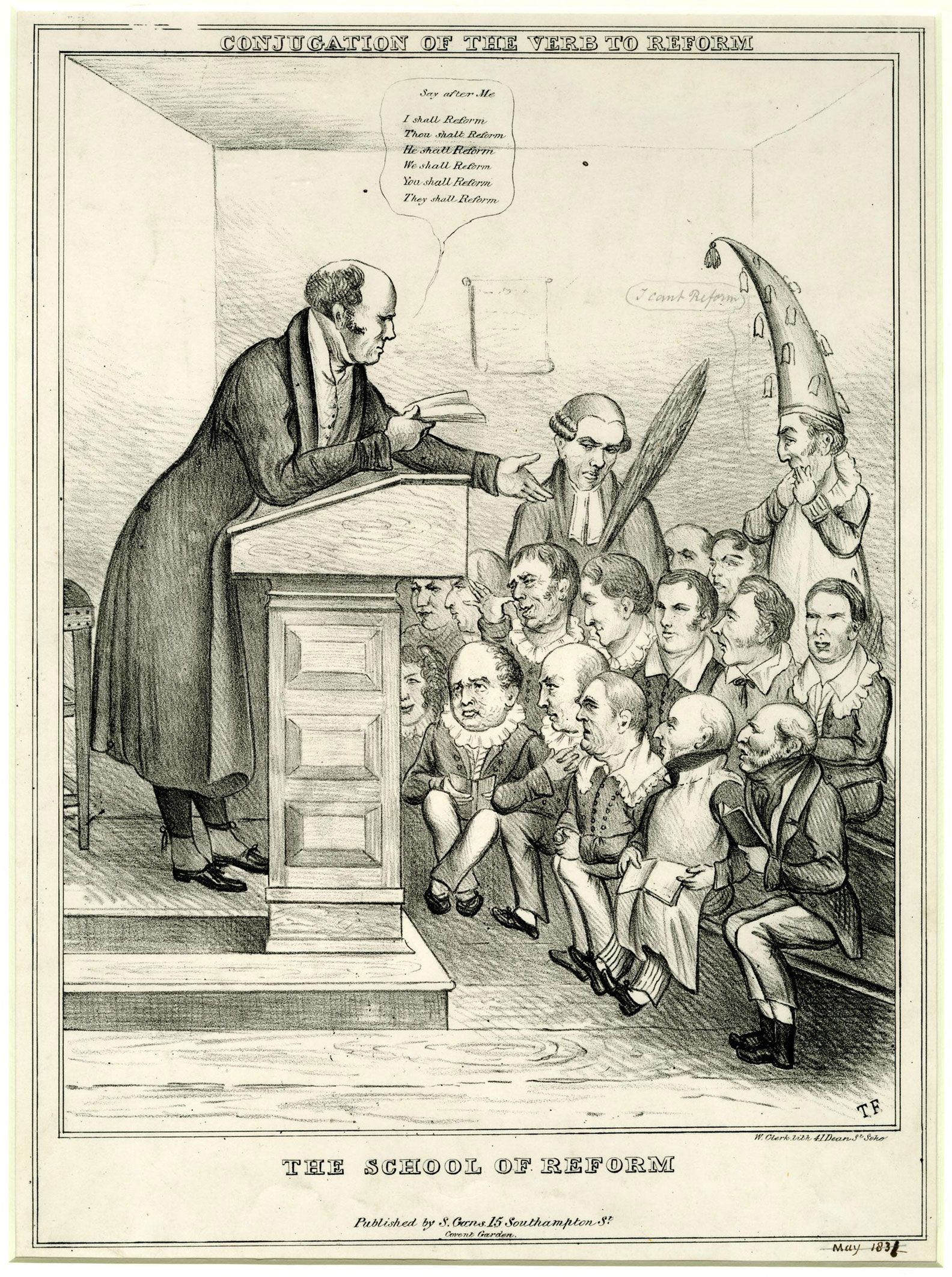
Postcards also served as a form of documentation, capturing historical events and societal changes. For example, during the Victorian era, postcards were used to comment on social issues and politics, reflecting public sentiment. They became a canvas for satire and commentary, allowing people to express their views in a unique manner.
Postcards in the 19th century were more than just communication tools; they were cultural artifacts that facilitated personal connections, shared experiences, and documented the era’s social dynamics.
Collecting and preserving 19th century postcards
Collecting 19th century postcards has become a popular hobby among enthusiasts and historians alike. These postcards serve not only as visual artifacts but also as a window into the past. With the increasing interest in nostalgia, the market for these collectibles has expanded significantly.
According to the American Philatelic Society, the number of active postcard collectors has grown by approximately 25% in the last decade. Many collectors focus on specific themes, such as travel, holidays, or art, which reflect the diverse cultural landscape of the 19th century.
- Condition: The condition of a postcard greatly affects its value. Postcards that are well-preserved can fetch higher prices.
- Rarity: Limited edition or unique postcards are often more sought after by collectors.
- Provenance: Postcards with a documented history or connection to significant events or people can be more valuable.
To preserve 19th century postcards, collectors should consider the following best practices:
- Storage: Use archival-quality sleeves and boxes to protect postcards from light, dust, and moisture.
- Handling: Always handle postcards with clean hands or gloves to prevent oils and dirt from damaging the surface.
- Environment: Store postcards in a cool, dry place to prevent deterioration caused by humidity or extreme temperatures.
For example, the Postcard Museum in the UK houses a vast collection of over 1 million postcards, emphasizing the importance of careful preservation. They utilize climate-controlled environments to maintain the integrity of their collection.
Moreover, engaging with online communities, such as postcard forums or social media groups, can provide collectors with valuable resources and information. These platforms often share tips on valuation and preservation methods, making them essential for both novice and seasoned collectors.
Collecting and preserving 19th century postcards is not only about enjoyment but also about safeguarding history. By following best practices, collectors can ensure that these pieces of art survive for future generations to appreciate.
Famous postcard publishers and artists of the 19th century
During the 19th century, several postcard publishers and artists emerged, significantly influencing the postcard’s popularity and artistic expression. One notable publisher was Raphael Tuck & Sons, established in 1866 in London. They became renowned for their high-quality, chromolithographed postcards, often featuring intricate designs and vibrant colors. Tuck’s postcards were widely distributed and collected, making them a staple in the postcard market.
Another prominent figure was Louis Prang, often referred to as the “father of the American postcard.” He began publishing postcards in the United States around 1870, using innovative printing techniques to produce vivid images. Prang’s work included beautiful seasonal and holiday themes, which appealed to the growing consumer base. His postcards were integral to popularizing the medium, especially during the Christmas season.
- Raphael Tuck & Sons: Established in 1866, known for exquisite chromolithography.
- Louis Prang: Introduced American postcards in the 1870s, famous for holiday themes.
- Edward E. Smith: A lesser-known publisher who specialized in scenic views and local landmarks.
- Friedrich W. Möller: A German artist known for his artistic depictions of landscapes and nature.
Artists also played a crucial role in shaping the postcard aesthetic. For instance, Franz Xaver Winterhalter, a prominent portrait painter, influenced postcard imagery with his romanticized depictions of society’s elite. His works were often adapted into postcards, allowing the public to engage with high art in a more accessible format.
Additionally, Kate Greenaway contributed to the visual language of postcards with her charming illustrations of children and pastoral scenes. Her works resonated with Victorian ideals of childhood and innocence, making them popular among collectors and senders alike. The adaptation of her illustrations into postcards reflected the era’s fascination with sentimentality.
The 19th-century postcard scene was thus a vibrant tapestry of creativity, with publishers and artists collaborating to produce striking visual messages. The combination of skilled artistry and effective marketing techniques ensured that postcards became an enduring medium, cherished by individuals across the globe.
How 19th century postcards influenced modern postcard design
The influence of 19th century postcards on modern postcard design is profound and multifaceted. These early postcards established foundational elements that continue to shape how postcards are created and perceived today. Several key aspects highlight this influence:
- Visual Aesthetics: The artistic styles of the 19th century, including Art Nouveau and Impressionism, set a precedent for the visual appeal of postcards. Modern designs often draw from these movements, incorporating intricate illustrations and vibrant colors.
- Standardization: The introduction of standardized sizes and formats in the late 19th century enabled mass production, making postcards accessible to a wider audience. Today’s postcards typically adhere to these established dimensions, facilitating easy mailing.
- Use of Photography: With the advent of photography in the 19th century, postcards began to feature photographic images alongside artistic renderings. This integration paved the way for the photo postcards that dominate the market today, offering personal and scenic imagery.
- Message Space: The back of 19th century postcards was designed to accommodate brief messages, a practice that persists in modern designs. The balance of visuals and written communication remains a hallmark of effective postcard design.
Furthermore, the themes and topics depicted on 19th century postcards have influenced contemporary subject matter. For instance, many modern postcards highlight:
- Travel Destinations: Inspired by the scenic landscapes and urban scenes captured in the 19th century, current postcards often feature famous landmarks and local attractions.
- Cultural Events: Postcards celebrating festivals, holidays, and local traditions continue to be popular, reflecting the cultural significance that 19th century postcards held.
- Humor and Satire: Just as 19th century postcards employed humor, modern designs often incorporate witty captions and playful imagery, resonating with audiences seeking light-hearted communication.
The legacy of 19th century postcards is evident in the ongoing evolution of postcard design. The blend of artistic expression, practical messaging, and thematic diversity established in this era continues to inform how postcards are crafted and appreciated today. As a result, postcards remain a cherished medium for personal expression and artistic representation.
The impact of 19th century postcards on popular culture
The 19th century postcards played a crucial role in shaping popular culture during that era. Serving as a medium for communication, these postcards allowed individuals to share personal messages, travel experiences, and artistic expressions. The incorporation of vibrant illustrations and photographs transformed them into collectible art pieces, influencing the aesthetics of the time.
One significant impact was the promotion of tourism. Postcards featuring scenic landscapes and famous landmarks encouraged people to explore new destinations. For instance, the Grand Canyon, depicted in numerous postcards, became a popular travel destination after its introduction to the public through these visual representations.
- Increased Communication: Postcards provided a quick and affordable way to communicate, leading to a surge in correspondence.
- Artistic Expression: Many artists used postcards to showcase their work, contributing to the art movements of the time.
- Social Commentary: Some postcards addressed social issues, reflecting the cultural sentiments of the era.
As postcards became widely circulated, they also influenced fashion and design. The aesthetics of postcard art began to find their way into magazines and advertisements, shaping the visual culture of the time. For example, the use of vivid colors and ornate typography in postcards inspired similar designs in print media, establishing a trend that would last for decades.
Furthermore, the advent of the postal system made it easier for people to send postcards across long distances. By the end of the 19th century, millions of postcards were being mailed annually. In 1900 alone, approximately 1 billion postcards were sent in the United States, showcasing their immense popularity.
19th century postcards not only served as a means of communication but also as a reflection of cultural and social trends. Their influence on tourism, art, and communication established a legacy that continues to resonate in modern society.
Tips for identifying authentic 19th century postcards
Identifying authentic 19th century postcards requires a keen eye and knowledge of specific characteristics. Here are some essential tips to help you determine the authenticity of these vintage treasures.
- Check the paper quality: Authentic postcards from the 19th century are typically printed on thick, high-quality paper. The texture may vary, but it often feels sturdy and substantial compared to modern postcards.
- Inspect the printing technique: Look for specific printing methods such as lithography, which was commonly used during this period. Genuine postcards may exhibit slight imperfections or color variations due to the manual printing process.
- Examine the postmark: If the postcard has been mailed, the postmark can provide vital information. Authentic 19th century postmarks will usually feature a date that falls between 1840 and 1899. Take note of the location and name of the post office as well.
Another significant aspect to consider is the design and artwork. Many postcards feature popular themes of the era, such as landscapes, famous landmarks, and social events. For example, postcards featuring Victorian themes or illustrations by renowned artists like Louis Prang are often sought after by collectors.
Additionally, the back of the postcard can provide clues about its authenticity. Postcards from the late 19th century generally had a divided back, which means one side was reserved for the address, while the other was for the message. This feature became standard after 1902, so if your postcard has a divided back, it likely dates from that time or later.
- Look for identifying marks: Many publishers included their names or logos on the postcard. Familiarize yourself with notable publishers such as Raphael Tuck & Sons or Stecher Lithographic Company to recognize their styles.
- Study the images: Authentic postcards often reflect the art style of the time, which can include ornate borders or specific color palettes. Take note of the differences between early and later designs.
Finally, consult reputable sources or guides on postcard collecting. Books and online resources can provide valuable insights and help you identify genuine 19th century postcards accurately. By applying these tips, you can enhance your collection and appreciate the historical significance of these charming artifacts.
Frequently Asked Questions
What are the main themes depicted in 19th century postcards?
19th century postcards often featured themes such as landscapes, historical events, and cultural representations. They also showcased romantic sentiments and everyday life, reflecting the societal values and interests of that era.
How do I care for and preserve 19th century postcards?
To preserve 19th century postcards, keep them in a cool, dry place away from direct sunlight. Use protective sleeves or binders, and avoid handling them excessively. Regularly check for signs of deterioration to maintain their condition.
Are 19th century postcards valuable?
The value of 19th century postcards can vary significantly based on factors like rarity, condition, and demand. Rare or unique postcards can fetch high prices at auctions, while common ones may hold less monetary value. Research is essential for accurate appraisal.
Where can I buy authentic 19th century postcards?
Authentic 19th century postcards can be found at antique shops, specialized postcard dealers, and online marketplaces like eBay or Etsy. Attending antique fairs and postcard exhibitions can also provide opportunities to purchase unique items.
What printing techniques were used for 19th century postcards?
19th century postcards utilized various printing techniques such as lithography, photochromy, and woodblock printing. These methods contributed to the distinct appearance and quality of postcards, influencing their popularity among collectors.
Conclusion
The exploration of 19th century postcards has revealed their significant influence on modern postcard design, their role in shaping popular culture, and essential tips for identifying authentic pieces. Understanding these aspects enriches appreciation for this unique form of communication and art. By applying the knowledge gained from this article, readers can enhance their postcard collections, make informed purchases, and appreciate the historical context behind their items. This expertise can lead to a more fulfilling engagement with the world of postcards. To further your journey, consider visiting local antique shops or online marketplaces to discover authentic 19th century postcards. Start collecting today and immerse yourself in this fascinating history!