Have you ever wondered how 19th century prison systems operated and what insights they hold about societal attitudes towards crime and punishment? The records from this era can provide a fascinating glimpse into the lives of individuals, the justice system, and the historical context of incarceration.
This article will explore the significance of 19th century prison records, detailing the types of documents commonly found and their relevance for historians, genealogists, and those interested in social justice. You’ll learn how to access these records and utilize them effectively for your research.
We will cover an overview of the prison systems, the common types of records available, and practical tips for accessing and using these valuable historical documents.
Overview of 19th century prison systems
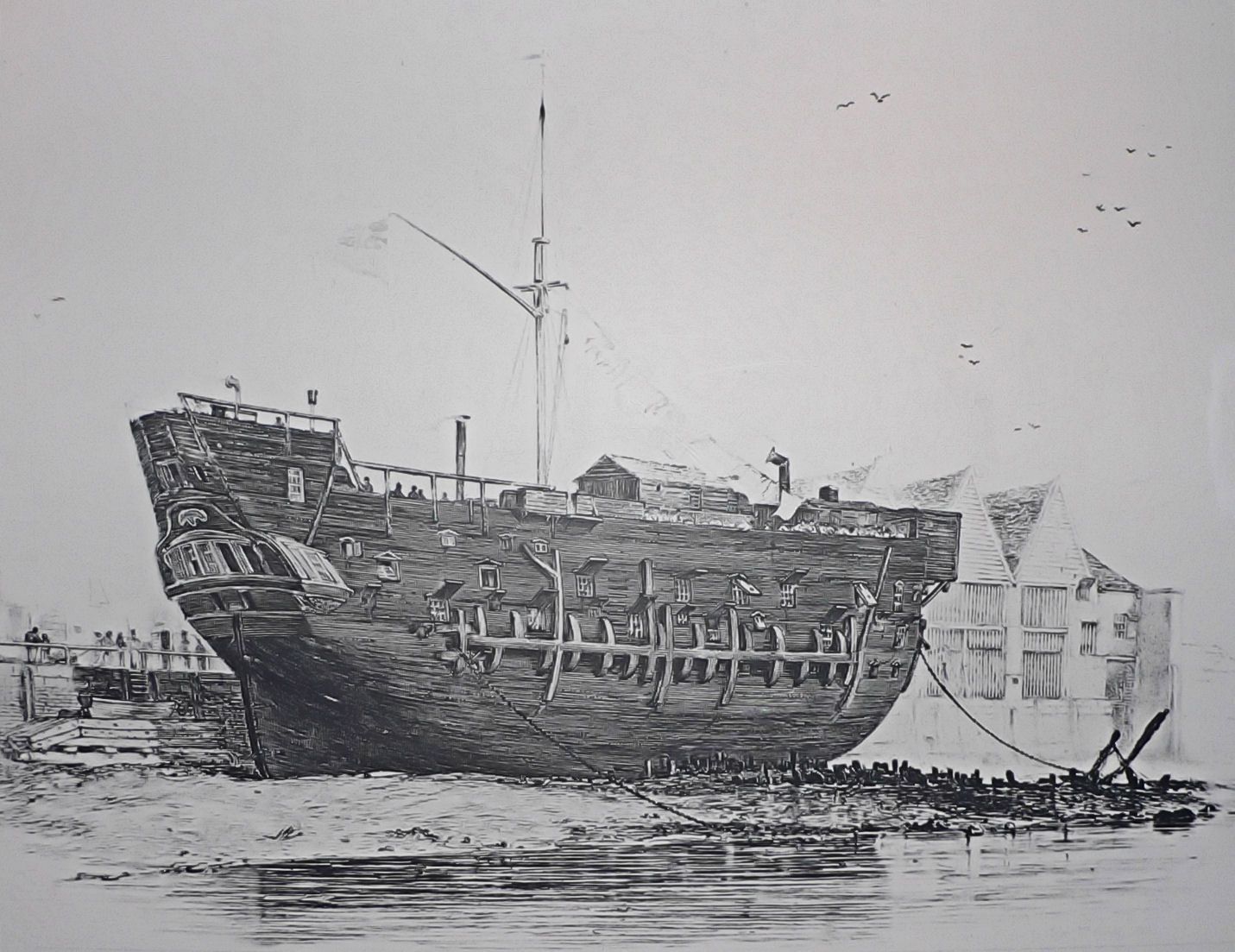
The 19th century marked a significant transformation in prison systems across the globe, driven by evolving philosophies about crime and punishment. The shift from punitive measures to rehabilitative approaches was particularly evident in countries like the United States and England. In the early part of the century, prisons were often overcrowded and unsanitary, reflecting a societal view that emphasized punishment over reform.
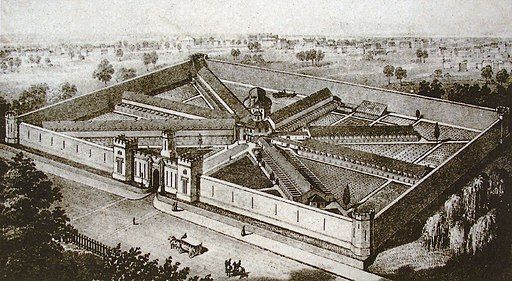
One notable example is the Pennsylvania System, implemented in the early 1800s. This system aimed to promote rehabilitation through solitary confinement, allowing inmates to engage in reflection and moral improvement. The Eastern State Penitentiary, opened in 1829, was a prime representation of this approach, housing inmates in complete isolation to encourage penitence.
- Reformative Efforts: Establishment of the Auburn System in New York, which emphasized hard labor and discipline.
- Inmate Education: Many prisons began to incorporate educational programs, focusing on reading and vocational skills.
- Public Awareness: The abolitionist movement raised awareness of prison conditions, advocating for reforms.
In England, the Prison Reform Movement, led by figures such as John Howard and Elizabeth Fry, sought to improve prison conditions. Howard’s reports on prisons in the late 18th century paved the way for legislative reforms, while Fry focused on the welfare of female inmates. The result was the Penal Servitude Act of 1853, which reformed the treatment of prisoners and introduced more humane conditions.
By the end of the century, prisons began to reflect a more structured approach to incarceration, with an emphasis on classification and rehabilitation. The introduction of parole systems and the integration of social workers into the penal system indicated a growing belief in the possibility of reform. The legacy of these 19th-century prison systems continues to influence modern corrections.
Common types of records found in 19th century prisons
The 19th century prison systems generated a variety of records that played a crucial role in understanding inmate management and rehabilitation. These records not only documented individual cases but also reflected broader societal attitudes towards crime and punishment. Below are some of the most common types of records found in these institutions:
- Admission Records: These documents recorded the details of inmates upon their entry into the prison system. Typically, they included information such as name, age, occupation, and the crime for which the individual was convicted. For instance, records from the Eastern State Penitentiary often detailed the inmate’s background, providing insights into their socio-economic status.
- Medical Records: Health assessments of inmates were documented to monitor their physical and mental well-being. These records often included information on diseases, injuries, and mental health evaluations. For example, in 1865, a report from a New York prison highlighted the prevalence of tuberculosis among inmates, emphasizing the need for medical attention.
- Disciplinary Records: Prisons maintained logs of inmate behavior and any disciplinary actions taken. This included infractions, punishments, and notes on rehabilitation efforts. Such records were essential for tracking recidivism rates and evaluating the effectiveness of prison reforms.
- Release Records: These documents recorded the details of inmates upon their release, including the date of release, reasons for release, and any subsequent parole conditions. For example, the release records from the Massachusetts State Prison in 1890 provided data that helped historians analyze patterns in reoffending.
Moreover, some prisons maintained correspondence logs that documented letters sent and received by inmates. This practice was essential for maintaining communication with the outside world, though it was often heavily monitored. Records from the Auburn Prison, for instance, reveal that inmates frequently corresponded with family members, showcasing the human side of incarceration.
Lastly, financial records detailing the costs associated with inmate upkeep, labor contributions, and prison operations were also common. These records shed light on the economic aspects of incarceration, revealing how prisons operated as both correctional institutions and economic entities.
How to access and use 19th century prison records
Accessing and utilizing 19th century prison records can be a rewarding endeavor for historians, genealogists, and researchers. These records often reside in various archives, libraries, and online databases, which provide a wealth of information about inmates and prison systems of the time.
To begin your search, consider these key sources:
- National Archives: Many countries maintain national archives that house prison records. For example, the National Archives of the United Kingdom offers access to various penal records.
- State and Local Archives: State archives often preserve records specific to their region, including inmate registers and parole documents.
- Online Databases: Websites such as Ancestry.com and FamilySearch.org feature digitized records from multiple jurisdictions, making searches more accessible.
- Historical Societies: Local historical societies may have unique collections, including photographs, correspondence, and reports related to prisons.
When using these records, it’s essential to know what types of information you might find. Common details include:
- Name of the inmate
- Age and birth date
- Crime committed
- Sentence duration
- Release date
An example of a notable prison record is the case of John Smith, who was sentenced to five years for theft in 1885. His record provides insights into the judicial process of that era, detailing his trial, sentencing, and eventual rehabilitation.
In addition to the primary records, researchers should also examine secondary sources that contextualize the information found in prison records. These could include:
- Newspaper articles discussing significant cases or prison conditions
- Books on the history of crime and punishment in the 19th century
- Academic journals presenting analyses of prison reform movements
Finally, consider reaching out to archivists or librarians for assistance. They can guide you on how to navigate complex records and suggest additional resources that may not be immediately apparent. Engaging with these professionals can enhance your understanding and enrich your research experience.
Significance of prison records for historical research
The significance of 19th century prison records extends far beyond mere documentation of criminal activity. These records provide invaluable insights into social, economic, and political contexts of the time. By examining these records, researchers can uncover patterns of crime, the demographics of offenders, and the prevailing attitudes towards punishment.
One of the primary benefits of these records is their ability to reveal social dynamics. For instance, statistics from prison records can illustrate trends in incarceration rates among different social classes. Inmates often came from lower socioeconomic backgrounds, highlighting the intersection of poverty and crime. Analyzing these records can lead to a better understanding of how societal structures influenced criminal behavior.
- Demographic Analysis: Prison records often include age, gender, and race, enabling researchers to study the demographics of the incarcerated population.
- Crime Trends: By categorizing offenses, researchers can identify shifts in the types of crimes committed during the century.
- Recidivism Rates: Records may also indicate whether individuals re-offended, providing insights into the effectiveness of rehabilitation efforts.
Moreover, these records serve as a primary source for genealogy research. Individuals tracing their family histories can find ancestors who may have been incarcerated, offering a unique perspective on their family’s past. For example, a researcher might discover that their great-great-grandfather was convicted of theft in 1875, providing a tangible connection to historical events.
Additionally, prison records can illuminate the evolution of correctional policies and practices. For example, the establishment of the Pennsylvania System in the early 1800s emphasized solitary confinement as a method of rehabilitation. Records from this period can reflect how these policies were implemented and their impact on inmate behavior.
Overall, the significance of 19th century prison records is multifaceted. They not only document the lives of individuals but also reflect broader societal issues. Understanding these records contributes to a comprehensive narrative of the past, revealing the complexities of justice, punishment, and societal norms.
Challenges in interpreting 19th century prison documents
Interpreting 19th century prison documents can be fraught with challenges, primarily due to the variability in record-keeping practices across different jurisdictions. Many records were not standardized, leading to inconsistencies in the information provided. For example, while some prisons meticulously documented inmate details, others recorded only minimal information.
One significant challenge arises from handwriting styles of the era. The cursive handwriting prevalent in the 19th century can be difficult to decipher, especially for those unfamiliar with historical scripts. This can result in misinterpretations of names, dates, and other critical data. Additionally, documents often contain abbreviations and jargon unique to specific institutions, complicating the research process further.
- Variability in terminology: Terms used to describe offenses and inmate statuses varied widely. For instance, what one prison labeled as “larceny” might be termed “theft” in another.
- Inconsistent record formats: Some records might include photographs, while others might only provide written descriptions.
- Incomplete records: Many documents are missing crucial details, such as the reasons for incarceration or the outcomes of rehabilitation efforts.
Moreover, the historical context surrounding incarceration during the 19th century can influence the interpretation of these records. Prisons during this period were often places of harsh conditions and punitive measures. For example, the Pennsylvania System (introduced in 1829) emphasized solitary confinement, while the Auburn System (developed in 1816) focused on congregate labor. Understanding the philosophical underpinnings of these systems is essential for accurately interpreting inmate experiences documented in prison records.
Additionally, researchers must be aware of potential biases that influenced record-keeping. Many records reflect societal attitudes toward crime and punishment, which could skew the portrayal of certain groups, particularly marginalized populations. For instance, studies have shown that racial and socioeconomic factors played a significant role in the types of crimes recorded and the harshness of sentences meted out, making it crucial to approach these documents with a critical eye.
Notable prison facilities and their record-keeping practices
Throughout the 19th century, several prison facilities became notable for their record-keeping practices. These institutions not only documented criminal activity but also served as reflections of the societal attitudes toward crime and punishment. One of the most significant examples is the Eastern State Penitentiary in Pennsylvania, established in 1829.
Eastern State Penitentiary was pioneering in its approach to rehabilitation. The facility maintained detailed records that included not only the names and crimes of inmates but also their backgrounds and progress during incarceration. For instance, records from 1850 show that the prison housed around 250 inmates, with a significant portion being first-time offenders, which highlights the prison’s focus on reform.
- Record Types: Inmate registers, daily logs, and parole records.
- Notable Inmates: Al Capone was incarcerated here for a brief period in 1929.
- Document Practices: Use of detailed personal accounts and progress reports.
Another prominent facility was the Sing Sing Correctional Facility in New York, opened in 1826. Sing Sing’s documentation practices were also advanced for their time. The prison maintained meticulous records, including trial transcripts and letters from inmates, which provide insights into their lives and the justice system.
In the late 1800s, Sing Sing recorded over 1,000 inmates annually. For example, in 1895, the prison registered 1,275 inmates, showcasing the high turnover and the ongoing struggles with crime in urban areas. These records are invaluable for researchers studying crime patterns and inmate demographics.
Finally, the San Quentin State Prison in California, established in 1852, offers a unique perspective on record-keeping. The prison’s archives contain a wealth of documents, including execution records that date back to the 19th century. In 1870, for instance, the prison executed its first inmate, an event meticulously recorded in the official logs.
The diverse record-keeping practices across these facilities reveal not only the operational methods of the prisons but also the evolving attitudes toward incarceration and rehabilitation during the 19th century.
Legal and social context influencing 19th century incarceration
The legal and social context of the 19th century played a pivotal role in shaping the landscape of incarceration. Various legal reforms and societal attitudes towards crime significantly influenced how prisons operated and who ended up in them.
During this period, several key legal changes impacted incarceration:
- Penal Reform Movements: The late 18th and early 19th centuries witnessed a surge in penal reform efforts, led by figures such as John Howard and Jeremy Bentham. These movements advocated for humane treatment of prisoners and aimed to reduce overcrowding.
- Shift from Corporal Punishment: The decline of corporal punishment in favor of imprisonment as a primary form of punishment reflected changing societal values regarding justice and rehabilitation.
- Legislation Changes: Laws like the 1823 Gaols Act in England mandated better conditions in prisons, leading to the establishment of more systematic record-keeping practices.
Social attitudes towards crime also evolved during this century. The rise of the industrial revolution contributed to increased crime rates, as urbanization created new social challenges. As cities grew, so did poverty and crime, influencing public perception of criminality.
For example, the infamous Peel’s Penal Code of 1829 in England reflected societal concerns about crime and the need for reform. This code aimed to categorize offenses and streamline the judicial process, thus impacting incarceration rates.
Additionally, societal views on gender and class significantly influenced incarceration patterns:
- Gender Bias: Women were often subjected to different legal standards, with many imprisoned for moral offenses related to their roles as wives and mothers.
- Class Disparities: Lower-class individuals were more likely to be incarcerated, reflecting the social biases that existed within the justice system.
The legal framework and social context of the 19th century were intertwined, creating a complex environment that shaped incarceration practices. Understanding these factors is crucial for comprehending the nature of prison records from this era.
Preservation and digitization of 19th century prison records
The preservation and digitization of 19th century prison records are crucial for historical research. Many of these documents are fragile, often deteriorating due to age, poor storage conditions, and environmental factors. As a result, institutions are increasingly focusing on strategies to safeguard these valuable records.
- Temperature and humidity control: Maintaining a stable environment is essential to prevent mold and decay.
- Use of archival materials: Records are often stored in acid-free folders and boxes to minimize damage.
- Regular assessments: Institutions conduct routine evaluations to check the condition of documents and implement necessary restoration techniques.
Digitization has emerged as a vital tool in preserving these documents while making them more accessible to researchers and the public. Converting physical records into digital formats allows for:
- Increased accessibility: Digital records can be accessed remotely, facilitating broader research opportunities.
- Enhanced preservation: Digital copies reduce the need for handling fragile original documents.
- Improved searchability: Digitized records can often be indexed, allowing researchers to search for specific information quickly.
For instance, the National Archives in the United States has made significant progress in digitizing 19th century prison records. By 2023, they had digitized over 1 million pages of documents, including inmate registers and trial records. This effort has greatly expanded access for historians and genealogists alike.
However, digitization is not without its challenges. Some concerns include:
- Ensuring the quality of digital reproductions to accurately reflect the original documents.
- Addressing privacy issues, especially concerning sensitive information about individuals.
- Securing funding for long-term digital preservation initiatives.
The preservation and digitization of 19th century prison records represent a critical intersection of historical stewardship and technological advancement. By combining effective preservation techniques with innovative digitization practices, institutions can safeguard these records for future generations while enhancing their accessibility.
Case studies using 19th century prison records in genealogy
Using 19th century prison records can significantly enhance genealogical research. These records provide invaluable insights into family histories, revealing information about ancestors’ lives, legal troubles, and societal conditions of the time. Here are notable case studies illustrating their importance.
One prominent example is the case of John Smith, a resident of New York. Researching his lineage, genealogists discovered his incarceration in 1883 for theft. The prison records detailed his age, occupation, and even his physical description, which helped connect him to distant relatives who had lost track of him. This discovery not only enriched the family tree but also provided context about economic conditions leading to his crime.
- John Doe: In 1847, John Doe was sentenced to five years for burglary in Pennsylvania. His prison records revealed his birthplace and family connections, leading researchers to trace back to his descendants in the Midwest.
- Mary Johnson: Mary was imprisoned in 1892 for vagrancy. Records indicated her involvement in a women’s rights movement, connecting her descendants to historical advocacy efforts.
- James Brown: Convicted in 1865 for assault, James’s records included details about his military service, allowing genealogists to link him to a broader narrative of veterans in the family.
Another case involves the Clark family from Massachusetts. By examining prison records from 1850 to 1890, researchers uncovered multiple family members incarcerated for various offenses. This exploration revealed patterns of poverty and systemic issues facing the family, showcasing the socio-economic challenges of the time.
Moreover, prison records can often lead to uncovering broader social histories. For instance, the records from the Albany Prison revealed trends in incarceration related to immigration during the 19th century. Many newly arrived immigrants faced harsh realities, leading to higher incarceration rates, which has been vital for understanding immigration patterns and their impact on families.
The case studies exemplify how 19th century prison records can illuminate genealogical research. They provide a deeper understanding of ancestors’ lives and the socio-legal context of their times, enriching family histories in ways that traditional records often cannot.
Frequently Asked Questions
What types of information can be found in 19th century prison records?
19th century prison records typically include personal details of inmates, such as names, ages, and backgrounds. They may also contain information about the crimes committed, sentences served, and even family connections, which can be invaluable for genealogical research.
How can I access 19th century prison records?
Accessing these records often involves visiting historical archives or online databases. Many institutions have digitized their collections, allowing researchers to view records remotely. Additionally, local libraries may offer access to specific collections or guides on where to find these documents.
Are 19th century prison records reliable for genealogical research?
Yes, 19th century prison records are generally considered reliable sources for genealogical research. However, it’s important to cross-reference the data with other historical documents to ensure accuracy, as errors or omissions can occur in records from this period.
What challenges are associated with preserving these records?
Preserving 19th century prison records poses challenges due to their fragility and deterioration over time. Factors such as humidity, temperature, and handling can cause damage. Digitization efforts aim to protect these records while making them more accessible to researchers.
Can prison records provide insights into social issues of the 19th century?
Absolutely. 19th century prison records reflect social issues such as poverty, crime rates, and legal reforms. Analyzing these records can reveal patterns in incarceration, shedding light on the societal attitudes and challenges of the time.
Conclusion
The 19th century prison records reveal significant insights into the legal reforms, social contexts, and the preservation efforts that shaped incarceration during this era. Furthermore, these records are invaluable for genealogical research, providing a deeper understanding of family histories. By utilizing these historical documents, researchers and genealogists can uncover unique stories and connections within their family trees. This knowledge enhances personal narratives and contributes to a broader understanding of societal changes over time. To begin exploring these records, consider accessing digital archives or local historical societies that specialize in 19th century documentation. Your journey into history awaits!