Have you ever considered how the religious movements of the 19th century shaped modern society? These revivals not only transformed spiritual practices but also left a lasting impact on architecture and community life. Understanding these influences can provide valuable insights into the complexities of American culture.
This article delves into the origins and key characteristics of 19th century revivals, exploring their architectural significance and the pivotal role religion played in shaping these movements. By examining these elements, readers will gain a deeper understanding of how these revivals affected both individual lives and broader societal trends.
We will explore topics such as the diverse influences behind these revivals, their architectural features, and the interplay between religion and community development during this transformative period.
Origins and influences of 19th century revivals
The 19th century witnessed a remarkable series of religious revivals, particularly in the United States and Europe. These movements were deeply rooted in the cultural, social, and economic transformations of the period. The Industrial Revolution played a significant role, as rapid urbanization and the rise of factories led to social upheaval and a search for spiritual grounding.
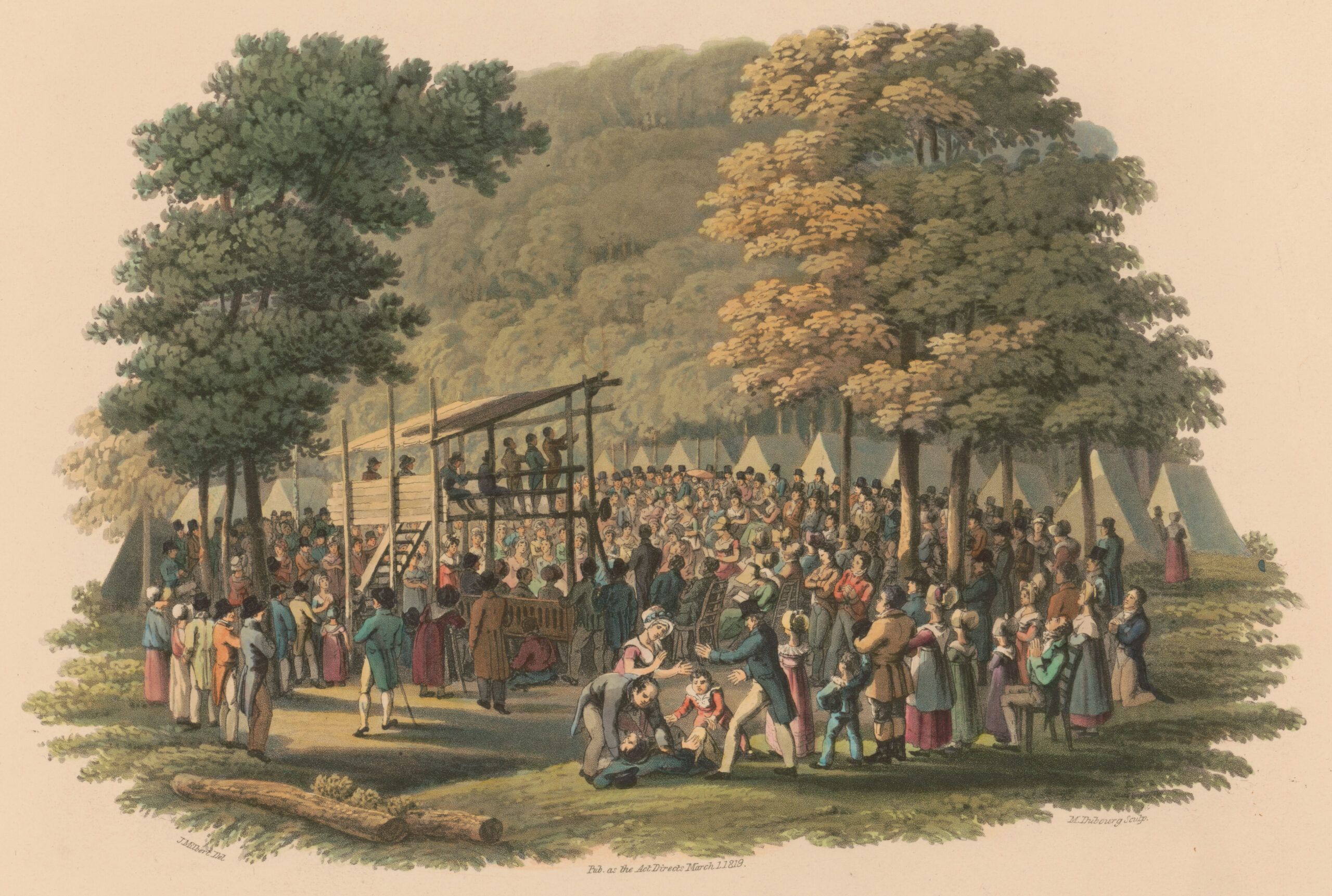
One of the most notable influences on these revivals was the Second Great Awakening, which began in the early 1800s. This movement emphasized personal faith, emotional experiences, and the importance of individual conversion. Prominent figures such as Charles Finney and Lyman Beecher were instrumental in this movement, holding large camp meetings that drew thousands of attendees.
- Charles Finney: Known for his innovative preaching style, Finney emphasized the need for immediate personal conversion and active participation in faith.
- Lyman Beecher: A prominent preacher who advocated for societal reforms alongside religious awakening, particularly in relation to temperance and abolition.
In addition to these key figures, the revivals were influenced by various social reforms of the time, including abolitionism and women’s rights. Many revivalists saw their religious mission as intertwined with social justice, leading to the establishment of organizations that sought to improve societal conditions.
For example, the Abolitionist Movement gained momentum during this period, with many revival leaders advocating for the end of slavery based on moral grounds. The connection between faith and activism was evident in the works of individuals like Sojourner Truth and Frederick Douglass, who used their religious convictions to fight for equality.
Furthermore, the influence of transcendentalism also shaped the revivalist spirit. Thinkers such as Ralph Waldo Emerson and Henry David Thoreau emphasized the importance of personal intuition and a direct relationship with the divine, encouraging individuals to seek spiritual truth beyond traditional religious institutions.
The origins and influences of the 19th century revivals were multifaceted, stemming from a combination of religious fervor, social reform, and philosophical movements. These revivals not only transformed the religious landscape but also played a crucial role in shaping the societal values of the era.
Key characteristics of revival architecture
The revival architecture of the 19th century is characterized by a unique blend of styles and elements that reflect the cultural and spiritual aspirations of the time. This architectural movement sought to reconnect with historical forms while adapting them to contemporary needs. Here are some key characteristics:
- Eclecticism: Revival architecture often combined elements from multiple historical styles, such as Gothic, Romanesque, and Classical. This eclectic nature allowed architects to create visually rich structures that appealed to a wide audience.
- Symbolism: Many revival buildings incorporated religious and cultural symbols, aiming to evoke a sense of spirituality and community. Churches, for instance, frequently featured stained glass windows depicting biblical scenes.
- Local Materials: A preference for using locally sourced materials was common. This not only helped in integrating buildings into their surroundings but also promoted sustainability. For example, the use of brick and stone was prominent in many urban churches.
- Architectural Ornamentation: Revival architecture is known for its intricate details and ornamentation. Features such as pointed arches, decorative moldings, and elaborate facades were prevalent, emphasizing craftsmanship and artistry.
One significant example of revival architecture is the Trinity Church in New York City, completed in 1846. Its Gothic Revival style, characterized by pointed arches and a towering spire, became a landmark in the city, illustrating the movement’s desire to inspire awe and reverence.
Another example is the St. Patrick’s Cathedral, also in New York, which was completed in 1878. This stunning structure showcases the Neo-Gothic style with its flying buttresses and detailed carvings, representing the aspirations of the Catholic community in an era of rapid urbanization.
Overall, the revival architecture of the 19th century reflects a period of exploration and reinterpretation of historical styles, symbolizing both a longing for the past and a commitment to modernity. The legacy of these structures continues to influence contemporary architecture.
The role of religion in 19th century revivals
The 19th century revivals were significantly shaped by the prevailing religious sentiments of the time. These movements not only aimed at spiritual renewal but also sought to address social issues. The Second Great Awakening, which spanned from the late 18th century into the 19th, played a pivotal role in revitalizing American religious life, emphasizing personal faith and emotional experiences.
Religious leaders, such as Charles Finney and Dwight L. Moody, became prominent figures during this period. Finney’s innovative techniques, such as the “anxious bench” for sinners seeking salvation, transformed revival meetings into highly participatory events. These leaders emphasized the importance of individual conversion and the need for a personal relationship with God.
- Emotional Appeal: Revivals often included passionate preaching, music, and public testimonies.
- Inclusivity: Many revivals sought to include marginalized groups, including women and African Americans, in religious practices.
- Social Reform: Movements such as abolitionism and temperance gained momentum through revivalist fervor, linking spiritual renewal to societal change.
In addition to the Second Great Awakening, various denominational revivals emerged. The Methodist Church experienced explosive growth during this time, partly due to its camp meetings, which attracted large crowds and fostered community engagement. By 1850, Methodism had become the largest Protestant denomination in the United States, demonstrating the profound impact of revivalism.
Moreover, the influence of religion in these revivals extended beyond the United States. In Europe, movements like the Oxford Movement within the Anglican Church sought to return to traditional practices and emphasize the importance of sacraments. This movement signified a broader trend across various denominations, where a revival of faith was intertwined with a critique of modernity.
Overall, the role of religion in 19th century revivals was multifaceted. It fostered a renewed sense of community, encouraged personal transformation, and sparked social activism. As a result, these revivals left a lasting legacy on both religious practices and societal reforms that continue to resonate today.
Major revival movements across Europe and America
The 19th century was marked by several significant revival movements that reshaped the religious landscape in Europe and America. These movements can be categorized into a few key types, each with distinct characteristics and impacts.
One of the most notable movements in America was the Second Great Awakening, which began in the late 18th century and peaked in the 1820s and 1830s. This movement emphasized personal faith and the need for a direct relationship with God. Camp meetings became a popular method of evangelism, attracting thousands of participants who sought spiritual renewal.
- Second Great Awakening (1790s-1840s) – Focused on individual salvation and emotional experiences.
- Methodist Revival – Led by figures like John Wesley, emphasizing circuit riding and open-air preaching.
- Evangelical Movements – Encouraged social reforms, including abolitionism and women’s rights.
In Europe, the Oxford Movement emerged in the 1830s within the Church of England. It aimed to return to the roots of Christianity, emphasizing the importance of tradition and sacraments. Key figures like John Henry Newman played a pivotal role, advocating for the revival of religious practices.
Another significant revival was the Pentecostal Movement, which began in the early 20th century but has roots in the revivals of the previous century. The Azusa Street Revival in 1906 is often cited as the birthplace of modern Pentecostalism, characterized by ecstatic worship and speaking in tongues.
Throughout these movements, there were common themes that emerged, such as:
- A focus on personal and communal experiences of faith.
- The use of new forms of worship and religious expression.
- A drive towards social reform and community involvement.
These revival movements not only transformed religious practices but also influenced societal norms and values. For instance, the abolitionist movement gained momentum through the fervor of revivalist preaching, illustrating the profound connection between faith and social action during this period.
Notable architects and their contributions
Throughout the 19th century, several architects emerged as pivotal figures in the realm of revival architecture. Their innovative designs not only reflected the cultural shifts of the time but also set new standards in architectural practices.
One of the most influential architects was Richard Upjohn, known for his work in the Gothic Revival style. His design of the Trinity Church in New York City, completed in 1846, showcased the intricate detailing and verticality characteristic of this style. Upjohn’s approach emphasized the use of local materials, which resonated with the growing American identity.
- George Edmund Street: A prominent figure in the Gothic Revival in Britain, he designed the Royal Courts of Justice in London, a project that began in 1868 and exemplified the grandeur of medieval architecture.
- Thomas Rickman: Credited with coining the term “Gothic Revival,” Rickman played a significant role in promoting the style through his influential writings and designs, including the St. Mary’s Church in Stafford.
- Henry Hobson Richardson: A key player in the Romanesque Revival, Richardson’s design of the Trinity Church in Boston, completed in 1877, is often regarded as one of the finest examples of the style in America.
Another significant architect was Augustus Pugin, who championed the Gothic Revival movement in the UK. His work on the Palace of Westminster in London, completed in 1876, highlighted the importance of architectural authenticity and craftsmanship. Pugin believed that architecture should reflect the moral and spiritual values of the society it serves.
The contributions of these architects were not merely aesthetic; they also influenced the cultural and spiritual discourse of their time. For instance, the Gothic Revival was often associated with the Romantic movement, which sought to revive medieval ideals and challenge industrialization. This connection illustrates how architecture served as a reflection of broader societal trends.
The notable architects of the 19th century played crucial roles in shaping revival architecture through their innovative designs and philosophies. Their legacies continue to inspire modern architects and remain relevant in contemporary discussions about architectural identity.
Impact of industrialization on revival styles
The rise of industrialization during the 19th century had a profound impact on revival styles in architecture and design. As cities expanded and populations surged, the demand for new buildings surged, prompting architects to adapt traditional styles to modern needs. This fusion of old and new characterized many revival movements.
One notable example is the Gothic Revival, which was heavily influenced by the industrial age’s advancements. Architects like Augustus Pugin and Charles Barry embraced Gothic elements while incorporating industrial materials such as iron and glass. The Palace of Westminster in London, completed in 1876, exemplifies this blend, showcasing intricate Gothic details alongside modern construction techniques.
- Gothic Revival: Introduced pointed arches, ribbed vaults, and flying buttresses to modern buildings.
- Romanesque Revival: Emphasized massive stone structures with rounded arches, often using brick and cast iron.
- Renaissance Revival: Combined classical elements like columns and domes with industrial innovations.
The Victorian era saw a surge in eclectic architecture, where various revival styles merged. For instance, the Trinity Church in New York City (completed in 1846) combines Gothic Revival elements with local materials, reflecting both tradition and the era’s industrial capabilities. This adaptability allowed architects to meet the needs of a growing urban population while still paying homage to historical styles.
Furthermore, industrialization facilitated the mass production of decorative elements, making it easier and more affordable to incorporate intricate designs into buildings. This accessibility led to the proliferation of revival styles across various regions. Notably, the use of cast iron for decorative facades became popular in commercial architecture, exemplified by the Cast Iron District in New York, where entire blocks were constructed using this innovative material.
Industrialization not only reshaped the architectural landscape but also allowed revival styles to flourish by merging traditional aesthetics with modern techniques and materials. This transformation left a lasting legacy, influencing architectural practices well into the 20th century.
Comparison between Gothic Revival and Neoclassical Revival
The Gothic Revival and Neoclassical Revival movements emerged as pivotal architectural styles in the 19th century, each reflecting distinct cultural and aesthetic values. While both styles sought to revive elements from earlier periods, their approaches and characteristics differ significantly.
- Gothic Revival: Characterized by pointed arches, ribbed vaults, and flying buttresses, the Gothic Revival drew inspiration from medieval Gothic architecture. It aimed to evoke a sense of spirituality and connection to the past.
- Neoclassical Revival: This movement focused on the principles of ancient Greece and Rome, emphasizing symmetry, proportion, and the use of columns. It sought to embody the ideals of reason and democracy, reflecting the Enlightenment values.
Key features of each revival include:
- Materials: Gothic Revival often utilized brick and stone, with intricate details, while Neoclassical Revival favored marble and stucco for a polished finish.
- Decorative Elements: Gothic structures featured elaborate carvings and stained glass, whereas Neoclassical buildings prominently displayed pediments, friezes, and classical motifs.
One notable example of Gothic Revival architecture is the St. Pancras Railway Station in London, completed in 1868. Its soaring towers and ornate detailing exemplify the style’s grandeur. In contrast, the US Capitol Building, completed in 1866, showcases Neoclassical principles with its dome and portico, symbolizing democracy and governance.
In terms of geographical influence, Gothic Revival was more prevalent in regions like Britain and the United States, where it was often associated with church buildings. On the other hand, Neoclassical Revival spread across Europe, heavily influencing governmental and institutional architecture.
Overall, while the Gothic Revival aimed to connect with the spiritual and historical past through elaborate designs, the Neoclassical Revival emphasized order and rationality, reflecting the changing values of society during the 19th century.
Preservation and legacy of 19th century revival buildings
The preservation of 19th century revival buildings has become a significant focus for historians, architects, and conservationists. These structures, which embody the artistic and cultural spirit of their time, are often seen as vital links to our architectural heritage.
One notable aspect of preservation efforts is the establishment of historic districts. Cities like New York and Chicago have designated areas where revival architecture is celebrated and maintained. For instance, the West End Historic District in Boston showcases a variety of revival styles, including Romanesque and Gothic.
- Restoration Projects: Numerous buildings have undergone extensive restoration, such as the Palace of Westminster in London, which has been meticulously preserved since its completion in the 19th century.
- Adaptive Reuse: Some revival structures have been repurposed for modern use, like the Old Post Office in Washington, D.C., which now houses a hotel, ensuring these historic buildings remain relevant.
- Legislative Protection: Many revival buildings are protected by laws that prevent unauthorized alterations, such as the New York City Landmarks Preservation Commission guidelines.
The legacy of 19th century revival architecture extends beyond individual buildings. It has influenced contemporary architecture, with revival elements visible in both public and private structures today. The neoclassical style can be seen in modern government buildings, while Gothic elements often appear in educational institutions.
For example, the University of Chicago, founded in 1890, features buildings designed in the Gothic Revival style, creating a lasting academic character that continues to attract students from around the world. Similarly, the Library of Congress in Washington, D.C., showcases the grandeur of the neoclassical revival, serving as a functional space while celebrating historical design.
The preservation of 19th century revival buildings is essential for maintaining our architectural heritage. The ongoing efforts to restore, adapt, and protect these structures ensure that their legacy endures, providing insight into the cultural and artistic movements of the past.
Cultural and social significance of revival architecture
The revival architecture of the 19th century played a crucial role in shaping cultural and social identities. As societies experienced rapid changes due to industrialization, these architectural styles served as a means to reconnect with historical roots. The revival movements, particularly the Gothic and Neoclassical styles, were not merely aesthetic choices; they were reflections of the values and aspirations of their time.
One significant aspect of revival architecture was its ability to evoke a sense of nostalgia. By drawing inspiration from past styles, architects sought to create buildings that resonated with the collective memory of communities. This trend can be observed in the construction of churches, public buildings, and homes that featured characteristics reminiscent of earlier architectural periods.
- Gothic Revival: Characterized by pointed arches, ribbed vaults, and flying buttresses, this style aimed to evoke a sense of spirituality and connection to the past.
- Neoclassical Revival: Emphasizing symmetry, proportion, and the use of columns, it reflected ideals of democracy and civic virtue, particularly in government buildings.
Moreover, the revival architecture also played a role in social movements. For instance, the Gothic Revival was closely associated with the Arts and Crafts Movement, which emphasized craftsmanship and a return to traditional methods. This movement sought to counteract the negative effects of industrialization by promoting the value of handmade goods and local materials.
In addition to these movements, notable examples of revival architecture can be found throughout cities in the United States and Europe. The Crystal Palace, built in 1851 for the Great Exhibition in London, exemplified the use of modern materials while embracing classical forms. Similarly, St. Patrick’s Cathedral in New York City, completed in 1878, showcases the grandeur of the Gothic Revival style and serves as a key cultural landmark.
The cultural and social significance of revival architecture lies in its ability to communicate values, aspirations, and a sense of identity. These structures continue to inspire admiration and serve as reminders of the rich historical narratives that shaped the communities in which they stand.
Frequently Asked Questions
What are the main differences between Gothic Revival and Neoclassical Revival?
The main differences lie in design philosophy and aesthetic features. Gothic Revival emphasizes verticality, intricate details, and pointed arches, while Neoclassical Revival focuses on symmetry, columns, and classical forms. These contrasting styles reflect different cultural values of the 19th century.
How have 19th century revival buildings influenced modern architecture?
19th century revival buildings have significantly influenced modern architecture by introducing elements of historical styles into contemporary designs. Architects often draw inspiration from these revivals, integrating features like ornamentation and scale, thus creating a dialogue between past and present.
What role did revival architecture play in cultural identity?
Revival architecture was pivotal in shaping cultural identity by reflecting the values and aspirations of society. As communities sought to express their heritage, these architectural styles became symbols of local pride, contributing to a sense of belonging and identity during the 19th century.
Why is the preservation of 19th century revival buildings important?
Preserving 19th century revival buildings is crucial for maintaining historical continuity and cultural heritage. These structures provide insights into past architectural practices and societal values, while also serving as critical educational resources for future generations.
Where can I find examples of 19th century revival architecture?
Examples of 19th century revival architecture can be found in many cities, particularly in historic districts. Look for landmarks and heritage sites featuring Gothic or Neoclassical styles. Local museums, architectural tours, and preservation societies often highlight these significant buildings.
Conclusion
The 19th century revival movements, particularly the Gothic Revival and Neoclassical Revival, showcased distinctive architectural styles that shaped cultural identities. Moreover, the preservation of these buildings highlights their historical significance, serving as a testament to the era’s social transformations. By understanding these architectural movements, readers can appreciate the rich cultural heritage that influences contemporary design. This knowledge can inspire innovative approaches to modern architecture, fostering a deeper connection to the past. Explore local historical sites and engage with preservation efforts in your community. Embrace the opportunity to learn more about the architectural legacies that continue to shape our environments.