Have you ever considered how the Industrial Revolution transformed the scientific landscape of the 19th century? This era marked a pivotal shift in understanding and technology, influencing everything from daily life to global economies.
In this article, you will discover the key scientific breakthroughs that defined the 19th century and examine the advancements in communication technology that revolutionized human interaction. Understanding these developments provides valuable insights into the foundations of modern science and technology.
We will explore the impact of industrialization on scientific progress, highlight crucial discoveries, and discuss the innovations in communication that changed the world during this remarkable century.
The impact of the industrial revolution on 19th century science
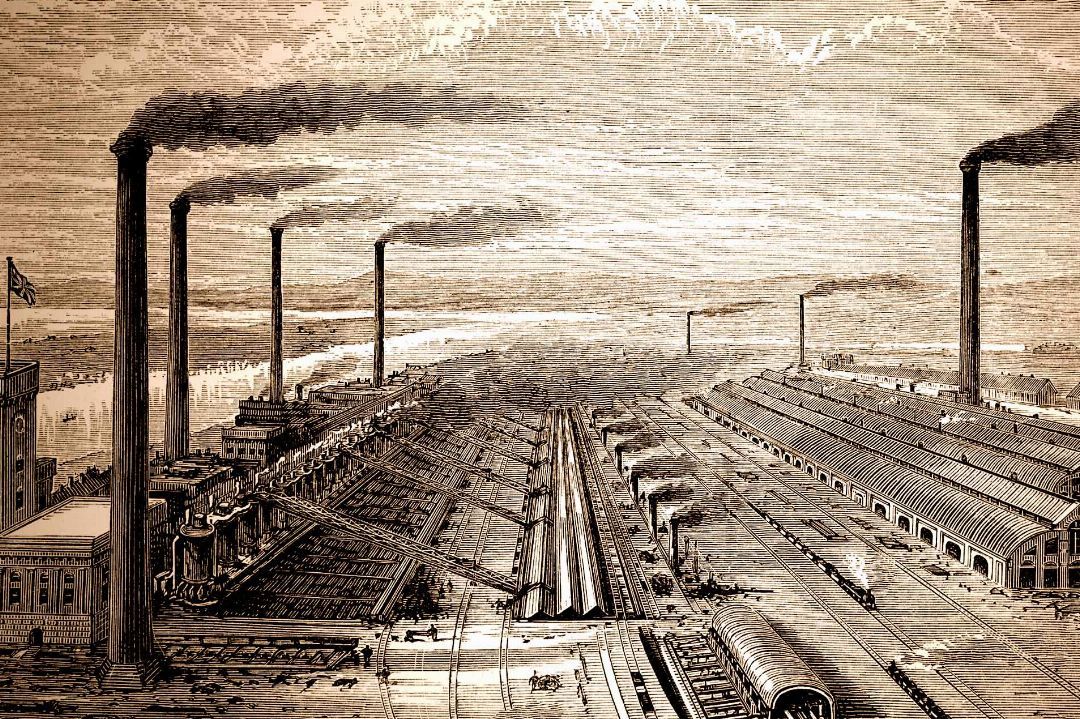
The Industrial Revolution, which began in the late 18th century and continued into the 19th century, had a profound effect on scientific advancements. It not only transformed manufacturing processes but also reshaped scientific inquiry and application. The demand for efficiency and productivity led to significant developments in various fields.
One notable impact was the establishment of scientific institutions and societies. Organizations such as the Royal Society in London and the American Association for the Advancement of Science promoted collaboration among scientists. This environment fostered innovation, as researchers shared ideas and findings more freely than ever before.
- Steam Engine: The invention of the steam engine by James Watt in the late 18th century revolutionized transportation and manufacturing.
- Telegraph: Samuel Morse’s telegraph system, developed in the 1830s, allowed for instantaneous communication over long distances.
- Photography: The introduction of photography in the 1830s by Louis Daguerre changed the way scientific observations were recorded.
Scientific fields also expanded during this time. For example, the study of chemistry evolved significantly with the work of scientists like Dmitri Mendeleev, who created the Periodic Table in 1869. This table organized known elements based on their atomic structure and properties, paving the way for future chemical research.
Furthermore, the rise of industrialization spurred a growing interest in biology and the natural sciences. Charles Darwin’s publication of “On the Origin of Species” in 1859 introduced revolutionary ideas about evolution and natural selection, fundamentally changing the understanding of life on Earth. His observations during the voyage of the HMS Beagle provided evidence that fueled scientific debate and inquiry for decades.
The Industrial Revolution catalyzed a transformation in 19th century science. The interplay of innovation, collaboration, and new ideas led to groundbreaking discoveries and advancements that shaped modern scientific thought and practice.
Key scientific discoveries that shaped the 19th century
The 19th century was a period of remarkable scientific advancements that laid the foundation for modern science and technology. Several key discoveries transformed various fields, influencing not only scientific thought but also societal structures.
One of the most significant discoveries was the formulation of the theory of evolution by Charles Darwin. In 1859, Darwin published “On the Origin of Species,” introducing the concept of natural selection. This work revolutionized biology and fundamentally changed how humanity understood its place in the natural world.
- Electromagnetism: James Clerk Maxwell’s equations, published in the 1860s, unified electricity and magnetism into a single theory. This paved the way for advancements in electrical engineering and telecommunications.
- The germ theory of disease: Proposed by Louis Pasteur and Robert Koch in the late 19th century, this theory established the link between microorganisms and disease, leading to improved public health measures and hygiene practices.
- The periodic table: Dmitri Mendeleev developed the first widely recognized periodic table in 1869. This organized elements based on their atomic weight and properties, becoming a crucial tool in chemistry.
Additionally, the invention of the steam engine by James Watt in the late 18th century continued to be refined throughout the 19th century. This innovation not only fueled the Industrial Revolution but also enabled significant advancements in transportation, including the development of railways and steamships.
Other notable discoveries included:
- The telephone: Alexander Graham Bell patented the telephone in 1876, revolutionizing communication.
- Vaccination: Edward Jenner’s work in the late 18th century laid the groundwork for vaccinations, but it was in the 19th century that vaccination techniques became more widely implemented.
- The discovery of anesthesia: In 1846, William Morton successfully demonstrated the use of ether as an anesthetic during surgery, transforming medical practices.
These discoveries and inventions not only advanced scientific understanding but also had lasting impacts on society, shaping the modern world in profound ways. The 19th century stands as a pivotal era in the history of science and technology.
Advancements in communication technology during the 19th century
The 19th century witnessed significant advancements in communication technology, transforming how people interacted and shared information. One of the most notable inventions was the telegraph, developed in the early 1830s by Samuel Morse. This device enabled instant communication over long distances, which was revolutionary for both personal and commercial exchanges.
Another pivotal development was the introduction of the telephone by Alexander Graham Bell in 1876. This invention allowed individuals to communicate in real-time, further bridging the gap between people across vast distances. The telephone’s impact on society was profound, reshaping business practices and personal relationships.
- Telegraph: Invented by Samuel Morse, it transmitted messages using Morse code over wires.
- Telephone: Developed by Alexander Graham Bell, it transformed voice communication.
- Printing Press Improvements: Innovations in printing technology, like the steam-powered press, increased the speed and efficiency of producing newspapers and books.
- Postal System Enhancements: The introduction of standardized postage rates and improved postal routes accelerated mail delivery.
In addition to these inventions, the 19th century saw improvements in the postal system. The introduction of standardized postage rates in the 1840s, particularly with the Penny Black stamp in Britain, made sending mail more accessible and affordable for the general public. This shift contributed to the democratization of information, allowing more individuals to participate in the exchange of ideas.
Furthermore, the printing press underwent significant enhancements during this period. The advent of the steam-powered printing press in the early 1800s allowed for faster production of newspapers and books. This innovation not only increased the availability of printed materials but also played a crucial role in spreading knowledge and literacy across the population.
These advancements in communication technology not only facilitated faster information exchange but also laid the groundwork for the interconnected world we live in today. The impact of these inventions can still be felt in modern communication methods.
The role of transportation innovations in 19th century societal changes
The 19th century was marked by significant innovations in transportation that reshaped societies globally. These advancements facilitated the movement of people and goods, leading to economic growth and urbanization. Notable inventions, such as the steam locomotive and the expansion of railways, dramatically changed the landscape of travel and trade.
One major development was the introduction of the steam engine, which powered trains and ships. The first full-scale working railway steam locomotive, Locomotion No. 1, was built in 1825 by George Stephenson. This invention revolutionized land transport, reducing travel time and costs significantly. By 1850, over 6,000 miles of railway were operating in Britain alone.
- Economic Impact: The railway system created jobs in construction, manufacturing, and operation, contributing to an unprecedented economic expansion.
- Urbanization: Railways facilitated the migration of people to urban areas, prompting the growth of cities as centers of industry and commerce.
- Trade Expansion: Transportation innovations allowed for quicker and more efficient movement of goods, leading to increased trade both locally and internationally.
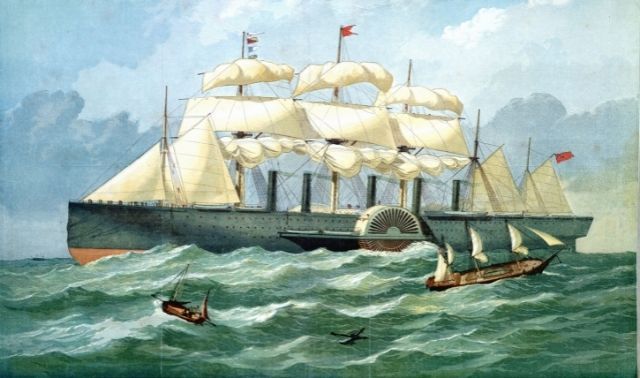
Another significant innovation was the development of steamships, which enhanced maritime travel. The introduction of the SS Great Britain in 1845, designed by Isambard Kingdom Brunel, marked a turning point in ocean travel. It was the first iron steamship to cross the Atlantic, making voyages faster and safer, thus contributing to global trade.
As transportation improved, so did communication and cultural exchange. The ability to travel rapidly across vast distances fostered a more interconnected world. People could now visit distant relatives, conduct business, and explore new places more easily than ever before.
The innovations in transportation during the 19th century not only transformed the physical landscape but also had profound societal implications. They paved the way for modern economies, urbanization, and global interconnectedness, laying the groundwork for the 20th century and beyond.
Influential scientists and inventors of the 19th century
The 19th century was a transformative era characterized by groundbreaking contributions from various scientists and inventors. Their innovations not only advanced scientific knowledge but also significantly impacted society. Among these influential figures, several stand out due to their remarkable achievements.
- Charles Darwin (1809-1882): His theory of evolution through natural selection, presented in On the Origin of Species (1859), revolutionized biological sciences. Darwin’s work laid the foundation for modern evolutionary biology.
- Louis Pasteur (1822-1895): A pioneer in microbiology, Pasteur’s discoveries, including the principles of vaccination and pasteurization, significantly improved public health and food safety.
- James Clerk Maxwell (1831-1879): His formulation of electromagnetic theory unified electricity, magnetism, and light, leading to advancements in both technology and physics.
- Thomas Edison (1847-1931): An inventor with over 1,000 patents, Edison’s development of the electric light bulb and phonograph transformed daily life and communication.
These individuals exemplify the spirit of innovation during the 19th century. Their work inspired future generations and set the stage for ongoing scientific exploration. Additionally, the collaboration among scientists contributed to rapid progress in various fields.
For instance, the establishment of scientific societies, such as the Royal Society in Britain and the American Association for the Advancement of Science in the United States, facilitated knowledge sharing and collaboration. By 1900, scientific societies had grown by over 50%, showcasing the increasing importance of collective scientific endeavors.
Furthermore, the impact of these scientists extended beyond their immediate fields. For example, Maxwell’s equations not only advanced physics but also paved the way for the development of technologies like radio and television in the 20th century. Similarly, Pasteur’s work laid the groundwork for the field of immunology, which continues to be vital in combating diseases today.
The development of medical science in the 19th century
The 19th century marked a pivotal era in medical science, characterized by groundbreaking discoveries that revolutionized health care. One of the most significant advancements was the acceptance of germ theory, championed by scientists such as Louis Pasteur and Robert Koch. Pasteur’s experiments in the 1860s demonstrated that microorganisms caused fermentation and disease, leading to the development of vaccines, including the rabies vaccine in 1885.
Additionally, the introduction of anesthesia transformed surgical practices. In 1846, dentist William Morton successfully demonstrated the use of ether as an anesthetic during surgery. This innovation drastically reduced the pain associated with surgical procedures, allowing for more complex operations and improving patient outcomes.
- Key advancements in medical science during the 19th century:
- Discovery of anesthesia (1846)
- Development of germ theory (1860s)
- Introduction of antiseptics by Joseph Lister (1867)
- Establishment of public health systems
Another notable contribution was made by Joseph Lister, who introduced the concept of aseptic surgery in 1867. He advocated for sterilization methods that drastically reduced postoperative infections, transforming surgical practices and saving countless lives. Lister’s work laid the groundwork for modern surgical techniques and hygiene standards.
Furthermore, the 19th century also saw the establishment of various medical institutions and public health initiatives. The founding of the first nursing school by Florence Nightingale in 1860 emphasized the importance of trained nurses in patient care, which improved healthcare delivery significantly. Nightingale’s work during the Crimean War also highlighted the need for sanitation and proper medical supplies in military hospitals.
Overall, the developments in medical science during the 19th century not only improved surgical techniques and patient care but also set the stage for future advancements in the medical field. The integration of scientific research into medicine paved the way for a more systematic approach to health care, creating a foundation that continues to influence modern medicine today.
How 19th century technology influenced modern engineering
The innovations of the 19th century laid the groundwork for modern engineering practices. Engineers began to apply scientific principles to design and construction, leading to significant advancements in various fields. A few key developments during this period had a lasting impact on engineering:
- The steam engine: Pioneered by inventors like James Watt, the steam engine revolutionized transportation and manufacturing. This technology enabled faster production and the movement of goods, fundamentally altering the economic landscape.
- The telegraph: Developed by Samuel Morse in the 1830s, the telegraph transformed communication. It allowed instant messaging over long distances, which was crucial for coordinating engineering projects and enhancing collaboration.
- Steel production: The Bessemer process, introduced in the 1850s, significantly reduced the cost of steel manufacturing. This innovation provided engineers with a stronger and more durable material, facilitating the construction of skyscrapers and bridges.
Another important aspect of 19th-century engineering was the rise of civil engineering as a distinct discipline. The construction of iconic structures such as:
- The London Bridge (opened in 1831)
- The Brooklyn Bridge (completed in 1883)
- The Eiffel Tower (completed in 1889)
These projects showcased the application of new materials and techniques, demonstrating the potential of engineering to reshape urban environments. Engineers began to adopt standardized practices and scientific methodologies, which are essential characteristics of modern engineering.
Moreover, the 19th century saw the establishment of engineering education, with institutions like the École Polytechnique in France, founded in 1794, and the Massachusetts Institute of Technology (MIT), founded in 1861. These institutions trained a new generation of engineers who would go on to implement advanced techniques in various sectors, from transportation to construction.
The technology of the 19th century profoundly influenced modern engineering by introducing new materials, enhancing communication, and establishing educational frameworks. The impact of these advancements continues to be felt today, as engineers build upon the foundations laid during this pivotal era.
The rise of electricity and its applications in the 19th century
The 19th century witnessed a significant surge in the understanding and application of electricity. This period was marked by pivotal experiments and inventions that shaped the future of technology. The work of innovators like Michael Faraday and Thomas Edison was instrumental in harnessing electrical energy for practical use.
In the early part of the century, Faraday’s discoveries in electromagnetic induction laid the groundwork for the generation of electric current. In 1831, he demonstrated that a changing magnetic field could induce an electric current in a wire, a principle that remains fundamental to electrical engineering today.
- 1831: Faraday invents the first electric generator.
- 1844: Samuel Morse develops the telegraph, revolutionizing long-distance communication.
- 1873: James Clerk Maxwell formulates the theory of electromagnetism.
- 1879: Thomas Edison invents the practical incandescent light bulb.
The applications of electricity expanded rapidly during the latter half of the century. The invention of the telegraph by Samuel Morse in 1844 marked a revolutionary step in communication, allowing messages to be transmitted over long distances in a matter of seconds. This innovation greatly impacted journalism, business, and personal communication.
Another notable development was Edison’s establishment of the first electrical power station in 1882. By generating electricity for public use, he laid the foundation for modern electrical grids. This power station provided electricity to around 85 customers in lower Manhattan, demonstrating the viability of electric lighting.
| Year | Event | Significance |
|---|---|---|
| 1831 | Faraday’s generator | First electric generator, foundational for future technology |
| 1844 | Morse telegraph | Transformed communication, enabling rapid message transmission |
| 1879 | Edison’s light bulb | Revolutionized indoor lighting and electrical usage |
By the end of the century, electricity was no longer a scientific curiosity; it had become an integral part of everyday life. The developments during this time not only transformed industries but also paved the way for the technological advancements of the 20th century.
Challenges and limitations faced by 19th century scientists and technologists
The 19th century was a time of immense progress in science and technology; however, it was not without its challenges and limitations. Scientists and technologists faced various obstacles that hindered their research and development efforts. These challenges can be categorized into several key areas.
- Limited technology: Many scientific advancements were constrained by the lack of advanced tools and methodologies. For example, the microscope was still relatively rudimentary, limiting the ability to observe cellular structures.
- Poor communication: The dissemination of scientific knowledge was slow. Journals were published infrequently, and many discoveries were not shared widely, which resulted in duplication of efforts and delays in progress.
- Funding issues: Research often depended on private patrons or institutions. Many promising projects struggled to secure funding, which limited the scope of experiments and the scale of scientific studies.
Moreover, the 19th century was a period marked by prevailing sociopolitical factors that impacted scientific endeavors. The scientific community faced skepticism from certain societal segments, particularly regarding revolutionary ideas that challenged established beliefs.
For instance, Charles Darwin’s theory of evolution, introduced in his work “On the Origin of Species” in 1859, faced significant backlash from religious groups and conservative scientists. This resistance exemplified how societal norms could hinder scientific acceptance and progression.
Another significant limitation was the lack of standardized scientific methods. Different researchers employed varying techniques, leading to inconsistent results. For example, in the field of chemistry, the absence of a universal system for naming chemical compounds caused confusion and hindered collaboration.
Despite remarkable advancements during the 19th century, scientists and technologists encountered numerous challenges. Limited technology, poor communication, funding issues, societal skepticism, and lack of standardization were significant barriers that shaped the scientific landscape of the era. Understanding these limitations provides valuable insights into the evolution of scientific inquiry and technological innovation.
Frequently Asked Questions
What were the major scientific breakthroughs of the 19th century?
The 19th century was marked by several scientific breakthroughs, including the development of the germ theory by Louis Pasteur and the formulation of the laws of thermodynamics. These advancements significantly transformed various fields, including medicine and physics.
How did the Industrial Revolution impact technology in the 19th century?
The Industrial Revolution led to the rapid advancement of technology in the 19th century. Innovations in machinery, steam engines, and manufacturing processes revolutionized production methods, leading to increased efficiency and economic growth.
Who were the key figures in 19th century science and technology?
Key figures included Charles Darwin, who introduced the theory of evolution, and Thomas Edison, known for his work on the electric light bulb. Their contributions had lasting impacts on both science and technology.
What were some common challenges faced by scientists in the 19th century?
Scientists in the 19th century faced various challenges, including limited funding for research and a lack of advanced technology. Additionally, societal skepticism often hindered the acceptance of new scientific ideas and discoveries.
How did the rise of electricity change society in the 19th century?
The rise of electricity transformed society by facilitating communication and enhancing daily life. Innovations like the telegraph and electric lighting significantly improved connectivity and productivity, shaping modern urban environments.
Conclusion
The 19th century was pivotal in shaping modern engineering through significant technological advancements, the rise of electricity, and the challenges faced by scientists and technologists. These developments not only transformed industries but also laid a foundation for future innovations in engineering. By understanding these historical advancements, readers can appreciate the profound impact of early scientific principles on contemporary engineering practices. This knowledge can enhance problem-solving skills and inspire innovative thinking in various fields. To dive deeper into the influence of 19th-century innovations, explore related resources or engage in discussions with peers. Embrace the legacy of the past to fuel your future endeavors.