Have you ever wondered how 19th-century attire reflects the cultural and social changes of its time? Understanding this era’s fashion can provide insights into the values and lifestyles of the people who lived during it.
This article will explore the evolution of fashion throughout the 19th century, the key fabrics and materials used, and the typical men’s attire of the period. By delving into these aspects, you will gain a deeper appreciation for historical trends and their significance.
We will cover the transformative styles from the beginning to the end of the century, highlighting the materials that defined the era and examples of classic men’s fashion, offering a comprehensive overview of 19th-century clothing.
Evolution of fashion throughout the 19th century
The 19th century witnessed a remarkable transformation in fashion, reflecting broader social changes, technological advancements, and cultural shifts. Starting with the Regency era (1811-1820), clothing emphasized elegance and refinement. Women wore high-waisted dresses made of light fabrics, while men donned tailored suits with high collars. This period set the tone for future styles.
As the century progressed, the Victorian era (1837-1901) brought significant changes. Women’s attire featured fuller skirts supported by petticoats and crinolines, while men’s fashion became more formal. The introduction of the sewing machine in the 1850s revolutionized garment production, making fashionable clothing more accessible. For instance, the popularization of the bustle in the 1870s created a new silhouette that emphasized the back of the dress.
- 1820s: High-waisted gowns for women; tailcoats for men.
- 1850s: Crinolines introduced; sewing machine impacts fashion.
- 1870s: Bustles emerge, creating dramatic silhouettes.
- 1890s: Introduction of tailored suits for women; sport clothing gains popularity.
A notable example of this evolution is the transition seen in wedding dresses. In the early 19th century, brides wore their best dresses, often in colors like blue or pink. However, Queen Victoria’s choice of a white gown in 1840 popularized the color for weddings, leading to the iconic white wedding dress that is still prevalent today.
By the end of the century, fashion began to embrace a more practical approach. The rise of the middle class and the influence of sports and leisure activities led to the introduction of casual wear. Women’s clothing became more functional, with tailored suits and simpler designs, while men began to wear less formal attire in everyday settings. This shift laid the groundwork for the modern fashion landscape of the 20th century.
Key fabrics and materials used in 19th century clothing
The 19th century was characterized by a diverse range of fabrics and materials that played a crucial role in shaping clothing styles. The industrial revolution significantly impacted textile production, allowing for greater variety and accessibility of fabrics.
- Cotton: Widely used due to its affordability and comfort, cotton became increasingly popular during this period. By the mid-1800s, the invention of the cotton gin boosted production, making it a staple for everyday wear.
- Wool: Known for its warmth and durability, wool was used extensively for outer garments. Varieties such as merino wool gained favor for their softness and fine texture, particularly in the creation of tailored suits.
- Silk: A luxury fabric, silk was favored for formal attire and evening wear. It was often used in decorative elements like ribbons and trims, showcasing wealth and status.
- Linen: Preferred for summer garments, linen was valued for its breathability. It was commonly used in shirts and dresses, providing comfort in warmer climates.
In addition to these primary fabrics, several other materials were also prevalent:
- Velvet: This rich fabric was often used for evening gowns and formal wear, providing a distinctive texture and opulence.
- Calico: A type of cotton fabric printed with colorful patterns, calico became popular for casual dresses and children’s clothing.
- Serge: A sturdy wool fabric, serge was often used for military uniforms and workwear due to its resilience.
The 19th century also saw the introduction of new manufacturing techniques, such as the Jacquard loom, which allowed for intricate patterns in fabrics. This innovation led to a surge in decorative textiles, enriching the visual appeal of garments.
For example, by the 1850s, the use of printed cottons and silks with elaborate designs was common, reflecting artistic movements of the time. The combination of these fabrics not only defined the aesthetics of clothing but also indicated social status, with wealthier individuals often opting for more luxurious materials.
Typical men’s attire in the 19th century
Men’s fashion in the 19th century was characterized by a variety of styles that evolved significantly over the decades. The early part of the century was dominated by tailcoats, waistcoats, and breeches, which were staples in men’s wardrobes. By the mid-century, the introduction of the sack suit marked a shift towards more relaxed and practical attire.
During the early 1800s, the frock coat became popular, often paired with a waistcoat and cravat. The frock coat was typically knee-length and featured a fitted silhouette, which highlighted the body’s shape. As the century progressed, trousers began to replace breeches, leading to a more modern look.
- Frock Coat: A knee-length coat with a fitted waist and flared skirt, popular from 1800 to 1850.
- Sack Suit: Introduced in the 1860s, this looser-fitting suit became the standard for everyday wear.
- Waistcoat: Often brightly colored and patterned, worn beneath a frock or sack coat.
- Cravat: A neckpiece that evolved into various styles, including the bow tie and necktie.
By the 1860s, the sack suit gained prominence. This suit featured a looser cut, making it more comfortable for daily wear. It consisted of a jacket, trousers, and a waistcoat. The sack suit was often made from wool and was suitable for both formal and casual occasions.
Accessories also played an essential role in completing men’s outfits. Top hats were a popular choice for formal events, while bowler hats emerged later in the century as a more casual option. Additionally, men often wore gloves and carried walking sticks as part of their attire.
The evolution of men’s fashion throughout the 19th century reflects broader societal changes. The transition from the tailored frock coat to the more relaxed sack suit marked a significant shift towards practicality and comfort in men’s clothing, influencing modern fashion trends.
Women’s fashion trends in the 19th century
Women’s fashion in the 19th century underwent significant changes, influenced by various social and cultural factors. The century can be divided into distinct fashion periods, each characterized by unique styles, silhouettes, and trends that reflected the evolving roles of women in society.
In the early 1800s, the Empire silhouette dominated women’s fashion. This style featured high waistlines just below the bust, flowing skirts, and lightweight fabrics like muslin. Popularized by figures such as Empress Josephine, dresses were typically adorned with delicate embroidery or lace.
- Empire waist dresses (1800-1820)
- Full skirts with petticoats (1820-1840)
- Crinolines and bustled skirts (1850-1870)
- Natural waistlines and tailored suits (1880-1900)
As the century progressed, the Romantic period (1830-1850) introduced fuller skirts supported by petticoats. Fabrics became more luxurious, with silk and velvet gaining popularity. Women’s clothing began to represent a shift towards more elaborate and decorative styles, reflecting the increasing emphasis on femininity and beauty.
The introduction of the crinoline in the mid-19th century marked a significant change in women’s fashion. This structure allowed skirts to expand dramatically, creating a bell-shaped silhouette. By the 1860s, crinolines became a staple in women’s wardrobes, with some skirts reaching widths of up to six feet.
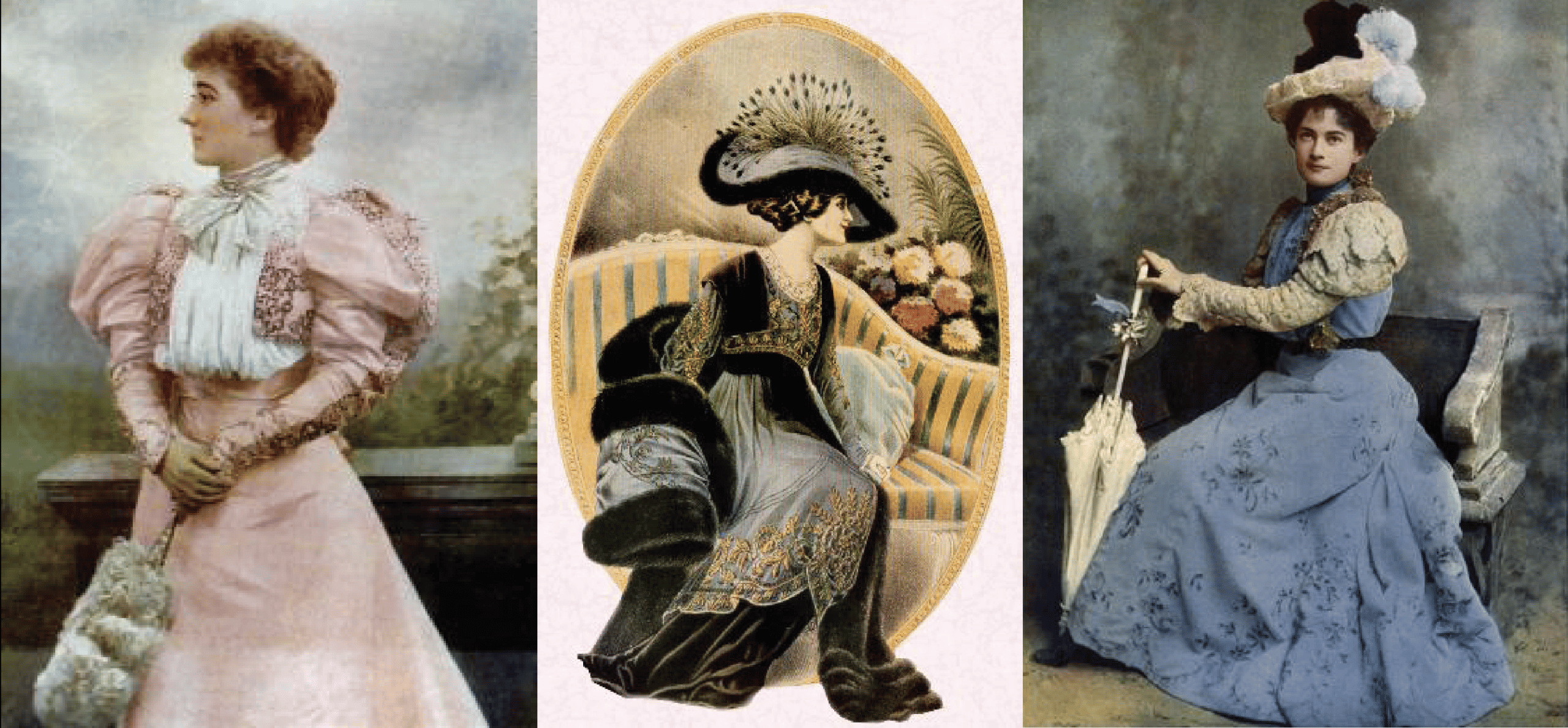
In the later part of the century, the bustle emerged, shifting the fullness of the skirt from the front to the back. This change allowed for a more streamlined appearance in the front while creating an exaggerated rear profile. The bustle was particularly popular during the 1870s and 1880s, with women often pairing it with fitted bodices for a dramatic effect.
By the end of the 19th century, women’s fashion began to embrace a more practical approach. The introduction of tailored suits and dresses with natural waistlines indicated a shift towards functional fashion. This period also saw the rise of women’s rights movements, which influenced clothing choices that allowed for greater mobility and comfort.
The influence of social class on 19th century dress
The 19th century witnessed a significant influence of social class on fashion, shaping not only the styles adopted by individuals but also the materials and accessories they could afford. Clothing became a clear indicator of one’s social standing, reflecting wealth, status, and lifestyle choices.
During this period, distinct styles emerged that were often associated with specific classes. For example, the upper class favored luxurious fabrics such as silk and velvet, often adorned with elaborate embroidery. In contrast, the working class relied on more durable fabrics like wool and cotton, which were practical and affordable.
- Upper Class: Preferred fabrics included silk, lace, and fine wool.
- Middle Class: Often wore cotton and wool blends, reflecting their growing economic stability.
- Working Class: Utilized coarse fabrics like linen and less expensive wool.
Notably, the Industrial Revolution played a pivotal role in democratizing fashion. The rise of textile manufacturing enabled the middle class to access styles that were once exclusive to the elite. By the mid-19th century, ready-to-wear clothing became more prevalent, allowing broader segments of society to emulate the fashions of higher classes.
For instance, in the 1850s, women’s dresses often featured wide crinoline skirts, which were a hallmark of upper-class fashion. However, similar styles appeared in the wardrobes of the middle class, albeit crafted from less expensive materials. This trend illustrated how fashion could transcend class boundaries while still retaining class distinctions.
Furthermore, accessories such as hats, gloves, and shoes were essential in signaling social status. A well-to-do individual would often be seen with a tailored hat and leather gloves, while those of lower classes typically opted for simpler, more practical options. According to a study, approximately 30% of a wealthy individual’s wardrobe was dedicated to accessories alone, highlighting their importance in 19th-century social dynamics.
The influence of social class on 19th-century dress was profound and multifaceted. It not only dictated the styles and materials used but also reflected the broader social and economic changes occurring during this transformative period.
Children’s clothing styles in the 19th century
Children’s clothing in the 19th century reflected the broader fashion trends of the time while also adapting to the unique needs and roles of children. In the early part of the century, children’s attire was closely modeled after adult styles, emphasizing a sense of conformity within families.
For boys, typical outfits included short trousers paired with waistcoats and jackets. This style was practical for active children and allowed for ease of movement. By the mid-century, the introduction of knickerbockers became popular, often worn with long socks and a cap. These garments were designed to facilitate play while maintaining a fashionable appearance.
- Infants: Infants were dressed in soft, long gowns, often made from cotton or silk, that extended to their ankles.
- Young Boys: As they grew, boys transitioned to the “sailor suit,” which became a popular choice, especially in coastal areas.
- Girls: Girls wore dresses that mirrored adult women’s fashion, featuring puffed sleeves and wide skirts, often supported by crinolines.
By the late 19th century, children’s clothing began to differentiate more significantly between genders. Girls’ dresses became more elaborate, often adorned with lace, ribbons, and intricate patterns. This period also saw the introduction of the princess style gown, which emphasized a slim waist and fuller skirts.
A notable example of children’s fashion is the 1880s trend where girls’ clothing became increasingly influenced by the Romantic movement, leading to softer fabrics and pastel colors. This shift highlighted a broader cultural emphasis on childhood innocence and femininity.
Moreover, the rise of the department store in urban areas during the late 19th century allowed for greater accessibility to fashionable clothing for children. Stores began offering ready-made garments, making it easier for families to purchase stylish outfits without the need for custom tailoring.
Children’s clothing styles in the 19th century were marked by a blend of practicality and fashion. The evolution from adult-inspired outfits to more distinct and gender-specific clothing illustrates the changing perceptions of childhood during this era.
The role of accessories in 19th century outfits
Accessories played a crucial role in the overall aesthetic of 19th century outfits, serving both functional and decorative purposes. They were essential in completing a look and often indicated the wearer’s social status. From hats to jewelry, the right accessory could transform an outfit significantly.
During this era, accessories varied greatly across different social classes and occasions. Wealthier individuals often had access to a wider range of luxurious items, while those from the lower classes made do with simpler accessories. Some popular accessories included:
- Hats: From bonnets to top hats, headwear was a significant fashion statement.
- Shawls: Often made of fine materials, shawls added elegance to women’s dresses.
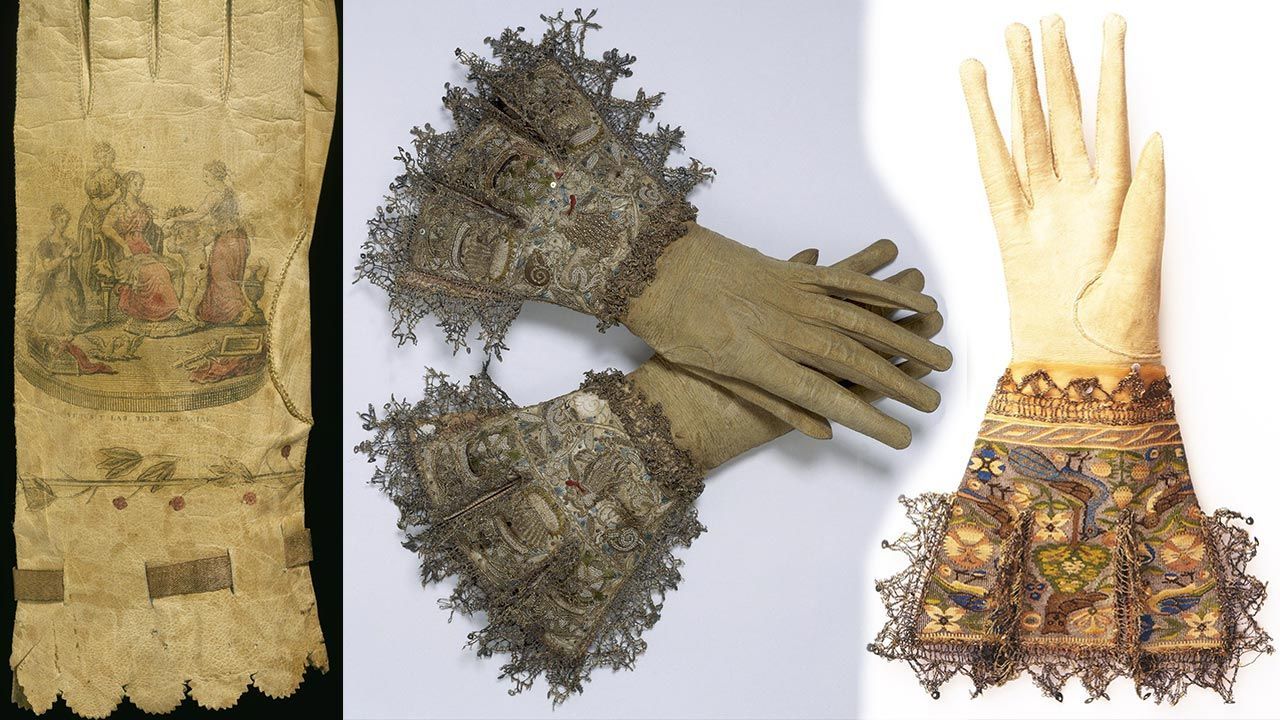
- Gloves: Worn by both men and women, gloves were symbols of refinement.
- Jewelry: Brooches, necklaces, and earrings were commonly adorned with gemstones, reflecting wealth.
Hats, in particular, evolved throughout the century. In the early 1800s, women donned bonnets adorned with ribbons and flowers, while men favored top hats for formal occasions. By the mid-century, the styles became more elaborate, with women’s hats incorporating feathers and wide brims, showcasing personal style and societal trends.
Jewelry also played a significant role in fashion. For instance, during the Victorian era, mourning jewelry became popular. Pieces made from materials like jet were worn as a sign of mourning, while other decorative items showcased intricate designs and craftsmanship. Between 1850 and 1870, the use of gold and silver increased, making jewelry more accessible to the middle class.
In addition to personal adornment, accessories were often practical. For example, men carried pocket watches and women utilized reticules—small handbags designed to carry essential items. These practical accessories complemented their outfits while serving useful functions in daily life.
The careful selection of accessories in the 19th century not only reflected individual style but also communicated social standing and adherence to fashion norms. The evolution of accessory trends throughout the century illustrates the dynamic nature of fashion during this period, marking the importance of these items in creating a complete and polished look.
How historical events shaped 19th century fashion
The 19th century was a period of profound transformation, with historical events significantly influencing fashion trends. The impact of the Industrial Revolution, wars, and social movements reshaped not only clothing styles but also the materials and manufacturing processes used.
One of the most notable influences came from the Industrial Revolution, which began in the late 18th century and continued into the 19th. This era introduced new textile manufacturing techniques, resulting in the mass production of fabrics. As a result, clothing became more accessible to the middle class, leading to a diversification of styles.
- 1830s: The introduction of the sewing machine revolutionized garment production.
- 1856: The creation of synthetic dyes allowed for bolder colors in clothing.
- 1870s: Ready-to-wear clothing emerged, making fashionable attire available to a broader audience.
Moreover, significant political events also shaped fashion. The American Civil War (1861-1865) influenced military styles, which were adopted into civilian fashion. Uniforms inspired tailored suits for men and structured dresses for women, emphasizing a sense of order and propriety.
Another turning point was the French Revolution (1789-1799), which led to a rejection of the excesses of aristocratic fashion. The shift towards simpler, more practical clothing reflected the new democratic ideals. The rise of Romanticism in the early 19th century further popularized flowing garments and natural silhouettes, emphasizing emotional expression through fashion.
| Event | Fashion Impact |
|---|---|
| Industrial Revolution | Mass production of fabrics; affordability of clothing |
| American Civil War | Adoption of military styles in civilian fashion |
| French Revolution | Shift towards simpler, practical clothing |
| Romanticism | Emphasis on flowing garments and emotional expression |
Historical events in the 19th century intertwined with fashion to reflect changing societal norms and technological advancements. The era’s clothing was not merely a matter of style but a representation of the times, demonstrating how deeply interconnected fashion is with history.
Preservation and restoration of 19th century garments
The preservation and restoration of 19th century garments is essential for understanding historical fashion and culture. These garments provide insight into the social dynamics, craftsmanship, and materials of the era. However, due to their age, these pieces often require careful handling and specific techniques to maintain their integrity.
One of the primary methods for preserving garments is environmental control. This involves storing items in a climate-controlled environment to prevent damage from humidity, temperature fluctuations, and light exposure. Ideal conditions typically include:
- Temperature: 65-70 degrees Fahrenheit (18-21 degrees Celsius)
- Humidity: 40-50% relative humidity
- Light: Limited exposure to ultraviolet light
In addition to environmental control, cleaning techniques are crucial for restoration. Many 19th century garments are made from delicate fabrics such as silk and lace. Therefore, professional conservators often recommend:
- Dry cleaning for heavily soiled items
- Spot cleaning with gentle detergents for minor stains
- Hand washing in cold water for more durable fabrics
Restoration processes can vary significantly based on the garment’s condition and historical value. For instance, a notable project was the restoration of a 19th century wedding dress belonging to Queen Victoria. The dress underwent meticulous cleaning and repair, preserving its intricate lace and beadwork.
Another example is the Textile Conservation Laboratory at the Smithsonian Institution, where experts work on garments from various periods, including the 19th century. Their methods include:
- Stitching loose seams with archival thread
- Reinforcing weak areas with invisible patches
- Creating custom supports for display purposes
The preservation and restoration of 19th century garments require a blend of scientific knowledge and artistic skills. By employing appropriate techniques, conservators ensure that these historical treasures remain accessible and informative for future generations.
Frequently Asked Questions
What were common materials used in 19th century attire?
Common materials included wool, cotton, silk, and linen. Each fabric served different purposes, with wool being popular for warmth, while silk was favored for its luxury and elegance. The choice of fabric often reflected social status and occasion.
How did social class influence 19th century fashion?
Social class had a significant impact on fashion in the 19th century. Wealthy individuals could afford more elaborate and tailored garments, while the working class wore simpler, more practical clothing. This disparity was evident in fabric choices, styles, and accessories.
What accessories were popular in the 19th century?
Accessories varied widely and included items such as hats, gloves, shawls, and jewelry. These elements not only complemented outfits but also served functional purposes, like providing warmth or protection from the sun.
How did the Industrial Revolution affect clothing production?
The Industrial Revolution revolutionized clothing production, introducing machinery that allowed for mass manufacturing. This led to a decrease in costs and made fashion more accessible, transforming the way people approached their wardrobes.
Where can I find authentic 19th century garments?
Authentic 19th century garments can be found in museums, antique shops, and specialized vintage stores. Online platforms also offer auctions and sales of historical pieces, providing collectors and enthusiasts access to unique artifacts.
Conclusion
Accessories were integral to 19th century attire, enhancing both functionality and style. Historical events, such as the Industrial Revolution, significantly shaped fashion trends, while the preservation of garments allows for a deeper understanding of cultural heritage and aesthetics. By exploring these aspects, readers can gain valuable insights into the evolution of fashion, enriching their appreciation for historical attire. Understanding these influences can also inspire modern fashion choices that reflect a blend of history and contemporary style. To delve deeper into 19th century fashion, consider visiting local museums or online archives to explore authentic garments and accessories. Embrace the past to inform your present and future fashion sense!