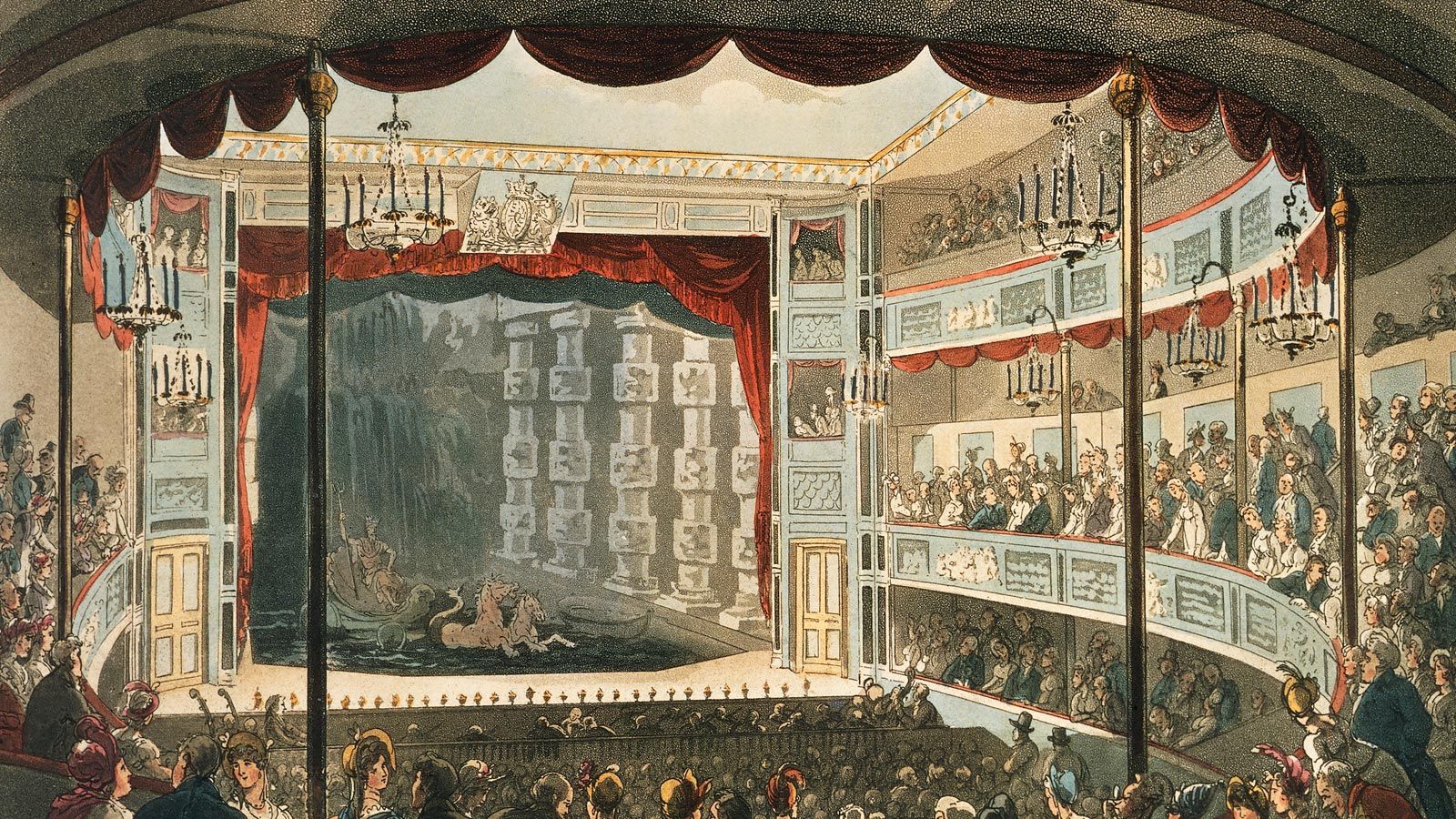
Have you ever wondered how the theatrical landscape of 19th century Paris influenced modern performance arts? This period marked a significant transformation in theatre, reflecting the social and cultural shifts of the time.
In this article, you will discover the evolution of Paris theatre, key playwrights who shaped its direction, and the essential role of opera in captivating audiences. Understanding these aspects not only enriches your knowledge of theatre history but also highlights its lasting impact on contemporary arts.
We will explore topics such as the innovative styles of playwrights, the emergence of iconic theatre venues, and the interplay between opera and traditional theatre during this vibrant era.
The evolution of Paris theatre in the 19th century
The 19th century marked a significant transformation in the landscape of Paris theatre, driven by social, political, and artistic changes. The early part of the century was dominated by the romantic movement, which emphasized emotion and individualism, influencing playwrights and performances alike. Notable figures such as Victor Hugo and Alexandre Dumas emerged during this period, producing works that captivated audiences.
As the century progressed, the theatrical scene diversified. The establishment of new venues, such as the Théâtre de l’Odéon in 1824 and the Théâtre du Palais-Royal, expanded the opportunities for theatrical expression. These theatres became platforms for both classical and contemporary works, accommodating various genres and styles.
- Romanticism (1800-1850): Characterized by emotional narratives and heroic characters.
- Realism (1850-1900): Focused on everyday life and social issues, challenging romantic ideals.
- Naturalism (late 1800s): Emerged from realism, emphasizing a more scientific approach to storytelling.
One of the pivotal moments in Paris theatre was the 1843 premiere of Hugo’s play Ruy Blas. This production not only showcased the romantic style but also highlighted the growing influence of the audience in shaping theatrical trends. The response to the play indicated a shift towards more dynamic and engaging performances, paving the way for future innovations.
By the latter half of the century, the rise of realism and naturalism brought forth playwrights like Émile Zola and Anton Chekhov, who challenged traditional narratives. Their works often depicted the struggles of the working class, reflecting the socio-political climate of the time. For example, Zola’s Thérèse Raquin (1867) confronted themes of passion and morality, resonating deeply with contemporary audiences.
Technological advancements also played a crucial role in this evolution. The introduction of gas lighting in theatres improved visibility and allowed for more dramatic staging. By the end of the century, Paris theatres had become vibrant cultural hubs, showcasing a blend of innovation, tradition, and social commentary.
Key playwrights and their influence on Paris theatre
The 19th century saw the emergence of several influential playwrights who significantly shaped the Paris theatre scene. Their works not only reflected the changing societal norms but also challenged existing artistic conventions.
- Eugène Scribe (1791-1861): A pioneer of the well-made play, Scribe’s structure and plot devices set the standard for French drama. His notable works include Les Filles de Marbre (1841) and La Bataille de Dames (1851), which highlighted social issues and character complexity.
- Victor Hugo (1802-1885): As a leading figure in the Romantic movement, Hugo’s play Hernani (1830) sparked a revolution in theatre. His emphasis on emotional expression and historical themes paved the way for future playwrights to explore deeper human experiences.
- Henri Becque (1837-1899): Known for his naturalistic style, Becque’s work La Parisienne (1885) challenged traditional narratives by presenting more realistic characters and situations, thereby influencing modern theatre.
These playwrights, among others, not only contributed to the evolution of theatrical styles but also addressed themes such as class struggle, identity, and morality. Their plays often mirrored the political climate of the time, providing audiences with both entertainment and a reflection of societal issues.
For instance, Hugo’s Ruy Blas (1838) portrays the struggles of a lowly servant in a corrupt society, illustrating the tensions between different social classes. This play resonated with audiences during a time of political upheaval in France, demonstrating the power of theatre as a medium for social commentary.
An important aspect of these playwrights’ influence was their ability to inspire future generations. The dramatic techniques and themes introduced during this period laid the groundwork for 20th-century theatre, including the absurdist and existential movements.
The contributions of these key playwrights were instrumental in shaping the landscape of Paris theatre during the 19th century. Their innovative approaches and compelling narratives continue to be celebrated in contemporary theatre, showcasing the enduring legacy of their work.
The role of opera in 19th century Parisian theatre
Opera played a pivotal role in the cultural landscape of 19th century Paris, becoming a central aspect of theatrical life. The Opéra de Paris, established in the 17th century, gained prominence during this period, showcasing grand performances that attracted both the elite and the general public. The increasing popularity of opera influenced other theatrical forms and established a vibrant artistic community.
Throughout the 19th century, opera experienced significant innovations, particularly with composers like Giacomo Puccini, Richard Wagner, and Charles Gounod. Their works introduced new themes and musical styles that resonated with contemporary audiences. For instance, Gounod’s Faust, premiered in 1859, became a staple of the operatic repertoire, blending dramatic narrative with rich musical composition.
- Increased Accessibility: The establishment of smaller opera houses allowed more people to experience opera.
- Social Commentary: Operas often reflected societal issues, addressing themes like love, betrayal, and conflict.
- Collaboration with Playwrights: Many operas were based on popular plays, bridging the gap between spoken theatre and operatic performance.
The influence of opera extended beyond the stage, impacting fashion and social events in Paris. The Grand Opera became synonymous with lavish balls and soirées, where the elite showcased their wealth and style. This symbiotic relationship further elevated the status of opera within Parisian society.
A notable example of opera’s impact can be seen in the construction of the Palais Garnier, completed in 1875. This architectural marvel not only served as a venue for opera but also symbolized the artistic ambition of Paris during the 19th century. Its opulent design and grandiosity reflected the cultural aspirations of the time.
Opera significantly shaped the Parisian theatre scene in the 19th century, influencing both artistic expression and social dynamics. Its legacy continues to resonate today, underscoring the importance of opera in the evolution of theatrical arts.
Innovations in stage design and technology
The 19th century was a period of remarkable advancements in stage design and technology, transforming the theatrical experience in Paris. Innovations such as the box set, electric lighting, and new machinery for special effects significantly enhanced production quality and audience engagement.
One of the most notable innovations was the introduction of the box set in the 1820s. This design allowed for realistic interior scenes, providing depth and perspective that were previously unattainable. The box set consisted of three walls and a ceiling, creating an immersive environment that captivated audiences.
- **Box Set**: Introduced in the 1820s, this design created realistic settings.
- **Gas Lighting**: Began replacing candles in the 1830s, allowing for brighter and more controllable lighting.
- **Electric Lighting**: By the late 1880s, electric lights revolutionized stage illumination, enhancing visual effects.
- **Mechanical Innovations**: New stage machinery enabled quick scene changes and dynamic special effects.
The transition from gas lighting to electric lighting in the late 19th century marked a major turning point. Gas lighting, which had been in use since the 1830s, was gradually replaced by electric lights. This shift provided a more reliable and brighter source of illumination, allowing designers to create dramatic effects and enhance the overall atmosphere of performances.
Additionally, advancements in stage machinery facilitated rapid scene changes and elaborate special effects. For instance, the use of trap doors, flying machines, and revolving stages became increasingly common. These technologies allowed for more dynamic storytelling and a visually engaging experience for the audience.
One prominent example is the 1881 production of *La Tempête* at the Théâtre de la Renaissance, which showcased a rotating stage that allowed for seamless transitions between scenes. Such innovations were pivotal in establishing Paris theatre as a leader in theatrical production technology during the 19th century.
The impact of political changes on theatrical productions
The 19th century in France was marked by significant political upheaval, including revolutions and changes in government that greatly influenced theatrical productions. These political shifts created an environment where theatre became a platform for social commentary and political dissent.
For instance, the 1848 Revolution led to a surge in plays that critiqued the government, reflecting the public’s desire for change. Playwrights like Alexandre Dumas and Eugène Scribe utilized their works to address contemporary issues, making the theatre a vital space for public discourse.
- 1850s: The establishment of the Second Empire under Napoleon III allowed for more censorship, but also a flourishing of operatic and dramatic works that catered to the tastes of the bourgeoisie.
- Political censorship: Many playwrights adapted their works to navigate the strict censorship laws, often employing allegory and symbolism to convey their messages.
- Impact on content: The political climate influenced the themes of many productions, with an emphasis on nationalism and social justice.
A notable example is the play Les Burgraves by Victor Hugo, which premiered in 1843. This work reflected the tumultuous political landscape and addressed themes of power and justice. Despite facing backlash and censorship, Hugo’s work resonated with audiences who were eager for political engagement through theatre.
In addition to content, the venues themselves were affected by political changes. Theatres became gathering places for political discussions, and their architecture often reflected the prevailing political ideals. The Théâtre de la Renaissance, for example, was known for its grand design and was a site for performances that mirrored the aspirations of a changing society.
By the late 19th century, the impact of the Dreyfus Affair brought about further political engagement in theatre. Many productions began to tackle themes of injustice and anti-Semitism, showcasing the theatre’s role in reflecting and influencing public opinion.
Popular theatre venues and their significance
The 19th century saw the emergence of several iconic theatre venues in Paris, each contributing significantly to the cultural fabric of the city. The Opéra Garnier, inaugurated in 1875, stood as a symbol of opulence, featuring a grand auditorium that could seat over 2,000 spectators. It became a hub for operatic performances, attracting audiences from all walks of life.
Another prominent venue was the Théâtre-Français, established in 1680 but gaining renewed importance during the 19th century. This theatre specialized in classic French drama, showcasing works by playwrights like Molière and Racine. The Théâtre-Français also played a vital role in promoting new writers, which helped to shape the theatrical landscape of the time.
- Opéra de Paris: A cornerstone of operatic performance, it showcased masterpieces by composers like Verdi and Wagner.
- Théâtre de l’Odéon: Known for its intellectual productions, it often hosted plays that addressed contemporary social issues.
- Folies Bergère: This venue was significant for its vibrant musical performances and operettas, drawing in diverse audiences.
The significance of these venues extended beyond mere entertainment. They served as platforms for political expression and social commentary. For instance, the Théâtre de la Gaîté, which opened in the 1860s, often included productions that reflected the tumultuous political climate of the time. Its performances provided a voice for the common people, critiquing the government and societal norms.
In addition to their artistic contributions, these theatres were also crucial in fostering a sense of community. The audiences that gathered were diverse, comprising both the bourgeoisie and the working class. This mix created a unique atmosphere, allowing for shared experiences and dialogues among different social groups.
Overall, the popular theatre venues of 19th century Paris were not just places for entertainment; they were vital cultural institutions that influenced societal norms, political discourse, and artistic innovation. Their legacy continues to resonate in today’s theatrical practices, reflecting the historical significance of these spaces.
Audience demographics and social dynamics
The audience demographics of 19th century Paris theatre were diverse, reflecting the complex social structure of the time. Theatres attracted a variety of social classes, from the bourgeoisie to the working class. This mixture created a unique atmosphere that influenced the performances and the reception of theatrical works.
Different segments of society engaged with theatre in distinct ways. Key demographics included:
- The Bourgeoisie: This middle class formed a significant portion of the audience. They valued theatre as a means of social status and cultural capital.
- The Working Class: Often attending cheaper performances, the working class sought entertainment and escapism from their daily struggles.
- Intellectuals and Artists: Writers, painters, and thinkers frequented theatres to discuss and critique the evolving art forms and political themes presented on stage.
The societal dynamics within the audience also played a crucial role in shaping theatrical productions. For instance, the rise of the Romantic Movement in the early 19th century was reflected in the themes and styles of plays that resonated with the emotions and aspirations of the audience.
One notable example of audience influence was the success of Victor Hugo’s play Hernani, which premiered in 1830. The premiere sparked a fierce debate between traditionalists and romantics, leading to the infamous Battle of Hernani. This event showcased how audience reactions could directly impact theatrical norms and practices.
Theatres also adapted their programming to cater to the evolving demographics. For example, the Odéon Theatre became known for its innovative productions that appealed to both the elite and the masses, often featuring popular melodramas that highlighted social issues.
The interplay between audience demographics and social dynamics significantly shaped the theatrical landscape of 19th century Paris. The diverse audience not only consumed performances but also actively participated in the cultural dialogue, influencing the direction of theatre as an art form.
The relationship between Paris theatre and other European movements
The 19th century was a pivotal time for theatre across Europe, with Paris at the forefront of many artistic movements. The relationship between Paris theatre and other European movements was both reciprocal and influential, as Parisian playwrights and performers drew inspiration from and contributed to various trends across the continent.
One notable movement was Romanticism, which emerged in the early 19th century. This movement emphasized emotion and individualism, contrasting sharply with the preceding Neoclassical ideals. Prominent figures such as Victor Hugo made significant contributions to this genre, with works like “Hernani” (1830) that challenged traditional norms and sparked heated debates.
- Romanticism: Focus on emotion and the individual.
- Realism: Emergence in the mid-19th century, depicting everyday life.
- Symbolism: Late-century movement emphasizing abstract ideas and emotions.
As the century progressed, the Realism movement gained traction, particularly in the works of playwrights like Émile Zola and Anton Chekhov. This movement sought to portray ordinary life and social issues, reflecting the changing dynamics of French society. Zola’s naturalistic approach influenced many Parisian productions, leading to a new style that resonated across Europe.
Furthermore, the Symbolist movement emerged as a reaction against the strictures of realism. Playwrights like Maurice Maeterlinck focused on exploring deeper emotional and metaphysical themes, utilizing poetic language and innovative staging. This shift in focus attracted international attention and inspired a generation of artists seeking to express the inexpressible.
Paris theatre also served as a hub for avant-garde movements like Surrealism in the early 20th century. The works of playwrights such as Antonin Artaud and his concept of the “Theatre of Cruelty” challenged audiences’ perceptions and expectations. This avant-garde approach influenced theatre across Europe, encouraging experimentation with form and content.
The relationship between Paris theatre and other European movements was characterized by a dynamic exchange of ideas and styles. The influence of Romanticism, Realism, and Symbolism, along with the emergence of avant-garde movements, shaped not only the theatrical landscape of Paris but also left a lasting impact on the broader European theatre scene.
Legacy of 19th century Paris theatre in modern performing arts
The legacy of 19th century Paris theatre is profound, influencing various aspects of modern performing arts globally. This era introduced groundbreaking concepts that continue to shape theatrical practices today. The integration of realism and naturalism in playwrights such as Henrik Ibsen and Anton Chekhov can be traced back to the innovations of Parisian theatre.
One significant legacy is the emphasis on character development and psychological depth. The works of playwrights like Eugène Scribe popularized the idea of complex characters with intricate motivations, a practice mirrored in contemporary storytelling.
- Realism and Naturalism: These movements demanded authenticity in performances, focusing on everyday life and social issues.
- Stagecraft Innovations: The 19th century saw advancements in lighting and set design, allowing for more immersive experiences.
- Genre Expansion: The emergence of new genres, such as melodrama, paved the way for diverse theatrical expressions.
Moreover, the establishment of theatres like the Comédie-Française and the Opéra Garnier showcased the importance of prestige venues in cultivating artistic talent. These institutions remain vital in the performing arts scene today, fostering a rich environment for new work.
Contemporary theatre companies often draw inspiration from the dramatic techniques developed in 19th century Paris. For instance, the use of symbolic imagery and minimalist staging has roots in the works of Georges Feydeau and his contemporaries. Additionally, iconic productions like the modern adaptations of classic plays reflect the ongoing dialogue between past and present.
The international influence of Paris theatre is also evident in festivals and educational programs. Events such as the Avignon Festival and the Festival d’Automne in Paris celebrate the spirit of innovation that characterized this era, attracting artists from around the world to engage with its legacy.
Frequently Asked Questions
What were the main themes in 19th century Paris theatre?
Theatre in 19th century Paris often explored themes such as social class, romanticism, and political change. These themes reflected the turbulent social dynamics and the cultural shifts during this period, making the plays resonate deeply with a diverse audience.
How did the audience influence theatre productions?
The audience in 19th century Paris played a significant role in shaping theatre productions. Their demands and preferences influenced the themes, styles, and even the success of various plays. Theatres often catered to different social classes, leading to a unique dynamic in performance styles.
What impact did Paris theatre have on global performing arts?
Paris theatre in the 19th century had a profound impact on global performing arts. It introduced innovative techniques and narrative styles that influenced theatre movements worldwide. Many modern performance art forms can trace their roots back to this vibrant theatrical era.
Where can I find 19th century Paris theatre plays?
Many 19th century Paris theatre plays can be found in academic libraries, online archives, and bookstores specializing in historical literature. Additionally, some plays have been adapted for modern theatre, making them accessible through performances and digital platforms.
What were the notable theatrical movements in 19th century Paris?
Notable theatrical movements in 19th century Paris include Romanticism, which emphasized emotion and nature, and Realism, focusing on everyday life. These movements significantly influenced the structure and content of plays produced during this exciting period in theatre history.
Conclusion
The 19th century Paris theatre showcased a diverse audience, reflecting the era’s complex social dynamics. It also played a crucial role in shaping and influencing various European artistic movements. Furthermore, its legacy continues to impact modern performing arts significantly. By understanding these historical contexts, readers can appreciate the evolution of theatre and its cultural significance today. This knowledge can enhance their engagement with contemporary performances and foster a deeper connection to the arts. To explore this rich theatrical heritage further, consider attending a local play or researching influential playwrights from that era. Embrace the world of theatre and its transformative power!