Have you ever considered the profound impact that First Ladies had on 19th century politics? Often overshadowed by their presidential counterparts, these women played a crucial role in shaping social reforms and influencing public opinion. Their contributions are not only fascinating but also essential to understanding the political landscape of their time.
This article will delve into the significant roles these First Ladies held, highlighting their influence on social reforms and the political climate. By exploring their stories, you will gain a deeper appreciation for how these women navigated the complexities of their positions and championed important causes.
We will examine notable First Ladies, their unique contributions, and the lasting legacy they left behind. Discover how their efforts paved the way for future generations and shaped the course of American history.
The role of first ladies in 19th century politics
The role of first ladies in the 19th century was often intertwined with the political landscape of their time. These women were not merely ceremonial figures; they wielded significant influence and often acted as informal advisors to their husbands. For instance, Dolley Madison, who served as the first lady from 1809 to 1817, was instrumental in shaping public opinion and fostering political alliances. Her social gatherings in the White House were crucial for networking among politicians.
First ladies also engaged in political causes, often using their position to advocate for social reform. Mary Todd Lincoln, who was first lady during the Civil War, played a notable role in promoting the Union cause. She organized events and fundraisers to support soldiers and their families, effectively using her platform to influence the war effort.
- Dolley Madison – Hosted influential social events that shaped political discourse.
- Mary Todd Lincoln – Advocated for the Union during the Civil War.
- Julia Grant – Supported veterans through various charitable initiatives.
- Caroline Harrison – Promoted educational reform and women’s rights.
Moreover, first ladies often took on the role of a public figure, representing American values both domestically and abroad. Louisa Adams, wife of John Quincy Adams, used her European background to foster diplomatic relations during her husband’s presidency from 1825 to 1829. Her ability to navigate foreign customs helped in establishing connections that benefited American diplomacy.
In addition to their public roles, personal challenges often affected these women’s political engagements. Eliza Johnson, for example, faced the challenge of being the first lady during the tumultuous Reconstruction era. Her efforts to promote unity were crucial in a divided nation, highlighting how personal convictions could influence national politics.
Influence of first ladies on social reforms
The influence of first ladies on social reforms during the 19th century was significant. They often utilized their positions to advocate for various causes, leveraging their social status to draw attention to issues that required change. These women became champions of reform movements, impacting society beyond the confines of the White House.
One notable example is Margaret Taylor, wife of President Zachary Taylor, who supported educational reforms for women. Her advocacy helped promote the idea that women deserved access to education, which was a progressive stance at the time.
- Lucretia Garfield: As the wife of President James A. Garfield, she was an advocate for women’s rights and education, promoting initiatives that aimed to increase opportunities for women in higher education.
- Jane Pierce: She focused on mental health reform, advocating for better treatment of individuals with mental illnesses, which led to the establishment of more humane policies.
- Mary Todd Lincoln: During her husband’s presidency, she supported various charitable initiatives, particularly those aimed at helping soldiers and their families during the Civil War.
These first ladies often held salons and gatherings, providing a platform for social reformers to present their ideas. For instance, Dolley Madison was known for her influential gatherings that included prominent figures who discussed issues such as slavery and women’s rights. Her role in these discussions helped shape public opinion and laid the groundwork for future reform movements.
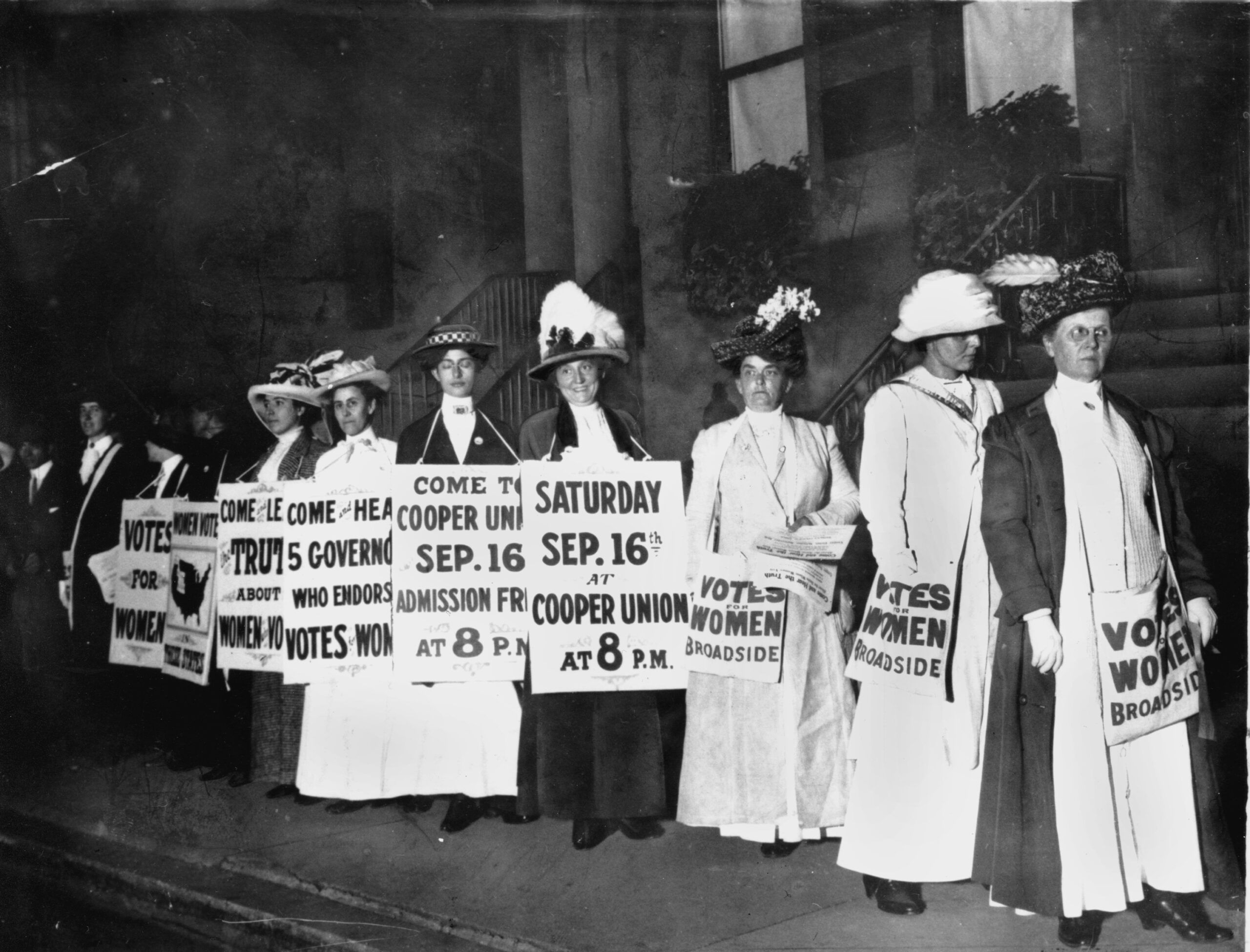
Moreover, first ladies were not afraid to take a stand on controversial issues. Edith Wilson, wife of President Woodrow Wilson, played a crucial role in advocating for the suffrage movement. Her support was instrumental in the passing of the 19th Amendment in 1920, which granted women the right to vote. This achievement was a culmination of years of effort by activists, and the first lady’s influence helped elevate the cause’s visibility.
The contributions of first ladies to social reforms in the 19th century were profound. Their advocacy not only addressed pressing social issues but also helped to reshape societal norms, paving the way for future generations of women leaders.
Notable first ladies and their contributions
Throughout the 19th century, several first ladies made significant contributions to American society and politics. Their influence extended beyond the White House, impacting social issues and political reforms. Below are a few notable first ladies and their unique contributions:
- Dolley Madison (1809-1817): Known for her social grace, Dolley played a crucial role in shaping the role of the first lady. She was instrumental in establishing the tradition of hosting social events, which helped bridge political divides. Her efforts during the War of 1812, particularly her decision to save a portrait of George Washington from the burning White House, solidified her legacy.
- Sarah Polk (1845-1849): As a first lady, Sarah was deeply involved in her husband’s political life. She supported her husband, James K. Polk, in his expansionist policies and was a significant influence during his presidency. Additionally, she was known for her interest in education and literacy, hosting events that promoted these causes.
- Mary Lincoln (1861-1865): Mary Todd Lincoln was a complex figure who faced numerous challenges during her husband Abraham Lincoln’s presidency. She advocated for the welfare of soldiers and their families during the Civil War, using her platform to support various charitable organizations. Her efforts to assist the Sanitary Commission were notable, as they focused on providing medical care for wounded soldiers.
In addition to their individual contributions, these first ladies collectively shaped the public perception of women’s roles in politics. Their involvement in social causes paved the way for future generations of women to engage in political discourse.
| First Lady | Years in Office | Key Contributions |
|---|---|---|
| Dolley Madison | 1809-1817 | Established social events; saved George Washington’s portrait |
| Sarah Polk | 1845-1849 | Supported education; influenced expansionist policies |
| Mary Lincoln | 1861-1865 | Advocated for soldiers; supported charitable organizations |
These contributions not only reflect the personal strengths of these women but also highlight the evolving role of first ladies as active participants in shaping American society during the 19th century.
Challenges faced by first ladies during the 19th century
The challenges faced by first ladies during the 19th century were multifaceted, encompassing both personal and public spheres. These women navigated a complex political landscape while managing societal expectations that often limited their influence and autonomy.
One primary challenge was the public scrutiny that came with their position. First ladies were often subject to intense media attention and gossip, which could impact their public image and the political careers of their husbands. For instance, Mary Todd Lincoln faced significant criticism for her spending habits and social ambitions, which were heavily scrutinized by the press and the public.
- Social constraints: Many first ladies were expected to conform to traditional gender roles, limiting their ability to engage in political discourse.
- Health issues: Personal health problems, such as the depression experienced by Mary Todd Lincoln, often hindered their public duties.
- Family responsibilities: Balancing family obligations with public appearances and political involvement posed another significant challenge.
Moreover, the political environment of the 19th century added another layer of difficulty. First ladies often had to navigate a male-dominated political arena where their voices were not always welcome. For example, Ellen Wilson, wife of Woodrow Wilson, found it challenging to advocate for social reforms due to the prevailing attitudes toward women’s roles in politics.
Another notable challenge was the limited scope for advocacy. While many first ladies sought to address social issues, they often faced opposition from both political circles and societal norms. For instance, Louisa Adams, wife of John Quincy Adams, worked to promote women’s education but encountered resistance from those who believed such pursuits were inappropriate for women of her status.
The 19th century was a time of significant challenges for first ladies, as they balanced public expectations, personal struggles, and the political landscape. Despite these obstacles, many of them made lasting contributions, paving the way for future generations of women in leadership roles.
First ladies and their impact on cultural development
The role of first ladies in the 19th century extended beyond the political arena; they were also pivotal in shaping cultural development in the United States. Their influence can be seen in various aspects of American life, including education, the arts, and social customs. For instance, many first ladies hosted salons that became centers for intellectual discourse, fostering a culture of education and artistic expression.
One notable example is Dolley Madison, who is credited with popularizing the idea of the White House as a social hub. Her gatherings were not merely social events; they served as platforms for discussing important political and cultural issues of the time. These gatherings often included prominent figures from various fields, thus enriching the cultural landscape.
- Mary Todd Lincoln was instrumental in promoting the arts, particularly theater, in Washington, D.C., during her husband’s presidency.
- Julia Grant advocated for educational reforms, emphasizing the importance of education for women and children.
- Caroline Harrison played a significant role in the establishment of the National Society of the Daughters of the American Revolution, promoting American history and heritage.
Moreover, first ladies often championed cultural initiatives that reflected the values and aspirations of their time. For example, during the 19th century, the rise of the women’s suffrage movement saw first ladies like Helen Taft lend their support to women’s rights, emphasizing the importance of women’s voices in cultural and political dialogues. This shift in cultural attitudes helped pave the way for future generations.
The impact of first ladies on cultural development was also evident in their support for various charitable organizations. For instance, the establishment of the Red Cross in the late 1800s was significantly influenced by first ladies who recognized the need for organized humanitarian efforts. Their involvement not only elevated the importance of such organizations but also inspired public participation in cultural and social reform.
The evolution of the first lady’s role throughout the 19th century
The role of the first lady underwent significant evolution throughout the 19th century, reflecting broader changes in American society and politics. Initially, first ladies were seen primarily as the wives of presidents, often engaging in traditional domestic roles. However, as the century progressed, many began to assert a more public presence.
In the early decades, first ladies like Dolley Madison (1809-1817) molded the social landscape of the White House. Known for her charm and hospitality, she hosted numerous gatherings that became essential for political networking. Her efforts helped establish the role of the first lady as a social and cultural figure.
- Elizabeth Monroe (1817-1825) continued this tradition, emphasizing the importance of the arts and culture in her White House.
- Sarah Polk (1845-1849) took a more political approach, actively participating in her husband’s administration and influencing decisions.
- Mary Todd Lincoln (1861-1865) further transformed the role by advocating for social issues, such as the care of soldiers and their families during the Civil War.
By the mid-19th century, the responsibilities of first ladies expanded significantly. They began to engage in philanthropic endeavors, using their status to advocate for various causes. For instance, Julia Grant (1869-1877) was known for her efforts in supporting veterans and their families.
As societal expectations shifted, the public increasingly viewed first ladies as influential figures in their own right. The late 19th century saw the emergence of first ladies like Frances Cleveland (1886-1889, 1893-1897), who modernized the image of the first lady. Her youthful persona and involvement in various social causes endeared her to the public.
The evolution of the first lady’s role throughout the 19th century marked a transition from a private to a more public and influential position, setting the stage for future first ladies to play pivotal roles in American society.
First ladies and their involvement in education initiatives
Throughout the 19th century, first ladies played a crucial role in advancing education initiatives in the United States. Their involvement often reflected their personal convictions and the societal needs of the time. Notable first ladies took actions that not only promoted education but also shaped opportunities for women and children.
One significant example is Mary Todd Lincoln, who advocated for educational reforms during her husband’s presidency. She actively supported the establishment of a national system of public education, emphasizing the importance of education for all citizens. Her efforts were particularly aimed at improving conditions for children in impoverished communities.
- Dolley Madison: Known for her role in promoting education, she was a founding member of the first library in Washington, D.C. This initiative provided access to books and resources for the public, highlighting her commitment to literacy.
- Julia Grant: The wife of Ulysses S. Grant, she initiated programs to support the education of formerly enslaved individuals, ensuring they had access to necessary learning resources.
- Caroline Harrison: As an advocate for higher education for women, she supported the establishment of the first women’s college, which paved the way for future generations of female scholars.
The involvement of these first ladies in education was not merely ceremonial; they actively sought reforms and support for educational institutions. For instance, Louisa Adams, wife of John Quincy Adams, was instrumental in promoting the idea of free public schools. She believed that education was a fundamental right and worked tirelessly to advocate for its expansion.
Furthermore, many first ladies used their social platforms to raise awareness about educational issues. They organized events, supported fundraising efforts, and collaborated with educators to address the challenges facing schools. Their initiatives often resulted in tangible changes, such as increased funding for public schools and the establishment of new educational programs.
The active participation of first ladies in educational initiatives during the 19th century contributed significantly to the evolution of the American education system. Their legacy continues to inspire current and future leaders in the field of education.
Public perception of first ladies in the 19th century
The public perception of first ladies in the 19th century was shaped by their personal attributes, political contexts, and societal expectations. These women were often viewed as symbols of virtue and domesticity, which reflected the prevailing ideals of the time. For instance, Mary Todd Lincoln faced scrutiny due to her spending habits, while Dolley Madison was celebrated for her social skills and charm.
First ladies were frequently subject to public opinion, which could be both favorable and unfavorable. Their actions and appearances were scrutinized by the press, affecting their reputations. An example is Julia Tyler, who was criticized for her extravagant lifestyle after her husband’s presidency, which was seen as inappropriate during a time of economic uncertainty.
- Influence of media: Newspapers and magazines played a crucial role in shaping public perception. They often published articles that highlighted the first ladies’ contributions or criticized their behavior.
- Social expectations: The 19th-century ideal of womanhood emphasized qualities such as morality, piety, and submissiveness, which influenced how first ladies were perceived.
- Political climate: The political context also affected public opinion. For example, first ladies during the Civil War, like Mary Todd Lincoln, faced heightened scrutiny due to the national crisis.
First ladies often used their platforms to promote causes, thereby influencing public opinion. For example, Harriet Lane, who served as first lady from 1857 to 1861, was recognized for her charitable work and was seen as a role model for women in public service. Her involvement with the Washington National Monument and other initiatives showcased her commitment to civic duty.
| First Lady | Public Perception | Notable Actions |
|---|---|---|
| Dolley Madison | Beloved for her social skills | Saved George Washington’s portrait during the War of 1812 |
| Mary Todd Lincoln | Criticized for extravagance | Advocated for soldiers’ aid during the Civil War |
| Julia Tyler | Negative scrutiny over lifestyle | Hosted lavish parties post-presidency |
Overall, the public perception of first ladies in the 19th century was complex and multifaceted, influenced by their personal choices and the broader societal context. Their legacies often reflected the changing attitudes toward women’s roles in society and politics.
Legacy of 19th century first ladies in modern times
The legacy of 19th century first ladies has profoundly influenced the role of contemporary first ladies in the United States. Their contributions set a precedent for how future first ladies engage in social issues and public life. For instance, figures like Mary Todd Lincoln and Julia Grant laid the groundwork for advocacy in education and welfare, which remains vital today.
- Advocacy for Education: Many 19th century first ladies championed educational reforms, paving the way for modern initiatives that focus on equal access to education.
- Social Reform: Their involvement in social causes, such as the abolition of slavery and women’s suffrage, has inspired contemporary first ladies to address pressing social issues, including healthcare and women’s rights.
- Public Engagement: The public persona of first ladies began to evolve; they shifted from being mere hostesses to becoming active participants in national discussions.
One notable example is Eleanor Roosevelt, who, although not a 19th-century figure, was heavily influenced by the precedents set by her predecessors. She transformed the role of the first lady by advocating for civil rights and humanitarian issues, reinforcing the idea that first ladies can have significant political impact.
In modern times, first ladies like Michelle Obama and Jill Biden continue this tradition. Michelle Obama’s “Let’s Move!” campaign addresses childhood obesity, while Jill Biden focuses on education and military families. Both women draw upon the legacy of their 19th century counterparts, using their platforms to promote social change.
Furthermore, the public’s expectation of first ladies has evolved. Today, they are seen not only as representatives of the president’s administration but also as advocates for specific causes. This shift reflects the groundwork laid by first ladies in the 19th century who navigated complex political landscapes while championing important social issues.
Frequently Asked Questions
What roles did first ladies play in education during the 19th century?
First ladies in the 19th century significantly contributed to education initiatives, advocating for reforms and supporting schools. Their involvement often included fundraising, promoting literacy, and establishing educational programs, which laid the groundwork for future advancements in women’s and children’s education.
How were first ladies perceived by the public in the 19th century?
The public perception of first ladies varied widely based on personal attributes and the political climate of their time. While some were celebrated for their social contributions, others faced criticism. Overall, they were often viewed through the lens of societal expectations of women, shaping their roles in the public eye.
What is the legacy of 19th-century first ladies?
The legacy of 19th-century first ladies is evident in the evolving role of modern first ladies. Their advocacy and social initiatives have inspired contemporary figures to engage in public issues, shaping policies related to education, health, and women’s rights, thus continuing their influence in American society.
Did first ladies participate in political matters?
While first ladies were not officially involved in politics, many influenced political matters indirectly through their social initiatives and public presence. They often acted as informal advisors to their husbands, using their platforms to champion causes and sway public opinion on key issues.
Where can I learn more about specific first ladies of the 19th century?
To learn more about specific first ladies, consider visiting historical archives, libraries, or online platforms dedicated to American history. Many biographies and documentaries also provide detailed insights into their lives, contributions, and the societal context they navigated during their time.
Conclusion
The analysis of first ladies in the 19th century reveals their significant contributions to education initiatives, the evolving public perception of their roles, and the lasting legacy they have left on contemporary first ladies. Their influence shaped societal norms and expectations, emphasizing the power of leadership beyond political office. By understanding the roles these women played, readers can appreciate the evolution of leadership and advocacy, recognizing how historical examples can inspire current and future initiatives in education and public service. Their stories serve as a powerful reminder of the impact one can have. To further explore this topic and engage with the ongoing dialogue about leadership roles, consider researching specific initiatives led by first ladies in modern contexts or participating in discussions at local educational forums.