Have you ever considered how gender roles shaped the lives of individuals in 19th century America? Understanding these roles reveals the underlying societal structures that influenced behavior, expectations, and opportunities for both men and women during this transformative period.
This article will explore the definition and expectations of gender roles, the impact of industrialization, and the significant role women played in the domestic sphere and family life. By examining these themes, readers will gain insights into the historical context that continues to affect modern gender dynamics.
Key topics will include the rigid definitions of masculinity and femininity, the shift brought about by industrialization, and the intricate balance women maintained within the home. Join us as we delve into this pivotal era in American history.
The definition and expectations of gender roles in 19th century America
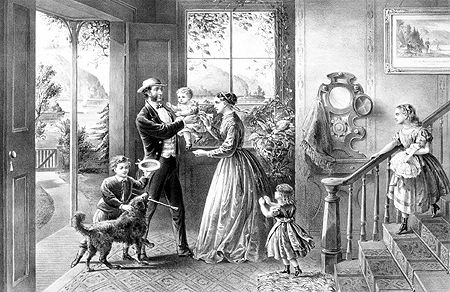
In 19th century America, gender roles were sharply defined and deeply ingrained in society. The dominant ideology of separate spheres dictated that men belonged in the public domain—working, making decisions, and engaging in politics—while women were expected to inhabit the private sphere, focusing on home, family, and moral upbringing.
Men were seen as the breadwinners and protectors of their families. They were expected to provide for their households financially, which often meant working in industries or professions such as farming, manufacturing, or teaching. The ideal male was not only a provider but also a figure of authority and leadership within the family structure.
Women, on the other hand, were confined to roles that emphasized nurturing and domesticity. They were expected to maintain the household, raise children, and embody virtues of piety and submission. The influence of the cult of domesticity reinforced this notion, suggesting that women’s true fulfillment came from supporting their husbands and raising virtuous children.
- Men’s roles: Breadwinners, authority figures, decision-makers.
- Women’s roles: Caregivers, homemakers, moral educators.
- Societal expectations placed pressure on both genders to adhere to these norms.
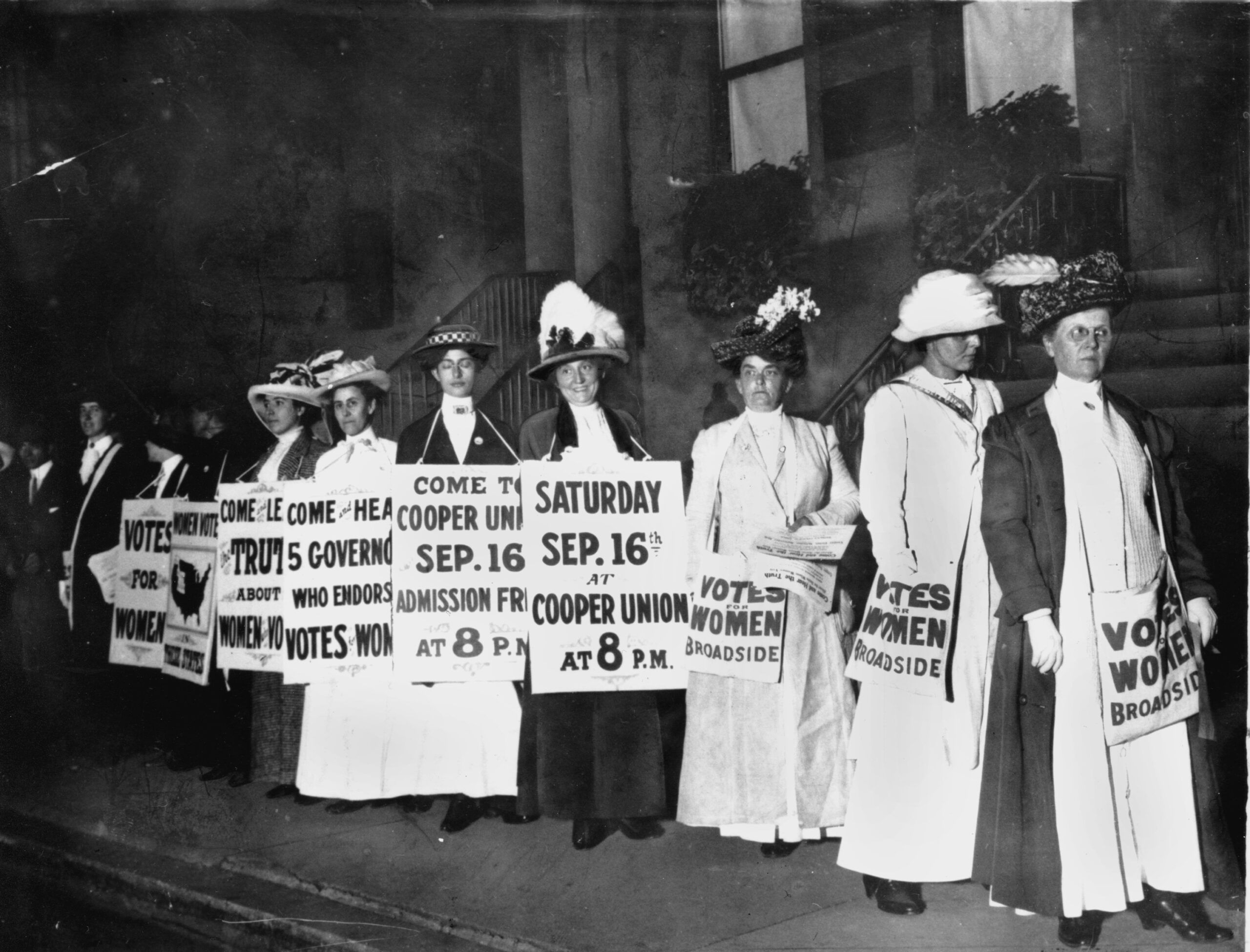
For instance, the Seneca Falls Convention of 1848 highlighted the growing discontent among women regarding their societal roles. Activists like Elizabeth Cady Stanton and Lucretia Mott demanded equal rights, challenging the established norms of femininity and advocating for women’s suffrage and education. Such movements began to shift perceptions, although traditional roles remained predominant for decades.
Additionally, literature of the time often reflected these gender expectations. Works like Nathaniel Hawthorne’s The Scarlet Letter (1850) depicted the struggles women faced within these confines, illustrating the harsh judgments and restrictions imposed upon them by society. Through these narratives, the limitations of gender roles became a point of contention, paving the way for future reform.
Impact of industrialization on gender roles during the 19th century
The onset of industrialization in the 19th century significantly transformed gender roles in America. As factories emerged and urban centers grew, the traditional expectations surrounding men and women began to shift, leading to a complex interplay of opportunity and resistance.
Initially, industrialization reinforced certain gender roles. Men were predominantly seen as the breadwinners, working in factories and earning wages, while women were largely confined to domestic spheres. However, this dynamic gradually evolved due to several factors:
- Increased job opportunities: Factories often hired women, particularly young, unmarried women, as labor was cheaper. By 1830, it is estimated that about 25% of the workforce in textile mills were women.
- Shift in family dynamics: As more women entered the workforce, traditional family structures began to change. The concept of the “family wage” became less relevant as families relied on multiple incomes.
- Emergence of the “working class”: The industrial revolution created a distinct working class that included both men and women. This led to solidarity among workers, regardless of gender, as they sought better conditions and wages.
As industrialization progressed, women began to challenge the status quo more overtly. The rise of movements advocating for women’s rights, such as the Seneca Falls Convention in 1848, highlighted the desire for equality. Activists like Elizabeth Cady Stanton and Lucretia Mott criticized the limited roles assigned to women and pushed for greater involvement in public and political life.
Additionally, the advent of the suffrage movement in the late 19th century further emphasized the changing roles of women. They began to demand not only the right to vote but also equal access to education and employment opportunities. By 1900, approximately 20% of women were in the workforce, a significant increase that set the stage for future advancements.
While industrialization initially reinforced traditional gender roles, it ultimately acted as a catalyst for change. The movement of women into the workforce and the rise of social movements challenged existing norms, paving the way for future generations to redefine gender roles in American society.
The role of women in the domestic sphere and family life
In the 19th century, women were primarily seen as the nurturers and caregivers within the domestic sphere. Their roles were centered around the home, where they were responsible for maintaining the household and caring for children. This expectation was rooted in the prevailing ideology of separate spheres, which dictated that men should engage in public life while women should focus on domestic responsibilities.
Women’s domestic duties included a wide array of tasks such as cooking, cleaning, sewing, and childcare. The organization of family life relied heavily on their efforts. For instance, a typical day for a woman involved preparing meals, tending to household chores, and educating children in moral and social values. This was not only a full-time job but also a critical one that shaped the character of future generations.
- Cooking and Meal Preparation: Women often spent several hours each day preparing meals from scratch, using seasonal ingredients.
- Childcare: Mothers were the primary educators, teaching children basic skills, religious values, and social etiquette.
- Household Management: Women managed household budgets, purchased supplies, and oversaw domestic help when available.
Despite their essential roles, women faced limited recognition for their contributions. The concept of the “angel in the house” idealized women as self-sacrificing and devoted to their families. This perception often led to their exclusion from formal education and employment opportunities. For example, in 1850, only about 20% of women in the United States were literate, a stark contrast to their male counterparts.
Nevertheless, the domestic sphere also became a space for women to express their agency. Women’s groups began to form in the mid-1800s, advocating for social reforms such as abolition and suffrage. Figures like Elizabeth Cady Stanton and Lucretia Mott emerged, challenging the traditional expectations of women and promoting the idea that they deserved a voice in public matters.
While women were primarily relegated to the domestic sphere in 19th century America, their roles were both vital and complex. Their contributions shaped family life and laid the groundwork for future movements toward gender equality.
Men’s responsibilities and societal expectations in the 19th century
In the 19th century, men were expected to embody the ideals of strength, authority, and provision. They were viewed as the primary breadwinners, responsible for supporting their families financially. This expectation was rooted in the prevailing belief that men should be the dominant figures in both the household and society.
Men’s roles extended beyond mere economic support. They were also seen as protectors of their families and enforcers of moral standards. Their duties included:
- Providing financial stability through steady employment.
- Defending the family’s honor and reputation in the community.
- Teaching children about discipline, responsibility, and societal values.
The rise of the industrial economy further defined men’s responsibilities. Many men took on factory jobs or roles in emerging industries, which often demanded long hours and hard labor. By the mid-1800s, reports indicated that over 50% of American men were engaged in manufacturing roles, which significantly influenced their identities and societal perceptions.
For instance, men working in textile mills or railroads faced demanding conditions. The Lowell Factory System, which employed thousands of men, highlighted how industrialization impacted male labor. Men took immense pride in their work, seeing it as a reflection of their masculinity and worth.
Moreover, societal pressures sometimes led to conflicts between personal desire and public expectation. Many men struggled with the burden of providing for their families, leading to stress and anxiety. The concept of the “self-made man” emerged during this period, emphasizing the belief that through hard work and determination, any man could achieve success.
The responsibilities of men in 19th century America were multifaceted and intricately woven into the fabric of society. Their roles as providers, protectors, and moral guides were not only vital for family dynamics but also shaped societal structures and norms. Understanding these expectations helps to illuminate the complexities of gender roles during this transformative period.
How education influenced gender roles in 19th century America
The 19th century marked a pivotal time for education in America, particularly regarding how it shaped gender roles. The rise of common schooling, particularly through the establishment of public schools, began to alter perceptions of education for both men and women.
Initially, education was predominantly reserved for boys, perpetuating the notion that men were the primary intellectuals and leaders. However, by the mid-1800s, educational reformers like Horace Mann advocated for universal education, leading to significant changes. By 1850, approximately 40% of children in the North attended school, a substantial increase compared to earlier decades.
- Women in Education: The expansion of schools opened doors for women. By 1870, over 50% of teachers were women, reflecting their increasing involvement in education.
- Curriculum Focus: The curriculum often emphasized domestic skills for girls, such as sewing and homemaking, while boys were taught subjects like mathematics and science.
- Educational Institutions: Institutions like Mount Holyoke College, founded in 1837, began offering higher education to women, challenging traditional gender norms.
Despite these advancements, societal expectations still dictated that women’s education should prepare them for their roles as wives and mothers. This limited focus on domestic education reinforced the belief that women should prioritize family over professional aspirations.
However, the push for women’s education sparked movements advocating for women’s rights and broader educational opportunities. The Seneca Falls Convention in 1848 highlighted these issues, with figures like Elizabeth Cady Stanton and Lucretia Mott emphasizing the importance of education in achieving equality.
Statistically, as educational opportunities expanded, so did women’s aspirations. By the end of the century, women were increasingly pursuing professions in teaching, nursing, and social work, thus reshaping societal views on women’s capabilities and roles. This shift laid the groundwork for future generations, as women began to envision lives beyond the domestic sphere.
The influence of religion on gender norms and behaviors
In the 19th century, religion played a significant role in shaping gender norms and behaviors in America. The dominant religious institutions, particularly Protestantism, propagated distinct roles for men and women. For instance, women were often associated with piety and moral guidance, while men were seen as the spiritual leaders of the household.
One of the most influential movements was the Second Great Awakening, which emphasized personal piety and emotional engagement in religion. This movement encouraged women to take active roles in church activities, enhancing their visibility in public life. However, their participation often reinforced traditional roles, as women were expected to focus on moral education and family values.
- Women were often involved in charitable organizations, such as the Sunday School Movement, which aimed to educate children and instill moral values.
- Men were expected to uphold authority within both the church and the family, often participating in leadership roles.
- The belief in separate spheres dictated that men and women had distinct responsibilities, with men focusing on work and women on home and family.
Moreover, religious texts were frequently interpreted to support these gender norms. For example, passages from the Bible were used to justify the notion that women should be submissive to their husbands. This interpretation not only shaped individual beliefs but also influenced societal expectations.
In practical terms, this religious framework manifested in various societal practices. For instance, the Woman’s Christian Temperance Union (WCTU), founded in 1874, became a powerful organization advocating for social reform. The WCTU’s focus on temperance was closely tied to the belief that women had a moral duty to protect the family from the dangers of alcohol.
While religion provided women with opportunities for involvement in social issues, it often reinforced traditional gender roles. The interplay between faith and gender norms in 19th century America created a complex landscape where women could engage in public life but were still confined to certain expectations and behaviors.
Changes in gender roles brought by social reform movements
The 19th century witnessed significant changes in gender roles, largely influenced by various social reform movements. These movements aimed to address societal issues such as inequality, education, and labor rights, ultimately reshaping perceptions of gender in America. Key reform movements included:
- Women’s Suffrage Movement: Activists like Susan B. Anthony and Elizabeth Cady Stanton campaigned for women’s voting rights. The Seneca Falls Convention in 1848 marked a crucial turning point, where the Declaration of Sentiments was signed, advocating for equal rights.
- Abolition Movement: The fight against slavery brought attention to the intersection of race and gender. Many women, including Sojourner Truth, used their experiences to highlight the need for both racial and gender equality, thereby expanding the conversation around women’s roles.
- Temperance Movement: Advocates argued that alcohol consumption led to family breakdowns and domestic violence. Women played a prominent role in this movement, highlighting their responsibilities as caretakers and moral guardians of the family.
As these movements gained momentum, many women began to step outside traditional roles. They organized, rallied, and voiced their demands in public forums, which was a significant shift from their previous domestic confines. For instance, by the mid-1800s, women began to take on leadership roles in various reform organizations.
Moreover, the education reform movement, led by figures like Horace Mann, emphasized the importance of public education. This movement not only increased access to education for both genders but also challenged the notion that women were unfit for intellectual pursuits. By 1870, over 70% of women in some states were literate, which was a substantial increase from previous decades.
These reform movements collectively contributed to a gradual transformation in gender roles. Women began to view themselves as active participants in society, leading to the eventual emergence of the first-wave feminism. This period laid the groundwork for future generations to continue the struggle for equality in various spheres, including politics, education, and the workplace.
Representation of gender roles in 19th century American literature and media
The representation of gender roles in 19th century American literature and media was significant in shaping societal perceptions. Literature of this era often reinforced traditional roles, portraying men as dominant figures and women as subservient or nurturing. Prominent authors such as Louisa May Alcott and Mark Twain explored these themes through their characters and narratives.
- Louisa May Alcott’s “Little Women” (1868) presented a complex view of women’s roles, highlighting both the limitations and aspirations of female characters.
- Mark Twain’s works often depicted male characters navigating societal expectations, reflecting the struggles of masculinity during this time.
- Moreover, the rise of domestic literature emphasized women’s roles within the home, often idealizing the figure of the devoted wife and mother.
Media representations also played a crucial role. Newspapers and magazines frequently published articles that reinforced gender stereotypes. For example, women’s magazines like Godey’s Lady’s Book provided guidance on domesticity and morality, promoting the idea of women as caretakers and moral guides.
| Media Type | Gender Representation | Examples |
|---|---|---|
| Literature | Women as nurturing figures | “Little Women” by Louisa May Alcott |
| Newspapers | Men as providers | Various editorials in The New York Times |
| Magazines | Women in domestic roles | Godey’s Lady’s Book |
The visual arts also mirrored these representations, with paintings often depicting women in domestic settings. Artists like Thomas Eakins and Mary Cassatt illustrated the nuances of gender roles, showcasing both the strengths and limitations faced by women in society. Such visuals contributed to a broader understanding of gender dynamics during the 19th century.
Overall, literature and media of the period were instrumental in perpetuating and challenging gender roles. They created a dialogue about the complexities of gender, influencing future generations and the ongoing evolution of societal norms.
The legacy of 19th century gender roles in modern American society
The gender roles established in the 19th century continue to influence modern American society in various ways. While significant progress has been made, the echoes of these historical norms remain evident in contemporary cultural and social structures.
One major area where 19th-century gender roles persist is in the workplace. Despite advancements, women still face challenges in achieving equal representation in leadership positions. For instance, as of 2021, women held only 28% of senior leadership roles in the United States, demonstrating that historical barriers continue to impact gender equality in professional settings.
- The wage gap is another lingering issue, with women earning approximately 82 cents for every dollar earned by men, reflecting disparities that date back to the 19th century.
- Occupational segregation remains prominent, with women often concentrated in caregiving and service-oriented professions, a trend that can be traced back to traditional gender expectations.
In the realm of family dynamics, traditional roles still have a significant presence. Many households continue to adhere to a structure where women take on the majority of domestic responsibilities. For example, a study conducted in 2020 revealed that women perform nearly 2.5 times more unpaid household labor than men, indicating a continuation of 19th-century norms regarding women’s roles in the family.
Moreover, popular culture often reflects these enduring gender roles. Television shows and films frequently depict women in nurturing roles while portraying men as the primary breadwinners. This representation reinforces societal expectations and can shape the perceptions of younger generations. A notable example is the television series “Mad Men,” which, despite being set in the 1960s, highlights the lingering impact of 19th-century gender norms on professional and personal relationships.
While strides have been made towards gender equality, the legacy of 19th-century gender roles continues to shape modern American society. Addressing these historical influences is crucial for fostering a more equitable future.
Frequently Asked Questions
What were the primary social reform movements influencing gender roles in the 19th century?
Key social reform movements included the abolitionist movement, women’s suffrage, and the temperance movement. These movements challenged traditional gender norms, advocating for greater rights and responsibilities for women, thereby reshaping societal expectations.
How did literature reflect gender roles in 19th century America?
19th century American literature often depicted gender roles through character archetypes and narratives. Authors used their works to critique or reinforce societal norms, highlighting women’s roles in family and society, while also exploring themes of empowerment and rebellion.
What impact did 19th century gender roles have on modern American society?
The gender roles established in the 19th century laid a foundation for contemporary views on gender equality. Modern debates around gender continue to echo these historical patterns, influencing discussions on workplace rights, family dynamics, and social justice.
Where can I find primary sources on gender roles in the 19th century?
Primary sources can be located in historical archives, libraries, and online databases. Notable resources include the Library of Congress, American Memory Project, and various university collections that focus on 19th century American history.
How did economic changes affect gender roles in the 19th century?
Economic changes, such as the rise of industrialization, shifted gender roles by creating new job opportunities for women. Many entered the workforce, challenging traditional views and advocating for equal rights in employment and education, thus altering societal expectations.
Conclusion
The 19th century marked a transformative period in gender roles, driven by social reform movements, reflected in literature and media, and leaving a lasting legacy in contemporary society. These changes not only reshaped perceptions but also paved the way for ongoing discussions about equality and identity. Understanding these historical shifts can empower individuals to challenge lingering stereotypes and advocate for a more equitable society. By recognizing the roots of gender roles, readers can contribute to discussions that promote inclusivity and understanding. To further explore these themes, consider engaging with local organizations focused on gender equality or participating in discussions that examine the evolution of gender roles in today’s context.