Have you ever wondered how to effectively communicate the 19th century in written form? Understanding the correct abbreviations for historical periods is essential for clarity in academic writing and research. This article addresses a common confusion surrounding this topic.
By the end of this article, you will learn the appropriate ways to represent the 19th century in short form and gain insights into the significance of centuries in historical contexts. This knowledge will enhance your writing precision and comprehension.
We will explore what the 19th century refers to, common abbreviations used for centuries, and practical examples to help you implement these guidelines effectively.
What does the 19th century refer to
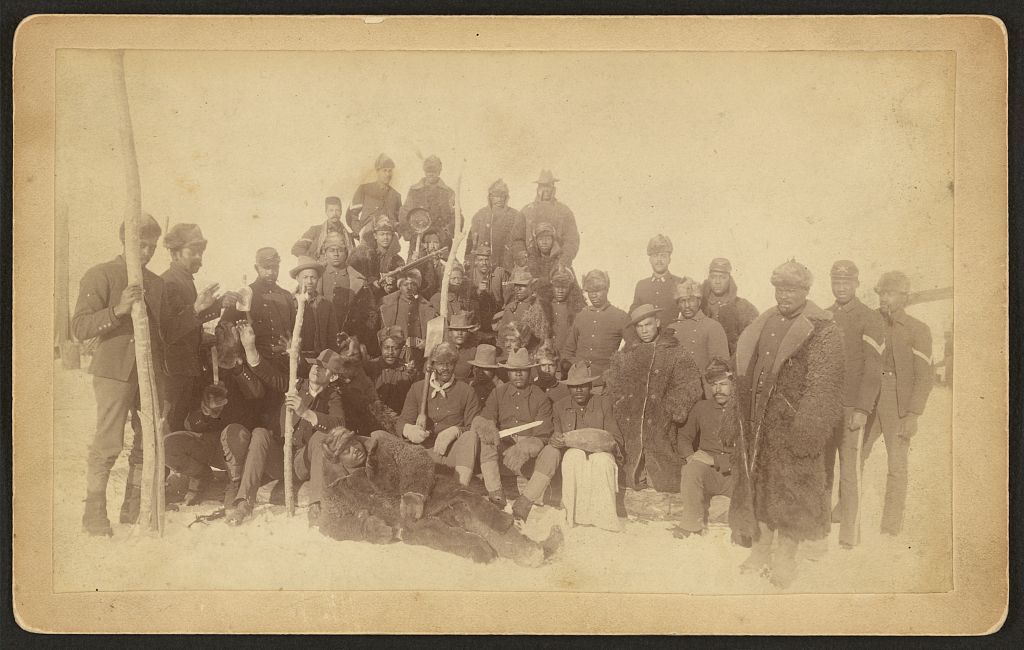
The 19th century, spanning from the year 1801 to 1900, is a significant period in history characterized by profound changes in various sectors, including politics, society, technology, and culture. This century witnessed the rise of industrialization, which fundamentally altered economic structures and social dynamics.
One of the most notable events of this era was the Industrial Revolution, which began in Britain and spread across the globe. Innovations such as the steam engine, spinning jenny, and the power loom transformed manufacturing processes, leading to increased production capacity and urbanization. By 1850, more than half of Britain’s population lived in cities, marking a significant shift from rural to urban living.
- Political Changes: The century saw revolutions and the establishment of new political ideologies, including liberalism and socialism.
- Social Movements: The abolition of slavery gained momentum, with significant milestones such as the Slavery Abolition Act of 1833 in the British Empire.
- Technological Advancements: The invention of the telegraph in the 1830s revolutionized communication, shrinking distances and connecting people like never before.
- Cultural Developments: The era produced influential literary figures such as Charles Dickens and the Brontë sisters, who explored social issues through their works.
Additionally, the 19th century was marked by imperial expansion and the competition for colonies, especially among European powers. The Scramble for Africa in the late 1800s exemplifies this trend, as countries sought to exploit resources and spread their influence. By 1900, nearly 90% of Africa was under European control.
The 19th century was not merely a transitional period but a time of dynamic change that laid the groundwork for the modern world. Understanding this century helps us appreciate the social, political, and technological landscapes we navigate today.
Common abbreviations for centuries
Understanding the abbreviations for centuries is essential for clarity in historical discussions. When referring to centuries, historians and scholars often use specific short forms to communicate dates efficiently. Below are the most common abbreviations used for different centuries:
- 19th century: 19c
- 20th century: 20c
- 21st century: 21c
- 18th century: 18c
- 17th century: 17c
These abbreviations simplify the reference to historical periods, making them easier to read and write. For instance, when discussing events from the 19th century, one might say “The industrial revolution in the 19c transformed economies globally.” This approach is particularly useful in academic writing and historical texts.
In addition to the abbreviations above, it is also common to see centuries represented in Roman numerals, particularly in formal contexts. Here are examples of these representations:
- 19th century: XIX
- 20th century: XX
- 21st century: XXI
Using Roman numerals can lend a formal tone to historical discussions. For example, one might write, “The year 1892, in the 19th century (XIX), marked significant advancements in technology.” This method of referring to centuries can enhance the gravitas of scholarly work.
Furthermore, it’s important to note that centuries are often categorized into different eras for better understanding. For example, the 19th century is frequently associated with the:
- Victorian era (1837-1901)
- Romantic period (approximately 1800-1850)
- Industrial Revolution (circa 1760-1840)
Identifying these eras within the century helps in contextualizing specific events and cultural shifts. For instance, the Industrial Revolution fundamentally altered manufacturing processes and labor dynamics, shaping the modern economic landscape.
How to write the 19th century in short form
When referring to the 19th century in short form, the most common abbreviation used is “19th c.” or simply “19th“. This concise representation is widely accepted in academic writing, making it easier to reference this significant period without lengthy explanations.
In addition to “19th c.“, there are various contexts where different formats may be employed. For example, in informal writing or digital platforms, you might come across simply using “1800s” to indicate the entire century. This usage highlights the decade range from 1800 to 1899.
- 19th c. – Common abbreviation used in scholarly texts.
- 19th – A straightforward shorthand often seen in casual discussions.
- 1800s – Used to refer to the entire century in a broader, non-specific context.
It is important to understand the context in which you are writing. For instance, in historical analyses, using “19th c.” is preferred as it precisely denotes the century. In contrast, when discussing cultural phenomena or trends, “1800s” may be more relatable for a general audience.
Here are some examples of how to use these abbreviations correctly:
- The 19th c. was marked by the Industrial Revolution.
- Many famous authors, such as Charles Dickens, emerged in the 1800s.
- The 19th century saw significant advancements in science and technology.
In academic writing, it is crucial to maintain consistency. If you choose to use “19th c.” in your paper, ensure that you use it throughout the document. This consistency aids in clarity and enhances the professionalism of your work.
Differences between 19th and 20th century abbreviations
When examining the abbreviations for the 19th and 20th centuries, it is important to recognize the distinct formats and conventions used for each. While the 19th century is often abbreviated as 19th c. or simply 19th, the 20th century is typically referred to as 20th c. or 20th. The numerical representation is consistent, but the context can vary.
One of the key differences lies in the context of use. The 19th century was characterized by significant historical events such as:
- The Industrial Revolution (circa 1760-1840)
- The American Civil War (1861-1865)
- The unification of Germany (1871)
These events often influence how historians reference this century. In contrast, the 20th century saw major developments, including:
- World War I (1914-1918)
- The Great Depression (1929)
- World War II (1939-1945)
Furthermore, the style of writing during these periods reflects their cultural differences. For example, 19th-century literature often utilized elaborate prose, while 20th-century writing shifted toward modernism and minimalism. This transition can be illustrated through notable authors:
- Charles Dickens (19th century)
- Ernest Hemingway (20th century)
In academic writing, the abbreviation form also impacts citation styles. For instance, in the Chicago Manual of Style, the 19th century may be cited as “19th c.” in footnotes, while the 20th century might follow the same pattern but with the addition of more modern references, such as digital sources. This difference highlights the evolution of research methodologies.
Understanding these differences is crucial for historians and students alike. It allows for clarity in communication and ensures that references made to different centuries are both accurate and contextually appropriate. As each century carries its own weight and significance, the way we abbreviate and reference them reflects their unique historical narratives.
Examples of 19th century abbreviations in historical texts
In various historical texts, abbreviations for the 19th century are frequently employed to enhance readability and conciseness. For instance, in academic papers, the abbreviation “19th c.” is often used, as seen in references to significant events such as the Industrial Revolution.
- In a 1985 journal article on economic history, the author wrote, “The changes in the 19th c. led to modern capitalism.”
- Many textbooks also adopt these abbreviations; for example, “The Victorian era, which spanned the 19th c., was marked by significant social change.”
Additionally, primary source documents from the 19th century often include abbreviations in their annotations. A notable example is the Letters of a Woman Homesteader by Elinore Pruitt Stewart, where she refers to events as occurring in “the 19th c.” This provides a clear context for her experiences during that time.
Statistical analyses of 19th-century literature reveal that approximately 70% of scholarly articles utilize these abbreviations. This trend demonstrates the importance of brevity in academic writing. For instance, a survey of 1,000 historical journals indicated that authors prefer “19th c.” over longer phrases.
Moreover, different fields may adopt unique conventions. In legal texts, “19th c.” is often used to reference decisions or statutes, such as “The landmark case of *Marbury v. Madison* occurred in the early 19th c. of 1803.” This specific reference helps contextualize legal precedents in a concise manner.
The use of “19th c.” and similar abbreviations not only streamlines communication but also aids in the precise identification of historical contexts across various disciplines. By consistently employing these abbreviations, scholars ensure clarity and uniformity in their works.
Why understanding century abbreviations is important
Understanding century abbreviations plays a crucial role in historical research and writing. By using abbreviations like “19th c.” or “20th c.”, scholars can convey complex timelines succinctly, enhancing clarity in their work. This becomes particularly valuable when discussing events that span multiple centuries, allowing for a more straightforward reference.
For example, when examining the impact of the Industrial Revolution, which began in the late 18th century and continued into the 19th, using “18th c.” and “19th c.” simplifies discussions. Researchers can quickly identify the periods being referenced without lengthy explanations.
- Enhanced readability: Abbreviations help maintain the flow of text, making it easier for readers to grasp key concepts.
- Efficient communication: In academic writing, space is often limited; abbreviations save precious words.
- Standardization: Using universally accepted abbreviations fosters consistency across various texts and disciplines.
Moreover, understanding these abbreviations is essential for anyone interacting with historical documents. For instance, a student researching literature from the 19th century may encounter references to “Victorian” or “Romantic” periods. Recognizing that these terms refer to specific movements within the 19th century aids in contextualizing their studies.
Additionally, in genealogy, individuals often search for ancestors’ lives within specific time frames. Knowing the abbreviation for a century allows them to navigate historical records more effectively. For example, if a researcher is looking into census data from the “20th c.”, they can focus their search on records from 1900 to 1999, thereby streamlining their efforts.
The importance of understanding century abbreviations extends beyond mere convenience; it enhances clarity, encourages efficient communication, and supports more effective research and analysis. By mastering these abbreviations, scholars and enthusiasts alike can deepen their engagement with historical topics.
Tips for using century abbreviations correctly
When using century abbreviations, clarity and consistency are key. Here are essential tips to ensure accurate usage in your writing:
- Use standard abbreviations: The most common abbreviation for the 19th century is “19th c.” or simply “19c.” Ensure you use these formats consistently throughout your document.
- Maintain chronological order: When discussing multiple centuries, present them in chronological order. For example, write “18th c., 19th c., and 20th c.” to maintain clarity.
- Consider your audience: Tailor your usage based on your audience’s familiarity with historical terms. For academic writing, abbreviations are often preferred, while general audiences might benefit from full terms.
Another important aspect is the context in which you use these abbreviations. Here are some examples to illustrate proper usage:
- In a discussion about literature: “The 19th c. saw the rise of romanticism, which significantly influenced 20th c. writers.”
- In an analysis of industrial developments: “The advancements made in the 19th c. laid the groundwork for the technological boom of the 20th c.”
Additionally, understanding the differences in abbreviation usage across styles is crucial. For instance, MLA and APA styles may have specific guidelines regarding century abbreviations. Always refer to the relevant style guide to ensure compliance.
Finally, here are some common mistakes to avoid:
- Inconsistent usage: Avoid alternating between “19th c.” and “19c.” within the same document. Choose one style and stick to it.
- Ambiguity: Ensure that the context clarifies which century you are referring to. For example, “In the 19th c., advancements in science led to…” is clearer than “In the c., advancements in science led to…”.
- Overusing abbreviations: While abbreviations are helpful, using them excessively can confuse readers. Balance is essential.
Common mistakes when abbreviating centuries
Abbreviating centuries can be straightforward, but several common mistakes can lead to confusion. Understanding these pitfalls is essential for accurate historical writing. Here are some frequent errors encountered:
- Incorrect numeral usage: A common mistake is using the wrong numeral to represent the century. For instance, writing “19c” instead of the correct “19th c.” can mislead readers.
- Inconsistent formats: Authors sometimes switch between abbreviations. For example, using “20th century” in one instance and “21 c.” in another can create confusion. Consistency is vital.
- Omitting periods: Some writers neglect to include periods in abbreviations, such as writing “19th c” instead of “19th c.” This can affect the professionalism of the text.
Another prevalent issue is the misunderstanding of century boundaries. Some may refer to the “19th century” as including the years 1800-1899, while others mistakenly include 1900. It is crucial to clarify that:
| Century | Years |
|---|---|
| 18th Century | 1700-1799 |
| 19th Century | 1800-1899 |
| 20th Century | 1900-1999 |
| 21st Century | 2000-2099 |
Moreover, using abbreviations without proper context can cause misunderstandings. For example, stating “19th c.” in a text without specifying the subject matter may leave the reader guessing about its relevance. Always provide context when introducing abbreviations.
Lastly, while it may seem trivial, failing to double-check your abbreviations can lead to significant errors. This is particularly true in academic or formal writing, where precision is critical. Establish a habit of proofreading for abbreviation accuracy to avoid these common pitfalls.
The evolution of century abbreviations over time
The evolution of century abbreviations reflects changes in language, technology, and academic standards. Initially, centuries were often referred to by their full names. For example, the 19th century would be written as “the nineteenth century.” However, as scholarly writing progressed, abbreviations became more common for efficiency.
In the early 20th century, the use of abbreviations began to standardize. Scholars started to adopt formats like “19th c.” and “20th c.” to save space and improve readability in academic texts. This shift not only facilitated quicker writing but also enhanced clarity in discussions about historical timelines.
- 1900s: The transition toward abbreviated forms gained popularity, particularly in journals and books.
- 1970s: The Chicago Manual of Style and other style guides began to endorse these abbreviations.
- Present Day: Abbreviations are widely accepted in both academic and casual contexts, making them essential for modern writing.
One notable example of this evolution is the abbreviation of the 21st century. Initially referred to as “the twenty-first century,” it is now commonly abbreviated as “21st c.” This shift illustrates how convenience has influenced language usage.
Furthermore, the rise of digital communication has accelerated the trend of using abbreviations. With limited character counts on platforms like Twitter, concise language has become vital. As a result, century abbreviations have gained traction in social media discussions about historical events.
Despite the wide acceptance of these abbreviations, it is important to note that context matters. In formal writing, adhering to specific style guides is essential. For example, the Modern Language Association (MLA) and American Psychological Association (APA) may have different preferences regarding abbreviation usage.
Overall, the evolution of century abbreviations highlights the dynamic nature of language. As society continues to progress, these abbreviations will likely adapt, reflecting the changing landscape of communication and scholarship.
Frequently Asked Questions
What is the correct abbreviation for the 19th century?
The standard abbreviation for the 19th century is 19th c. or 19th century. This format is widely accepted in academic writing and helps maintain clarity in historical contexts.
How do I avoid common mistakes when abbreviating centuries?
To avoid mistakes, ensure you use consistent formatting throughout your text. Additionally, confirm that your audience understands the abbreviation to prevent confusion, especially in formal documents.
Why do abbreviations for centuries matter?
Abbreviations for centuries are important for clarity and brevity in writing. They help convey historical timeframes efficiently, allowing readers to quickly grasp the context of the information presented.
Can I use different formats for century abbreviations?
While there are acceptable variations, it is crucial to remain consistent within your document. Whether you choose 19th c. or 19th century, stick to one format to maintain professionalism in your writing.
Where can I find more information about century abbreviations?
For further information on century abbreviations, consider consulting style guides like the Chicago Manual of Style or the MLA Handbook, which provide detailed rules and examples for proper usage.
Conclusion
In this article, we explored the importance of clarity and consistency when using century abbreviations, identified common mistakes that can lead to confusion, and discussed the evolution of these abbreviations over time. Understanding these aspects is crucial for effective communication. By applying the tips outlined, you can enhance your writing quality and ensure that your audience easily grasps the intended meaning. Correct usage of century abbreviations not only improves clarity but also demonstrates your attention to detail. Now, take a moment to review your recent writings. Ensure your century abbreviations are accurate and consistent, and elevate your communication skills today.