Have you ever wondered how the lives of agricultural workers in the 19th century shaped modern farming practices? Understanding their experiences reveals the challenges they faced amid significant societal changes, including the rise of industrialization and technological advancements.
This article will explore the daily lives of these laborers, the impact of technological innovations on farming, and the social and economic conditions they endured. By examining these elements, readers will gain insight into how historical contexts influence contemporary agricultural practices.
Key topics will include the daily routines of rural workers, advancements in farming technology, and the evolving social landscape that defined their existence. This knowledge not only honors their contributions but also informs current discussions about labor in agriculture.
The daily life of agricultural workers in the 19th century
The daily life of agricultural workers in the 19th century was marked by a rigorous schedule and demanding labor conditions. Typically, their day began at dawn and ended at dusk, with long hours dedicated to various farming tasks. For instance, during the harvest season, workers often toiled for up to 12 hours a day, driven by the urgent need to gather crops before the weather turned.
Workers were primarily engaged in tasks such as planting, weeding, and harvesting different crops. The reliance on manual labor meant that each worker was expected to contribute significantly to the farm’s output. Families often worked together, with children assisting their parents, further emphasizing the communal aspect of agricultural life.
- Morning Routine: Workers would rise early, often before sunrise, to prepare for the day ahead.
- Midday Break: A short break was usually taken for lunch, often consisting of simple meals like bread and cheese.
- Evening Tasks: After the main work was done, workers might tend to livestock or prepare tools for the next day.
One notable example of agricultural life is found in the accounts of the English rural laborer, Joseph Arch, who documented his experiences in the late 19th century. Arch described how agricultural workers, facing low wages and poor working conditions, often organized themselves to demand better treatment. His efforts contributed to the formation of agricultural labor unions, which aimed to improve the lives of workers across the country.
In addition to the physical demands of their work, agricultural workers also faced economic challenges. Wages were often insufficient for supporting a family, leading many to seek additional sources of income. This could include seasonal work in nearby towns or engaging in cottage industries, such as weaving or basket making, during the off-peak farming months.
The 19th century was a period of significant change for agricultural workers, influenced by the Industrial Revolution. While some left rural life for urban jobs, many remained on farms, adapting their skills to the evolving agricultural landscape. This era laid the groundwork for future labor movements and highlighted the resilience of agricultural workers in the face of adversity.
Technological advancements and their impact on farming
The 19th century witnessed significant technological advancements that transformed agricultural practices. Innovations in machinery and techniques revolutionized the way farming was conducted, leading to increased productivity and efficiency.
- Seed Drill: Invented by Jethro Tull in 1701, the seed drill allowed for the precise planting of seeds in rows, which improved germination rates and crop yields.
- Mechanical Reaper: Developed by Cyrus McCormick in 1831, the mechanical reaper significantly reduced the time and labor needed to harvest crops. It could cut down grain much faster than traditional methods.
- Threshing Machine: This machine separated grains from chaff, greatly expediting the post-harvest process. Its widespread use began in the early 19th century.
- Steam Plow: Although not widely adopted, steam-powered plows were introduced in the 1850s. They allowed farmers to till larger areas of land more efficiently.
These advancements not only enhanced productivity but also altered the labor dynamics within agriculture. For instance, the introduction of the mechanical reaper reduced the reliance on manual labor, leading to a decline in the demand for farmworkers. By the 1850s, it was reported that farms could operate with fewer hands, as machines took over many manual tasks.
Furthermore, technologies such as the cast-iron plow, popularized by John Deere in the 1830s, helped farmers cultivate the tough, prairie soils of the Midwest. This innovation opened up vast tracts of land for farming, contributing to the westward expansion of agriculture in the United States.
Despite these benefits, technological advancements also had adverse effects. Many agricultural workers faced job displacement due to mechanization. The shift from manual labor to machine-operated farming created a divide between skilled and unskilled laborers, leading to social and economic challenges.
Overall, the technological advancements of the 19th century played a pivotal role in reshaping agriculture. They not only increased efficiency and productivity but also transformed the lives of agricultural workers, laying the groundwork for modern farming practices.
Social and economic conditions of rural laborers
The social and economic conditions of rural laborers in the 19th century were often characterized by hardship and struggle. Most agricultural workers lived in poverty, working long hours for meager wages. Their income was typically insufficient to support their families, leading to a cycle of debt and dependency on landowners.
Many rural laborers were employed as seasonal workers, which meant their income fluctuated throughout the year. During the harvest season, wages could rise slightly, but this was often not enough to compensate for the lean months when work was scarce. For example, in the 1850s, a farm laborer might earn between 8 to 12 shillings per week, depending on the region and the season.
- Living Conditions: Many laborers resided in small, cramped cottages with limited access to sanitation and clean water.
- Education: Access to education was minimal; many children worked alongside their parents instead of attending school.
- Health Care: Medical care was often inadequate, leading to high mortality rates among both adults and children.
Socially, rural laborers faced significant challenges. They were often marginalized and had little political power. Organizations such as the National Agricultural Labourers’ Union were formed in the late 19th century to advocate for better wages and working conditions. However, these efforts were met with resistance from landowners and the government.
In addition, the rise of industrialization began to reshape the economic landscape. Many rural workers migrated to urban areas in search of better opportunities, which led to a decline in the rural workforce. For instance, between 1851 and 1861, the population of agricultural workers in England decreased by approximately 10%.
The social and economic conditions of rural laborers in the 19th century were marked by poverty, limited opportunities, and a lack of social mobility. These factors contributed to the broader movements for labor rights and reforms that emerged in the latter half of the century.
The role of women and children in agricultural work
In the 19th century, the role of women and children in agricultural work was essential to the functioning of farms. Women often took on numerous responsibilities, balancing both household duties and fieldwork. They were involved in planting, weeding, and harvesting crops, as well as caring for livestock. This dual role was crucial, as it contributed significantly to the overall productivity of the farm.
Children also played a vital role in agricultural labor. From a young age, they were expected to assist their parents, often performing tasks that were less physically demanding. Typical responsibilities included gathering eggs, tending to smaller animals, and helping with simple planting tasks. This early involvement in farm life fostered a strong work ethic and a sense of responsibility.
- Women’s Work: In addition to farming, women were responsible for household tasks such as cooking, cleaning, and sewing, which were crucial for family survival.
- Children’s Labor: Children often worked from dawn until dusk, contributing to the family’s livelihood while also learning about agricultural practices.
- Seasonal Contributions: During peak seasons, such as harvest time, women and children would work alongside men to ensure that crops were gathered efficiently.
For example, in the mid-1800s, women made up approximately 30% of the agricultural workforce in the United States. Their contributions were often overlooked, yet they were pivotal in maintaining the family farm and ensuring its success. Moreover, children’s labor was generally unregulated, allowing them to work long hours without formal compensation.
Furthermore, the work performed by women and children was not just physical; it also encompassed various skills. Women often utilized their knowledge of herbal medicine and food preservation to support their families, while children learned essential skills that would prepare them for future roles in agricultural production.
The contributions of women and children were vital to the agricultural sector in the 19th century. Their labor not only supported the family economy but also laid the groundwork for future generations in farming practices.
Migration patterns and labor shortages in agriculture
During the 19th century, migration patterns significantly influenced agricultural labor supply. The expansion of the United States westward created a demand for farm laborers, prompting many individuals and families to relocate. This mass movement was particularly pronounced during the 1840s and 1850s when the Gold Rush and the promise of fertile land attracted thousands.
In addition to internal migration, the 19th century saw a notable influx of immigrants, particularly from Europe. Between 1820 and 1860, the U.S. welcomed over 5 million immigrants, many of whom settled in rural areas. These newcomers often found work on farms, helping to alleviate labor shortages caused by the increasing demands of agricultural production.
- Irish immigrants: Fleeing the Great Famine, many Irish immigrants became essential laborers in American agriculture.
- German immigrants: Often bringing farming expertise, Germans contributed significantly to the agricultural workforce.
- Scandinavian immigrants: Many Scandinavians settled in the Midwest, establishing farms and contributing to local economies.
Labor shortages were exacerbated by the Civil War (1861-1865), which disrupted agricultural production in the South. Many men enlisted in the military, leaving behind farms that struggled to maintain productivity. Consequently, the demand for labor increased, pushing farmers to rely heavily on women and children, as well as immigrant workers.
By the late 19th century, labor shortages led to the establishment of labor organizations that sought to improve conditions for agricultural workers. For example, in 1881, the National Farmers’ Alliance was formed to address the needs of farmers and laborers alike. This organization aimed to unite farmers and promote cooperative efforts to secure better wages and working conditions.
Migration patterns and labor shortages in agriculture during the 19th century played a crucial role in shaping the landscape of American farming. The influx of immigrants, coupled with internal migration and the effects of the Civil War, created a dynamic labor market that continuously evolved to meet the demands of agricultural production.
Comparing agricultural work across different regions
The landscape of agricultural work in the 19th century varied significantly across different regions, shaped by local climates, economies, and social structures. In the Northern states, for instance, the emphasis was often on small-scale farms producing a variety of crops. These farms relied heavily on family labor, with each member contributing to different tasks such as planting, harvesting, and maintaining livestock.
- New England: Known for its rocky soil and shorter growing season, New England farmers focused on crops like corn, potatoes, and wheat.
- The Midwest: This region became the “breadbasket” of America, with vast fields dedicated to wheat and corn, supported by a growing network of railroads for transportation.
- The South: Southern agriculture was dominated by cotton plantations, relying on enslaved labor until the Civil War, which created a distinct labor dynamic.
In contrast to the North and Midwest, the Southern states were characterized by large plantations that required a substantial workforce to cultivate cash crops such as cotton and tobacco. The reliance on enslaved individuals created a stark social and economic divide. For example, in 1860, about 4 million enslaved people were working on Southern plantations, highlighting the deep-seated inequalities of the time.
Additionally, the role of immigrant labor cannot be overlooked. In the Midwest, waves of German and Irish immigrants settled and became integral to farm labor, particularly in the late 1800s. These groups not only provided the necessary manpower but also brought new agricultural techniques and practices that contributed to increased productivity.
Looking at specific examples, the Great Plains experienced a surge in agricultural expansion with the Homestead Act of 1862, which encouraged settlers to cultivate land. Farmers were offered 160 acres of land for a small fee, incentivizing migration and settlement in this fertile region. By 1900, states like Nebraska and Kansas had transformed into agricultural powerhouses, primarily through wheat farming.
While agricultural work in the 19th century shared common challenges, the experiences of laborers varied widely across regions due to differing economic demands, social structures, and immigrant influences. Understanding these differences is crucial for grasping the complexities of American agricultural history.
The transition from manual labor to mechanization
The transition from manual labor to mechanization in agriculture during the 19th century marked a significant turning point in farming practices. This shift was driven by technological advancements, which changed the way crops were planted, tended, and harvested. The introduction of machinery reduced the reliance on human labor and increased efficiency across various farming tasks.
- Mechanical Reapers: The invention of the mechanical reaper in 1831 by Cyrus McCormick revolutionized grain harvesting. It allowed farmers to harvest wheat much faster than manual methods, significantly increasing productivity.
- Threshing Machines: Threshing machines, introduced in the 1850s, automated the process of separating grains from their husks, which previously required extensive manual labor.
- Seed Drills: The use of seed drills became more widespread, enabling farmers to plant seeds in neat rows at the proper depth, which improved crop yields.
As mechanization advanced, the scale of farming operations began to change. Large farms were able to afford new machinery, which led to the consolidation of smaller farms into larger agribusinesses. This transition was particularly evident in the Midwest, where vast fields of corn and wheat were cultivated using mechanized equipment.
For example, by the 1870s, the state of Illinois saw a rapid increase in the use of mechanical equipment. This change not only boosted production but also altered the labor dynamics on farms. Many small farmers struggled to compete with larger, mechanized farms, leading to a shift in the agricultural workforce.
- By 1900, it was estimated that about 20% of farms in the United States utilized mechanized equipment.
- This transition also coincided with the rise of agricultural colleges, which educated farmers on the benefits of mechanization and modern farming techniques.
The shift to mechanization was not without challenges. Many agricultural workers faced job displacement as machines replaced manual labor. This led to social changes, including the migration of laborers to urban areas in search of work. The mechanization of agriculture thus not only transformed farming practices but also had profound impacts on rural communities and the labor market.
Challenges faced by agricultural workers during the 19th century
The 19th century presented numerous challenges for agricultural workers, impacting their livelihoods and social conditions. One of the most significant issues was the harsh working conditions. Workers often toiled long hours under extreme weather, facing physical exhaustion and health risks. For instance, in the hot summer months, laborers could work from dawn until dusk, leading to severe fatigue.
- Low wages: Many agricultural workers earned meager salaries. Reports from the 1850s indicate that farm laborers could earn as little as $0.50 per day.
- Child labor: Families often relied on the income of their children, leading to widespread child labor in farms, which further exacerbated the struggles.
- Seasonal employment: Agricultural work was often seasonal, resulting in periods of unemployment during off-seasons, leaving families vulnerable.
Additionally, the rise of mechanization introduced another layer of difficulties. As machinery began to replace manual labor, many workers faced job displacement. For example, the introduction of the reaper in the 1830s dramatically increased efficiency but simultaneously reduced the demand for laborers.
Moreover, land ownership and access posed significant problems. Many agricultural workers were tenants rather than landowners, leading to instability and insecurity. They often faced eviction or harsh terms from landlords. In some regions, like the Southern United States, the sharecropping system perpetuated a cycle of poverty among black agricultural workers post-Civil War, binding them to the land with little hope of advancement.
| Challenge | Description |
|---|---|
| Harsh Working Conditions | Long hours in extreme weather, leading to physical strain. |
| Low Wages | Meager salaries, sometimes as low as $0.50 per day. |
| Job Displacement | Mechanization led to fewer jobs for manual laborers. |
| Land Insecurity | Many workers were tenants, facing eviction and poor conditions. |
The challenges faced by agricultural workers during the 19th century were multifaceted, deeply affecting their social and economic stability. Addressing these issues was crucial for improving their conditions and fostering a more equitable agricultural system.
Legislation and labor rights affecting farm workers
The 19th century was a pivotal time for agricultural workers in terms of legislation and labor rights. Various laws were enacted to address the working conditions, wages, and rights of farm workers, significantly impacting their lives and livelihoods.
In the early part of the century, labor laws were sparse. Workers faced long hours and low pay without any formal protections. However, as the century progressed, several key pieces of legislation emerged:
- The Factory Acts (1833, 1844, 1847): Initially aimed at factory workers, these acts began to influence agricultural labor, setting the stage for future reforms.
- The Agricultural Wages Act (1886): This act aimed to standardize wages for agricultural laborers, ensuring fair compensation.
- The Poor Law Amendment Act (1834): This act influenced the conditions under which agricultural workers lived and worked, as it aimed to reduce the cost of poor relief.
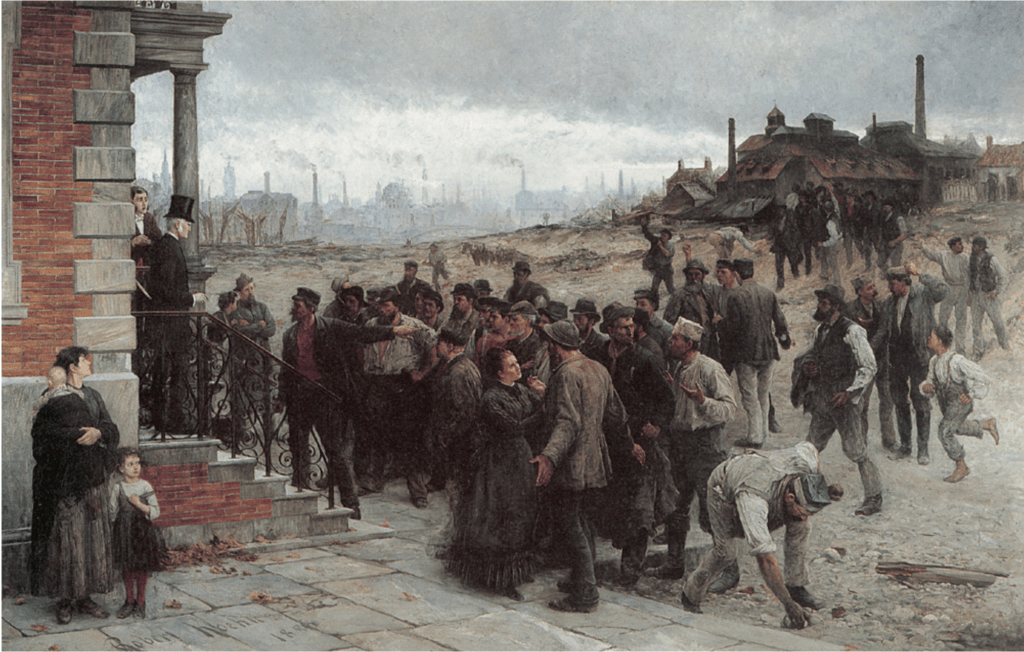
By the mid to late 19th century, labor unions began to form among agricultural workers, seeking better conditions and wages. These organizations played a crucial role in advocating for the rights of farm laborers. For instance, the National Agricultural Labourers’ Union, established in 1872, aimed to improve the lives of agricultural workers through collective bargaining.
One notable example of successful labor activism was the Great Agricultural Strike of 1874 in England. This strike involved thousands of laborers demanding higher wages and better working conditions. Although it faced significant backlash, it marked a turning point in labor rights, drawing public attention to the plight of agricultural workers.
Despite these advancements, challenges remained. Many agricultural workers were still subject to exploitation, with loopholes in the legislation allowing employers to circumvent regulations. The struggle for rights continued into the next century, laying the groundwork for further reforms in labor laws.
Frequently Asked Questions
What were the primary crops cultivated by agricultural workers in the 19th century?
Agricultural workers primarily cultivated wheat, corn, and cotton during the 19th century. These crops were essential for both local consumption and export, significantly contributing to the economy and shaping farming practices of the time.
How did mechanization impact the employment of agricultural workers?
Mechanization led to increased efficiency in farming, but it also resulted in job displacement for many agricultural workers. While some found new opportunities in operating machinery, others faced unemployment or had to adapt to new roles in the evolving agricultural landscape.
What were some common living conditions for agricultural workers in the 19th century?
Many agricultural workers lived in poor conditions, often in small, overcrowded homes. Access to basic amenities like clean water and proper sanitation was limited, contributing to health issues and impacting their overall well-being.
What role did women play in agriculture during the 19th century?
Women played a vital role in agriculture, often working alongside men in the fields and managing household duties. They were essential in tasks like planting, harvesting, and caring for livestock, contributing significantly to the agricultural output.
How did labor rights evolve for agricultural workers in the 19th century?
Labor rights for agricultural workers began to evolve with the introduction of various legislative reforms aimed at improving their working conditions. This period saw the formation of early labor unions and movements advocating for better wages and reduced working hours.
Conclusion
The 19th century was a transformative period for agricultural workers, characterized by the transition from manual labor to mechanization, the challenges they faced in their daily lives, and the evolving legislation that sought to improve their labor rights. These factors collectively reshaped the agricultural landscape. By understanding these historical shifts, readers can appreciate the resilience of agricultural workers and recognize the importance of labor rights today. This knowledge can inform contemporary discussions about agricultural policies and worker protections, enhancing advocacy efforts for fair treatment. To further explore the impact of these changes, consider researching current labor rights movements in agriculture or engaging with local organizations that support farm worker initiatives. Your involvement can contribute to ongoing progress in this vital sector.