How did a young nation like the United States cultivate a sense of identity and unity in the early 19th century? Understanding American nationalism during this period reveals the complexities of a nation striving to define itself amidst internal and external challenges.
This article explores the origins of American nationalism, highlighting key figures who played pivotal roles and examining the profound impact of the War of 1812 on national identity. By delving into these historical dynamics, readers will gain insights into how nationalism shaped the American experience and continues to influence contemporary society.
Key topics include the emergence of nationalist sentiments, influential leaders such as Henry Clay and John Quincy Adams, and the War of 1812’s lasting effects on the American psyche. Join us as we navigate this fascinating chapter in American history.
The origins of American nationalism in the early 19th century
American nationalism began to take shape in the early 19th century, driven by various cultural, political, and economic factors. One significant catalyst was the War of 1812, which fostered a sense of unity among the states. Despite the war’s challenges, Americans felt a collective identity as they defended their sovereignty against British forces.
This burgeoning nationalism was also reflected in art and literature. Figures such as Washington Irving and James Fenimore Cooper began to shape a distinctly American cultural narrative. Cooper’s “The Last of the Mohicans,” published in 1826, emphasized the unique American landscape and its people, further solidifying national pride.
- War of 1812: Fostered unity and pride.
- Art and Literature: Influenced by Irving and Cooper.
- Economic Growth: Industrial Revolution spurred nationalism.
The period also saw the significant impact of the Industrial Revolution on American society. Innovations in transportation, such as the steam engine and railroads, connected distant regions. This connectivity not only facilitated commerce but also encouraged a shared national identity as people moved and interacted across states, contributing to a sense of belonging.
Another critical aspect of this nationalism was the idea of Manifest Destiny, which emerged in the 1840s. Americans believed it was their divine right to expand westward. This ideology justified the annexation of territories like Texas in 1845 and the Oregon Territory in 1846, further embedding the notion of a destined, united nation in the American psyche.
The origins of American nationalism in the early 19th century were multifaceted. Through the War of 1812, cultural developments, economic changes, and the ideology of Manifest Destiny, a cohesive sense of national identity began to emerge. This identity would lay the groundwork for future conflicts and the evolution of the United States as a nation.
Key figures who shaped American nationalism during the 1800s
Several influential figures played pivotal roles in shaping American nationalism throughout the 19th century. These individuals contributed to the development of a national identity, voicing the aspirations and ideals of a growing nation.
- Thomas Jefferson (1743-1826): As the third President of the United States, Jefferson’s vision of an agrarian society underscored the importance of individual rights and self-governance. His Declaration of Independence laid the groundwork for American democratic ideals.
- Andrew Jackson (1767-1845): The seventh President, Jackson’s populist approach and the expansion of suffrage symbolized the rise of the “common man” in American politics. His presidency marked a shift towards a more inclusive national identity.
- Henry Clay (1777-1852): A prominent statesman and orator, Clay championed the American System, advocating for a strong national bank and infrastructure development. His efforts promoted economic unity among the states.
- Frederick Douglass (1818-1895): As a former slave and leading abolitionist, Douglass’s powerful speeches and writings highlighted the contradictions of American nationalism, advocating for the inclusion of African Americans in the national narrative.
Other notable figures also contributed to the national discourse. For instance, John C. Calhoun (1782-1850) was a strong advocate for states’ rights, influencing the debate over federal versus state power. His arguments fostered regional identities that conflicted with the burgeoning sense of nationalism.
The cultural landscape was also shaped by artists and writers. Walt Whitman (1819-1892) celebrated the American spirit in his poetry, particularly in Leaves of Grass, which reflected the diversity and vitality of the nation. Similarly, painters like George Caleb Bingham illustrated American life, contributing to a sense of national pride.
As nationalism evolved, these figures and their contributions became essential in defining what it meant to be American in the 19th century. Their legacies continue to influence national identity discussions today.
The impact of the War of 1812 on national identity
The War of 1812 had a profound impact on American national identity, as it served to unite the nation against a common enemy. The conflict, fought between the United States and Great Britain from 1812 to 1815, was marked by significant events that shaped the perception of American patriotism.
One of the most notable outcomes was the emergence of a sense of shared identity. The war fostered national pride, particularly after the successful defense of Fort McHenry, which inspired Francis Scott Key to write “The Star-Spangled Banner.” This anthem became a symbol of American resilience and unity.
- Duration: 1812-1815
- Key Event: Defense of Fort McHenry (September 1814)
- Outcome: Increased national pride and identity
Furthermore, the war resulted in a decline of Federalist influence, as many viewed their opposition to the conflict as unpatriotic. The party’s demise opened the door for the Democratic-Republicans to establish a stronger grip on American politics, promoting a more cohesive national agenda.
Additionally, the war spurred economic independence. The British blockade during the conflict forced American manufacturers to innovate and expand domestic production. As a result, the United States began to transition from an agrarian society to an industrial one, which contributed to a growing sense of self-reliance and national identity.
The War of 1812 catalyzed the development of American nationalism in several ways:
- Creation of national symbols, such as “The Star-Spangled Banner.”
- Political shifts that diminished the Federalist Party.
- Economic transformation towards industrialization.
These factors collectively reinforced a unique American identity, laying the groundwork for future nationalistic movements and sentiments throughout the 19th century.
Economic factors fueling nationalism and industrial growth
The economic landscape of the 19th century played a crucial role in fostering American nationalism. As the nation transitioned from an agrarian society to an industrial powerhouse, economic growth became intertwined with national identity. The rapid expansion of industries such as textiles, iron, and transportation not only increased productivity but also instilled a sense of pride among Americans.
One of the most significant developments was the transportation revolution, which included the construction of canals, railroads, and roads. The Erie Canal, completed in 1825, connected the Hudson River with Lake Erie, drastically reducing transportation costs and time. This project exemplified how infrastructure could enhance economic growth and promote national unity.
- Canals: Enabled the movement of goods and resources across states.
- Railroads: Facilitated faster transportation, connecting distant markets.
- Road improvements: Enhanced local trade and accessibility.
Furthermore, the rise of the factory system led to urbanization, as people flocked to cities in search of jobs. By 1860, over 20% of the American population lived in urban areas, compared to just 6% in 1800. This shift not only changed the economic landscape but also fostered a sense of community and shared purpose among diverse groups of people, further solidifying national identity.
Another key factor was the implementation of protective tariffs, such as the Tariff of 1816. This legislation aimed to protect budding American industries from foreign competition, encouraging domestic manufacturing. As American products gained prominence, a growing sense of economic independence and national pride emerged among citizens.
The impact of these economic changes was profound. For example, by 1840, the United States produced more than 90% of the world’s cotton, highlighting its agricultural and industrial dominance. This economic strength contributed significantly to a burgeoning national identity, as Americans began to see their country as a rising global power.
The economic factors that fueled nationalism and industrial growth in the 19th century were pivotal in shaping America’s identity. The interplay between infrastructure development, urbanization, and protective policies created a fertile ground for a unified national consciousness.
The role of westward expansion in shaping national pride
Westward expansion during the 19th century was a significant catalyst for American nationalism. The doctrine of Manifest Destiny, which emerged in the 1840s, embodied the belief that Americans were destined to expand across the North American continent. This ideology fostered a sense of purpose and national pride among citizens.
As settlers moved westward, they encountered various challenges, including harsh landscapes and conflicts with Indigenous peoples. However, these trials reinforced the idea of American resilience and strength. The expansion not only increased the size of the nation but also created a collective identity rooted in exploration and adventure.
- Louisiana Purchase (1803): This acquisition doubled the size of the United States and opened vast territories for settlement.
- Oregon Trail (1840s): Thousands traveled this route, symbolizing the American spirit of perseverance and the quest for new opportunities.
- California Gold Rush (1849): The discovery of gold attracted hundreds of thousands, leading to rapid population growth and economic prosperity.
Furthermore, westward expansion was often portrayed in literature and art, which contributed to a shared national narrative. Writers like Walt Whitman celebrated the pioneering spirit, while paintings of expansive landscapes evoked feelings of grandeur and possibility. This cultural representation solidified a national identity that valued exploration and achievement.
In addition to cultural factors, the economic implications of westward expansion were significant. By 1860, the U.S. economy was increasingly reliant on agriculture and natural resources from the West. The introduction of railroads, such as the Transcontinental Railroad completed in 1869, facilitated trade and migration, further intertwining national pride with economic growth.
Westward expansion played a pivotal role in shaping American nationalism by promoting a sense of purpose, resilience, and shared identity among its citizens. The combination of ideology, cultural representation, and economic opportunity created a powerful narrative that defined the nation during the 19th century.
Cultural expressions of nationalism in literature and art
The 19th century witnessed a vibrant expression of American nationalism through literature and art. This cultural movement was characterized by a desire to define a unique American identity, distinct from European influences. Prominent authors and artists emerged, reflecting the values, ideals, and experiences of the American people.
One of the most influential writers of this era was Walt Whitman, whose poetry celebrated the American spirit. In his iconic work, Leaves of Grass, published in 1855, Whitman embraced themes of democracy and individualism, capturing the essence of the nation’s identity. His verses conveyed a sense of optimism and pride in the American experience, emphasizing the connection between the individual and the collective.
- Emily Dickinson explored themes of nature and personal introspection, often reflecting the changing landscape of America.
- Nathaniel Hawthorne delved into the complexities of morality and society, showcasing the darker aspects of American life.
- Mark Twain provided a critical yet humorous perspective on American society through works like The Adventures of Huckleberry Finn.
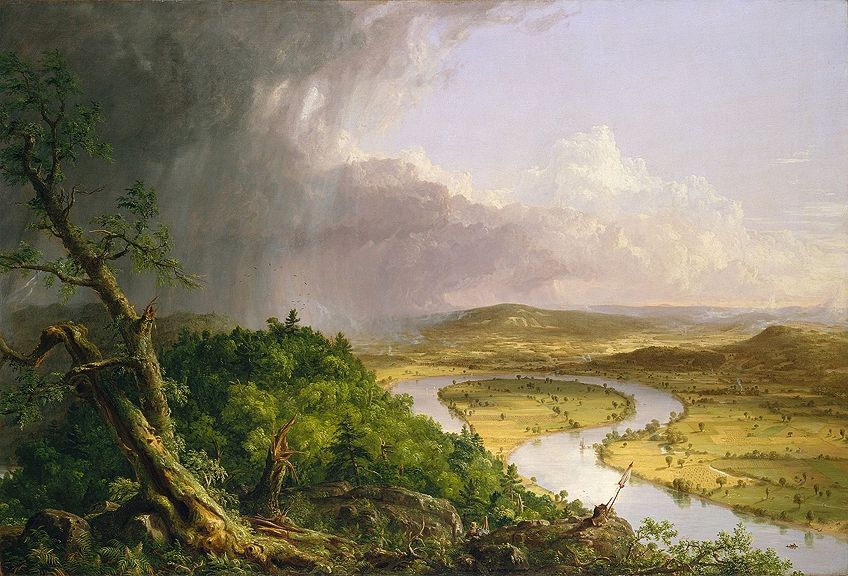
In addition to literature, visual arts played a significant role in expressing nationalism. Artists such as Thomas Cole, a founding member of the Hudson River School, depicted the American landscape in a way that emphasized its beauty and grandeur. Cole’s paintings, like The Oxbow (1836), captured the sublime nature of the American wilderness, fostering a sense of national pride among viewers.
Moreover, the American Renaissance period in the mid-19th century marked a flourishing of artistic expression. This movement sought to establish a distinctly American aesthetic, moving away from European traditions. The use of local themes and settings became prevalent, as artists aimed to connect their work to the burgeoning American identity.
Overall, the cultural expressions of nationalism in literature and art during the 19th century were pivotal in shaping a collective American consciousness. These works not only reflected societal values but also inspired future generations to embrace their national identity with pride.
Conflicts and challenges to nationalism before the Civil War
The period leading up to the Civil War was marked by significant conflicts and challenges that tested the fabric of American nationalism. Issues such as slavery, regional differences, and economic disparities threatened to divide the nation and undermine the sense of unity that nationalism sought to foster.
One of the most pressing challenges was the debate over slavery. The expansion of the United States into new territories raised questions about whether these regions would permit slavery. This issue polarized the nation:
- The Missouri Compromise of 1820 attempted to maintain a balance between slave and free states.
- The Compromise of 1850 included provisions like the Fugitive Slave Act, which heightened tensions.
- By 1860, the nation was almost evenly divided, with 15 slave states and 18 free states.
Regional differences also played a crucial role in challenging nationalism. The economic interests of the North differed substantially from those of the South:
- The North was rapidly industrializing, leading to a demand for free labor.
- The South remained agrarian, relying on enslaved labor for its cotton economy.
- These disparities fostered resentment and suspicion, complicating national unity.
Additionally, political movements such as nativism emerged, reflecting the fear and resistance towards immigrants. The Know-Nothing Party, active in the 1850s, sought to limit immigration and promote American-born citizens. This movement highlighted:
- Rising tensions between native-born Americans and immigrants, particularly Irish and German populations.
- Concerns over cultural dilution and job competition, which further fragmented national identity.
The conflicts and challenges to nationalism before the Civil War were deeply rooted in issues of slavery, regional economic disparities, and rising nativism. These factors not only tested the American identity but also laid the groundwork for the impending conflict that would ultimately reshape the nation.
The influence of nationalism on American foreign policy
Nationalism significantly shaped American foreign policy in the 19th century, as the desire to assert the nation’s strength and identity drove various diplomatic actions. The concept of Manifest Destiny not only fueled westward expansion but also influenced how the United States interacted with other nations.
One of the most notable examples of nationalism’s impact was the Monroe Doctrine, established in 1823. This doctrine asserted that the Western Hemisphere was off-limits to European colonization and intervention, reflecting a growing sense of American sovereignty and confidence.
- Monroe Doctrine (1823): Aimed to prevent European influence in the Americas.
- Mexican-American War (1846-1848): Fueled by nationalist sentiment and the belief in territorial expansion.
- Spanish-American War (1898): Marked a shift in U.S. foreign policy towards imperialism, driven by national pride.
The Mexican-American War is another critical instance where nationalism played a role. The conflict arose from disputes over Texas and the desire to acquire more territory. Following the war, the U.S. added significant land, including present-day California, Arizona, and New Mexico, further solidifying national pride through territorial growth.
However, nationalism also sparked debates about the morality and implications of such expansion. Critics questioned the ethics of war and the treatment of other nations. For example, the acquisition of the Philippines after the Spanish-American War ignited fierce discussions about imperialism and American identity.
| Foreign Policy Event | Year | Nationalism’s Influence |
|---|---|---|
| Monroe Doctrine | 1823 | Assertion of U.S. dominance in the Western Hemisphere |
| Mexican-American War | 1846-1848 | Driven by the desire for territorial expansion |
| Spanish-American War | 1898 | Shift towards imperialism reflecting national pride |
The influence of nationalism on American foreign policy during the 19th century was profound. It not only directed military actions but also shaped the nation’s identity on the global stage, paving the way for its emergence as a world power.
Legacy of 19th-century nationalism in modern United States
The legacy of 19th-century nationalism continues to influence the United States in various ways. This historical movement laid the foundation for contemporary national identity, shaping the values and principles that Americans hold dear today.
One significant impact is the enduring belief in American exceptionalism, which posits that the United States has a unique role and responsibility in the world. This idea, rooted in 19th-century nationalism, has informed foreign policy decisions, promoting a vision of America as a beacon of democracy and freedom.
- Expansionism: The notion of Manifest Destiny in the 19th century encouraged territorial expansion, which still resonates in discussions about the country’s global influence.
- Patriotism: Nationalistic fervor from this era fostered a strong sense of patriotism, evident in national holidays and public celebrations.
- Cultural pride: The emphasis on American culture and achievements continues to be a source of national pride, influencing arts, education, and public discourse.
Moreover, the 19th century’s emphasis on unity amidst diversity has evolved into discussions about inclusivity and multiculturalism. The idea that all Americans, regardless of their background, contribute to the national narrative reflects a complex legacy rooted in earlier nationalistic sentiments.
For example, the ongoing debate about immigration policy highlights this legacy. The 19th-century perspective of welcoming immigrants as contributors to the American fabric contrasts with contemporary challenges and discussions surrounding national identity and integration.
In education, the incorporation of American history in school curricula emphasizes the significance of nationalism in shaping the nation. Events such as Fourth of July celebrations and Memorial Day honor the sacrifices made in the name of national unity.
Overall, the legacy of 19th-century nationalism can be seen in the United States’ commitment to democracy, cultural identity, and the ongoing dialogue about what it means to be American today. This historical perspective provides context for understanding current national and global challenges.
Frequently Asked Questions
What were the main challenges to American nationalism before the Civil War?
Before the Civil War, American nationalism faced significant challenges, including regional tensions over slavery, economic disparities, and differing cultural identities. These conflicts highlighted the struggle to unify various factions under a single national identity.
How did nationalism influence American foreign policy in the 19th century?
Nationalism played a crucial role in shaping American foreign policy, driving the nation to pursue expansionist goals and assert its presence on the global stage. This desire for national strength often led to conflicts and diplomatic negotiations with other countries.
What is the legacy of 19th-century nationalism in today’s United States?
The legacy of 19th-century nationalism is evident in contemporary American society, influencing aspects like national identity, cultural pride, and political discourse. These historical roots continue to impact the way Americans view their nation’s role in the world.
How did nationalism contribute to the Civil War?
Nationalism contributed to the Civil War by intensifying divisions between the North and South, as each region developed its own interpretation of national values. These differing perspectives on issues like slavery and states’ rights ultimately fueled the conflict.
Where can I learn more about American nationalism in the 19th century?
To explore more about American nationalism in the 19th century, consider visiting historical archives, university libraries, or reputable online resources. Books and documentaries focusing on this era also provide valuable insights into its complexities and impacts.
Conclusion
The 19th century was pivotal in shaping American nationalism through significant conflicts before the Civil War, a profound influence on foreign policy, and a lasting legacy that continues to resonate today. These elements collectively forged a national identity that defined the United States. By understanding these historical dynamics, readers can gain valuable insights into how nationalism shapes contemporary society and political discourse. Recognizing these patterns enables individuals to engage more critically with current events and foster a sense of unity and purpose. To further explore this topic, consider delving into primary sources from the era or participating in discussions that analyze the ongoing effects of nationalism in modern America. Engage actively to deepen your understanding and contribute to meaningful dialogue.