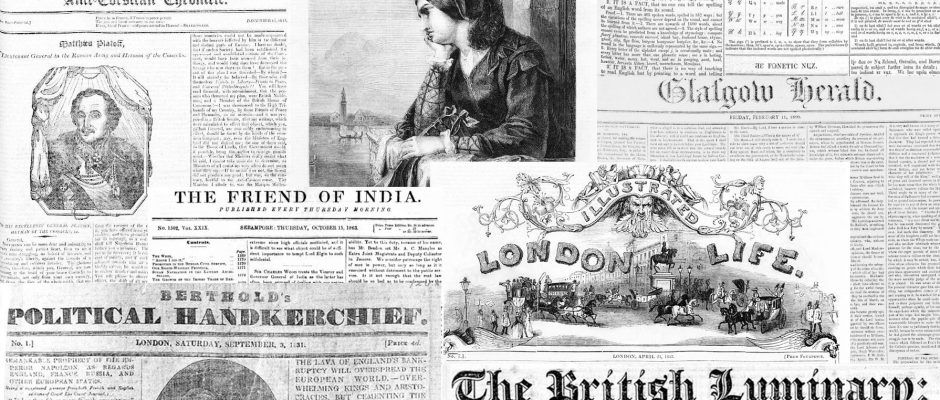
Have you ever found yourself captivated by the eloquence of 19th century literature, yet struggled to replicate its style? Writing in this era’s distinct form of English can seem daunting, but it holds a charm that is both timeless and enriching.
In this guide, you will learn essential techniques to master the intricacies of 19th century English. Discover common vocabulary, phrases, and grammatical structures that will not only enhance your writing skills but also deepen your appreciation for this fascinating period.
We will explore key characteristics of 19th century English, delve into typical vocabulary, and highlight the differences between this historical form and modern English grammar.
Understanding the key characteristics of 19th century English
The English language of the 19th century is marked by several notable characteristics that distinguish it from contemporary usage. One of the most prominent features is the extensive use of formal vocabulary, which often included terms and phrases that have since fallen out of favor. For instance, words like “peradventure” and “hitherto” were commonly used in literature and correspondence.
Additionally, sentence structures were often more complex, reflecting a higher degree of syntactical sophistication. Writers like Charles Dickens and Jane Austen employed long, elaborate sentences that included multiple clauses, creating a rhythm and flow that is less common today.
- Vocabulary: Rich and formal, with words that may seem archaic now.
- Sentence Length: Longer and more complex structures.
- Politeness: A tendency towards formal address and courteous language.
- Rhetorical Devices: Frequent use of metaphors, similes, and other literary devices.
Another key characteristic is the use of polite forms of address, which were crucial in maintaining social hierarchies. Correspondence often began with phrases like “My dear Sir” or “To the esteemed Mr.,” showcasing the importance of respect and formality in communication. For example, letters written by notable figures such as Queen Victoria or Lord Byron exemplify this level of decorum.
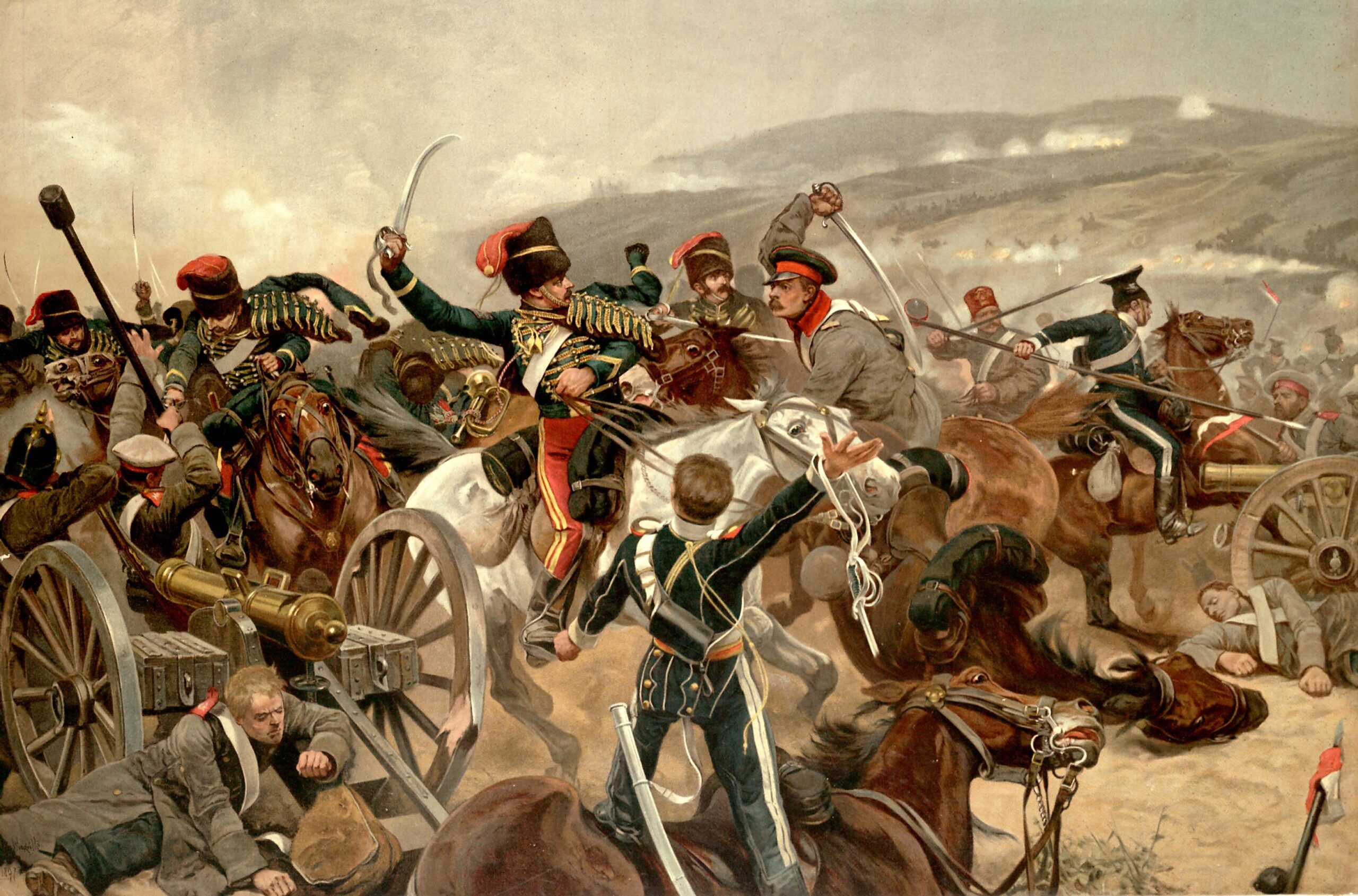
Furthermore, the literary works of the time reflect a rich tapestry of rhetorical devices. Authors utilized metaphors and similes extensively, enhancing the descriptive quality of their narratives. For instance, in his poem “The Charge of the Light Brigade,” Alfred Lord Tennyson employs vivid imagery to evoke the valor and tragedy of battle.
The key characteristics of 19th century English encompass a blend of formal vocabulary, complex sentence structures, and a strong emphasis on politeness and rhetorical flair. Understanding these elements is essential for anyone looking to write authentically in this historical context.
Common vocabulary and phrases used in the 19th century
The 19th century saw a rich variety of vocabulary that reflected the society and culture of the time. Many words and phrases were commonly used, which may sound archaic to contemporary readers. Understanding these terms is essential for anyone aiming to write authentically in this historical context.
- Victorian Era Terminology: Words like “dandy” referred to a man who placed particular importance on his appearance, while “philanthropist” described someone who seeks to promote the welfare of others.
- Social Class Indicators: Terms such as “gentleman” and “lady” were used to denote social status and propriety, often accompanied by specific behaviors expected from each class.
- Everyday Expressions: Phrases like “to take a genteel walk” or “to make a call” were common. The phrase “to be in good spirits” indicated someone was happy or content.
Moreover, the 19th century incorporated many idiomatic expressions. For instance, “to turn over a new leaf” meant to start fresh or make a change in one’s life. Such expressions not only convey meaning but also reveal the values and attitudes of the time.
Another aspect of 19th-century English vocabulary is the use of formal and elaborate language. For example, instead of saying “I will help you,” one might say, “I shall render you my assistance.” This formality was characteristic of written communication, particularly in letters and literature.
- Common Vocabulary Examples:
- “Whilst” instead of “while”
- “Thou” and “thee” as archaic forms of “you”
- “Pray” used as a polite request, e.g., “Pray, tell me more.”
- Phrases Related to Social Etiquette:
- “By your leave,” when asking for permission
- “With all due respect,” indicating disagreement
The vocabulary and phrases of the 19th century reflect its social dynamics and cultural norms. Familiarity with these terms will greatly enhance your ability to write convincingly in this historical style.
Differences between 19th century and modern English grammar
The grammar of 19th century English exhibits several distinct features that set it apart from modern English. One of the most significant differences lies in the use of verb forms and tenses. In the 19th century, writers often employed a greater variety of tenses, including the subjunctive mood, which is less common today. For example, a sentence like “If I were to know the answer” would have been more prevalent compared to the modern “If I knew the answer.”
Another notable difference is the usage of pronouns. The 19th century saw a more formal approach to pronouns, particularly in addressing individuals. For instance, “thee” and “thou” were frequently used, especially in poetic or religious texts. This contrasts sharply with today’s more simplified pronoun system, where “you” is used universally.
- Subject-verb agreement: The 19th century often included the use of plural verbs with collective nouns, such as “The team are winning,” which is now generally replaced by “The team is winning.”
- Word order: There were instances of inverted word order for emphasis, such as “Hardly had he arrived when…” instead of the modern “He had hardly arrived when…”
- Use of adverbs: Adverbs were often placed at the beginning of sentences for stylistic effect, like “Swiftly came the night,” which is less common in modern vernacular.
Additionally, the 19th century was characterized by a more elaborate use of modifiers. Writers tended to embellish their sentences with multiple adjectives or adverbs, creating a more ornate style. For example, a description might read, “The elegantly dressed lady walked gracefully down the cobblestone street,” showcasing an emphasis on detail.
While modern English grammar has streamlined many of these features for clarity and efficiency, understanding the complexities of 19th century grammar provides valuable insight into the linguistic evolution of the English language. By recognizing these differences, writers can better emulate the style and tone of the period.
Tips for mimicking 19th century writing style
To effectively mimic the writing style of the 19th century, one must pay attention to several key aspects. These include vocabulary, sentence structure, and the overall tone of the writing. Here are some practical tips to consider:
- Utilize period-appropriate vocabulary: Incorporate words that were commonly used during the 19th century. For instance, instead of saying “help,” you might use “assist” or “aid.” Consider words like “sanguine” for optimistic or “melancholy” for sadness.
- Emphasize formal sentence structures: 19th century writers often employed complex sentences with multiple clauses. For example, instead of a simple sentence like “I enjoy reading,” you might write, “It is with great pleasure that I indulge in the pursuit of reading, as it offers a profound escape into realms unknown.”
- Incorporate literary devices: Use metaphors, similes, and alliteration to enhance your writing. An example could be, “As the sun dipped below the horizon, its golden rays danced upon the rippling waters, casting a spell of tranquility.”
Moreover, consider the following techniques to refine your 19th century writing style:
- Adopt an ornate tone: The language of this era often reflects a more elaborate and formal tone. For example, instead of writing “She was very beautiful,” one might express, “Her beauty was of such exquisite nature that it captivated the hearts of all who beheld her.”
- Use direct address: Engage the reader by directly addressing them in the text. Phrases like “Dear reader” or “Esteemed audience” can create a connection reminiscent of the era.
- Practice letter writing: Many 19th century authors wrote letters that revealed their thoughts and opinions. Writing a letter in this style allows you to practice the nuances of the language. For example, begin with “My Dearest Friend” and conclude with “Yours faithfully.”
Finally, immerse yourself in the literature of the time. Reading works by authors such as Charles Dickens or Emily Brontë can provide valuable insights into the style and nuances you wish to emulate. Note their use of dialogue, descriptions, and character development.
Examples of famous 19th century English literature
The 19th century was a remarkable period for English literature, introducing a plethora of influential works that continue to shape literary discourse today. Renowned authors like Charles Dickens, Emily Brontë, and Mark Twain produced texts that captured the complexities of human experience.
One of the most celebrated novels of this era is A Tale of Two Cities (1859) by Charles Dickens. Set against the backdrop of the French Revolution, the novel explores themes of resurrection and sacrifice. Dickens’s vivid characters and intricate plotlines have made this work a staple in English literature classes.
- Pride and Prejudice by Jane Austen (1813) – A critique of societal norms and class distinctions.
- Wuthering Heights by Emily Brontë (1847) – A tale of passionate love and revenge set on the Yorkshire moors.
- The Adventures of Huckleberry Finn by Mark Twain (1884) – A profound commentary on race and identity in America.
- Middlemarch by George Eliot (Mary Ann Evans) (1871-1872) – A complex exploration of provincial life and social change.
Another significant work is Moby-Dick (1851) by Herman Melville. This novel delves into the obsessive quest of Captain Ahab to hunt the elusive white whale. Melville’s intricate narrative structure and profound philosophical questions make it a cornerstone of American literature.
Statistically, the 19th century produced over 3,000 novels in English, reflecting a surge in literacy and the popularity of the novel as a form. This period also saw the rise of serialized fiction, with many authors publishing their works in magazines before full book releases.
In poetry, the works of William Wordsworth and Alfred Lord Tennyson are noteworthy. Wordsworth’s Lines Composed a Few Miles Above Tintern Abbey (1798) encapsulates the Romantic spirit, while Tennyson’s In Memoriam (1850) addresses themes of loss and faith.
Common mistakes to avoid when writing in 19th century English
When attempting to write in the style of 19th century English, many common mistakes can hinder the authenticity of your work. One prevalent error is the misuse of vocabulary. In this era, certain words were used in ways that may seem archaic today. For instance, using the word “sanguine” to describe a cheerful disposition was common, whereas today it may confuse readers.
Another frequent mistake involves sentence structure. Many 19th century writers employed complex, lengthy sentences filled with subordinate clauses. A modern writer might opt for brevity, resulting in a style that lacks the ornate quality characteristic of the time. For example, instead of writing, “He went to the store,” a 19th century writer might elaborate, “He, after much contemplation, took his leave and ventured forth to the store, where he hoped to procure provisions.”
- Overusing contractions: In the 19th century, contractions like “can’t” or “won’t” were less common. Writers preferred forms like “cannot” or “will not.”
- Neglecting formal address: Titles and formal address were crucial. Addressing someone simply as “you” may seem disrespectful. Instead, use “your grace” or “your majesty” when appropriate.
- Ignoring punctuation rules: The use of semicolons and colons was more prevalent. Properly placing these can enhance the rhythm of your writing.
A practical example of mistakes can be found in the works of Charles Dickens. In A Tale of Two Cities, Dickens expertly intertwines long, descriptive sentences that paint vivid images. A modern reinterpretation might strip away this richness, leading to a bland narrative. For instance, instead of saying, “It was the best of times, it was the worst of times,” a more contemporary approach might simplify it to, “Times were both good and bad,” losing the dramatic flair.
Finally, be cautious with historical context. Using modern idioms or slang can break the immersion of your writing. Phrases such as “that’s a bummer” or “cool” would be completely out of place. Instead, draw from the lexicon of the time, using expressions like “how lamentable” or “most agreeable” to capture the essence of the period.
How to adapt 19th century English for modern readers
Adapting 19th century English for modern readers requires a careful balance between retaining the original style and ensuring clarity. Here are several strategies to achieve this:
- Update vocabulary: While many words from the 19th century are still in use, some may seem archaic. Choose contemporary synonyms for terms that might confuse modern readers. For instance, replace “dost” with “do” and “thee” with “you.”
- Shorten complex sentences: The sentence structure of the 19th century often featured lengthy, intricate constructions. Break down long sentences into shorter, more digestible ones while maintaining the original meaning.
- Maintain formal tone: The formal tone of 19th century writing is essential to preserve. Use polite forms of address and avoid slang or overly casual language.
Another crucial aspect is understanding the cultural context of the time. For instance, many 19th century works reflect the social norms and values of their era. When adapting, consider the implications of these views and how they resonate with today’s audiences.
For example, Pride and Prejudice by Jane Austen explores themes of marriage and class. When adapting this work, modern readers might appreciate an emphasis on the characters’ personal growth over societal expectations.
Moreover, consider including footnotes or endnotes to explain historical references or outdated concepts. This enables readers to grasp the significance of certain phrases or ideas without interrupting the flow of the narrative.
- Provide context: If a character references a historical event, briefly explain its importance. For instance, mention the significance of the Industrial Revolution when discussing changes in society.
- Use modern punctuation: While 19th century texts often employed different punctuation styles, modern readers may find it easier to read with contemporary punctuation rules.
- Incorporate relatable themes: Highlight universal themes such as love, conflict, and identity that resonate across time periods, making the text more relatable to today’s audience.
By implementing these strategies, writers can create a version of 19th century English that is accessible to modern readers while still honoring the original style and intent of the authors.
Resources for studying 19th century English language and style
Studying 19th century English language and style requires access to a variety of resources that provide insights into the era’s literature, linguistic features, and cultural context. Here are some valuable resources:
- Books: Many anthologies compile significant works from the 19th century. Notable examples include “The Norton Anthology of English Literature” and “The Oxford Companion to English Literature.” These texts offer critical essays and historical context.
- Online Databases: Websites like Project Gutenberg and the Internet Archive offer free access to a vast collection of 19th century texts, allowing readers to analyze original works.
- Academic Journals: Journals such as “Victorian Literature and Culture” provide peer-reviewed articles focusing on 19th century writings, offering scholarly perspectives and analyses.
In addition to texts, there are numerous online courses and lectures available that explore the intricacies of 19th century English. Platforms like Coursera or edX frequently offer courses related to Victorian literature and linguistic studies.
Another effective way to immerse oneself in the language is through reading group discussions or literary clubs focused on 19th century literature. Engaging with others can provide diverse insights and interpretations.
| Resource Type | Examples | Access |
|---|---|---|
| Books | “The Norton Anthology of English Literature” | Purchase or library access |
| Online Databases | Project Gutenberg, Internet Archive | Free access |
| Academic Journals | “Victorian Literature and Culture” | Subscription or library access |
| Online Courses | Victorian Literature on Coursera | Free or paid options |
Lastly, exploring adaptations of 19th century works, such as films or modern retellings, can help bridge the gap between historical language and contemporary understanding. These resources combined can enrich one’s study of 19th century English language and style significantly.
Practice exercises for writing in 19th century English
Practicing 19th century English can significantly enhance your writing skills. Below are several exercises designed to help you immerse yourself in the language and style of that era.
One effective exercise is to rewrite modern sentences in a 19th century style. Take a simple sentence such as:
- “I am going to the market to buy some apples.”
Now, transform it into a more period-appropriate form:
- “I shall proceed to the market forthwith, to procure a few apples.”
This exercise helps you practice vocabulary and sentence structure typical of the 19th century.
Another valuable exercise is to analyze excerpts from notable authors of the time. Choose works by authors like Charles Dickens or Jane Austen. For example:
- Read a passage from “Pride and Prejudice” by Jane Austen.
- Identify key phrases and stylistic choices.
- Take notes on how they convey emotion and character.
Then, attempt to write a short scene inspired by that style, using similar vocabulary and sentence structures.
Furthermore, journaling in 19th century English can be highly beneficial. Set aside a few minutes each day to write about your thoughts or daily experiences, but do so in the form of a letter or diary entry:
- Start with a date and location, e.g., “London, the 5th of October, 1823.”
- Use formal greetings, such as “Dearest Friend” or “Most Esteemed Sir.”
For example:
- “Dearest Friend, I find myself in a state of profound contemplation this evening, reflecting upon the events of the day.”
Lastly, engage in dialogue writing. Create conversations between two characters, ensuring they speak as individuals from the 19th century would. Consider using:
- Formal addresses (e.g., “Your Grace,” “My Dear Lady”)
- Complex sentence structures
This exercise will not only improve your command of the language but also enhance your understanding of character development and interaction typical of that era.
Frequently Asked Questions
What are the key characteristics of 19th century English?
19th century English is known for its formal tone, elaborate sentence structures, and rich vocabulary. Writers often employed flowery language and intricate metaphors, which can differ greatly from contemporary styles. Understanding these characteristics is essential for accurate adaptation.
How can I improve my understanding of 19th century literature?
To enhance your understanding of 19th century literature, consider exploring primary texts from authors like Charles Dickens or Jane Austen. Additionally, utilizing literary critiques and historical analyses can provide valuable context. Online courses and libraries also offer resources for deeper study.
What are effective exercises for practicing 19th century writing?
Effective exercises include
- Transcribing excerpts from 19th century texts.
- Writing short stories or letters in the style of the era.
- Imitating the sentence structure and vocabulary of prominent authors.
These practices help develop a feel for the language and style.
How does 19th century English differ from modern English?
19th century English features more complex syntax and a broader vocabulary compared to modern English. Additionally, the use of formal address and idiomatic expressions can create challenges for contemporary readers. Familiarity with these differences is crucial for effective writing.
Where can I find resources to learn more about 19th century English?
Resources for learning about 19th century English include academic journals, online databases, and libraries. Websites dedicated to literature often provide analysis and context for major works. Joining literary societies or discussion groups can also enrich your understanding.
Conclusion
Adapting 19th century English involves balancing original style with modern clarity, utilizing various resources for deeper understanding, and engaging in practice exercises to refine your skills. These elements combined will enhance your ability to write authentically in this unique style. By applying these techniques, you can improve your literary skills, gain a richer understanding of historical texts, and captivate modern audiences with your writings. Embracing this style not only enriches your craft but also connects you to a significant literary heritage. Start your journey today by exploring the recommended resources and practicing your writing regularly. Your proficiency in 19th century English awaits!