Have you ever wondered how the leadership of the Catholic Church evolved during the 19th and 20th centuries? The papacies of this era were marked by significant societal changes, influencing both religious practices and global politics.
This article will provide you with a comprehensive overview of the popes who shaped this transformative period. By exploring their backgrounds and the major events during their reigns, you will gain valuable insights into how these leaders navigated challenges and left lasting legacies.
We will delve into the early 19th-century popes and their impact, highlight key figures from the late 19th century, and discuss major events that defined their papacies. Understanding these elements will enrich your perspective on the Church’s role in modern history.
Early 19th-century popes and their impact
The early 19th century marked a significant period for the papacy, characterized by political upheaval and the challenge of modernity. Popes during this era had to navigate the complex interactions between the Church and emerging nation-states. One notable figure was Pope Pius VII, who reigned from 1800 to 1823. His papacy was overshadowed by the Napoleonic Wars, leading to his temporary imprisonment by Napoleon in 1809.
After his release in 1814, Pius VII played a crucial role in restoring the authority of the papacy. He convened the Council of Vienna in 1814, which sought to address the consequences of the Napoleonic era and reestablish the Church’s influence across Europe. This council laid the groundwork for future Church-state relations, emphasizing the importance of diplomatic engagement.
- Pope Leo XII (1823-1829) focused on maintaining traditional Catholic values amid rising secularism.
- Pope Pius VIII (1829-1830) expanded educational initiatives, promoting Catholic education as a counter to secular ideologies.
- Pope Gregory XVI (1831-1846) resisted liberal movements, condemning modernism and advocating for the Church’s authority.
Throughout this period, the papacy also faced internal challenges. The rise of nationalist movements in Italy and other regions threatened the temporal power of the Pope. For example, the Italian unification movement in the 1860s led to the loss of the Papal States, significantly diminishing papal influence in political matters. This transformation forced the Church to adapt its role in society.
Moreover, the early 19th century saw the emergence of various religious orders aimed at addressing social issues. The founding of the Society of Jesus, or Jesuits, in 1814 by Pius VII was a response to the need for educational reform and missionary work. This initiative significantly impacted the Church’s outreach efforts and helped reestablish its authority in regions where it had been weakened.
Early 19th-century popes faced numerous challenges that shaped the modern Catholic Church. Their responses to political changes and social issues laid the foundation for the Church’s evolving role in the contemporary world.
Key popes of the late 19th century
The late 19th century was a transformative time for the Catholic Church, marked by several influential papacies. The popes during this period faced numerous challenges, including modernity, secularism, and political pressures. Their responses shaped the Church’s direction significantly.
- Pope Pius IX (1846-1878): One of the most notable popes of this era, Pius IX is known for the longest papacy in history at over 31 years. He convened the First Vatican Council in 1869, which defined the doctrine of papal infallibility.
- Pope Leo XIII (1878-1903): Following Pius IX, Leo XIII was influential in addressing social issues. His encyclical Rerum Novarum (1891) addressed the rights of workers and the condition of the working class, marking a significant shift in the Church’s approach to social justice.
- Pope Pius X (1903-1914): Known for his efforts to reform the liturgy and promote the practice of frequent communion, Pius X also emphasized the importance of catechetical instruction within the Church.
These popes not only responded to contemporary challenges but also laid the groundwork for future Church teachings and engagements with the modern world.
Each pope contributed uniquely to the Church’s evolution during this time. For instance, Pius IX’s declaration of the dogma of the Immaculate Conception in 1854 strengthened the Church’s doctrinal authority, while Leo XIII’s advocacy for social justice positioned the Church as a relevant moral voice in the industrial age.
The impact of these papacies is evident in the Church’s ongoing dialogue with modern society. The emphasis on social issues set forth by Leo XIII continues to resonate today, influencing the Church’s stance on contemporary matters such as economic inequality and social responsibility.
The late 19th century was pivotal for the papacy, as these key figures navigated complex challenges and laid the foundation for the Church’s future role in a rapidly changing world.
Major events during 19th-century papacies
The 19th century was marked by numerous pivotal events that shaped the Catholic Church and its influence on global politics. Notable among these were the First Vatican Council and the various political conflicts that affected the papacy.
One of the most significant events was the First Vatican Council, convened by Pope Pius IX in 1869. This council addressed key doctrines, including the proclamation of the doctrine of papal infallibility. The council concluded in 1870, establishing the pope’s authority in matters of faith and morals, which had lasting implications for the Church’s governance.
- First Vatican Council: 1869-1870
- Papal Infallibility proclaimed
- Defining Church authority over doctrinal matters
In addition to internal developments, the papacy faced external challenges. The unification of Italy in the 1860s resulted in the loss of the Papal States, leading to a crisis of authority for the Vatican. This political shift forced the popes to adapt to a new reality where they were no longer sovereign rulers.
Another event of note was the Roman Question, which emerged from the annexation of the Papal States by Italy. This question revolved around the papacy’s territorial sovereignty and its implications for the Church’s role in politics. The resolution came in 1929 with the Lateran Treaty, but the conflicts during the 19th century set the stage for these negotiations.
| Event | Date | Significance |
|---|---|---|
| First Vatican Council | 1869-1870 | Papal authority and infallibility defined |
| Loss of Papal States | 1861 | End of papal temporal power |
| Roman Question | 1860s onwards | Conflict over papal sovereignty |
These events illustrate the complex interplay between the papacy and the evolving political landscape of the 19th century. The decisions and actions of the popes during this time not only influenced the Church’s internal structure but also its external relationships with states and other religious entities.
Popes leading the Catholic Church in the early 20th century
The early 20th century was a pivotal time for the papacy, witnessing significant changes in the political landscape and the church’s response to modernity. The popes during this era played crucial roles in defining the Church’s stance on various issues.
One of the most notable popes was Pope Pius X, who reigned from 1903 to 1914. He is remembered for his efforts to combat modernism within the Church and promote traditional Catholic values. His encyclicals, such as Ad Diem Illum Laetissimum, emphasized the importance of the Eucharist and the need for deeper spiritual engagement among the faithful.
- Pope Pius X (1903-1914): Focused on anti-modernism and liturgical reforms.
- Pope Benedict XV (1914-1922): Promoted peace during World War I and emphasized humanitarian efforts.
- Pope Pius XI (1922-1939): Strengthened the Vatican’s role in international politics and established the Lateran Treaty with Italy.
Pope Benedict XV, who succeeded Pius X, faced the challenges of World War I. He was known for advocating peace and humanitarian relief amid the devastation. His encyclical, Ad Beatissimi Apostolorum, called for an end to hostilities and emphasized the Church’s mission to promote peace and reconciliation.
Another influential figure was Pope Pius XI, who took office in 1922. His papacy was marked by the signing of the Lateran Treaty in 1929, which recognized the Vatican City as an independent state. This agreement was significant as it established a new relationship between the Church and the Italian government, paving the way for the Vatican’s role in global affairs.
Throughout these years, the popes faced various challenges, including the rise of secularism and political ideologies such as fascism and communism. Their responses varied, but the emphasis remained on maintaining the Church’s influence and addressing the spiritual needs of the faithful in a rapidly changing world.
Influential 20th-century popes and their legacies
The 20th century saw a number of influential popes whose legacies continue to shape the Catholic Church today. Each pope brought unique perspectives and responses to the challenges of their times, impacting both the church and the broader world.
Pope Pius XI (1922-1939) was notable for his efforts to address modernity. He established the Vatican City as an independent state in 1929, solidifying the church’s sovereignty. His encyclical, Quadragesimo Anno, emphasized social justice and the rights of workers, reflecting the church’s engagement with social issues in the wake of the Industrial Revolution.
- Pope John XXIII (1958-1963): Known for convening the Second Vatican Council, which aimed to modernize the church and promote ecumenism.
- Pope Paul VI (1963-1978): Continued the reforms initiated by John XXIII and was instrumental in promoting the church’s dialogue with other faiths.
- Pope John Paul II (1978-2005): The first non-Italian pope in over 400 years, he played a significant role in ending communism in Eastern Europe and was a vocal advocate for human rights.
Pope John XXIII’s impact is particularly noteworthy. His leadership during the Second Vatican Council (1962-1965) led to significant reforms, including changes in liturgy and a new approach to interfaith relations. The council resulted in over 16 documents that reshaped the church’s relationship with the modern world.
Pope John Paul II’s papacy is remembered for its global outreach. He visited over 129 countries and played a pivotal role in the fall of the Iron Curtain. His 1995 encyclical, Evangelium Vitae, emphasized the sanctity of life and addressed contemporary issues like abortion and euthanasia.
Statistics indicate that under John Paul II’s leadership, the Catholic Church saw a significant increase in vocations, with many young people inspired by his message. For instance, the number of priests grew from approximately 404,000 in 1978 to over 410,000 by 2005.
Each of these popes left an indelible mark on the Catholic Church, navigating complex social, political, and theological landscapes. Their legacies continue to influence the church’s direction and its role in global affairs.
The role of popes during world conflicts
The role of popes during major world conflicts has been significant, as they often acted as mediators and voices of peace. Particularly during the two World Wars, the papacy sought to address the devastation and moral crises that arose from these conflicts.
Pope Benedict XV, who led the Catholic Church during World War I, famously called for peace in his 1917 encyclical, Pax Christi in Regno Christi. He emphasized the need for reconciliation and offered the Vatican as a neutral ground for peace negotiations. His efforts, however, were largely ignored by the warring nations.
- World War I: Pope Benedict XV’s peace efforts were marked by his proposal for a truce, which was rejected.
- World War II: Pope Pius XII faced criticism for his silence during the Holocaust, but he also worked behind the scenes to save Jewish lives.
- Cold War: Pope John Paul II played a pivotal role in the fall of communism in Eastern Europe, notably in Poland.
Pope Pius XII, who reigned during World War II, adopted a more cautious approach. He maintained a stance of neutrality, which led to debates regarding his silence on the atrocities committed during the Holocaust. Nevertheless, the Vatican engaged in various humanitarian efforts, helping to save thousands of Jews by providing them with false identities and shelter.
The influence of Pope John Paul II during the Cold War is another critical example. His visits to Poland in the early 1980s inspired the Solidarity movement, which sought to challenge communist rule. His famous quote, “Be not afraid,” resonated with many and was a catalyst for change in Eastern Europe.
The papacy has played a multifaceted role during world conflicts, acting as both a spiritual leader and a diplomatic entity. The actions of popes like Benedict XV, Pius XII, and John Paul II illustrate the complexities of navigating the moral dilemmas presented by war and conflict.
Changes in the Catholic Church under 19th and 20th-century popes
The 19th and 20th centuries marked a period of dramatic transformation within the Catholic Church, influenced by the actions and teachings of various popes. These changes not only impacted the Church’s internal structure but also its role in global society.
One of the most significant changes was the Vatican’s stance on modernity and secularism. Popes such as Pius IX (1846-1878) and Leo XIII (1878-1903) addressed these challenges directly:
- Pope Pius IX convened the First Vatican Council (1869-1870), which defined the doctrine of papal infallibility.
- Pope Leo XIII issued the encyclical Rerum Novarum (1891), advocating for workers’ rights and social justice.
These encyclicals demonstrated a shift towards addressing contemporary social issues, positioning the Church as a relevant voice in the modern world. Moreover, the popes began to engage with the growing labor movements, emphasizing the dignity of work and the rights of workers.
During the early 20th century, popes continued to adapt to the changing landscape. For example:
- Pope Benedict XV (1914-1922) sought to promote peace during World War I, calling for an end to hostilities and advocating for humanitarian aid.
- Pope Pius XI (1922-1939) worked to address the rise of totalitarian regimes, emphasizing the importance of human rights and religious freedom.
In addition to addressing social and political issues, the Church also experienced internal reforms. The liturgical movement, which began in the late 19th century, aimed to make the Mass more accessible to the laity. This led to significant changes in the way the Eucharist was celebrated, fostering greater participation among congregants.
Overall, the changes initiated by 19th and 20th-century popes reflect a greater engagement with the world around them. Their teachings and actions not only shaped the Catholic Church’s identity but also established its role in advocating for social justice and peace during tumultuous times.
Comparing 19th and 20th-century papal leadership styles
The leadership styles of popes during the 19th and 20th centuries exhibited distinct characteristics shaped by the socio-political contexts of their times. While 19th-century popes often focused on maintaining traditional doctrines, 20th-century popes began to engage more actively with contemporary issues.
During the 19th century, popes like Pope Pius IX (1846-1878) emphasized papal authority through the declaration of the Immaculate Conception and the First Vatican Council, which defined papal infallibility. This approach reinforced the centralization of power within the Vatican but also led to tensions with emerging modernist movements.
- Pope Leo XIII (1878-1903): Advocated for social justice and the rights of workers through his encyclical, Rerum Novarum.
- Pope Pius X (1903-1914): Known for his opposition to modernism and strict adherence to traditional Catholic teachings.
In contrast, the 20th century witnessed a shift towards a more pastoral and diplomatic leadership style. Popes such as Pope John XXIII (1958-1963) initiated the Second Vatican Council, promoting dialogue with other faiths and addressing contemporary moral issues. This change marked a significant departure from the rigid dogmatism of his predecessors.
Moreover, popes like Pope Paul VI (1963-1978) continued this legacy by engaging in ecumenical efforts and advocating for social change, demonstrating a commitment to addressing the needs of a rapidly changing world.
| Pope | Period | Leadership Style | Key Initiatives |
|---|---|---|---|
| Pope Pius IX | 1846-1878 | Authoritarian | Immaculate Conception, Vatican I |
| Pope John XXIII | 1958-1963 | Pastoral | Second Vatican Council |
This evolution in papal leadership reflects broader changes in society and the Church’s approach to modernity. The contrast between the conservative stance of the 19th-century popes and the more open, engaging style of their 20th-century successors illustrates the dynamic nature of Church leadership.
The evolution of papal authority from the 19th to 20th century
The evolution of papal authority during the 19th and 20th centuries reflects significant changes influenced by modernity, political upheavals, and shifts in societal values. The papacy transitioned from a predominantly spiritual authority to a more politically engaged institution.
In the 19th century, the papacy faced challenges from emerging nation-states and secular ideologies. The Papal States were annexed by Italy in 1870, which diminished the political power of the pope. This event marked a pivotal moment, leading to the concept of the pope as a spiritual leader without temporal power.
- Pope Pius IX (1846-1878) was crucial in this transition, advocating for the Immaculate Conception and declaring papal infallibility during the First Vatican Council in 1870.
- Pope Leo XIII (1878-1903) emphasized the importance of social justice and the Church’s role in addressing modern societal issues through his encyclical Rerum Novarum.
As the 20th century unfolded, popes began to engage more directly with global issues. Pope John XXIII (1958-1963) exemplified this shift by convening the Second Vatican Council (1962-1965), which aimed to modernize the Church and foster dialogue with other religions.
The influence of popes reached new heights with the leadership of Pope John Paul II (1978-2005). His extensive travels and outreach to various faiths showcased the papacy’s ability to transcend national boundaries. His role in the fall of communism in Eastern Europe, particularly in Poland, demonstrated how papal authority could impact political landscapes.
Throughout the 19th and 20th centuries, the papacy evolved into a more influential entity in global affairs. The challenges posed by secularism, war, and social change compelled popes to adapt their roles, leading to a renewed emphasis on human rights, peace, and social justice.
Frequently Asked Questions
What significant changes did popes implement in the Catholic Church during the 19th century?
During the 19th century, popes initiated major reforms addressing modernity and secularism. Key changes included the establishment of the Vatican as a sovereign entity and the promotion of the Catholic social teaching to respond to socio-economic issues arising from industrialization.
How did the leadership styles of popes differ between the 19th and 20th centuries?
The leadership styles varied significantly, with 19th-century popes often exhibiting a more authoritarian approach, while 20th-century popes embraced a more pastoral and engaging style, reflecting the growing importance of dialogue in addressing contemporary issues.
What was the impact of World War I on papal authority?
World War I challenged papal authority, leading to a re-evaluation of the Church’s role in global affairs. The pope sought to act as a mediator for peace, emphasizing moral leadership while navigating complex political landscapes and the evolving role of the Church.
How did Vatican II influence the Catholic Church’s direction?
The Second Vatican Council (1962-1965) profoundly influenced the Catholic Church by promoting ecumenism and modernizing practices. It encouraged greater participation of laity and fostered dialogue with other faiths, reshaping the Church’s mission in the modern world.
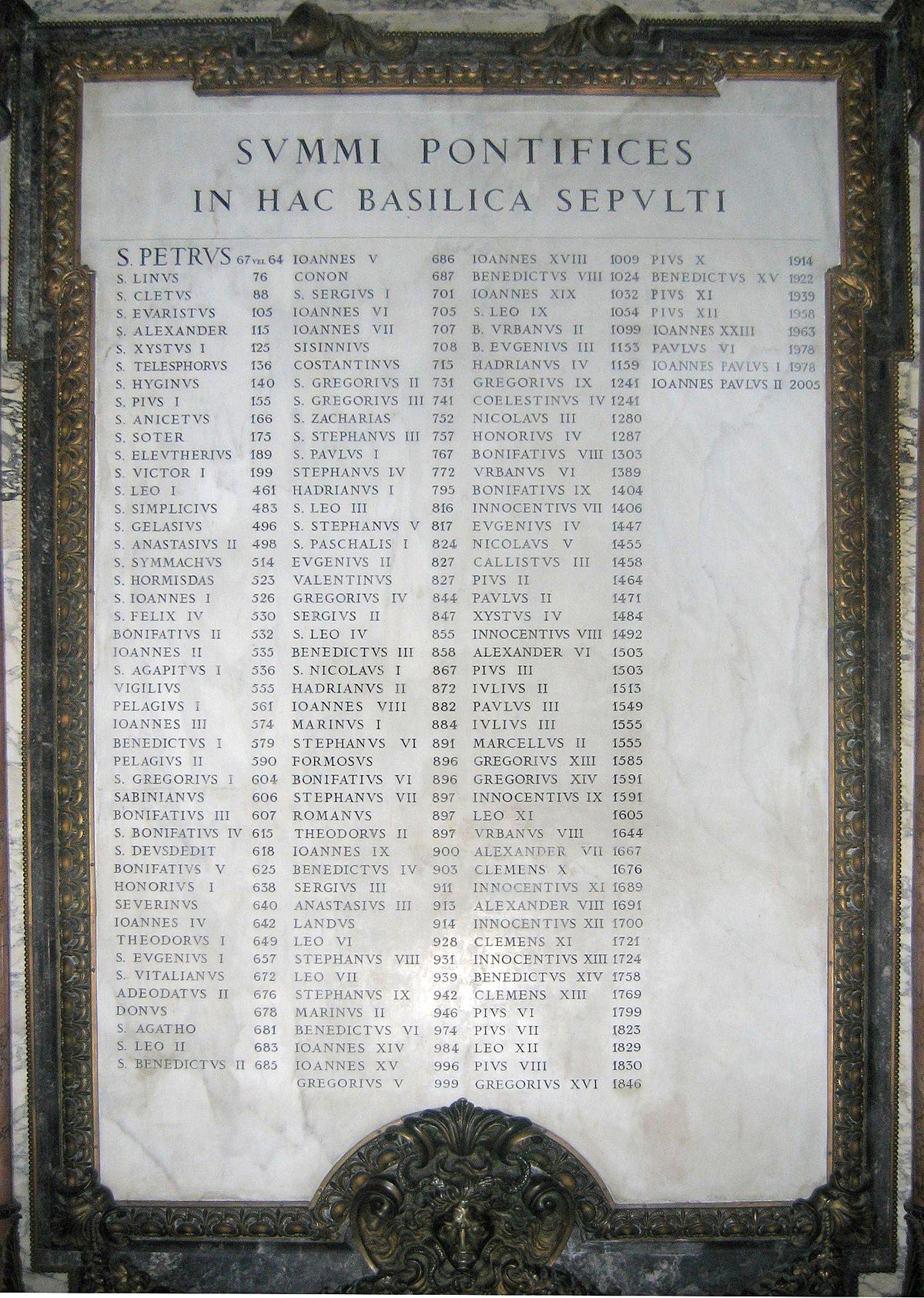
Where can I find a comprehensive list of 19th and 20th-century popes?
A comprehensive list can be found in various historical resources, including encyclopedias and official Church documents. Online databases and the Vatican’s official website also provide detailed information about each pope’s tenure and contributions.
Conclusion
The 19th and 20th centuries witnessed significant changes in the Catholic Church, characterized by evolving leadership styles, shifting papal authority, and responses to modernity. These transformations were shaped by socio-political contexts, reflecting the Church’s adaptation to contemporary challenges. By understanding these historical shifts, readers can gain insights into the Church’s current dynamics and the implications for modern Catholicism. This knowledge can enhance one’s engagement with the Church’s teachings and practices today. To deepen your understanding, consider exploring further resources on papal teachings or attending discussions on the impact of these historical changes. Embrace the opportunity to connect with the rich heritage of the Catholic Church.