Have you ever wondered how the Crimean War reshaped the geopolitical landscape of the 19th century? This conflict, often overshadowed by larger wars, played a crucial role in redefining power dynamics in Europe and beyond.
In this article, you will discover the key causes of the Crimean War, the major actors and alliances involved, and the significant battles that marked its course. Understanding these elements will provide valuable insights into the complexities of international relations during this tumultuous period.
We will explore the motivations behind the conflict, detail the primary players such as Britain, France, and Russia, and analyze the pivotal battles that influenced the war’s outcome.
Causas principales de la Guerra de Crimea
The Crimean War (1853-1856) was fueled by a complex interplay of political, territorial, and religious factors. The primary causes can be grouped into several categories, each contributing to the escalation of tensions between the major powers of the time.
One significant cause was the decline of the Ottoman Empire. By the mid-19th century, the empire was weakening, prompting various nations to seek control over its territories. Russia aimed to expand its influence in the Balkans and gain access to warm-water ports, leading to conflicts with both the Ottomans and other European powers.
- Religious tensions: The dispute over the rights of Christian minorities in the Ottoman Empire created friction, particularly between Russia, which positioned itself as the protector of Orthodox Christians, and France, which supported Catholic interests.
- Geopolitical ambitions: Britain and France feared that Russian expansion would disrupt the balance of power in Europe, threatening their own colonial interests.
- Territorial disputes: The specific trigger for the war was Russia’s occupation of the Danube principalities (Moldavia and Wallachia), which alarmed the Ottomans and prompted their declaration of war in October 1853.
In addition, the Crimean War represented a clash of military innovations and strategies. The war was marked by the use of modern technologies such as rifled artillery and the telegraph, which changed the dynamics of warfare. The infamous charge of the Light Brigade during the Battle of Balaclava in 1854 exemplified the chaos and miscommunication that characterized the conflict.
Furthermore, international diplomacy played a crucial role. The Paris Conference of 1856 was a significant event that sought to address the issues leading to the war. The resulting Treaty of Paris aimed to limit Russian expansion and reaffirm the independence of the Ottoman Empire, though it did not prevent future conflicts in the region.
Principales actores y alianzas en el conflicto
The Crimean War involved several key actors, each with their own motivations and alliances. The primary belligerents included:
- Russia: Seeking to expand its influence over the declining Ottoman Empire and secure access to warm-water ports.
- United Kingdom: Concerned about Russian expansionism, which threatened British interests in India and the Mediterranean.
- France: Aiming to assert its power and influence in the region, France allied with Britain against Russia.
- Ottoman Empire: The empire itself was embroiled in the conflict, defending its territory against Russian encroachments.
Other nations also played significant roles, either directly or indirectly:
- Sardinia-Piedmont: Joined the Allies as a means to gain recognition and support for its own unification efforts.
- Austria: Initially neutral, Austria later sought to maintain a balance of power in Europe, fearing Russian dominance.
- Prussia: Observed the conflict closely, ultimately maintaining a neutral stance but positioning itself for future influence.
Each of these nations formed alliances based on strategic interests. The alliances were pivotal in shaping the course of the war. For instance, the British and French forces collaborated in several major battles, including the Battle of Balaclava in 1854, which is famous for the Charge of the Light Brigade.
In terms of military composition, the war featured a mix of forces:
- British Army: Noted for its naval superiority and the famous Royal Navy, which blockaded Russian ports.
- French Army: Brought a well-trained contingent, contributing significantly to ground operations.
- Russian Army: Initially underestimated, it demonstrated resilience and tactical evolution during the conflict.
The alliances and the motivations of each actor influenced the war’s progress and outcomes, showcasing the complex nature of 19th-century geopolitical dynamics.
Desarrollo de las principales batallas
The Crimean War featured several significant battles that shaped the course of the conflict. Each battle had its own strategic importance and consequences for the involved nations. Below are some of the most crucial battles during the war:
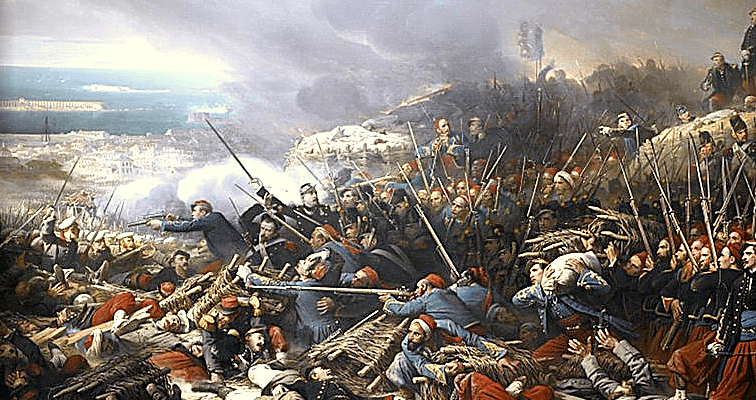
- Battle of Balaclava (October 25, 1854): This battle is famous for the Charge of the Light Brigade, where British cavalry charged against Russian artillery. Despite the bravery shown, the charge resulted in heavy casualties, with about 600 men participating and a significant number killed or wounded.
- Battle of Inkerman (November 5, 1854): Fought near Sebastopol, British forces faced a surprise attack by the Russians. Despite being outnumbered, the British managed to hold their ground, with approximately 11,000 troops against 40,000 Russians, resulting in a decisive victory for the Allies.
- Battle of Alma (September 20, 1854): This was the first major battle of the war, where British and French forces launched a successful assault on Russian positions. The Allies suffered around 3,000 casualties, while the Russians faced about 5,000, marking a significant early victory.
Another pivotal moment occurred during the Siege of Sevastopol, which lasted from 1854 to 1855. This prolonged military engagement involved extensive trench warfare and was characterized by fierce fighting. The Allies aimed to capture the port city, which was critical for Russian naval power in the Black Sea.
The siege saw significant losses on both sides, with the Allies suffering around 25,000 casualties and the Russians approximately 30,000. Ultimately, the Allies succeeded in taking Sevastopol on September 8, 1855, which significantly weakened Russian influence in the region.
| Battle | Date | Allied Casualties | Russian Casualties |
|---|---|---|---|
| Battle of Balaclava | October 25, 1854 | ~600 | Unknown |
| Battle of Inkerman | November 5, 1854 | ~2,500 | ~12,000 |
| Battle of Alma | September 20, 1854 | ~3,000 | ~5,000 |
| Siege of Sevastopol | 1854-1855 | ~25,000 | ~30,000 |
These battles not only demonstrated the military strategies of the time but also the human cost of warfare. The lessons learned from these engagements influenced military tactics in future conflicts.
El papel de la tecnología en la guerra
The Crimean War marked a significant turning point in the use of technology in warfare. Innovations in military technology had profound effects on the strategies and outcomes of this conflict. Key technological advancements included the use of rifled artillery, the telegraph, and railways.
One of the most notable innovations was the introduction of rifled muskets, which improved accuracy and range significantly compared to smoothbore firearms. The Minié ball, a conical bullet, was specifically designed for these rifled barrels, allowing soldiers to hit targets effectively at distances of up to 1,000 yards. This advancement increased the lethality of infantry engagements.
- Rifled artillery: Cannons were equipped with rifled barrels, enhancing their accuracy and distance.
- Telegraph: Allowed for rapid communication between commanders, improving coordination.
- Railways: Facilitated the rapid movement of troops and supplies, changing logistics in warfare.
In addition to small arms, the deployment of railways revolutionized military logistics. The British Army utilized railways to transport troops and equipment swiftly across the battlefield, which provided a tactical advantage. For instance, the rapid movement allowed them to reinforce positions or relocate units as needed, which was crucial during battles like the Siege of Sevastopol.
The use of the telegraph further transformed communication. With the ability to relay messages almost instantly, commanders could make informed decisions based on real-time intelligence. This technology played a pivotal role during key battles, allowing for strategic adjustments that could alter the course of engagements.
Moreover, the introduction of steam-powered ships changed naval warfare. The British Royal Navy employed steamships for blockades, making it difficult for Russia to resupply its forces. The use of ironclad vessels also began to emerge during this period, hinting at the future of naval engagements.
The technological advancements during the Crimean War not only enhanced military effectiveness but also laid the groundwork for modern warfare. The integration of new technologies changed how battles were fought, demonstrating the increasing importance of innovation in military strategy.
Impacto de la guerra en la sociedad europea
The Crimean War had profound effects on European society, influencing various aspects ranging from political structures to social norms. The conflict catalyzed significant changes in military, healthcare, and women’s roles, leaving a lasting legacy.
One of the most notable impacts was the shift in public perception of warfare. The war was one of the first to be extensively documented by journalists, which brought the realities of battle into the living rooms of ordinary citizens. Graphic reports and photographs, such as those by Roger Fenton, changed how people viewed the consequences of war.
- Political shifts: The war led to increased nationalism and political mobilization across Europe. Countries like Italy and Germany began to unify, inspired by the nationalist sentiments that emerged during the conflict.
- Healthcare advancements: The Crimean War highlighted the need for better medical care. Figures like Florence Nightingale revolutionized nursing practices, leading to the establishment of organized military medical services.
Additionally, the war impacted women’s roles significantly. With many men serving on the front lines, women took on new responsibilities, stepping into roles traditionally held by men. This shift contributed to the early women’s rights movement in Europe, as women began advocating for greater social and political rights.
Statistics from the war reflect its toll on society. Approximately 600,000 soldiers died during the conflict, with many more wounded. This loss created a societal gap and prompted discussions on military service and the value of human life in warfare.
The Crimean War was not just a military conflict; it was a transformative event that reshaped European society in numerous ways. Its impacts extended beyond the battlefield, playing a crucial role in the evolution of social norms, healthcare, and political landscapes across the continent.
Consecuencias políticas y territoriales tras la guerra
The Crimean War had far-reaching political and territorial implications that reshaped Europe. One of the most notable outcomes was the decline of the Ottoman Empire, which had been a significant power in the region. The war exposed its vulnerabilities, leading to a gradual loss of territories in the subsequent decades.
In contrast, the war marked a rise in the power of Russia’s rivals. For instance, the Treaty of Paris in 1856 curtailed Russian territorial ambitions in the Black Sea, ensuring it remained neutral. This treaty also led to the demilitarization of the Black Sea, significantly altering naval dynamics in the region.
- Treaty of Paris (1856): Concluded the war, restricted Russian naval capabilities.
- Loss of Crimea: The Crimean Peninsula, a key strategic territory, was retained by the British and French.
- Shift in Alliances: The war realigned European alliances, notably strengthening ties among France, Britain, and the Ottoman Empire.
- Emergence of Nationalism: The war fostered nationalist sentiments among various ethnic groups, leading to future conflicts.
An essential example of the war’s impact is the rise of nationalism in the Balkans. Ethnic groups, encouraged by the weakening of the Ottoman Empire, began to seek independence. This desire for self-determination would ultimately lead to further conflicts in the region, notably the Balkan Wars of the 1910s.
Additionally, the political landscape in Western Europe underwent significant changes. The war catalyzed discussions about military reforms, most notably in Britain, where the need for a more efficient military structure became evident. The aftermath led to the establishment of the Royal Commission on the Army in 1857, which sought to address the inefficiencies exposed during the conflict.
The Crimean War not only altered the territorial map of Europe but also set the stage for future political developments. The consequences of the war resonated well into the 20th century, influencing the dynamics of nationalism, imperialism, and international relations.
La influencia de la Guerra de Crimea en la medicina militar
The Crimean War was a catalyst for significant changes in military medicine, highlighting the importance of healthcare for soldiers. Before this conflict, medical practices were rudimentary and often ineffective. The war prompted a reassessment of medical strategies and the introduction of new practices.
- Establishment of Nursing as a Profession: Florence Nightingale emerged as a pivotal figure during the war, advocating for sanitary conditions. Her work led to the establishment of nursing as a respected profession, emphasizing the need for trained nurses on the battlefield.
- Improved Medical Hygiene: The war underscored the importance of hygiene. Nightingale’s emphasis on cleanliness and proper sanitation dramatically reduced the death rate from preventable diseases.
- Development of Field Hospitals: The conflict saw the formation of organized field hospitals. These facilities provided better care and were equipped to handle the influx of wounded soldiers, leading to improved survival rates.
Statistically, the reforms initiated during the Crimean War had a profound impact. The death rate in military hospitals dropped from 42% to just 2% due to enhanced sanitary conditions and proper medical care.
Moreover, the war prompted the British Army to create the Army Medical Corps in 1857, formalizing medical support in military operations. This establishment laid the groundwork for modern military medicine.
- Introduction of Medical Innovations: The Crimean War also saw the use of new medical technologies, such as anesthesia and antiseptics, which were crucial in surgical procedures. These advancements significantly improved patient outcomes.
- Data Collection and Analysis: The war marked one of the first instances of systematic data collection regarding soldier health and mortality, leading to evidence-based practices in military medicine.
The Crimean War not only transformed military strategies but also revolutionized medical practices. The lessons learned during this conflict shaped future medical protocols and emphasized the critical role of healthcare in warfare.
Legado histórico y cultural de la Guerra de Crimea
The Crimean War left a significant legacy that impacted both historical narratives and cultural expressions across Europe. The war served as a pivotal moment in military and political history, influencing how future conflicts were perceived and managed.
One of the most notable cultural impacts was the rise of war correspondents. Journalists like William Howard Russell reported from the front lines, bringing the realities of war to the public. This marked a shift towards more direct and personal accounts of warfare, influencing public perception.
- Photography: The war was among the first conflicts to be extensively documented through photography, notably by Roger Fenton. His images brought the brutal realities of war into homes, altering public sentiment.
- Literature: The Crimean War inspired numerous works, including The Charge of the Light Brigade by Alfred Lord Tennyson, which immortalized the heroism and tragedy of the conflict.
- Art: Artists like Francis Seymour Haden depicted the war in their works, reflecting both the valor and the horrors experienced by soldiers.
Moreover, the Crimean War had lasting impacts on international relations. The conflict highlighted the need for alliances and diplomacy, leading to the formation of new treaties, such as the Treaty of Paris in 1856. This treaty not only ended hostilities but also reshaped the balance of power in Europe.
In terms of military reform, the legacy of the Crimean War spurred changes in military organization and strategy. The shortcomings revealed during the conflict prompted nations to reevaluate their military structures, leading to the modernization of armies across Europe.
Additionally, the war had profound psychological impacts on those who served. The experiences of soldiers created a cultural narrative around the trauma of war, leading to increased awareness of mental health issues and the need for support systems for veterans.
The Crimean War’s legacy is reflected in various aspects of culture, literature, and military strategy, making it a crucial point of reference in understanding both historical and contemporary conflicts.
Análisis de fuentes y testimonios contemporáneos
The analysis of sources and contemporary testimonies from the Crimean War provides a multifaceted understanding of the conflict. These accounts range from military reports to personal diaries, each offering unique insights into the experiences of soldiers and civilians alike.
One of the most significant sources is the correspondence of Florence Nightingale, who documented her experiences as a nurse during the war. Her letters highlighted not only the dire conditions faced by the wounded but also her pioneering efforts in improving sanitation and nursing practices.
- Military Reports: Official documents from the British and French military provide data on troop movements, casualties, and strategic decisions.
- Personal Diaries: Accounts from soldiers, such as those of Major John L. H. Wellesley, reveal the psychological impact of war.
- Newspaper Articles: Publications like The Times played a crucial role in shaping public perception and opinion about the war.
Furthermore, notable figures like Leo Tolstoy drew from their experiences in the Crimean War to influence literary narratives. Tolstoy’s novel, “Sevastopol Sketches,” vividly depicts the horrors of battle and the moral dilemmas faced by soldiers.
Statistical data derived from these sources also sheds light on the war’s toll. For instance, it is estimated that the Crimean War resulted in around 600,000 deaths, with disease accounting for a significant portion of these casualties. This emphasizes the critical role of medical conditions and logistics during the conflict.
In addition to primary sources, secondary analyses by historians provide context and interpretations of the war’s events. Works by historians such as Orlando Figes and Ian Fletcher have critically examined the motivations behind the war and its broader implications on European geopolitics.
This combination of firsthand accounts and scholarly analysis enriches our understanding of the Crimean War, illustrating its complexity and the varied experiences of those involved. By examining these sources, we gain a more nuanced perspective on how the war shaped both individual lives and the course of history.
Frequently Asked Questions
What were the main causes of the Crimean War?
The main causes of the Crimean War included territorial disputes among European powers, the decline of the Ottoman Empire, and conflicts over religious rights in the Holy Land. These factors created tensions, leading to a military conflict involving Britain, France, and Russia.
How did the Crimean War affect civilian populations?
The Crimean War had significant effects on civilian populations, including displacement due to military actions and the spread of diseases. Additionally, the war influenced public opinion and prompted humanitarian efforts, highlighting the need for improved medical care and sanitation for both soldiers and civilians.
What innovations in military medicine emerged from the Crimean War?
Innovations in military medicine during the Crimean War included the establishment of nursing practices and improved field hospitals. Pioneers like Florence Nightingale emphasized hygiene and patient care, leading to enhanced medical protocols that greatly benefited future military conflicts.
Where can I find primary sources related to the Crimean War?
Primary sources related to the Crimean War can be found in various archives and libraries, including national archives of the involved countries. Online databases, such as the British Library and the National Archives of Scotland, offer digitized letters, diaries, and official documents from that period.
What role did propaganda play during the Crimean War?
Propaganda played a crucial role in shaping public perception during the Crimean War. Both sides used media campaigns to boost morale, recruit soldiers, and justify their actions. Newspapers and illustrations helped disseminate information, influencing public opinion and support for the war efforts.
Conclusion
The Crimean War significantly transformed military medicine, emphasizing the necessity of proper healthcare for soldiers. Additionally, it established a lasting historical and cultural legacy, influencing narratives across Europe. Finally, the examination of contemporary sources provides valuable insights into the complexities of the conflict. By understanding these aspects, readers can appreciate the profound implications of the Crimean War on modern military practices and cultural expressions. This knowledge can enhance both historical perspectives and contemporary discussions regarding military healthcare and legacy. Explore further by researching more about the Crimean War and its enduring impact on today’s military and cultural landscapes. Engage with various sources to deepen your understanding of this pivotal era.