The transformative 19th century brought about remarkable changes in residential architecture. As society evolved during this period, so did the design and functionality of 19th century homes, reflecting the cultural and technological advancements of the time.
From the intricate facades of Victorian houses to the stately elegance of Greek Revival homes, the architecture from this era continues to captivate historians and homeowners alike. Let’s delve into the intricacies and history that these homes embody and how they have left an enduring imprint on the landscape of American architecture.
What is a victorian house?
Often seen as the epitome of 19th century architecture, the Victorian house is a term used to describe a variety of styles that emerged from 1837 to 1901, a period coinciding with the reign of England’s Queen Victoria. These homes are easily identifiable by their intricate detailing, asymmetrical shapes, and elaborate ornamentation.
The era’s spirit of invention and progression was reflected in the design of Victorian houses. With the Industrial Revolution bringing new materials and mass-production methods, Victorian homes became a canvas for showcasing newfound wealth and social status.
These residences were not only living spaces but also a symbol of personal success. The Victorian Society was keen on expressing itself through elaborate home décor, which has since become a hallmark of this architectural style.
What are the defining elements and characteristics of victorian houses?
Victorian houses are renowned for their defining elements that set them apart from other styles. These features include turrets and towers for an imposing silhouette, stained glass windows for a splash of color and light, and ornate woodwork that showcased the craftsmanship of the era.
- Steeply pitched roofs
- Decorative trim known as “gingerbread”
- Patterned brickwork or shingles
- Wrap-around porches
- Asymmetry in design
These characteristics combined to create a home that was as much a personal statement as it was a shelter.
What is the history of victorian houses?
The history of Victorian houses is intertwined with the Industrial Revolution, a period of great technological and social change. As factories rose and urban centers expanded, so did the need for new housing. The affluence generated by industrialization allowed for more ornate and grandiose homes to be built, particularly for the burgeoning middle class.
The aesthetic diversity of Victorian houses also mirrored the various architectural movements of the time, including the Gothic Revival and Italianate styles. As transportation networks expanded, design ideas and materials were able to flow more freely, contributing to the rich tapestry of 19th-century home styles.
However, it wasn’t just the wealthy who lived in Victorian houses. In densely populated areas, simpler and smaller Victorian homes were constructed to accommodate workers and their families, although these lacked the opulence of their grander counterparts.
What are the different types of victorian houses?
The term “Victorian” covers a broad range of styles, each with its own unique features. Some of the most well-known types include:
- Gothic Revival: Characterized by pointed arches, steep gables, and decorative woodwork.
- Italianate: Resembling Italian Renaissance villas with their low-pitched roofs and tall, narrow windows.
- Second Empire: Notable for their mansard roofs and elaborate ornamentation.
- Queen Anne: Perhaps the most ornate, with elaborate towers, turrets, and spindlework.
Each style signified different tastes and preferences, but all fell under the Victorian umbrella, contributing to the rich diversity of 19th century homes.
What are the advantages and disadvantages of living in a victorian house?
Living in a Victorian house comes with a unique set of pros and cons. On the plus side, owners of these historic homes enjoy:
- Timeless charm and character
- Sturdy construction and quality materials
- Spacious layouts with high ceilings
- Unique architectural details
However, these homes can also present challenges, including:
- Higher maintenance and renovation costs
- Potential for outdated plumbing and electrical systems
- Need for specialized preservation efforts
- Less energy efficiency compared to modern standards
Nevertheless, for those passionate about history and architecture, the allure of a Victorian home often outweighs these drawbacks.
How did 19th century homes reflect society?
19th century homes were a direct reflection of the society’s hierarchy and cultural values. In an era marked by stark social divisions, homes served as a tangible manifestation of one’s social status. While the wealthy could afford lavish homes with multiple rooms and modern conveniences, the working class often resided in cramped and basic accommodations.
The architecture of the time was also a response to societal changes, including the move towards suburban living. As cities became overcrowded and polluted due to industrialization, the middle and upper classes sought refuge in homes that were both retreats from urban chaos and symbols of success.
Houses from this era also embodied the Victorian era’s moral values, with separate spaces for public and private life, reflecting the societal norms regarding propriety and domesticity.

What are some popular 19th century home styles?
Beyond the Victorian, the 19th century saw a variety of popular home styles, including:
- Greek Revival: Inspired by classical Greek architecture with its columns and pediments.
- Federal: Characterized by symmetry and simplicity, with influence from Roman classicism.
- Italianate: Featuring decorative cornices and wide overhanging eaves.
- Stick-Eastlake: A style emphasizing vertical, horizontal, and diagonal elements.
These styles, each with their unique elements, contributed to the diverse architectural landscape of the era and continue to be celebrated for their historical significance and beauty.
Exploring the enduring beauty of 19th century homes offers us a window into the past and an appreciation for the rich architectural heritage that has shaped modern design. To further enhance our understanding, let’s take a moment to view a historical exploration of these homes:
Related Questions on 19th Century Home Architecture
What was the architectural style of the late 19th century?
The late 19th century was characterized by a mixture of architectural styles, but the Victorian architecture was particularly prominent. This era saw the rise of Gothic Revival, Second Empire, and Queen Anne styles, each incorporating ornate details and a sense of grandeur.
As the century drew to a close, there was also a movement towards the American Shingle style, which was seen as a departure from the excessive ornamentation of the Victorian styles, favoring cleaner lines and more natural forms.
What was a house like in the 1800s?
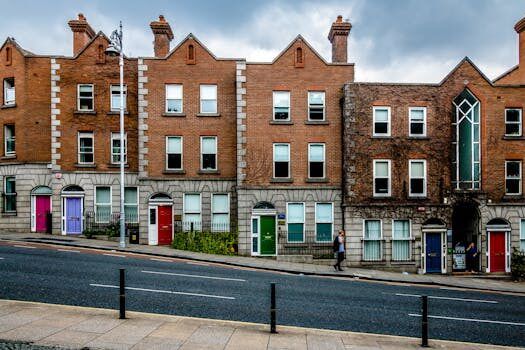
In the 1800s, a house’s structure and amenities largely depended on the owner’s wealth and location. Urban homes often featured multiple stories and were built close together, while rural homes were more spread out with surrounding land. Interior amenities varied from basic necessities in working-class homes to luxurious furnishings and modern conveniences in wealthier homes.
Houses from this era were built with a focus on symmetry and order, especially in the earlier part of the century, before the Victorian style took hold.
What makes a house look Victorian?
A house looks Victorian when it includes features such as steeply pitched roofs, bay windows, and ornate trim. The elaborate and intricate designs, the presence of towers or turrets, and a rich mix of textures and materials are all quintessential Victorian elements.
The vibrant colors and asymmetrical façades also contribute to the unmistakable Victorian aesthetic that makes these homes stand out.
Why do Americans call their houses Victorian?
Americans refer to certain houses as Victorian due to the architectural styles that were popular during Queen Victoria’s reign, which were adopted and adapted in the United States. As American architects and builders were inspired by British design books and patterns, they created homes that mirrored the Victorian taste but often included unique elements suited to the American landscape and client preferences.
This adoption and reinterpretation of European styles were a testament to the global influence of Victorian aesthetics and the desire of Americans to reflect the prosperity and progress of the era in their homes.